Providing parrots with a balanced and nutritious diet is crucial for their health and well-being. A key component of this diet is parrot pellets, offering a concentrated source of essential nutrients. This comprehensive guide explores everything you need to know about selecting, feeding, and supplementing your parrot’s pellet-based diet, ensuring optimal nutrition and a thriving feathered companion.
From understanding the nutritional needs of various parrot species to choosing the right pellets and addressing potential issues like picky eating, this guide provides practical advice and expert insights. Learn how to incorporate pellets into a varied diet and discover effective strategies for preventing common problems, ensuring your parrot receives the best possible care.
Introduction to Parrots’ Nutritional Needs
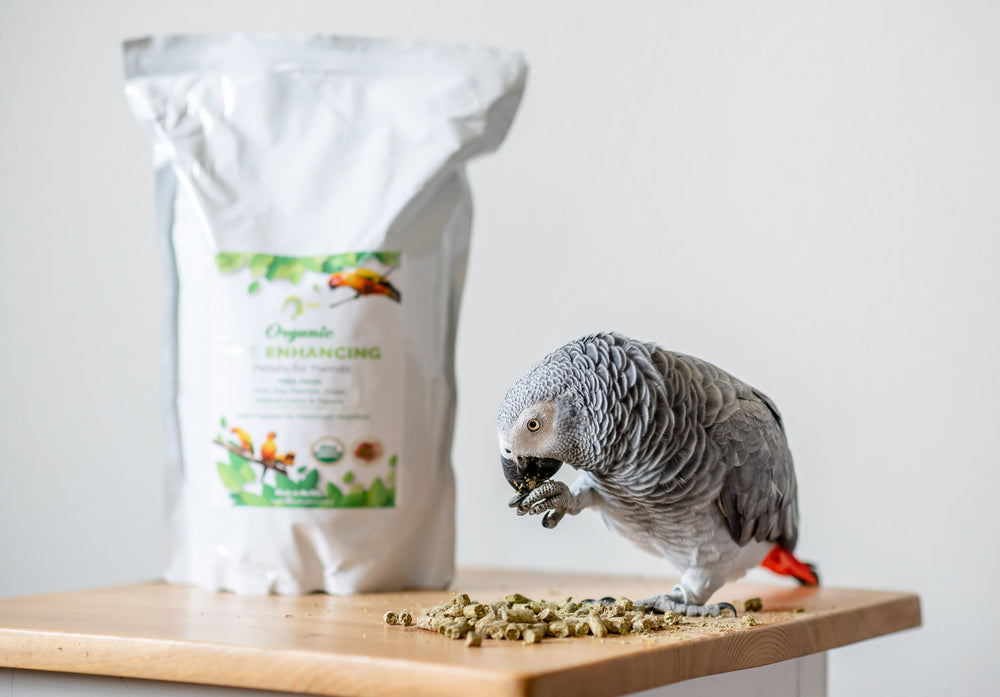
Parrots, with their vibrant colors and captivating personalities, require a carefully crafted diet to thrive. A balanced nutritional plan is paramount for their overall health, well-being, and longevity. This balanced diet should include a variety of fresh fruits, vegetables, and, crucially, parrot pellets. These specialized food sources are designed to provide the essential nutrients that support their specific metabolic needs.Parrot pellets are formulated to meet the specific nutritional requirements of different parrot species.
They offer a convenient and complete nutritional package, containing essential nutrients often difficult to obtain in sufficient quantities from a purely natural diet. Their balanced composition of proteins, fats, vitamins, and minerals makes them a vital component of a parrot’s daily dietary intake.
Parrot Dietary Requirements
Parrots exhibit a wide range of dietary needs, varying by species and size. Understanding these differences is essential for providing appropriate nutrition. Small parrots, such as budgies and cockatiels, typically have higher daily caloric needs compared to their body size, requiring more frequent feeding and a diet tailored to their metabolic rates. Medium-sized parrots, including Amazons and conures, require a balanced mix of nutrients, including high-quality protein, essential vitamins, and minerals.
Large parrots, like macaws and cockatoos, have even more complex nutritional needs, often requiring larger portions of a balanced diet with specific vitamin and mineral requirements to maintain their health and vitality.
Nutritional Components in Parrot Pellets
Parrot pellets are meticulously formulated to contain a complete spectrum of essential nutrients. Proteins are critical for building and repairing tissues. Fats provide energy and support various bodily functions. Vitamins and minerals are vital for numerous metabolic processes and maintaining overall health. The specific ratios of these components are carefully balanced to meet the diverse needs of various parrot species.
The exact proportions vary depending on the manufacturer and the specific type of pellet, as discussed further below.
Types of Parrot Pellets and Their Uses
The parrot pellet market offers a variety of options, catering to different needs and preferences. Understanding the various types available allows for a tailored approach to feeding.
- Age-Specific Pellets: Different age groups have unique nutritional requirements. For example, young parrots require a higher concentration of nutrients to support rapid growth and development. Specialized age-appropriate pellets are designed to meet these heightened demands. Juveniles and older parrots have differing requirements, emphasizing maintenance and longevity, respectively. These formulations contain essential nutrients in different proportions.
- Breed-Specific Pellets: Certain parrot breeds have unique dietary needs. Specific breeds may have different nutritional requirements, and pellets are often tailored to these specific needs. Breed-specific pellets ensure that each parrot receives the optimal nutritional balance for its particular species.
- Health-Condition Pellets: Pellets are also available to address specific health concerns. For instance, pellets formulated for parrots with dietary restrictions or certain health conditions, like digestive issues or feather plucking, can provide targeted nutrition to help with recovery and maintenance.
- General-Purpose Pellets: These pellets are suitable for a wide variety of parrot species and are commonly used as a staple part of a well-rounded diet. They provide a balanced nutrition profile to support general health and maintenance.
Choosing the Right Parrot Pellets
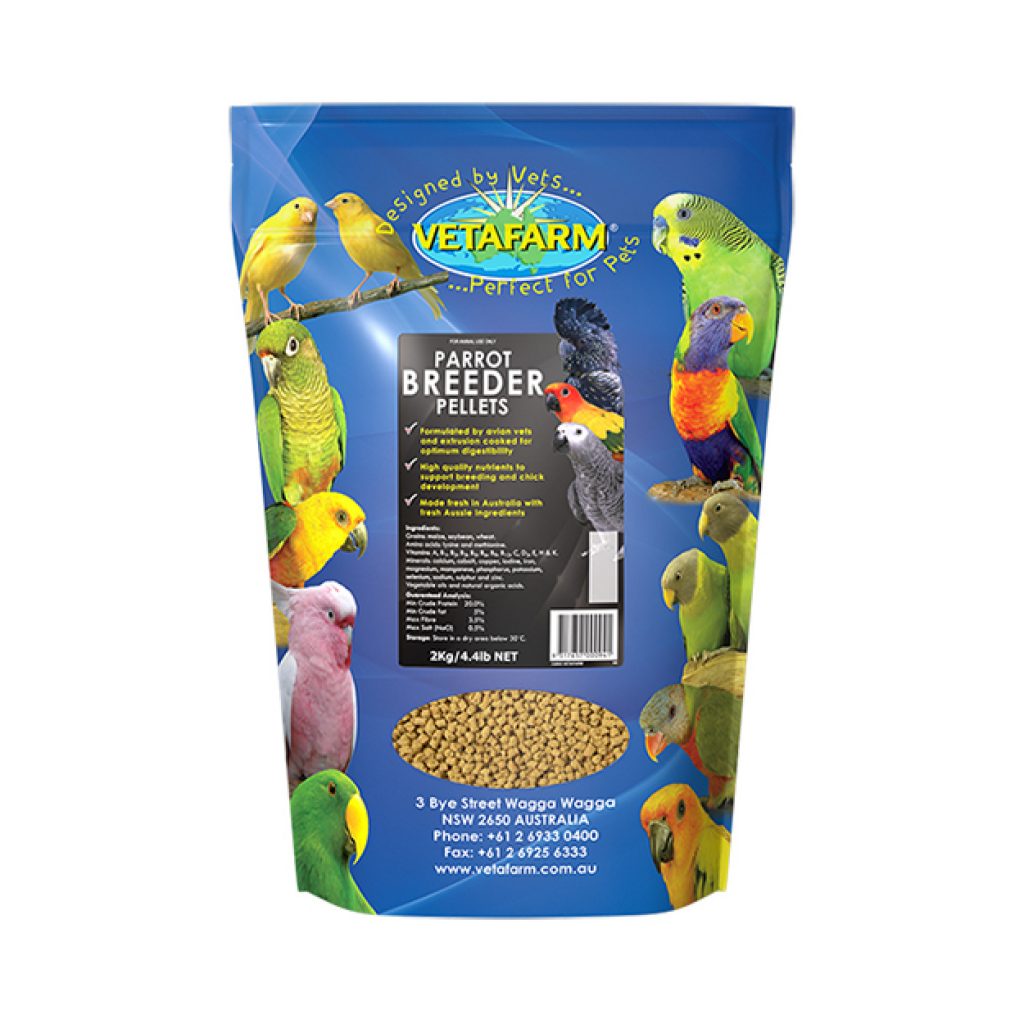
Selecting appropriate parrot pellets is crucial for maintaining a parrot’s health and well-being. A balanced diet, consisting of high-quality pellets, is fundamental to providing the necessary nutrients for a parrot’s diverse needs, whether it’s a small budgie or a large macaw. Parrot pellets serve as a foundation, providing essential vitamins, minerals, and proteins that support optimal growth, feather development, and overall health.
Comparing Different Brands
Various brands offer parrot pellets, each formulated with specific ingredients and nutritional profiles. Understanding the composition of these pellets is vital for making informed choices. Manufacturers often highlight the inclusion of specific ingredients, such as fruits, vegetables, and grains, to attract consumers and promote perceived nutritional benefits. However, the quality and quantity of these ingredients can vary significantly.
Reading Labels and Nutritional Information
Carefully reviewing product labels is essential for assessing the nutritional content of parrot pellets. Manufacturers typically provide detailed nutritional information, including the percentage of protein, fat, fiber, and various vitamins and minerals. Understanding these values allows owners to evaluate the pellet’s suitability for their parrot’s specific needs. Pay attention to the ingredient list order; ingredients listed higher in the list are present in greater quantities.
Factors to Consider for Specific Parrots
Several factors influence the selection of parrot pellets, including the parrot’s breed, age, and health conditions. For instance, young parrots require pellets designed for growth and development, while older parrots may benefit from formulas tailored to support their age-related needs. Parrots with specific dietary requirements, such as those with digestive issues or allergies, may need specialized pellets. Consult with an avian veterinarian to determine the optimal pellet choice for your parrot’s individual circumstances.
Risks of Low-Quality Pellets
Feeding parrots low-quality pellets can pose significant health risks. These pellets may lack essential nutrients, contain harmful additives, or have inconsistent quality. The consequences can manifest as stunted growth, feather problems, digestive issues, and weakened immune systems. A parrot’s health directly reflects the quality of the diet they receive. Choosing reputable brands and carefully examining the ingredients is crucial to avoiding these potential problems.
Formulated Pellets vs. Homemade Mixtures
Formulated parrot pellets are meticulously crafted to meet the specific nutritional needs of parrots. These pellets contain a balanced mix of nutrients, vitamins, and minerals, providing a complete and reliable source of nutrition. Homemade parrot food mixtures, on the other hand, can be inconsistent and may not provide the necessary balance of nutrients. These mixtures can be time-consuming and may not meet the precise nutritional requirements of the parrot.
Homemade mixes are not recommended as a primary food source.
Comparative Table of Parrot Pellets
| Brand | Price (USD) | Key Ingredients | Nutritional Information (Example) |
|---|---|---|---|
| Brand A | $15/bag (1kg) | Soybean meal, millet, sunflower seeds, vitamins, minerals | Protein: 18%, Fat: 5%, Fiber: 10% |
| Brand B | $20/bag (1kg) | Rice, corn, wheat, fruits, vegetables, vitamins, minerals | Protein: 20%, Fat: 6%, Fiber: 12% |
| Brand C | $10/bag (1kg) | Soybean meal, corn, wheat, vitamins, minerals | Protein: 15%, Fat: 4%, Fiber: 8% |
Note: Prices and nutritional information are examples and may vary depending on the specific product and retailer. Always check the product label for the most accurate information.
Feeding Parrot Pellets Effectively
Proper pellet feeding is crucial for maintaining a parrot’s health and well-being. A balanced diet, consisting of pellets, fresh fruits, vegetables, and occasional treats, provides the necessary nutrients for optimal growth, plumage, and overall health. Understanding appropriate portion sizes, methods of incorporation, and storage practices is vital for successful pellet feeding.Effective pellet feeding goes beyond simply providing a food source.
It involves a strategic approach to ensure your parrot receives a complete and balanced diet. This includes understanding the specific nutritional needs of your parrot’s species and age, as well as incorporating pellets into a varied diet that also includes fresh fruits and vegetables. This approach helps prevent nutritional deficiencies and promotes a healthy, active parrot.
Portion Sizes for Different Parrot Species and Ages
Understanding the appropriate portion sizes is key to preventing overfeeding and promoting healthy growth. Different species and age groups have varying nutritional needs. A smaller parrot will require a smaller amount of pellets than a larger parrot. Similarly, a juvenile parrot will require more pellets per pound of body weight than an adult. The amount of pellets also needs to be adjusted as the parrot grows and matures.
| Species | Age | Approximate Daily Portion (grams) |
|---|---|---|
| Small Parrots (e.g., Budgies, Cockatiels) | Juvenile | 1-3 grams |
| Small Parrots (e.g., Budgies, Cockatiels) | Adult | 2-5 grams |
| Medium Parrots (e.g., Amazons, Pionus) | Juvenile | 5-10 grams |
| Medium Parrots (e.g., Amazons, Pionus) | Adult | 10-15 grams |
| Large Parrots (e.g., Macaws, African Greys) | Juvenile | 15-25 grams |
| Large Parrots (e.g., Macaws, African Greys) | Adult | 25-40 grams |
Note: These are approximate guidelines. Individual parrot needs may vary depending on factors like activity level, metabolism, and overall health. Consult with an avian veterinarian for personalized recommendations.
Incorporating Pellets into a Varied Diet
A balanced diet for parrots requires a combination of pellets, fresh fruits, vegetables, and occasional treats. Pellets should form the base of the diet, providing essential nutrients. Fruits and vegetables provide vitamins, minerals, and fiber. Treats should be offered sparingly, supplementing the primary diet.
- Start by gradually introducing pellets into your parrot’s diet, replacing some of their current food with pellets.
- Offer a variety of fresh fruits and vegetables to ensure your parrot receives a diverse range of nutrients. Examples include leafy greens, berries, carrots, and sweet potatoes.
- Introduce treats like nuts, seeds, or small pieces of cooked meat (in moderation). Ensure these treats are parrot-safe and do not contain harmful ingredients.
Frequency of Feeding Parrot Pellets
The frequency of pellet feeding depends on the parrot’s age, activity level, and individual needs. A general guideline is to feed pellets twice a day. However, some parrots may benefit from smaller portions more frequently. Always monitor your parrot’s eating habits and adjust the feeding schedule as needed.
Storing Parrot Pellets
Proper storage is essential to maintain the freshness and nutritional value of parrot pellets. Store pellets in an airtight container in a cool, dry place. Avoid storing pellets in direct sunlight or humid environments. Check the expiration date on the packaging and replace pellets as needed. Always ensure the container is properly sealed to prevent insects and moisture from contaminating the pellets.
Addressing Common Issues with Feeding Pellets
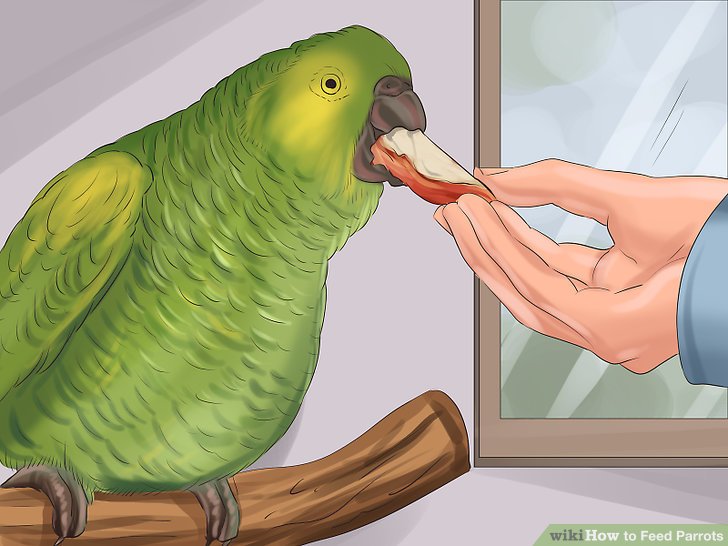
Introducing parrot pellets as a primary food source can sometimes present challenges. Parrots, like many animals, can develop preferences and routines, making the transition to a new food type tricky. Understanding these common issues and employing appropriate strategies can significantly improve the likelihood of successful pellet adoption.
Picky Eating and Pellet Rejection
Parrots, renowned for their intelligence and individuality, sometimes exhibit a preference for certain foods. This can lead to a reluctance to accept pellets, even when they are nutritionally complete. Understanding the reasons behind picky eating is key to finding a solution. Possible causes include the pellet’s taste or texture, the presentation of the food, or even a lack of familiarity.
Encouraging Pellet Acceptance
To encourage a parrot to accept pellets, a gradual introduction is crucial. Start by mixing a small amount of pellets with their favourite foods. Gradually increase the proportion of pellets over time, while reducing the amount of their preferred food. Offering pellets in different shapes, sizes, and colours can sometimes pique a parrot’s interest. If a parrot shows a strong aversion to pellets, consider whether the pellets are of the right size and type for their species and age.
Some pellets are specifically formulated for smaller or older birds. Introducing a new food type slowly and carefully will minimize stress and increase acceptance.
Transitioning from Other Foods
Transitioning a parrot accustomed to a diet of seeds, fruits, or other foods to a pellet-based diet requires patience and consistency. Gradually decrease the amount of the old food, while simultaneously increasing the amount of pellets. This gradual approach allows the parrot’s digestive system to adjust without experiencing any digestive upset. It’s important to provide a variety of healthy fruits, vegetables, and treats alongside the pellets to ensure a balanced diet and prevent nutrient deficiencies.
Remember, this transition can take several weeks, even months, depending on the parrot’s individual preferences.
Monitoring Health and Adjusting the Diet
Regularly monitoring a parrot’s health is paramount. Observe the parrot’s behaviour, appetite, and overall well-being. Any changes in their eating habits, droppings, or physical appearance should prompt a visit to an avian veterinarian. Adjustments to the pellet diet should be made in consultation with a veterinarian. They can provide personalized recommendations based on the parrot’s individual needs.
Identifying Nutritional Deficiencies
Nutritional deficiencies can manifest in various ways, from feather plucking to lethargy and loss of appetite. Monitoring the parrot’s physical condition and behaviour, and comparing it to its typical habits, can help in early detection. If you notice any signs of lethargy, changes in feather condition, or altered droppings, consult an avian veterinarian immediately. These symptoms might indicate a deficiency in specific nutrients, which can be addressed with dietary modifications or supplementation.
Refusal to Eat Pellets
If a parrot consistently refuses to eat pellets, it’s essential to identify the underlying cause. Is the parrot stressed? Is the pellet type suitable? Are there other dietary issues that could be causing the refusal? If the parrot is otherwise healthy, but still refuses to eat pellets, consult an avian veterinarian.
They can assess the parrot’s overall health and recommend appropriate dietary modifications or supplementation. If necessary, they can also provide additional advice to help encourage the parrot to accept the pellets.
Supplementing Parrot Pellets
A parrot’s diet should primarily consist of high-quality pellets, which provide a balanced foundation of nutrients. However, supplementing with appropriate fruits, vegetables, and treats can further enhance their nutritional intake and overall well-being. This approach allows for a more varied and engaging dietary experience, potentially boosting palatability and encouraging consumption of essential micronutrients.Supplementing a parrot’s diet with other foods is crucial for maintaining optimal health.
A balanced pellet diet provides the majority of necessary nutrients, but a diverse diet offers varied vitamins, minerals, and antioxidants that may not be present in pellets in sufficient quantities. This variety can also stimulate natural foraging behaviors, keeping your parrot mentally and physically engaged. Careful selection and appropriate portion sizes are key to avoiding potential digestive issues.
Suitable Fruits and Vegetables
A wide array of fruits and vegetables can be beneficial additions to a parrot’s diet. Fresh, unprocessed options are preferred. Offer small portions to allow for gradual introduction and to monitor for any adverse reactions.
- Berries: Blueberries, raspberries, and strawberries are excellent sources of antioxidants and vitamins. Ensure no added sugars are present in the berries.
- Citrus Fruits: Small amounts of oranges, grapefruits, and lemons can be beneficial, but be mindful of potential acidity. Avoid giving too much at once.
- Melons: Cantaloupe, watermelon, and honeydew provide hydration and vitamins. Ensure the melon is fresh and free of pesticides.
- Leafy Greens: Spinach, kale, and romaine lettuce are excellent sources of vitamins and minerals. Introduce gradually to prevent digestive upset.
- Other Vegetables: Carrots, bell peppers, and zucchini offer variety and nutrients. Always remove any seeds or stems that may be harmful.
Healthy Parrot Treats
Certain treats can serve as rewards or occasional additions to your parrot’s diet.
- Seeds: Offer small quantities of unsalted sunflower seeds, pumpkin seeds, or other parrot-friendly seeds. Avoid seeds that are high in fat or that are coated in salt.
- Fruits (in moderation): A small piece of apple, banana, or pear can be a treat. Monitor for any digestive issues.
- Commercial Parrot Treats: Choose treats specifically formulated for parrots, avoiding those with excessive sugar or artificial ingredients.
Supplements for Parrot Health
Certain supplements can be beneficial for addressing specific nutritional needs. Consult with an avian veterinarian to determine if any supplements are necessary for your parrot.
| Supplement | Purpose | Administration |
|---|---|---|
| Calcium | Essential for bone health and shell formation. | Mix with food or offer as a separate treat. |
| Vitamin D3 | Supports calcium absorption and bone health. | Administer in appropriate doses based on your parrot’s needs. |
| Multivitamins | Provide a balanced array of essential vitamins and minerals. | Mix with food or offer as a separate treat. |
| Probiotics | Support gut health and digestion. | Administer as directed on the product label. |
Troubleshooting and Preventing Problems
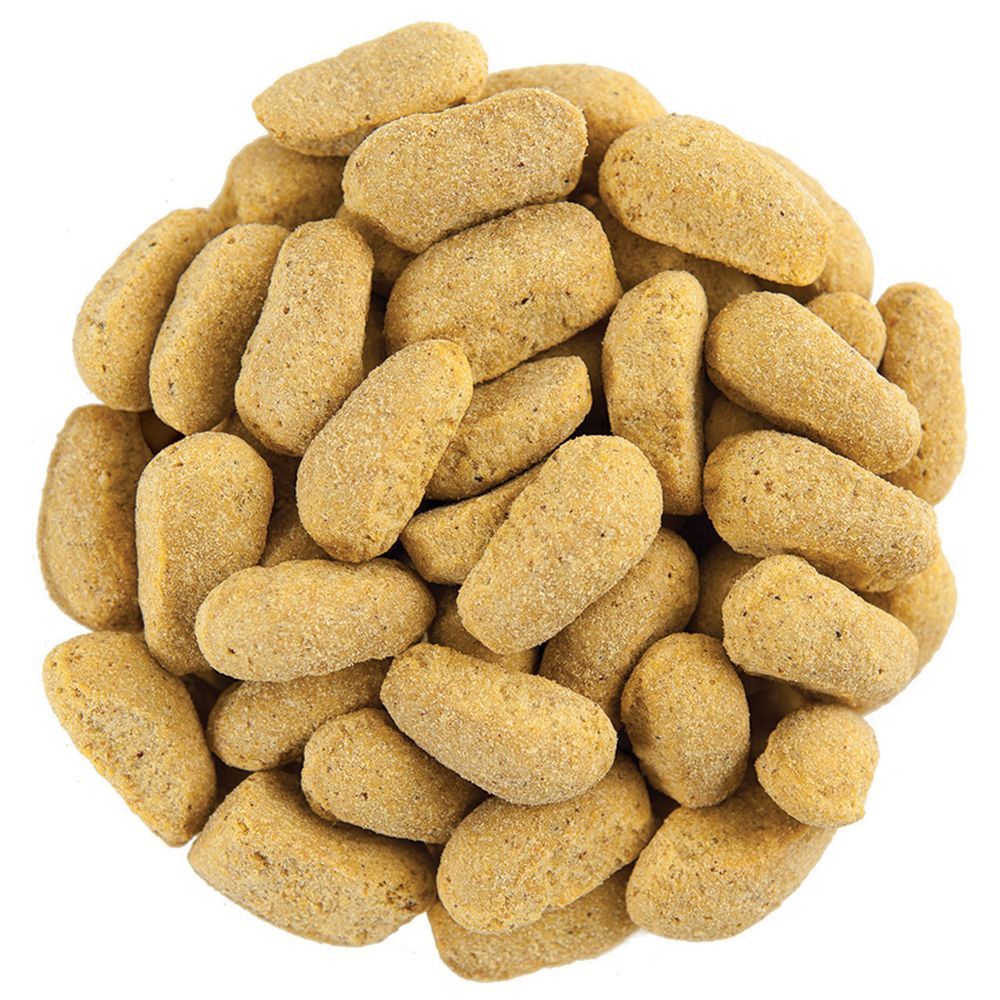
Ensuring your parrot’s well-being hinges on providing a nutritionally balanced diet and consistent care. Understanding potential pitfalls in pellet feeding and proactive measures for prevention are crucial for maintaining optimal parrot health. Addressing issues promptly and implementing preventative strategies will greatly contribute to a long and happy life for your feathered companion.
Common Feeding Mistakes and Their Consequences
Incorrect feeding practices can lead to various health problems in parrots. Overfeeding, for instance, can result in obesity, leading to joint issues, respiratory problems, and reduced mobility. Conversely, underfeeding can cause malnutrition, impacting feather growth, immune function, and overall health. An inconsistent schedule can disrupt a parrot’s digestive system and lead to digestive upsets.
Preventing Pellet-Related Problems
Maintaining a consistent feeding schedule is paramount for parrot health. Parrots thrive on routine, and a predictable feeding time helps regulate their digestive processes. Providing fresh, clean water at all times is equally vital. Avoid mixing pellets with other foods too frequently, as this can disrupt their digestive balance and lead to nutritional imbalances. Ensure the pellet type is appropriate for your parrot’s age and size.
Always use a high-quality pellet designed for their specific needs.
Addressing Digestive Problems
Digestive issues are common in parrots. These issues can manifest as diarrhea, vomiting, or lethargy. In such cases, it is essential to consult a veterinarian promptly. They can diagnose the cause and recommend the appropriate treatment, possibly including a temporary change in diet. The veterinarian will guide you on how to adjust the feeding routine and what types of supplements may be necessary.
Managing Weight Gain/Loss
Maintaining a healthy weight is crucial for parrot well-being. If your parrot is gaining weight, you may need to adjust the portion sizes and introduce more physical activity into their routine. Consult a veterinarian for guidance on dietary adjustments and exercise recommendations. Conversely, if your parrot is losing weight, consult a veterinarian to rule out any underlying health conditions.
A proper diet and regular check-ups will ensure optimal weight management.
Importance of a Consistent Feeding Schedule
A consistent feeding schedule helps regulate a parrot’s metabolism and digestive system. A predictable routine promotes a sense of security and reduces stress. A consistent schedule minimizes digestive issues and ensures proper nutrient absorption. Avoid making drastic changes to their diet or feeding schedule, as this can upset their digestive system.
Preventative Measures for Parrot Health
Regular veterinary check-ups are essential for preventative health care. These check-ups allow for early detection of potential health issues. Monitoring your parrot’s behavior, including eating habits, is crucial. Pay close attention to any changes in appetite, stool consistency, or overall demeanor. This proactive approach helps maintain your parrot’s well-being.
Final Conclusion
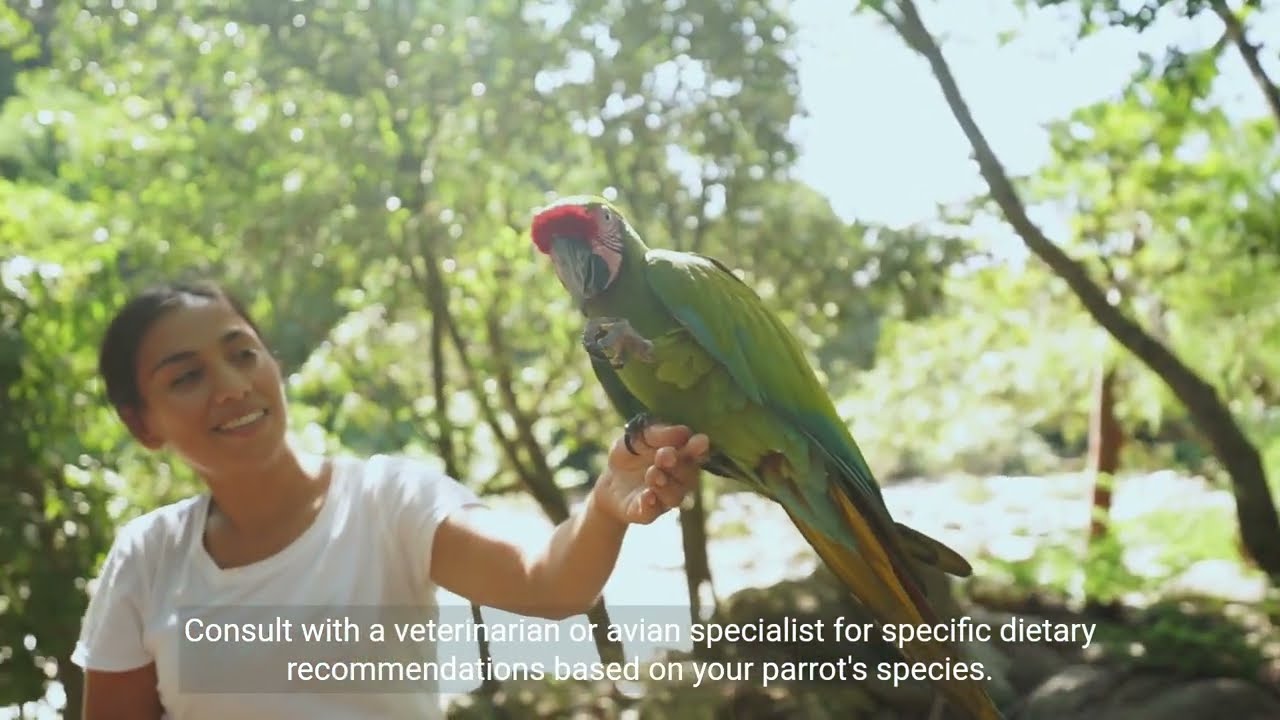
In conclusion, feeding parrots pellets effectively is a vital aspect of responsible parrot ownership. By understanding your parrot’s specific needs, selecting appropriate pellets, and incorporating supplementary foods, you can create a nutritious and enjoyable feeding experience. This guide provides a roadmap to ensure your parrot receives the optimal nourishment for a long and healthy life. Remember to always monitor your parrot’s health and adjust the diet as needed.