Protecting your home from unwanted avian guests is crucial for homeowners. This comprehensive guide explores effective strategies to bird-proof your property, from exterior sealing to interior modifications and landscaping. Understanding why birds are drawn to your home, and the potential damage they can cause, is the first step towards a bird-free haven.
This guide details various approaches to birdproofing, including strategic exterior and interior modifications, along with the careful selection of landscaping techniques. We will also discuss the effective use of deterrents and the importance of regular maintenance.
Introduction to Birdproofing
Birdproofing a home involves strategically modifying the exterior of a residence to deter birds from nesting, roosting, or feeding on or around the structure. This proactive approach benefits homeowners by minimizing potential damage and unpleasant interactions with birds. It also reduces the risk of disease transmission and promotes a harmonious coexistence between humans and avian wildlife.Homeowners choose to birdproof their properties for a variety of reasons.
Beyond the aesthetic appeal of a bird-free exterior, birdproofing can significantly reduce the risk of property damage, such as droppings staining surfaces or nests obstructing views. It can also help to maintain a healthy environment for both humans and birds by minimizing the risk of disease transmission.Birds are naturally drawn to homes for various reasons. Abundant food sources, such as leftover scraps or bird feeders, are strong attractants.
Protection from predators and the elements, including sheltered eaves and crevices, also contribute to a home’s appeal. Suitable nesting sites, such as sheltered areas or gaps in the exterior, provide ideal breeding locations.Common bird species frequently visiting homes include house sparrows, pigeons, starlings, and various types of swallows. These species are often drawn to readily available food sources, nesting opportunities, and shelter from harsh weather.Unwanted avian visitors can pose several negative impacts on homes.
Droppings can stain and damage surfaces, including roofs, gutters, and window sills. Nests can obstruct views, create a cluttered appearance, and pose a safety hazard, especially in high-traffic areas. Furthermore, some birds can be aggressive towards humans or other animals if their nesting or feeding areas are disturbed.
Negative Impacts of Birds on Homes
A range of problems can arise from the presence of birds around a home. Understanding these potential issues allows for proactive birdproofing measures.
| Bird Species | Attraction | Negative Impact | Prevention Methods |
|---|---|---|---|
| House Sparrows | Abundant food sources, nesting crevices | Droppings, staining, damage to gutters and roofs, potential for disease transmission | Remove food sources, seal nesting crevices, use deterrents like netting or netting strips. |
| Pigeons | Food sources, sheltered areas, roosting sites | Droppings, staining, damage to roofs and walls, potential for disease transmission, aggressive behavior | Remove food sources, seal potential roosting areas, use deterrents like netting or motion-activated sprinklers. |
| Starlings | Food sources, nesting cavities, sheltered areas | Droppings, staining, damage to roofs and gutters, potentially aggressive behavior | Remove food sources, seal nesting cavities, use deterrents like netting or motion-activated sprinklers. |
| Swallows | Shelter from weather, nesting areas | Droppings, potential for damage to exterior surfaces, may build nests in inconvenient locations | Seal potential nesting areas, use deterrents like netting or netting strips. Offer appropriate nesting boxes away from the structure. |
Exterior Birdproofing Strategies
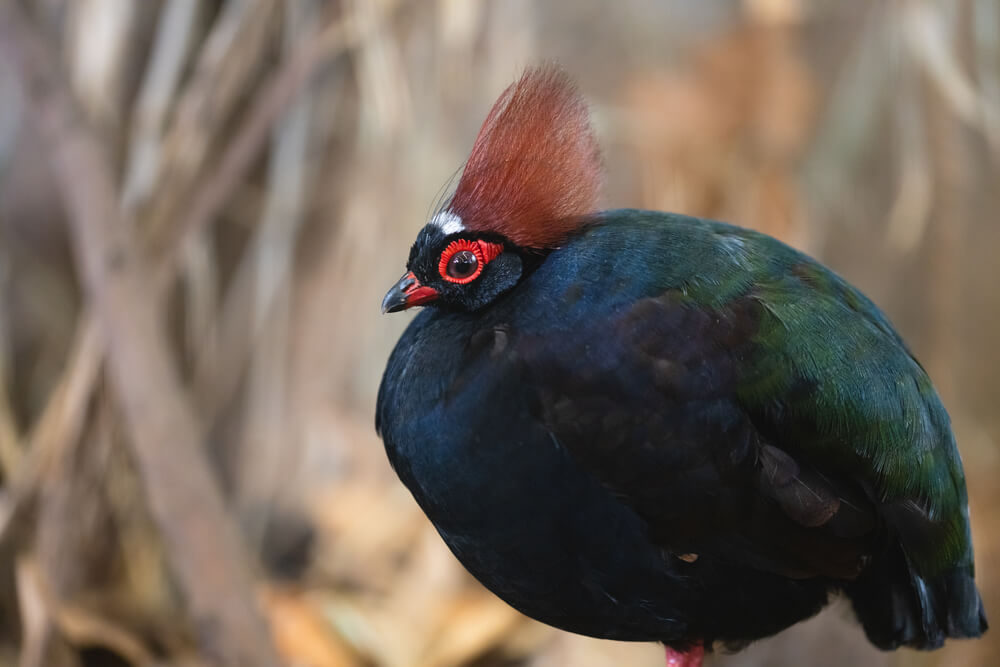
Securing your home from unwanted avian guests requires a multi-faceted approach. This involves not only sealing potential entry points but also modifying your property’s appeal to discourage birds from nesting and roosting. By understanding bird behavior and implementing appropriate deterrents, you can significantly reduce the risk of bird intrusions and damage to your home.
Sealing Entry Points
Proper sealing of potential entry points is crucial to preventing birds from gaining access to your home. This includes addressing gaps and cracks around windows, doors, vents, and other openings. Thorough inspection and sealing are vital steps in creating a bird-resistant home.
- Windows and Doors: Carefully inspect window and door frames for gaps and cracks. Caulk or weatherstrip any openings to create a solid barrier. Consider using mesh screens to cover any remaining gaps, particularly around windows and doors that are frequently used.
- Vents and Chimneys: Birds can find their way into your home through vents and chimneys. Seal any gaps or cracks around these openings using appropriate materials such as metal mesh, expanding foam, or caulk. Ensure that the chimney cap is secure and in good condition to prevent birds from entering through the flue.
- Gutters and Downspouts: Birds sometimes nest in gutters and downspouts. Regular cleaning and maintenance can help prevent this. Inspect and clear any debris or obstructions that could provide nesting opportunities. Ensure gutters and downspouts are properly functioning to direct water away from the house.
Making Your Home Less Appealing to Birds
Modifying your property to deter birds from approaching your home is essential. This involves minimizing food sources and making your property less hospitable for nesting.
- Removing Food Sources: Birds are attracted to food sources. Regularly clean bird feeders and remove any spilled birdseed or pet food. Ensure that garbage cans are properly sealed to prevent attracting birds.
- Landscaping Adjustments: Remove or prune any bushes or trees that birds might use for nesting. Avoid planting bird-attracting plants, and instead opt for plants that are less appealing. Landscaping plays a significant role in deterring birds.
- Eliminating Water Sources: Birds often need water for drinking and bathing. Remove or cover any water sources, such as bird baths, to reduce the attraction. Ensure that water sources are not easily accessible.
Bird Deterrents
Various deterrents can help to prevent birds from nesting and roosting on your home. These methods often rely on visual or auditory stimuli to discourage unwanted avian guests.
- Visual Deterrents: Using reflective materials, such as aluminum foil or strips, can deter birds from settling on certain areas. This is because the reflection creates a visual disruption, deterring them. Bright colors, such as those used in some bird deterrents, can have the same effect. Hang reflective objects like shiny ribbons or plastic strips from eaves and gutters to discourage birds from nesting.
- Auditory Deterrents: Certain sounds can deter birds from settling. Using bird deterrents that emit sounds like hawk calls or other unpleasant noises can deter nesting. Such deterrents often create a sense of threat, making the area less appealing.
Preventing Nesting on the Exterior of the Home
Preventing birds from nesting on your home’s exterior requires a proactive approach. This involves eliminating nesting sites and using deterrents to discourage nesting behavior.
- Eliminate Nesting Materials: Remove any available nesting materials from your property, such as twigs, branches, and leaves. Regular maintenance can help remove these nesting materials, reducing the likelihood of birds choosing your property for nesting.
- Discourage Nesting Sites: Use materials that birds find unappealing for nesting, such as smooth surfaces or prickly plants, to deter them. Using these materials makes the areas less suitable for nesting.
Summary Table of Exterior Birdproofing Strategies
| Entry Point | Prevention Method | Materials | Estimated Cost |
|---|---|---|---|
| Windows and Doors | Caulking, weatherstripping, mesh screens | Caulk, weatherstripping, mesh | $20-$100 (depending on size and number of entry points) |
| Vents and Chimneys | Metal mesh, expanding foam, caulk | Metal mesh, expanding foam, caulk | $15-$75 (depending on size and number of vents/chimneys) |
| Gutters and Downspouts | Cleaning, maintenance | Cleaning supplies | $5-$25 (depending on extent of cleaning) |
| Landscaping | Removing bird-attracting plants, pruning trees/bushes | Pruning shears, gardening tools | $10-$50 (depending on extent of landscaping changes) |
Interior Birdproofing Strategies
Securing the interior of your home is just as crucial as securing the exterior. Birds, drawn by food or nesting opportunities, can sometimes find their way indoors. Understanding potential entry points and implementing effective preventative measures can deter birds from entering your living spaces. This section Artikels strategies for making your home less attractive to birds while inside.Interior birdproofing involves modifying the inside of your home to make it less appealing and less hospitable to birds.
This often entails removing potential nesting sites, eliminating food sources, and sealing off any possible entry points. By proactively addressing these aspects, you can enjoy a bird-free interior environment.
Identifying Potential Entry Points
Birds can enter homes through various openings. Understanding these common pathways is essential for implementing effective preventative measures. Small gaps or cracks in walls, windows, and doors, especially around pipes or electrical outlets, can serve as entry points. Birds may also utilize chimneys, vents, or gaps in roof structures. Furthermore, open or poorly secured skylights and attic hatches present potential access routes.
Prevention Methods for Living Spaces
Various methods can effectively prevent birds from entering living spaces. These methods range from physical barriers to modifying existing structures to completely eliminating the attraction for birds. Closing off potential entry points is crucial. Caulk or seal gaps and cracks around windows, doors, and pipes. Use window screens to prevent birds from accessing interior spaces.
Consider using netting or mesh to cover skylights or attic hatches. Strategically placed deterrents, like motion-activated sprinklers or bird spikes, can discourage birds from approaching your home.
Making Bird Feeders Inaccessible
Bird feeders, while providing a welcoming environment for birds outdoors, can attract them indoors if left accessible. Securing feeders by hanging them high enough or using feeders with protective cages or covers can prevent birds from gaining access to food inside your home. If you have a bird feeder close to a window, consider relocating it to a less accessible location.
Securing Food Storage
Birds are attracted to food sources. Ensuring that food storage is secure is critical in preventing them from entering your home. Store food in airtight containers, especially those with lids and seals, to deter birds from accessing the food source. Regularly inspect food storage areas for any signs of bird activity. Consider using containers or feeders with secure lids to keep food inaccessible.
Interior Birdproofing Strategies Table
| Room | Potential Entry Points | Prevention Methods | Materials |
|---|---|---|---|
| Kitchen | Open cabinets, pantry gaps, cracks in walls, windows | Seal cracks and gaps, use airtight containers, secure pantry doors | Caulk, weatherstripping, airtight containers, latches |
| Living Room | Windows, gaps around doors, vents, fireplace | Install window screens, seal gaps, use bird deterrents | Window screens, caulk, bird spikes, motion-activated sprinklers |
| Bedrooms | Windows, gaps around doors, vents | Install window screens, seal gaps, use netting on vents | Window screens, caulk, netting |
| Attic | Open attic hatches, chimneys, vents | Secure attic hatches, seal chimneys, cover vents | Mesh netting, chimney caps, vent covers |
Bird-Friendly Landscaping
Creating a bird-friendly landscape doesn’t necessitate sacrificing your desire for a pristine, neat yard. A well-designed bird-friendly garden can coexist harmoniously with your aesthetic preferences while providing vital resources for avian visitors. Careful consideration of plant choices and landscaping techniques can attract beneficial birds while deterring unwanted nesting.Careful planning is key to a successful bird-friendly landscape that minimizes nesting issues.
This involves understanding bird behavior and choosing plants that offer both aesthetic appeal and essential resources.
Plant Selection for Bird Attraction
Attracting birds to your yard involves selecting plants that provide food, shelter, and nesting materials. A diverse range of plants is crucial for supporting a thriving avian community. Native plants are particularly beneficial, as they often provide crucial sustenance and are adapted to local conditions.
- Fruit-bearing trees and shrubs: Many bird species rely on berries, fruits, and seeds for sustenance. Examples include native hawthorns, dogwoods, and serviceberries. These plants offer a reliable food source throughout the year.
- Flowering plants: Flowers provide nectar for hummingbirds and other nectar-feeding birds. Consider incorporating flowering plants with varying bloom times to ensure a continuous food supply throughout the season. Examples include coneflowers, zinnias, and butterfly bushes.
- Seed-producing plants: Many birds consume seeds. Choose plants like sunflowers, thistle, and various grasses that provide a consistent seed source. These plants are vital for attracting a wider variety of bird species.
Deterring Unwanted Nesting
While promoting bird-friendly landscaping, it’s equally important to discourage nesting in areas you want to maintain. Certain plants or landscaping elements can be strategically placed to deter nesting while still providing attractive elements for birds.
- Placement of undesirable plants: Certain plants, such as dense shrubs or overgrown trees, can provide ideal nesting sites. If you wish to avoid nesting in specific areas, strategically place less dense shrubs or trees in those locations. Alternatively, consider trimming dense foliage to minimize nesting opportunities.
- Minimizing sheltered areas: Birds often prefer sheltered areas for nesting. Ensure your landscaping does not create secluded corners or areas where birds feel safe and undisturbed. Open spaces and well-maintained areas can discourage nesting in undesirable places.
Designing a Bird-Safe Landscape
A bird-safe landscape involves a careful integration of bird-attracting plants and strategies to minimize nesting in unwanted areas. This plan focuses on creating a balance that benefits both birds and the gardener.
- Strategic planting: Plant native shrubs and trees in areas where nesting is acceptable. Ensure that you are aware of the specific nesting preferences of the bird species you wish to attract.
- Ground cover and grasses: Consider using low-growing ground covers and grasses, which can be attractive to birds and create a visually appealing landscape, but limit the amount of shelter.
- Open spaces: Maintain open spaces in your yard to provide visibility and deter nesting in vulnerable areas. This creates a landscape where birds can feel safer while minimizing nesting.
Landscaping Techniques to Reduce Nesting Areas
Various landscaping techniques can minimize the appeal of specific areas for nesting. These strategies can involve adjustments to the overall design, maintenance, and specific plant choices.
- Use of netting or bird-deterrent sprays: If you need to prevent nesting in certain areas, consider using netting or bird-deterrent sprays. These methods can effectively discourage birds from nesting in areas you want to maintain.
- Strategic placement of deterrents: Position bird deterrents strategically to target areas you wish to keep free of nesting. This can involve using materials that mimic predators or create noise to discourage nesting.
- Regular maintenance: Regular trimming and maintenance of shrubs and trees can help reduce the availability of nesting sites. Consistent care can prevent the buildup of ideal nesting conditions.
Plant Choices and Strategies
A table showcasing plant types, their attractiveness to birds, alternative plants, and planting tips is provided below. This table aids in understanding the trade-offs between plant choices and their effects on bird-friendly landscaping.
| Plant Type | Bird Attraction | Alternatives | Planting Tips |
|---|---|---|---|
| Hawthorn | High (berries) | Serviceberry | Plant in sunny locations |
| Sunflower | High (seeds) | Cosmos | Provide ample space for growth |
| Butterfly Bush | High (nectar) | Coneflower | Plant in well-drained soil |
| Pine | Low (cones) | Oak | Plant in appropriate locations |
Bird Deterrent Techniques
![Download Dual Bird [wallpaper] Wallpaper | Wallpapers.com](https://ayumi.web.id/wp-content/uploads/2025/09/joshua-j-cotten-r8swfepq18m-un-1-1.jpg "Download Dual Bird [wallpaper] Wallpaper | Wallpapers.com")
Birdproofing your home is a multi-faceted approach that extends beyond simply blocking entry points. Effectively deterring birds requires understanding their behaviors and employing strategies that minimize attraction and discourage nesting. This section explores various deterrent methods, their effectiveness, potential drawbacks, and environmental impact, enabling homeowners to make informed choices that balance bird protection with property preservation.
Visual Deterrents
Visual deterrents leverage birds’ natural aversion to certain stimuli. They often rely on creating a sense of threat or disrupting visual cues associated with safe nesting or foraging areas. These deterrents can include reflective materials, motion-activated devices, and strategically placed objects.
- Reflective materials, such as aluminum foil or reflective tape, can disrupt birds’ visual perception and deter them from landing on surfaces. These materials create a shimmering effect, which birds often perceive as a threat. Proper placement is crucial, as overly large or poorly placed reflective surfaces might not be effective or might disrupt the natural aesthetics of the property.
For example, hanging reflective strips around windows or eaves can prevent birds from perching.
- Motion-activated sprinklers or sound-emitting devices can startle birds, creating a sense of danger and discouraging them from approaching the area. These deterrents, while often effective, might cause temporary discomfort or stress to birds, particularly if used excessively. A well-placed motion-activated sprinkler can effectively deter birds from landing on a patio or deck.
- Sharp or pointed objects, such as strategically placed plastic or metal objects, can create a similar effect, deterring birds from landing in the area. The effectiveness of this method depends on the specific bird species and the design of the deterrent. For example, strategically placed metal rods or spikes on the edge of a roof can deter birds from nesting or perching.
Sonic Deterrents
Sonic deterrents rely on sounds that birds find unpleasant or disruptive. These methods vary in effectiveness depending on the bird species and the specific sound produced.
- Bird-specific sounds, such as recordings of predatory bird calls, can startle birds and cause them to avoid the area. This method has varying success depending on the specific bird species and the quality of the recordings. For example, playing recordings of hawk calls near a bird feeder can reduce the number of birds attracted to the area.
- Ultrasonic devices emit high-frequency sounds inaudible to humans but perceived as disruptive by birds. These devices are often effective, but their long-term effectiveness can vary and may cause stress to birds. Ultrasonic devices can be used to deter birds from landing on windows or gutters.
Chemical Deterrents
Chemical deterrents involve using substances that birds find unpleasant or undesirable. These methods must be used carefully, as improper application can harm birds or have unintended environmental consequences.
- Bird repellent sprays contain substances that create an unpleasant smell or taste, deterring birds from the area. These products should be used according to the manufacturer’s instructions to minimize potential harm to birds or other wildlife. For example, some bird repellents contain substances that birds find distasteful, discouraging them from landing on or near the treated area.
Effectiveness Comparison and Environmental Impact
| Deterrent Type | Effectiveness | Potential Drawbacks | Environmental Impact |
|---|---|---|---|
| Visual Deterrents | Generally effective for short-term deterrence. Effectiveness varies by bird species and specific design. | May require frequent maintenance and adjustments. Potentially visually unappealing. | Minimal to neutral. Reflective materials are generally environmentally benign. |
| Sonic Deterrents | Varying effectiveness depending on bird species and sound quality. | May cause stress or disruption to birds, especially if used excessively. Potential for attracting other birds. | Minimal to neutral, but consider the potential for unintended noise pollution. |
| Chemical Deterrents | Potentially effective, but require careful use and application. | Potential for harming birds or other wildlife if not used properly. May have lingering effects on the environment. | Potentially negative, depending on the specific chemical used. Consider the impact on beneficial insects or other wildlife. |
Identifying Bird Entry Points
Birds are resourceful and persistent in their search for suitable nesting and roosting sites. Understanding the common entry points they utilize is crucial for effectively bird-proofing your home. This knowledge empowers you to strategically address vulnerabilities and create a more bird-resistant environment without harming these fascinating creatures.Identifying these points often requires careful observation and a systematic approach. Thorough inspections of your home’s exterior, coupled with understanding bird behavior, will highlight potential entry areas.
This detailed analysis will lead to targeted solutions and a more bird-resistant home.
Common Bird Entry Points
Birds can find numerous entry points in homes, utilizing crevices, gaps, and openings. They frequently seek sheltered spots for nesting and roosting.
- Rooflines and eaves are common areas for birds to access attics and upper levels. Gaps in shingles, loose tiles, and openings around vents and chimneys often provide entryways.
- Windows and doors are another significant entry point. Damaged seals, poorly fitted screens, and gaps around frames can all be exploited by birds.
- Gutters and downspouts are crucial to monitor. These often offer hidden pathways for birds to reach interior spaces.
- Walls and siding, particularly those with cracks or gaps, can serve as entry points. These openings may be inconspicuous but can provide access for birds to nest or roost.
- Chimneys and vents are critical areas. Small openings or gaps in the construction of these features can provide entry to attics and upper levels.
Inspection Techniques
Effective birdproofing requires a meticulous inspection process. This approach will identify and document potential entry points.
- Visual inspection is essential. Carefully examine the exterior of your home from ground level to the roof, noting any gaps, cracks, or openings. Look closely for areas where birds might be able to squeeze through or perch.
- Use binoculars for a broader view of difficult-to-reach areas. This will help identify subtle openings or potential entry points that might be missed during a standard visual inspection.
- Utilize a flashlight or headlamp for nighttime inspections. Birds may be more active at night, and this approach can reveal any nighttime entry points that may be overlooked during daytime inspections.
- Consider using a long pole with a small mirror or camera attached. This allows for inspection of areas that are otherwise difficult to access.
Identifying Potential Entry Points
A comprehensive approach to locating potential entry points will significantly improve the effectiveness of your birdproofing efforts.
| Location | Potential Entry Point | Inspection Technique | Solutions |
|---|---|---|---|
| Roofline | Gaps in shingles, loose tiles, openings around vents | Visual inspection, binoculars, long pole with mirror | Secure shingles, replace loose tiles, seal openings around vents |
| Windows and Doors | Damaged seals, poorly fitted screens, gaps around frames | Visual inspection, careful probing | Repair or replace damaged seals, install appropriate screens, seal gaps around frames |
| Gutters and Downspouts | Holes or gaps in gutters and downspouts | Visual inspection, probing with a tool | Repair or replace damaged gutters and downspouts, seal gaps |
| Walls and Siding | Cracks, gaps, holes | Visual inspection, probing with a tool | Caulk or seal cracks and gaps, repair holes |
| Chimneys and Vents | Small openings, gaps in construction | Visual inspection, use a camera on a pole | Seal small openings, repair gaps, install chimney caps |
Prevention Methods for Bird Nesting

Preventing birds from nesting on your home can be crucial for maintaining the structural integrity of your property and minimizing potential damage and inconvenience. This section will Artikel various methods to deter birds from establishing nests in unwanted locations, along with potential consequences of allowing nesting and the materials birds often use.Effective bird proofing involves understanding the reasons birds choose specific locations and employing methods to discourage nesting behavior without harming the birds.
This proactive approach helps maintain a harmonious coexistence between humans and avian neighbors.
Importance of Preventing Bird Nesting
Preventing bird nesting in specific areas can help prevent structural damage, pest infestations, and potential health hazards. For example, bird droppings can stain and corrode surfaces, while nests can block gutters, potentially causing water damage. Furthermore, some bird species may attract unwanted insects or parasites.
Methods for Deterrent Nesting on Home Structures
Numerous strategies can deter birds from nesting in undesirable locations. These methods typically rely on making the area less attractive or accessible for nesting. Physical barriers, visual deterrents, and auditory deterrents are common approaches.
Methods to Discourage Nesting in Specific Areas
Different methods are appropriate for various locations on a home. For example, using netting or wire mesh can prevent nesting on ledges or eaves, while sticky strips or netting can deter birds from landing on windows or balconies.
Potential Nesting Materials
Birds utilize various materials to construct their nests, including twigs, leaves, grass, mud, and feathers. Understanding these materials can help in the design of effective deterrents. The specific materials used depend on the species of bird and the availability of resources in the surrounding environment.
Consequences of Allowing Birds to Nest
Allowing birds to nest in unwanted locations can lead to several problems. This includes structural damage to the building, aesthetic issues, and potential health concerns. For example, droppings can cause staining and deterioration of surfaces. Nesting materials can also attract pests and increase the risk of infestations.
Table of Prevention Methods
| Nesting Location | Deterrent Method | Materials | Estimated Time |
|---|---|---|---|
| Eaves and ledges | Install netting or wire mesh | Metal mesh, netting, clips | 1-3 hours per section, depending on size |
| Gutters | Install gutter guards | Metal mesh, plastic guards | 1-2 hours per gutter |
| Window sills | Use sticky strips or netting | Sticky strips, netting, clips | 30 minutes to 1 hour per window |
| Rooftops | Install physical barriers (e.g., spikes) | Metal spikes, netting | 2-4 hours per section, depending on size |
Choosing Materials for Birdproofing
Selecting the right materials is crucial for effective birdproofing. Improper choices can lead to gaps in your defenses, allowing birds to enter your home. Conversely, suitable materials create a robust barrier that discourages unwelcome avian guests. Understanding the properties and characteristics of various materials will empower you to make informed decisions.
Importance of Appropriate Materials
Choosing the right materials is paramount to birdproofing success. Different materials exhibit varying degrees of durability, cost-effectiveness, and ease of application. A poorly chosen material may not withstand the rigors of the environment or prove difficult to install, leading to a compromised birdproof barrier. Conversely, selecting the correct materials guarantees a strong and long-lasting defense against birds.
Suitable Materials for Sealing Entry Points
Various materials are suitable for sealing entry points. The most effective materials are those that are flexible enough to conform to irregular surfaces, durable enough to withstand the elements, and relatively easy to apply. The key is finding a balance between these factors to ensure a robust and long-lasting birdproof barrier.
- Caulking: A versatile sealant that adheres well to various surfaces, including wood, metal, and brick. Caulking is excellent for filling gaps and cracks, preventing birds from finding entry points.
- Metal Mesh: A durable and strong material, often used to reinforce areas that birds might try to penetrate. Metal mesh is especially useful for covering vents and gaps in exterior walls.
- Expanding Foam: This material is ideal for filling larger gaps and cracks. Its expanding nature allows for a tight seal, but requires careful application to avoid overfilling.
- Plastic Sheeting: Suitable for covering larger openings or creating a barrier between birds and your home. Plastic sheeting can be durable and cost-effective, but might not be as aesthetically pleasing as other options.
- Steel Wool: A strong and versatile material that can be used to reinforce gaps in metal or wood structures. Its texture can provide a more secure seal than other materials.
Advantages and Disadvantages of Different Materials
Evaluating the advantages and disadvantages of various materials is essential for selecting the most suitable option. Consider factors such as cost, durability, application complexity, and aesthetic appeal when making your choice. Careful consideration of these factors will lead to a well-informed decision that ensures the longevity and effectiveness of your birdproofing measures.
- Caulking: Advantages include ease of application, versatility, and relatively low cost. Disadvantages include the need for repeated applications over time and potential for cracking if not properly cured.
- Metal Mesh: Advantages include high durability and strength, preventing birds from getting through. Disadvantages include potential for rusting in harsh climates and sometimes not being aesthetically pleasing.
- Expanding Foam: Advantages include filling large gaps quickly and creating a tight seal. Disadvantages include potential for unevenness if not properly applied, and can be difficult to work with if not using a suitable application tool.
- Plastic Sheeting: Advantages include cost-effectiveness and covering large areas. Disadvantages include less aesthetic appeal and potential for tearing or ripping.
- Steel Wool: Advantages include strength and durability, especially in metal. Disadvantages include the need for careful application to avoid causing damage to the surrounding material, and may not be as versatile as other options.
Durable and Cost-Effective Materials
Identifying durable and cost-effective materials is essential for long-term birdproofing. A good balance of strength and affordability ensures that your efforts are sustainable and won’t break the bank. Caulking, in many cases, represents a good balance between cost and effectiveness. However, the best option depends on the specific entry points and the overall budget.
Comparing Various Materials and their Effectiveness
Comparing various materials based on their effectiveness requires careful consideration of factors such as the size and type of opening, the climate conditions, and the overall budget. The most effective material is often the one that best addresses the specific needs of the birdproofing project.
| Material Type | Durability | Cost | Application Method |
|---|---|---|---|
| Caulking | Moderate | Low | Application with caulking gun |
| Metal Mesh | High | Medium | Installation with nails or screws |
| Expanding Foam | High | Medium | Application with spray can or applicator |
| Plastic Sheeting | Moderate | Low | Covering and securing with tape or fasteners |
| Steel Wool | High | Low | Application with tools to fill gaps |
Maintenance and Inspection Schedule
Regular maintenance is crucial for maintaining the effectiveness of your birdproofing strategies. Consistent inspections and prompt repairs prevent birds from finding new entry points and ensure that deterrents remain effective. This proactive approach saves you time and money in the long run by avoiding costly repairs and potential damage to your home.
Importance of Regular Maintenance
Proactive maintenance of birdproofing measures is vital for long-term effectiveness. Addressing minor issues promptly prevents them from escalating into larger, more costly problems. Ignoring potential entry points can lead to birds nesting, causing structural damage, and potentially spreading diseases. Regular checks help you identify and resolve problems before they become significant issues.
Inspection Schedule
A well-defined schedule for inspecting birdproofing measures is essential for maintaining a bird-free environment. This schedule should encompass regular checks of entry points and deterrents to ensure their continued effectiveness. The frequency of inspection will depend on the type of birdproofing measures in place and the local bird activity.
How to Address Problems or Damage
Identifying and addressing problems promptly is key to maintaining your birdproofing. If you notice damage to deterrents or gaps in entry points, immediately repair or replace the affected areas. Consult your local hardware store or a professional for advice on suitable materials and techniques for repair. Thorough documentation of the repairs will help track the effectiveness of the maintenance plan over time.
Periodic Inspection and Maintenance Checklist
Regular checks and upkeep are essential for maintaining the integrity of your birdproofing measures. This checklist ensures comprehensive coverage of all relevant areas.
- Exterior Walls and Windows: Inspect for gaps, cracks, or missing caulk around windows and doors. Check weatherstripping for damage or gaps. Repair any damage immediately to prevent birds from entering.
- Roof and Gutters: Examine the roof for gaps or holes that birds might use for entry. Check the condition of gutters and downspouts for any openings or obstructions that could allow birds access to the attic or roof spaces.
- Attic and Eaves: Inspect the attic for any openings or gaps. Check the eaves for any holes or damaged materials that birds could use for entry or nesting.
- Chimneys and Vents: Ensure chimneys and vents have appropriate bird deterrents or screens to prevent birds from entering. Check for any damage or gaps.
- Bird Feeders and Bird Baths: If you have bird feeders or baths, maintain a clean environment to prevent potential diseases. Check for any signs of bird activity in these areas.
- Review Deterrents: Assess the effectiveness of bird deterrents. Repair or replace deterrents that are damaged or ineffective.
Maintaining Effectiveness
Regular upkeep is crucial for maintaining the effectiveness of your birdproofing measures. Over time, materials can degrade or become damaged, creating new entry points. Regular maintenance ensures your home remains bird-proof, preventing costly repairs and unwanted bird activity.
Maintenance Schedule Table
This table provides a suggested schedule for inspecting and maintaining your birdproofing measures. Adjust the frequencies based on your specific needs and local conditions.
| Area | Inspection Frequency | Maintenance Tasks | Potential Issues |
|---|---|---|---|
| Exterior Walls/Windows | Monthly | Inspect caulking, weatherstripping, and screens. Repair or replace as needed. | Gaps, cracks, missing caulking, damaged weatherstripping. |
| Roof and Gutters | Quarterly | Inspect for holes or damage, clean gutters, and check downspouts. | Holes in roof, clogged gutters, damaged downspouts. |
| Attic and Eaves | Semi-Annually | Inspect for openings, gaps, and potential nesting areas. Repair or seal any openings. | Openings in attic or eaves, bird nests. |
| Chimneys and Vents | Annually | Inspect chimney caps and vent screens. Clean chimneys if needed. | Missing or damaged chimney caps, blocked vents. |
Final Conclusion
In conclusion, birdproofing your home involves a multi-faceted approach. By strategically sealing entry points, modifying your landscaping, and employing deterrents, you can significantly reduce the risk of unwanted avian visitors. Regular maintenance and a proactive approach to prevention are key to maintaining a bird-free environment. This guide provides a roadmap for creating a home that is both beautiful and bird-friendly.