Cockatiels, with their vibrant personalities and captivating chirps, bring joy to many homes. Proper nutrition is crucial for their health and happiness. This comprehensive guide provides a detailed roadmap for feeding your cockatiel, covering everything from seed-based diets to supplemental foods and special dietary needs.
Understanding the nuances of a cockatiel’s dietary requirements ensures their well-being and prevents common pitfalls. This guide demystifies the complexities of feeding your feathered friend, ensuring you provide the best possible care.
Introduction to Cockatiel Diets
Cockatiels, with their vibrant personalities and captivating chirps, require a carefully curated diet to thrive. Providing them with the correct nutrients is paramount to maintaining their health, ensuring a long and happy life filled with playful antics. A balanced diet is crucial for supporting their immune system, promoting healthy feather growth, and maintaining a strong, active bird. Neglecting these dietary needs can lead to various health issues, ranging from mild discomfort to more serious conditions.A comprehensive understanding of cockatiel dietary requirements is essential for responsible ownership.
This involves knowing the essential nutrients, the appropriate proportions of different food types, and recognizing common mistakes owners often make. The following sections will delve into these critical aspects, providing practical guidance for creating a healthy and enjoyable diet for your cockatiel.
Essential Nutrients for Cockatiels
A healthy cockatiel diet comprises a variety of nutrients, each playing a vital role in their overall well-being. A balanced diet should include appropriate amounts of proteins, carbohydrates, fats, vitamins, and minerals. A deficiency in any of these components can lead to significant health issues.
Common Nutritional Mistakes
Cockatiel owners sometimes make mistakes that can negatively impact their bird’s health. One common error is providing a diet that is too high in seeds, often neglecting the importance of a varied diet. Another pitfall is overfeeding, which can lead to obesity and associated health problems. Furthermore, providing only a single type of food, like pellets, without incorporating other healthy options, can result in a lack of essential nutrients.
It is also important to remember that some foods can be harmful to cockatiels, such as chocolate, avocado, and grapes.
Table of Essential Nutrients
The following table Artikels the essential nutrients cockatiels require and examples of their sources. Providing a variety of foods is key to ensuring a balanced diet.
| Nutrient | Function | Examples of Food Sources |
|---|---|---|
| Protein | Essential for building and repairing tissues, feather growth, and overall development. | High-quality parrot pellets, cooked lean meats (chicken, turkey), and insects (mealworms). |
| Carbohydrates | Provides energy for daily activities. | Fruits (apples, berries), vegetables (carrots, leafy greens), and some seeds. |
| Fats | Important for healthy skin, feather maintenance, and hormone production. | Seeds, nuts (in moderation), and some fruits. |
| Vitamins | Crucial for various bodily functions, immune system support, and feather health. | Fruits, vegetables, leafy greens, and fortified pellets. |
| Minerals | Support various bodily functions, including bone health, and metabolic processes. | Fruits, vegetables, leafy greens, and mineral supplements (as directed by a veterinarian). |
Seed-Based Diets
Cockatiels, like many other avian species, are naturally inclined to consume seeds as a significant portion of their diet. However, a diet solely composed of seeds can fall short of providing the complete nutritional requirements for optimal health and well-being. Understanding the role of seeds, the types available, and their nutritional profiles is crucial for ensuring a balanced and healthy diet for your feathered friend.
The Role of Seeds in a Cockatiel’s Diet
Seeds, while a convenient and readily available food source, are not a complete nutritional package. They primarily provide energy, but often lack essential vitamins, minerals, and crucial protein and fat components for a healthy cockatiel. A seed-based diet can potentially lead to nutritional deficiencies, impacting the cockatiel’s overall health and vitality. Therefore, while seeds are a part of a healthy diet, they should be supplemented with other food types.
Types of Seeds and Nutritional Values
A variety of seeds are commonly included in cockatiel seed mixes. Different seeds offer varying nutritional values. Sunflower seeds, for instance, are a good source of fat and calories. Safflower seeds, another common component, are rich in fat but lower in protein compared to sunflower seeds. Other seeds, such as millet and canary seeds, provide a source of carbohydrates and some essential nutrients.
Comparison of Seed Mix Nutritional Content
Different seed mixes vary significantly in their nutritional composition. Some mixes are formulated with a higher percentage of seeds that are lower in nutritional value. Other mixes are specifically designed to provide a more balanced blend of seeds, offering a wider array of nutrients. It is essential to carefully consider the ingredients and proportions in any seed mix you provide to your cockatiel.
Potential Downsides of Relying Solely on Seed Diets
A diet heavily reliant on seed mixes can have several drawbacks. Cockatiels consuming only seeds may develop deficiencies in crucial nutrients, impacting their physical and mental well-being. These deficiencies can manifest in various ways, including weakened immune systems, poor feather condition, and slower growth rates. Furthermore, the lack of variety in a seed-only diet can lead to boredom and decreased interest in food, potentially impacting the cockatiel’s overall health.
Nutritional Content Comparison Table
| Seed Mix | Protein (%) | Fat (%) | Fiber (%) | Calcium (%) |
|---|---|---|---|---|
| Mix A | 8 | 25 | 10 | 1 |
| Mix B | 12 | 20 | 12 | 2 |
| Mix C | 10 | 22 | 9 | 1.5 |
Note: Percentage values are approximate and can vary based on the specific mix and ingredients. This table is for illustrative purposes only. Consult with an avian veterinarian or a reputable avian expert for specific recommendations.
Supplemental Foods
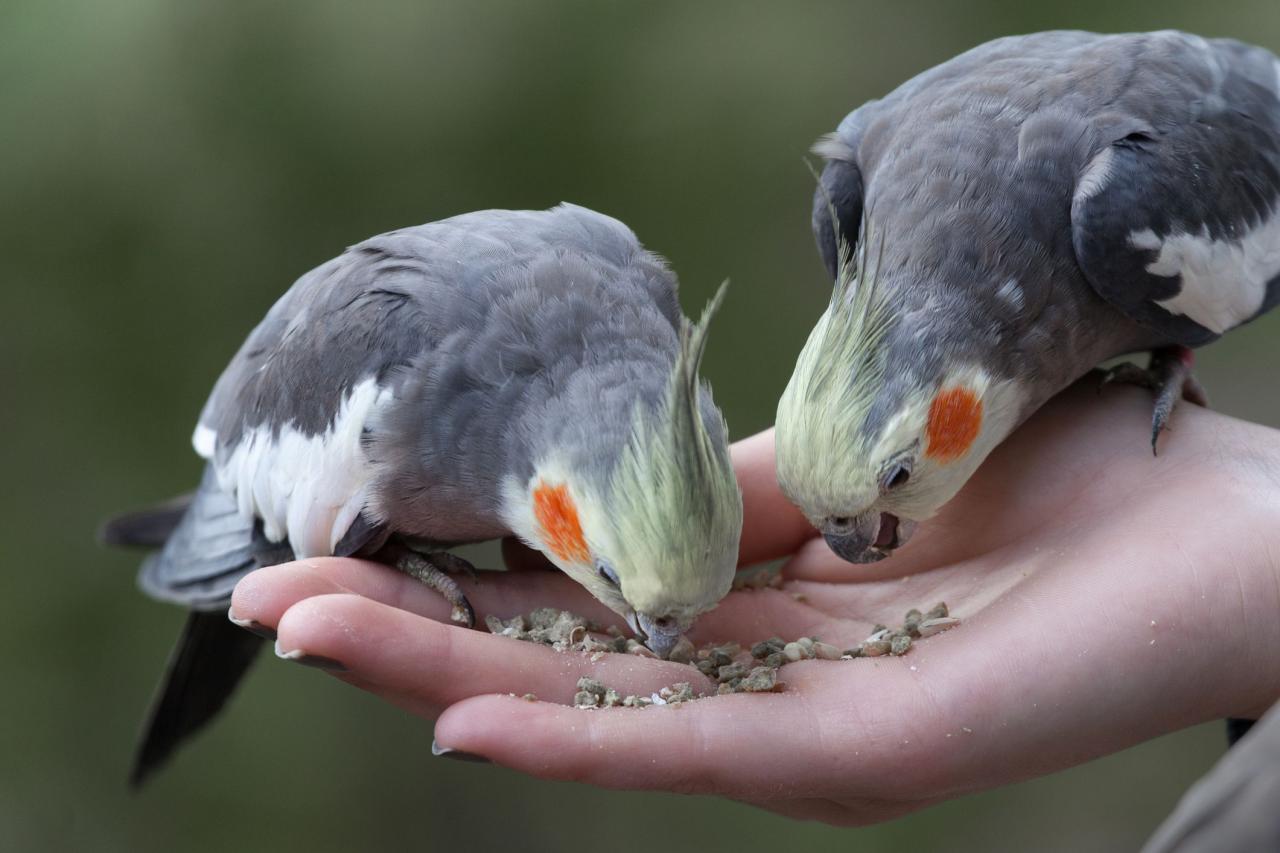
A seed-only diet, while convenient, often lacks the crucial nutrients cockatiels need to thrive. Supplemental foods provide essential vitamins, minerals, and other nutrients that enhance their overall health and well-being. This section details the importance of supplementing a seed-based diet, offers a selection of healthy supplemental foods, and explains their nutritional value and proper preparation.Supplementing a seed-based diet is vital for cockatiels’ health.
Seeds, while providing some nutrition, are often deficient in specific vitamins and minerals required for optimal growth, feather development, and overall health. Adding a variety of supplemental foods helps bridge this nutritional gap, promoting a vibrant and active lifestyle.
Importance of Supplemental Foods
A balanced diet, beyond seeds, is crucial for a cockatiel’s health and well-being. Supplemental foods provide essential nutrients that seeds often lack. This includes vitamins, minerals, and proteins, all vital for proper feather development, healthy immune systems, and strong skeletal structures.
Healthy Supplemental Foods for Cockatiels
Cockatiels benefit from a diverse range of supplemental foods, including fruits, vegetables, and other nutrient-rich items. This variety ensures a broader spectrum of essential nutrients.
- Fruits: Offer a variety of fruits like berries, melons, and apples. These provide vitamins, antioxidants, and essential minerals. Carefully supervise consumption as some fruits may contain natural sugars.
- Vegetables: Introduce a wide array of vegetables such as leafy greens, carrots, and sweet potatoes. These are rich in vitamins, minerals, and fiber. Cooked or raw vegetables can be offered, but avoid excess amounts of starchy vegetables to maintain healthy weight management.
- Protein Sources: Incorporate small amounts of cooked, lean meats (chicken, turkey) and eggs, providing essential proteins. These should be offered sparingly to prevent digestive issues.
- Commercial Pellets: Commercial cockatiel pellets provide a balanced nutritional mix. These can be used as a supplement to seeds or as a complete replacement for a seed-only diet, offering a controlled and convenient nutritional intake.
Nutritional Benefits of Supplemental Foods
Each supplemental food contributes specific nutritional advantages. For example, leafy greens are packed with vitamins A and C, while fruits offer natural sugars and antioxidants. Protein sources are vital for muscle growth and repair.
Preparing and Portioning Supplemental Foods
Proper preparation and portioning are crucial for optimal nutritional intake. Fruits and vegetables should be thoroughly washed and cut into small, manageable pieces. Introduce new foods gradually to avoid digestive upset. Portion sizes should be adjusted based on the cockatiel’s size and individual needs.
Table of Healthy Supplemental Foods and Nutritional Values
| Food | Nutritional Benefits | Preparation | Portion Size |
|---|---|---|---|
| Berries (strawberries, blueberries) | Vitamins, antioxidants, minerals | Wash and cut into small pieces | 1-2 small pieces per day |
| Carrots | Vitamins, minerals, fiber | Wash and chop into small pieces | 1-2 small pieces per day |
| Leafy Greens (spinach, kale) | Vitamins, minerals, antioxidants | Wash thoroughly and chop into small pieces | 1-2 small handfuls per day |
| Cooked Chicken (lean meat) | Protein, essential amino acids | Cook thoroughly, remove bones and skin | A small, cooked piece (1/4 inch) |
Fruits and Vegetables
A varied and nutritious diet is crucial for the well-being of cockatiels, and fruits and vegetables play a vital role in supplementing their seed-based diet. These additions provide essential vitamins, minerals, and antioxidants, which contribute to their overall health and vitality. Cockatiels naturally crave a diverse range of flavors, and introducing fruits and vegetables can enhance their enjoyment of mealtime.Fruits and vegetables offer a significant source of vitamins and minerals that are not always readily available in seed-based diets.
They also aid in maintaining a healthy digestive system and supporting immune function. Proper preparation and presentation are key to ensuring your cockatiel happily consumes these nutritional additions.
Safe Fruits and Vegetables for Cockatiels
A wide range of fruits and vegetables are suitable for cockatiels, but some are more beneficial than others. It’s essential to provide a balanced selection to meet the diverse nutritional requirements of these birds.
- Berries (strawberries, blueberries, raspberries) are excellent sources of antioxidants, vitamins, and fiber. They are generally well-received by cockatiels and offer a delightful treat.
- Citrus fruits (oranges, grapefruits) are rich in vitamin C and other essential nutrients. However, they should be offered sparingly due to their acidity. Excessive consumption might lead to digestive issues.
- Melons (watermelon, cantaloupe, honeydew) provide hydration and vitamins. These are often a popular choice for cockatiels.
- Apples, pears, and bananas offer various nutrients, but should be given in moderation. Seeds and pits should be removed to avoid choking hazards.
- Leafy greens (spinach, kale, romaine lettuce) provide vitamins and minerals. These should be introduced gradually, as some cockatiels may not readily accept them.
- Carrots, sweet potatoes, and bell peppers are good sources of vitamins, minerals, and fiber. They are generally well-received by cockatiels.
Preparation and Presentation
Proper preparation is vital for ensuring your cockatiel enjoys the fruits and vegetables. Always wash them thoroughly to remove any pesticides or contaminants. Cut fruits and vegetables into small, manageable pieces to prevent choking hazards. Offer fresh, uncooked foods only.
Nutritional Benefits of Specific Fruits and Vegetables
Specific fruits and vegetables contribute unique nutritional benefits to a cockatiel’s diet. Strawberries, for example, are high in vitamin C, while carrots provide beta-carotene, which converts to vitamin A in the body. Understanding these benefits can help you create a well-rounded diet for your feathered friend.
Safe Fruits and Vegetables for Cockatiels
| Fruit/Vegetable | Preparation Tips | Nutritional Highlights |
|---|---|---|
| Strawberries | Wash thoroughly, cut into small pieces. | High in vitamin C, antioxidants. |
| Blueberries | Wash thoroughly, offer whole or in small pieces. | Excellent source of antioxidants, vitamins. |
| Carrots | Wash thoroughly, cut into small, thin sticks. | Good source of beta-carotene (converted to vitamin A). |
| Spinach | Wash thoroughly, cut into small pieces. | Rich in vitamins and minerals. |
| Apples | Wash thoroughly, core and remove seeds, cut into small pieces. | Source of fiber, vitamins. |
| Watermelon | Wash thoroughly, cut into small, manageable cubes. | High in water content, vitamins. |
Protein Sources
A balanced cockatiel diet requires a sufficient amount of protein for healthy growth, feather maintenance, and overall well-being. Protein plays a crucial role in building and repairing tissues, producing enzymes and hormones, and supporting the immune system. Providing appropriate protein sources is essential for ensuring a thriving cockatiel.
Importance of Protein in Cockatiel Diets
Protein is fundamental for a cockatiel’s development and health. It’s essential for building and repairing tissues, creating enzymes and hormones, and bolstering the immune system. Adequate protein intake supports healthy growth, strong feathers, and a robust immune response. A deficiency can lead to various health issues, including stunted growth, weakened feathers, and susceptibility to illnesses.
Safe and Healthy Protein Sources
A variety of safe and healthy protein sources can be incorporated into a cockatiel’s diet. These options offer essential amino acids vital for their well-being. Careful selection and preparation are key to ensuring their safety and nutritional value.
- Cooked, plain eggs: Eggs provide a complete protein source, offering a good mix of essential amino acids. The yolks are particularly rich in nutrients. Carefully remove any shell fragments.
- Plain cooked chicken or turkey breast: Lean poultry meat is a superb protein source, but should be offered in small, bite-sized pieces. Avoid any seasoning or spices.
- Hard-boiled egg: A protein-rich treat. Ensure the egg is fully cooked and free of shell fragments before offering it to your cockatiel.
- Small amounts of cooked, plain fish: Fish, like cooked salmon or tuna, can provide additional nutrients. However, offer only in small quantities. Remove any bones or scales.
- Mealworms: These are a fantastic, high-protein treat. Ensure they are free of any pesticides or chemicals.
Preparation of Protein Sources
Proper preparation of protein sources is crucial to ensure safety and digestibility.
- Cooked Meats: Cook meat thoroughly, ensuring no raw meat is present. Cut into very small, easily digestible pieces.
- Eggs: Hard-boil eggs until the yolk and white are fully set.
- Mealworms: Mealworms should be offered as a whole, without any processing. They do not require preparation.
Potential Risks of Feeding Certain Proteins
Certain protein sources can pose risks if not handled properly. Some proteins can be harmful or indigestible for cockatiels. It is important to exercise caution and avoid potential risks.
- Raw meat: Raw meat may contain harmful bacteria or parasites, posing a risk to your cockatiel’s health.
- Meat with seasonings or spices: Seasonings or spices can be toxic to cockatiels.
- Large quantities of any protein: Even safe proteins can cause digestive upset if fed in excess.
- Bones: Small bones, particularly from fish or poultry, should be removed to prevent choking hazards.
Safe Protein Sources Table
| Protein Source | Preparation Method | Nutritional Value |
|---|---|---|
| Cooked Chicken Breast | Cook thoroughly, cut into small pieces | Excellent source of lean protein and essential amino acids. |
| Hard-boiled Egg | Hard-boil until fully cooked, remove shell | Complete protein source, rich in essential nutrients. |
| Mealworms | No preparation needed, ensure pest-free | High protein content, good source of calcium and other nutrients. |
| Cooked Salmon | Cook thoroughly, remove bones and scales | Provides protein, healthy fats, and essential vitamins and minerals. |
Important Considerations

Providing a healthy and balanced diet for your cockatiel goes beyond simply offering food. Careful attention to various factors, including water access, food storage, and monitoring eating habits, is crucial for their well-being. Understanding these considerations ensures your feathered friend receives optimal nutrition and enjoys a long, happy life.Proper care extends beyond the initial feeding routine. It encompasses proactive measures to prevent issues like malnutrition, illness, and potential health complications stemming from poor dietary practices.
A well-informed owner actively addresses these considerations to maintain their cockatiel’s health and vitality.
Fresh Water Access
Maintaining a constant supply of fresh, clean water is paramount. Cockatiels require consistent hydration for their bodily functions, particularly digestion and regulating body temperature. A shallow dish, easily accessible and replaced daily, is essential. The water should be changed daily to prevent bacterial growth and maintain optimal hygiene. This regular replacement is crucial to avoid health issues related to contaminated water.
Proper Food Storage
Proper storage of cockatiel food is vital to prevent spoilage and maintain nutritional value. Seeds, especially, can quickly become rancid or attract pests if not stored correctly. Use airtight containers to prevent moisture buildup and insect infestation. Store in a cool, dry place away from direct sunlight. Proper storage significantly extends the shelf life of the food and ensures the nutrients remain intact.
Avoiding Food Waste
Preventing food waste is a key aspect of responsible cockatiel care. Cockatiels may not consume everything offered, especially if they have a varied diet. Observe what your cockatiel enjoys and remove uneaten portions to avoid spoilage and potential health risks. Regularly clean the feeding area to prevent mold growth and maintain hygiene. This practice not only helps prevent waste but also promotes a clean and healthy environment for your cockatiel.
Observing Cockatiel Eating Habits
Regularly observing your cockatiel’s eating habits is crucial to understand their preferences and nutritional needs. Pay attention to how much they eat, what they choose to consume, and any signs of discomfort or changes in appetite. A cockatiel’s eating habits can provide valuable insights into their overall health and nutritional requirements. This observation can identify potential health issues early on.
Monitoring Food Consumption and Adjusting the Diet
Monitoring your cockatiel’s food consumption allows for necessary adjustments to their diet. Keep a record of their eating habits, noting any changes in appetite or preferences. Adjust the proportions of different food types based on your cockatiel’s intake and needs. If you notice a consistent preference for certain foods, it could be a sign of a deficiency or imbalance.
This monitoring allows you to adapt the diet to meet the cockatiel’s specific needs and ensure they are getting the right balance of nutrients.
Troubleshooting Feeding Issues
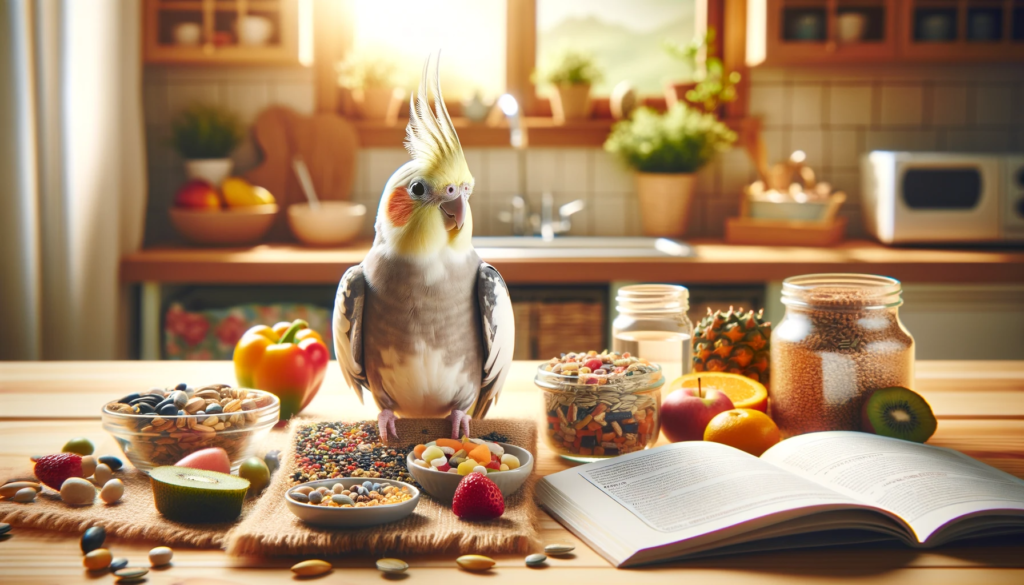
Cockatiels, like all pets, can exhibit feeding behaviors that deviate from the norm. Understanding these issues and their potential causes is crucial for ensuring the bird’s health and well-being. Addressing these problems promptly and appropriately is vital for maintaining a healthy and happy cockatiel.
Common Feeding Problems in Cockatiels
Cockatiels, with their varied personalities, may display different feeding behaviors. These behaviors can range from a reluctance to eat certain foods to excessive consumption. Recognizing these patterns can help owners identify potential issues early. A thorough understanding of typical cockatiel feeding habits is essential.
Addressing Picky Eating Habits
Picky eating in cockatiels can stem from various factors. A gradual introduction of new foods, coupled with positive reinforcement, can often overcome this issue. Offering a variety of textures and flavors is essential for maintaining a balanced diet.
- Introduce new foods gradually. Start by mixing a small amount of the new food with their current favorite food. Gradually increase the proportion of the new food over several days or weeks.
- Provide a diverse selection of foods. Offer a wide range of fruits, vegetables, and protein sources to pique their interest. Experiment with different shapes, sizes, and colors of food items.
- Ensure fresh water is readily available. Clean, fresh water is crucial for a cockatiel’s overall health. If water is not readily available or is stale, the bird may be less inclined to eat.
- Create a stimulating environment. A bird that is bored may not be as interested in food. Provide toys, branches, and other stimulating objects to keep them engaged.
Dealing with Overeating or Undereating
Overeating or undereating can be a significant concern for cockatiel owners. These issues may arise from a variety of causes, including nutritional deficiencies, stress, or underlying health problems. Monitoring the cockatiel’s weight and observing its overall behavior is essential for timely intervention.
- Overeating can lead to obesity. Monitor the bird’s weight regularly and adjust portions as needed to maintain a healthy weight. Consult a veterinarian for appropriate dietary adjustments.
- Undereating can be a symptom of underlying health problems. Consult a veterinarian if the cockatiel shows a consistent loss of appetite or if other health issues are present.
- Stress can affect a cockatiel’s appetite. Ensure a calm and quiet environment for the bird to minimize stress-related appetite changes.
Potential Health Issues Related to Poor Nutrition
Nutritional deficiencies can lead to a variety of health problems in cockatiels. Symptoms can range from lethargy to feather problems, and even more serious issues. Regular veterinary check-ups are important for monitoring the bird’s overall health.
- Vitamin deficiencies can manifest as feather loss, dull plumage, and weakened immune systems. Ensuring a balanced diet rich in vitamins and minerals is crucial.
- Protein deficiencies can lead to poor feather growth and weakened muscles. Include a variety of protein sources in the cockatiel’s diet.
- Inadequate calcium intake can result in skeletal problems. Ensure a diet that includes appropriate calcium-rich foods or supplements.
Common Feeding Problems, Causes, and Solutions
| Feeding Problem | Potential Causes | Suggested Solutions |
|---|---|---|
| Picky eating | Boredom, lack of variety, poor quality food, illness | Introduce new foods gradually, offer a diverse range of foods, ensure fresh water, provide stimulating environment |
| Overeating | Obesity, insufficient exercise, lack of attention | Monitor weight, adjust portions, increase exercise opportunities, ensure a balanced diet |
| Undereating | Stress, illness, nutritional deficiency | Consult a veterinarian, ensure a calm environment, provide balanced nutrition, observe for other symptoms |
Dietary Changes
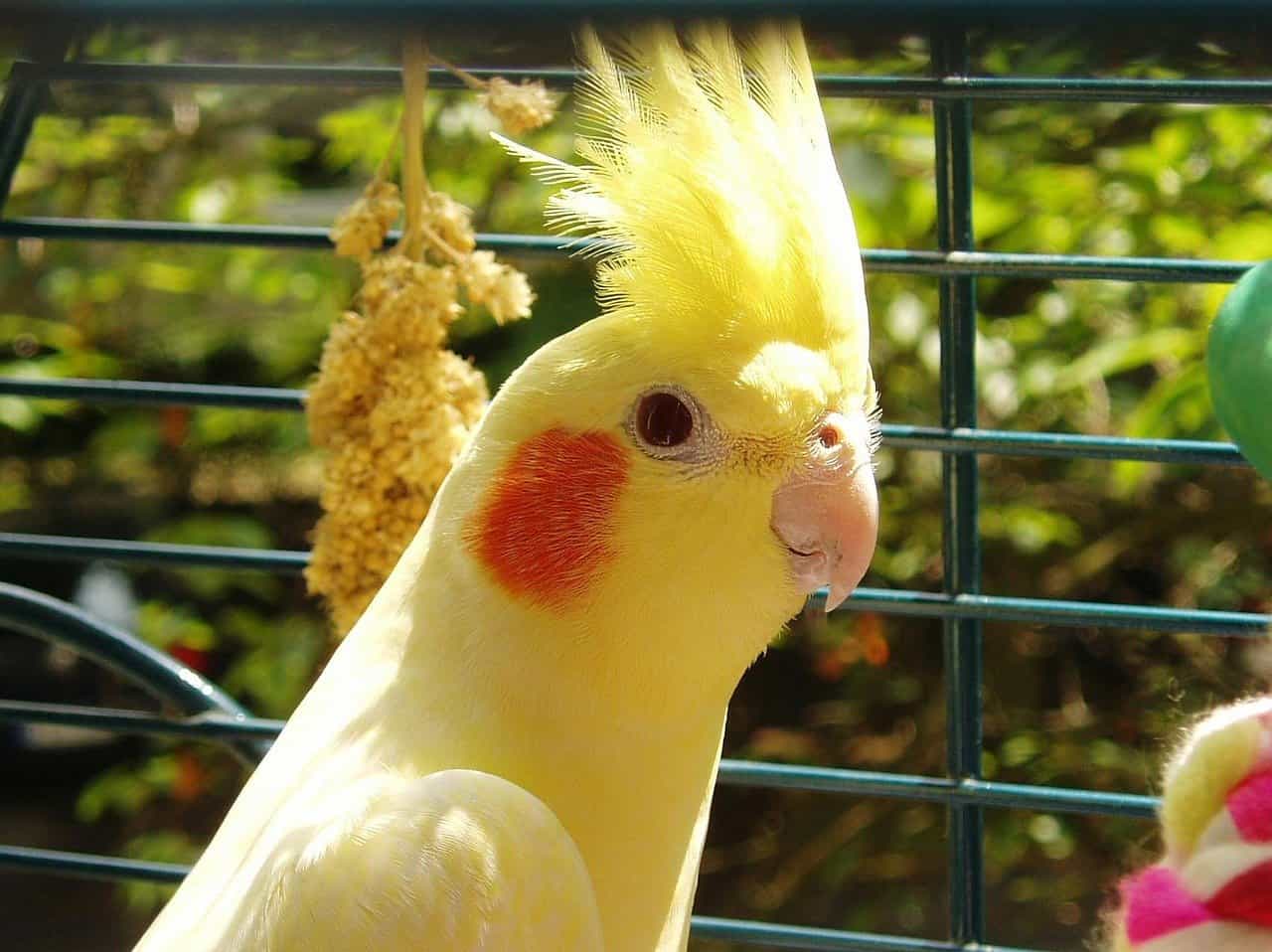
Introducing new foods to a cockatiel’s diet should be done gradually and cautiously to minimize the risk of digestive upset. Sudden changes can lead to various health problems, highlighting the importance of a slow and measured transition. This approach allows the cockatiel’s digestive system to adjust to the new food, preventing potential discomfort or illness.Gradual dietary changes are essential for the health and well-being of cockatiels.
Sudden shifts in diet can trigger digestive issues, such as diarrhea, vomiting, or loss of appetite. A slow and controlled introduction of new foods allows the cockatiel’s gut bacteria to adapt and minimizes the chance of these adverse reactions. This approach is vital for maintaining their overall health and ensuring a smooth transition.
Gradual Introduction of New Foods
A gradual introduction of new foods is crucial to avoid digestive distress. Cockatiels possess sensitive digestive systems, making them susceptible to upsets if exposed to abrupt dietary changes. A gradual transition provides time for their digestive system to adjust and prevents potential health complications.
Importance of Gradual Dietary Changes
Sudden dietary changes can disrupt the delicate balance of the cockatiel’s digestive system. This disruption can lead to various digestive problems, including diarrhea, vomiting, or reduced appetite. A gradual transition allows the cockatiel’s gut flora to adapt to the new food, minimizing these risks and promoting overall digestive health. For example, if a cockatiel is used to a seed-based diet and you want to introduce vegetables, you should start by adding a small portion of finely chopped vegetables to their regular food.
Over time, gradually increase the amount of vegetables while decreasing the amount of seeds.
Guide for Introducing New Foods
A structured approach to introducing new foods can minimize the risk of digestive upset. The following step-by-step guide provides a systematic method for introducing new foods to your cockatiel’s diet.
| Step | Action | Duration | Monitoring Points |
|---|---|---|---|
| 1 | Introduce a tiny amount (1-2 small pieces) of the new food with the existing diet. | 1-2 days | Observe for any signs of discomfort (diarrhea, vomiting, decreased appetite). |
| 2 | Gradually increase the amount of the new food while decreasing the amount of the old food. | 1-2 weeks | Continue monitoring for any signs of digestive distress. |
| 3 | Once the cockatiel has adjusted to the new food, replace the old food completely with the new food. | 1-2 weeks | If any digestive issues arise, return to the previous diet gradually. |
Monitoring Cockatiel Responses
Regular observation of the cockatiel’s behavior is essential when introducing new foods. Pay close attention to any changes in their eating habits, droppings, and overall activity levels. This proactive monitoring allows for early identification of potential problems. For instance, if you notice diarrhea or vomiting, reduce the amount of the new food or temporarily revert to the previous diet.
Special Dietary Needs
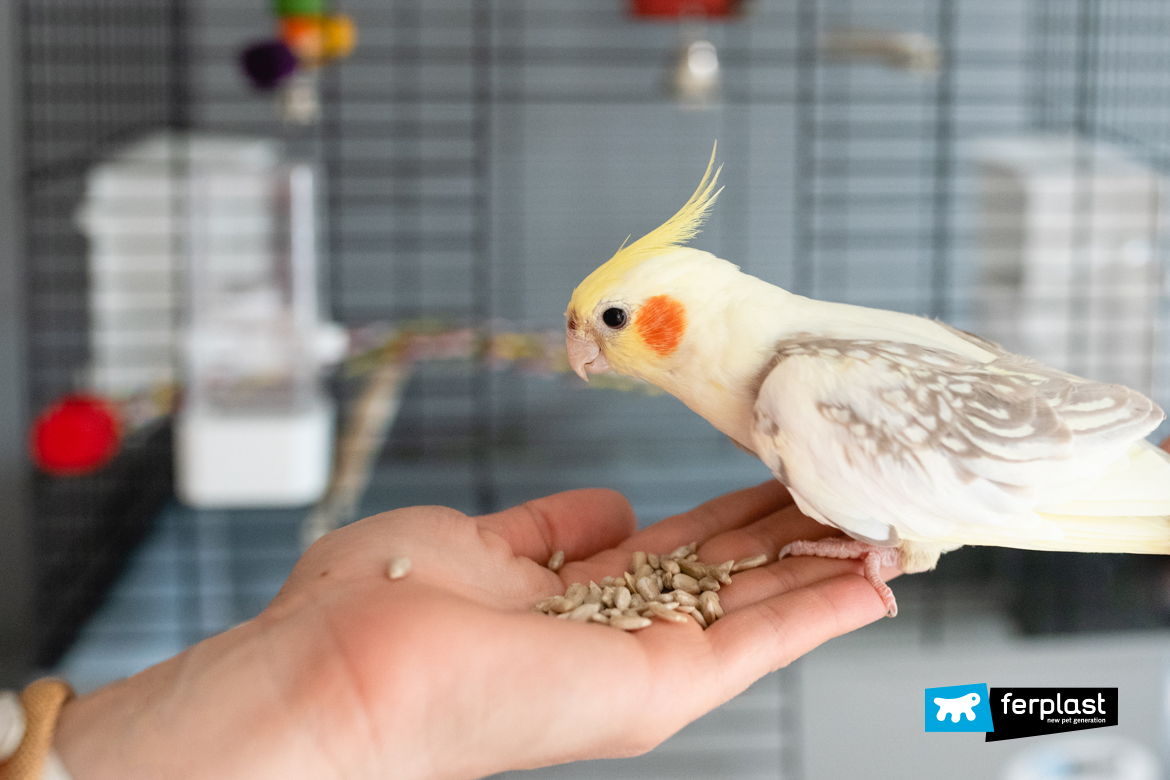
Cockatiels, like all pets, can experience health conditions that necessitate adjustments to their diets. Understanding these needs allows owners to provide the best possible nutrition for their feathered companions, ensuring their well-being and promoting recovery. Proper dietary management plays a crucial role in supporting their overall health and preventing complications.Specific health conditions can alter a cockatiel’s nutritional requirements, sometimes demanding a significant shift from their typical diet.
Tailoring the diet to these unique needs is essential for optimal recovery and long-term health. Furthermore, different age groups also present varying nutritional demands. Understanding these age-related changes is vital for ensuring proper nourishment throughout their lifespan.
Dietary Considerations for Sick or Injured Cockatiels
Sick or injured cockatiels often require a highly digestible and nutrient-rich diet. This may involve specialized formulas or modified versions of their usual food, focusing on easily absorbed nutrients. This specialized diet should be formulated with the assistance of an avian veterinarian, who can assess the specific needs of the individual bird and provide tailored recommendations.
Adjusting Diets for Specific Health Conditions
Cockatiels with certain health issues may require adjustments to their dietary intake. For instance, birds with digestive problems might benefit from a diet lower in fiber and higher in easily digestible protein sources. Similarly, those with respiratory issues might need a diet that supports lung function and provides ample hydration. The specific adjustments should be guided by a veterinarian’s recommendations.
Feeding Cockatiels with Special Needs
Ensuring the correct amount of nutrients is paramount for cockatiels with special needs. Consult an avian veterinarian to determine the specific nutritional requirements and appropriate portions. Carefully monitor their eating habits and adjust the diet as needed based on their progress.
Nutritional Requirements for Different Age Groups
Young cockatiels have unique nutritional needs compared to adults or older birds. Growing cockatiels require a higher concentration of protein and essential vitamins and minerals to support their development. Older cockatiels may have different metabolic rates, potentially requiring adjustments to their caloric intake. Likewise, breeding cockatiels have additional nutritional demands to support egg production. This is crucial to their reproductive success and overall well-being.
Dietary Adjustments for Various Health Conditions and Age Groups
| Health Condition/Age Group | Dietary Adjustments |
|---|---|
| Young Cockatiels (under 1 year) | Higher protein, essential vitamins and minerals, smaller portions, frequent feedings. |
| Adult Cockatiels (1-5 years) | Balanced diet, appropriate portion sizes, varied foods. |
| Older Cockatiels (over 5 years) | Lower caloric intake, increased calcium, potential adjustments to fiber content based on individual needs. |
| Sick/Injured Cockatiels | Highly digestible foods, specialized formulas, smaller portions, frequent feedings, veterinarian-prescribed diet. |
| Breeding Cockatiels | Increased protein, calcium, vitamins, and minerals, possibly supplemental vitamin and mineral supplements. |
| Digestive Issues | Reduced fiber, increased easily digestible protein, veterinarian-recommended diet. |
| Respiratory Issues | Increased hydration, easily digestible foods, foods promoting lung health. |
| Feather Plucking | Diet rich in essential nutrients, possible addition of supplements, stress reduction measures. |
Closing Summary
In conclusion, providing a balanced and varied diet is paramount for a cockatiel’s overall health and happiness. This guide has explored the essentials of seed-based diets, supplemental foods, fruits, vegetables, and proteins, alongside crucial considerations like fresh water, food storage, and monitoring eating habits. Remember to adjust diets as needed based on your cockatiel’s individual needs and health conditions, and always consult with a veterinarian if you have concerns.