Ensuring the safety and well-being of birds living alongside other pets requires careful consideration of various factors. This comprehensive guide delves into crucial aspects of species compatibility, housing, supervision, and training to establish a harmonious coexistence. Understanding the nuances of each species and their interactions is key to preventing potential harm and fostering a safe environment for all.
This guide provides a structured approach to preventing conflicts between birds and other pets, encompassing a range of strategies from housing modifications to training techniques and emergency preparedness. By addressing the potential risks and implementing preventative measures, pet owners can safeguard their feathered companions.
Bird Species and Pet Compatibility
Understanding the potential risks associated with keeping birds and other pets together is crucial for ensuring the safety and well-being of all animals involved. Different bird species exhibit varying levels of vulnerability to predation or stress from other pets, influenced by factors such as size, temperament, and physical characteristics. This section explores these relationships in detail, providing insights into potential compatibility issues.The interaction between birds and other pets can range from harmless coexistence to serious harm, depending on the specific species involved and the environment they share.
Proper understanding of these interactions can help prevent injury or stress to the birds.
Pet Type and Bird Species Vulnerability
Various pet types can pose different risks to different bird species. Careful consideration of these factors can help prevent potential conflicts and ensure the safety of all animals.
| Pet Type | Bird Species | Potential Risks |
|---|---|---|
| Cats | Small songbirds, parrots, finches | Predation, stress, injury from chasing or play |
| Dogs | Small birds, especially those kept in aviaries | Predation, stress, accidental injury from bumping or knocking over cages |
| Hamsters, Rabbits, Ferrets | Small, easily accessible birds | Predation, stress, injury |
| Reptiles (snakes, lizards) | Small birds, especially those kept in terrariums | Predation, stress, accidental injury |
| Other birds (different species) | Small birds, especially if the other birds are larger or more aggressive | Aggression, displacement, competition for resources |
Behavioral Differences Affecting Vulnerability
Birds exhibit diverse behaviors that influence their susceptibility to other pets. Understanding these differences is crucial for preventing conflicts.
- Species-Specific Aggression: Some bird species are naturally more aggressive than others. For example, certain parrot species might be more prone to defending their territory or resources, making them more susceptible to conflict with other pets.
- Social Structure: Birds that live in flocks may be more stressed or vulnerable when housed with other pets. They may experience increased anxiety, impacting their overall health and well-being.
- Hunting Instincts: Birds with strong hunting instincts, such as raptors, are more likely to prey on smaller birds. The presence of smaller birds may trigger these hunting instincts in a predator, even if the predator is not a natural predator.
- Foraging Behaviors: Certain birds have behaviors like constant foraging, which can put them at risk if other pets try to hunt them. The level of activity can affect the vulnerability to predation.
Physical Characteristics Affecting Susceptibility
The physical characteristics of bird species significantly influence their susceptibility to harm from other pets.
- Size and Build: Smaller birds are often more vulnerable to predation by larger pets. The size disparity between the pet and the bird directly affects the likelihood of injury.
- Flight Abilities: Birds with limited flight abilities or those that are easily caught on the ground are at higher risk of injury or predation from other pets.
- Color and Patterns: Some studies suggest that color and pattern might influence the predatory behavior of cats. However, this aspect requires more research.
- Feather Length and Texture: The density and length of feathers can influence the bird’s ability to evade predators. Birds with shorter, less dense feathers might be more vulnerable to scratches and bites.
Size and Temperament Impacting Interactions
The size and temperament of both the bird and the pet significantly impact their interaction.
- Size Discrepancy: A large dog and a small bird present a clear size disparity, increasing the risk of the dog accidentally harming the bird. The larger the size difference, the greater the potential for harm.
- Pet Temperament: A highly active and energetic pet may unintentionally injure a bird through rough play or accidental collisions. The pet’s temperament plays a key role in the outcome of their interactions.
- Bird Temperament: Some birds are more timid or fearful, making them more susceptible to stress and injury from interactions with other pets. Their personality and behavior are crucial factors to consider.
Housing and Containment Strategies

Securing bird habitats from other pets is crucial for the well-being and safety of the avian residents. Proper housing and containment strategies are paramount in preventing accidents, injuries, and stress caused by interactions with other animals in the household. Careful consideration of cage design, placement, and environmental factors around the enclosure are essential elements in creating a safe haven for birds.Effective bird housing goes beyond simply providing a cage.
It encompasses the entire environment surrounding the bird’s enclosure. This includes considerations for the cage itself, the space around it, and the overall household dynamic. A well-structured approach to housing ensures the bird’s safety and comfort, promoting a healthy and thriving environment.
Cage Security Measures
Various methods can be employed to enhance the security of bird cages and habitats. These measures include utilizing sturdy materials, reinforcement of the cage structure, and preventing access points for other pets. Proper locking mechanisms and cage design are vital in safeguarding birds from potential hazards.
- Reinforced Cages: Strengthening the cage structure, particularly the wire mesh, can deter climbing or chewing attempts by inquisitive pets. Adding additional support bars or metal reinforcements to the cage base and sides can significantly increase the cage’s stability and prevent accidental tipping or damage.
- Secure Door Mechanisms: Employing strong, reliable locking mechanisms on the cage door is critical. Avoid flimsy or easily manipulated latches, as these may not adequately prevent access. Consider self-closing doors or latches with strong spring mechanisms for added security.
- Specialized Cage Types: Certain cage designs offer inherent security advantages. For example, glass-fronted cages may offer better protection from cats or dogs that might try to reach in. However, the size and weight of the cage must be taken into account.
Cage Type Comparison
The effectiveness of different cage types in deterring pet access varies based on the pet’s characteristics and the cage’s design.
| Cage Type | Effectiveness against Cats | Effectiveness against Dogs | Effectiveness against Other Pets (e.g., Ferrets, Rabbits) |
|---|---|---|---|
| Wire Cages (Standard) | Moderate (Cats can still climb or jump) | Low (Dogs can easily access birds in wire cages) | Moderate to Low (Depends on pet’s size and agility) |
| Glass Cages | High (Difficult for cats to access) | Moderate (Dogs might still be able to jump or knock over) | Moderate (Dependent on pet’s size and potential to jump) |
| Solid-Front Cages | High (Total enclosure, no access points) | High (Total enclosure, no access points) | High (Total enclosure, no access points) |
Cage Placement and Environmental Considerations
Strategic placement of the bird cage is essential for minimizing predation risk. Avoiding areas where pets have easy access or frequent movement is critical.
- Elevated Placement: Positioning the cage on elevated surfaces, such as tables or stands, can deter pets that may try to reach the bird from the floor or ground level.
- Secure Location: Placing the cage in a location that is not easily accessible by other pets, such as a corner or an area with limited movement, will significantly reduce the risk of predation.
- Surrounding Environment: Assessing the environment around the cage is crucial. Remove any objects or obstacles that could aid pets in accessing the cage. Secure the cage’s immediate surroundings to prevent climbing or other means of access.
Enclosures and Safe Zones
Different types of bird enclosures have varying degrees of suitability for preventing pet access.
- Large Aviaries: Large aviaries, often used for larger bird species, offer greater protection if they are properly secured and enclosed with appropriate materials and locking mechanisms.
- Outdoor Habitats: If birds have outdoor habitats, ensuring secure fencing and barriers around the enclosure is crucial to prevent predation from neighborhood animals or wild predators.
- Indoor Habitats: Indoor habitats should be strategically placed to minimize access from other pets and offer ample space and security for the birds.
Supervision and Interaction Protocols
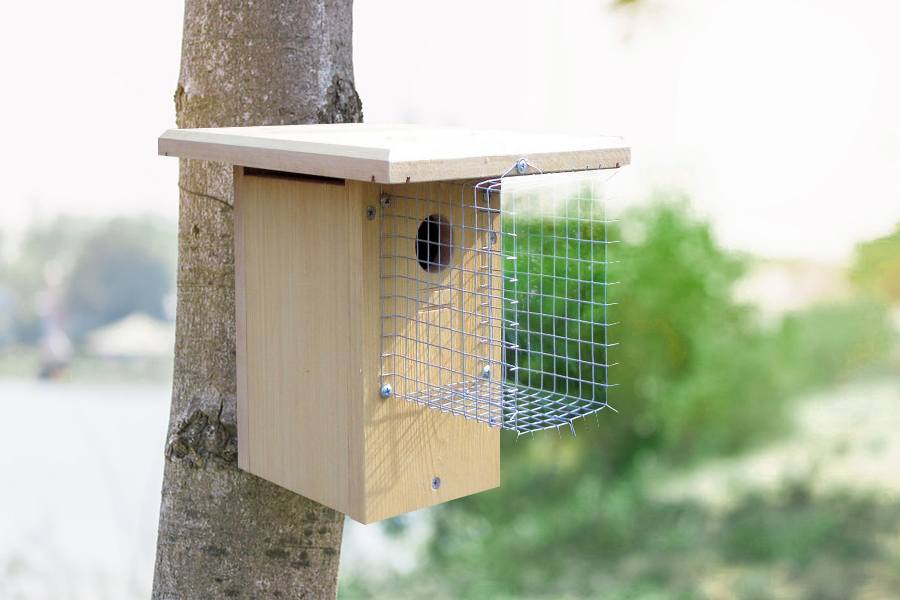
Ensuring the safety and well-being of birds and other pets in a shared environment requires meticulous attention to detail and consistent monitoring. Proper supervision and interaction protocols are paramount to preventing conflicts and ensuring the comfort of all animals. Establishing clear boundaries and predictable interactions minimizes stress and fosters positive relationships.Careful observation and proactive measures can help anticipate potential issues and mitigate risks, promoting harmonious coexistence.
A proactive approach is crucial in preventing accidents or injuries, ensuring both the birds and pets thrive in their shared environment.
Importance of Constant Supervision
Constant supervision is essential when birds and other pets are in the same space. Birds, particularly small species, are vulnerable to predation or accidental injury from larger animals. Without vigilance, even seemingly harmless interactions can escalate quickly into harmful situations. For example, a playful nip from a dog could cause significant harm to a small bird. A lack of supervision can result in injury or even death to the bird, highlighting the critical need for constant monitoring.
Strategies for Monitoring Interactions
Monitoring interactions between birds and pets requires a proactive and observant approach. Observe the animals’ body language for any signs of stress or aggression. A bird exhibiting ruffled feathers, rapid wing flapping, or hiding behavior may indicate fear or discomfort. Similarly, a dog or cat displaying intense staring, growling, or snapping may indicate aggressive intentions. Regular observation helps to identify and address potential conflicts before they escalate.
Methods for Deterrents
Several strategies can deter pets from approaching bird enclosures. Physical barriers, such as tall fences or wire mesh, can create a clear boundary. These barriers prevent direct contact between the birds and pets, which significantly reduces the likelihood of conflicts. Sound deterrents, such as ultrasonic devices, can also be used to discourage pets from approaching the enclosure.
Moreover, consider using scents or sprays that deter pets from specific areas around the enclosure. These methods provide a safe zone for the birds and limit the risk of unwanted interactions.
Managing Interactions
The following list provides specific strategies for managing interactions between birds and pets:
- Maintain a clear separation between bird enclosures and pet areas, employing physical barriers like gates, fences, or sturdy dividers.
- Supervise interactions closely, paying attention to the animals’ body language for signs of stress or aggression. A swift intervention can prevent escalation.
- If a pet displays aggressive behavior, promptly separate the animals. This helps prevent injuries and establishes boundaries.
- Introduce pets to bird enclosures gradually and cautiously. Start with short, supervised visits and gradually increase the duration as both animals become accustomed to each other’s presence.
- Always supervise pets during interactions with birds to ensure their safety and well-being.
Safe Handling of Birds in Presence of Pets
Handling birds in the presence of other pets requires careful consideration and planning. Always keep the bird securely confined in a cage or carrier. If necessary, use a protective barrier or enclosure to prevent pets from reaching the bird during handling. Maintain a calm and controlled demeanor, and handle the bird gently and securely. Ensure the pet is leashed or contained to prevent sudden approaches or unintended interactions.
Consider the potential reactions of the pet, and act accordingly to maintain safety for all involved.
Pet Training and Behavior Modification
Proper training and behavior modification are crucial for ensuring the safety and well-being of both birds and pets. A well-trained pet is less likely to exhibit predatory behavior, reducing the risk of injury or stress for the avian companions. This approach focuses on positive reinforcement, redirecting attention, and creating a harmonious living environment for all.Effective training methods for pets, combined with appropriate housing and supervision, create a secure environment for birds.
These techniques, implemented consistently, can significantly reduce the likelihood of unwanted interactions.
Training Techniques for Discouraging Predatory Behavior
Training programs for pets should focus on establishing clear boundaries and rewarding desired behaviors. This includes teaching the pet to associate birds with a neutral or positive stimulus, rather than a threat. This can involve creating a mental link in the pet’s mind that birds are not a target, but rather something that should be ignored.
Methods for Redirecting Attention Away from Birds
Redirecting a pet’s attention away from birds is an essential aspect of preventative measures. This can be accomplished through engaging activities that provide an alternative focus for the pet’s energy and natural instincts. Toys and games, designed to mimic hunting or foraging behaviors, can effectively redirect the pet’s attention to more appropriate activities. This helps to satisfy the pet’s natural instincts in a safe and controlled manner.
Furthermore, a stimulating environment enriched with interactive toys can contribute to a well-adjusted pet.
Positive Reinforcement for Modifying Pet Behavior
Positive reinforcement is a cornerstone of effective pet training. This involves rewarding desired behaviors with positive reinforcement, such as treats, praise, or play. By associating the act of ignoring or leaving birds alone with positive reinforcement, pets learn that this behavior is desirable. Avoidance of punishment is crucial, as it can create anxiety and may not always lead to desired behavioral changes.
Examples of Successful Pet Training Programs
Several successful programs demonstrate the effectiveness of positive reinforcement techniques. One example involves using high-value treats and praise to reward a dog’s calm behavior around caged birds. Another example involves training cats to use interactive toys instead of pursuing birds. The key to success lies in consistency and patience. Gradually, pets learn to associate birds with a neutral response, and predatory behavior diminishes.
Table of Pet Training Methods and Effectiveness
| Training Method | Effectiveness in Preventing Bird Predation | Explanation |
|---|---|---|
| Positive Reinforcement (Treats, Praise, Toys) | High | Reinforces desired behaviors like ignoring birds, redirecting attention. |
| Classical Conditioning (Associating birds with a neutral stimulus) | Moderate to High | Gradually associating birds with a positive or neutral stimulus, such as a treat or a command. |
| Desensitization and Counter-Conditioning | High | Gradually exposing the pet to birds in controlled environments, pairing the bird’s presence with positive reinforcement. |
| Punishment (e.g., shock collars) | Low | Often ineffective and can lead to fear and anxiety. |
Environmental Modifications and Enrichment
Creating a safe and stimulating environment is crucial for both the well-being of the bird and the safety of other pets. Proper environmental modifications can significantly reduce the risk of predation by other animals while simultaneously fostering a positive and enriching experience for the bird. This involves designing a space that caters to the bird’s natural instincts and needs, minimizing potential hazards, and providing ample opportunities for mental and physical stimulation.Environmental modifications play a vital role in reducing the risk of predation by other pets.
By altering the bird’s environment, owners can create a space that is less attractive to predators and more conducive to the bird’s safety and well-being. A well-designed enclosure and surrounding area can help deter pets from approaching or attempting to interact with the bird.
Minimizing Predation Risk
A bird’s enclosure should be designed to prevent easy access from other pets. Secure placement and appropriate cage construction are essential. High-quality, well-fitted wire or solid-wall cages, positioned away from areas where other pets frequent, can significantly minimize the risk of predation. Consider using multiple layers of wire or specialized locking mechanisms to reinforce the cage’s security.
Furthermore, covering windows and ensuring the bird’s cage is not placed near windows or other potential entry points for other pets will limit their access. This proactive approach can significantly improve the bird’s safety and well-being.
Enrichment Activities for Birds
Providing appropriate enrichment activities is essential for a bird’s overall well-being. Boredom and lack of stimulation can lead to stress and anxiety, making birds more vulnerable to undesirable behaviors, including attempting to escape their enclosure. A bird that is engaged and entertained is less likely to become a target for other pets.
Bird Enrichment Activities
- Foraging Opportunities: Providing foraging toys and puzzle feeders encourages natural foraging behaviors. These toys can be designed to dispense food gradually, requiring the bird to work for its meal, keeping it engaged and stimulated. This is a great way to enhance a bird’s natural instincts and reduce boredom.
- Climbing Structures: Incorporating climbing structures and perches within the enclosure replicates natural behaviors. This provides opportunities for exercise and allows the bird to explore its environment in a more natural way, promoting physical and mental well-being.
- Interactive Toys: Offering interactive toys, such as bells, mirrors, or dangling objects, can capture a bird’s attention and encourage exploration. These toys provide visual and auditory stimulation, keeping the bird engaged and preventing boredom.
- Sensory Stimulation: Introducing various sensory elements like different textures and materials, such as textured branches, wooden blocks, or soft fabrics, can provide further enrichment. This caters to the bird’s natural curiosity and encourages exploration. Variety is key to maintaining interest and preventing boredom.
Creating a Stimulating Environment
A stimulating environment for birds can be created by considering their natural behaviors and needs. It’s essential to create a space that mimics their natural habitat as closely as possible. This includes incorporating elements that encourage exploration, foraging, and play.
Visual and Auditory Distractions
Using visual and auditory distractions can deter pets from focusing on birds. This can be achieved through strategically placed objects or sounds that divert the pet’s attention away from the bird.
- Visual Distractions: Strategic placement of mirrors, brightly colored objects, or toys can divert the attention of other pets. These visual stimuli can be particularly effective in keeping the pet engaged and preventing them from focusing on the bird.
- Auditory Distractions: Playing calming music or nature sounds can help create a more distracting environment for the other pet. These auditory stimuli can be particularly useful in creating a calming atmosphere and deterring the pet from interacting with the bird.
Emergency Preparedness and Safety Measures
Protecting birds from pet-related dangers requires proactive measures and a clear understanding of potential emergencies. A well-prepared owner can minimize the risk of harm to avian companions. This section Artikels crucial steps to ensure the safety of birds and their well-being when unexpected situations arise.
Pet Attack Response Protocol
Swift action is paramount when a pet attacks a bird. Understanding the immediate steps to take can significantly impact the bird’s recovery. Following a structured approach minimizes stress and maximizes the chance of a positive outcome.
- Immediate Separation: Immediately separate the pet and bird. Safety for both animals is paramount. Use a barrier like a sturdy cage or enclosure to prevent further interaction. A safe space will minimize further stress and allow for assessment of the bird’s condition.
- Assessment of Bird’s Condition: Carefully evaluate the bird for visible injuries, such as bleeding, broken bones, or difficulty breathing. Note any behavioral changes, such as lethargy or tremors. A detailed observation is essential to determine the severity of the situation and necessary intervention.
- First Aid for Minor Injuries: For minor injuries, such as superficial cuts or scrapes, gently clean the wound with a saline solution (if available) and apply a thin layer of antibiotic ointment. Be sure to avoid applying excessive pressure. Close monitoring for signs of infection is crucial.
- Immediate First Aid for Severe Injuries: For severe injuries like broken bones or significant bleeding, immediate veterinary care is essential. Do not attempt to treat these injuries yourself. Contact a veterinarian or avian specialist immediately. Provide as much detail as possible about the incident, including the type of pet involved and the nature of the injury.
Safe Bird Removal Procedures
Ensuring the bird’s safe removal from a dangerous situation is critical. A methodical approach minimizes stress and prevents further injury.
- Use of Protective Equipment: Employ gloves or other protective gear to avoid potential injuries to yourself or further stress to the bird. This protects you from potential sharp beaks or talons.
- Gentle Handling Techniques: Gently but firmly grasp the bird, supporting its body and wings. Avoid sudden movements or forceful handling. Use soft cloths or gauze to cushion the bird during transfer. The bird’s body needs to be supported in a manner that minimizes stress and potential injury.
- Secure Transportation: Transport the bird in a secure carrier or container, minimizing further stress. Ensure the bird is comfortable and safe inside. A well-ventilated and cushioned container is crucial to ensure the bird’s well-being.
Emergency Checklist
A comprehensive checklist can guide actions during a pet-bird emergency. A well-defined plan provides a structured approach during a stressful situation.
| Step | Action |
|---|---|
| 1 | Isolate the bird and pet immediately. |
| 2 | Assess the bird for injuries. |
| 3 | Administer appropriate first aid for minor injuries. |
| 4 | Contact a veterinarian or avian specialist for severe injuries. |
| 5 | Document the incident and any relevant details. |
Seeking Veterinary Care
Prompt veterinary care is crucial for severe injuries. A veterinarian or avian specialist possesses the expertise to provide appropriate treatment.
Avian veterinarians and specialists are equipped with the knowledge and tools to handle bird injuries. They can provide essential care, including diagnosis, treatment, and rehabilitation. The expertise of a specialized veterinarian is critical for complex injuries or conditions. For instance, a broken wing or severe internal injuries require immediate attention from a veterinary professional with experience in avian care.
End of Discussion
In conclusion, protecting birds from other pets necessitates a multifaceted approach that considers species compatibility, housing, supervision, training, environmental modifications, and emergency preparedness. By diligently implementing the strategies Artikeld in this guide, pet owners can foster a safe and nurturing environment where birds and other pets can coexist peacefully. A proactive approach to prevention and a thorough understanding of potential risks are paramount in ensuring the long-term well-being of all animals involved.