A clean bird cage is crucial for a bird’s health and happiness. Regular cleaning prevents the buildup of harmful bacteria and parasites, promoting a thriving environment. This guide provides a detailed, step-by-step approach to maintaining a hygienic space for your feathered friend, ensuring their well-being and longevity.
From understanding the importance of daily cleaning to selecting the right supplies and mastering the cleaning process, this comprehensive guide equips you with the knowledge to create a healthy and happy environment for your bird. We’ll explore the specific needs of different bird species and provide expert tips for effective cleaning, odor control, and disease prevention.
Introduction to Bird Cage Cleaning
Maintaining a clean bird cage is crucial for the health and well-being of your feathered friend. A clean environment minimizes the risk of disease transmission and promotes a happy, thriving bird. Regular cleaning prevents the accumulation of harmful bacteria, parasites, and waste products that can lead to various health problems. A clean cage also allows your bird to enjoy a comfortable and stimulating living space.Unclean bird cages can harbor a multitude of harmful microorganisms.
These microorganisms can cause various illnesses, from mild respiratory infections to more severe conditions. The buildup of droppings and uneaten food can create a breeding ground for bacteria and parasites, potentially exposing your bird to harmful pathogens. Furthermore, the unpleasant odors associated with a dirty cage can negatively impact both your bird’s health and your own living space.
Importance of a Clean Bird Cage
A clean bird cage fosters a healthy and happy environment for your bird. A clean cage allows your bird to explore and play without the risk of contamination, promoting physical and mental well-being. This clean environment also ensures that your bird can consume food and water without the threat of harmful bacteria or parasites.
Cleaning Frequency
The frequency of cleaning your bird cage depends on the specific species and their activity level. Birds with higher activity levels will require more frequent cleaning to maintain a hygienic environment. The table below provides a guideline for cleaning frequency based on common bird species.
| Bird Species | Cleaning Frequency | Reasoning | Additional Notes |
|---|---|---|---|
| Parakeets | Daily | Parakeets are highly active birds and produce significant waste daily. Regular removal of waste helps maintain a clean and healthy environment. | Remove uneaten food immediately to prevent mold and bacterial growth. |
| Cockatiels | Daily | Cockatiels, like parakeets, are highly active and generate significant waste daily. Daily cleaning is essential to prevent the accumulation of contaminants. | |
| Lovebirds | Daily | Lovebirds, similar to parakeets and cockatiels, are very active birds that generate substantial waste. Maintaining a daily cleaning schedule is critical for their health. |
Gathering Supplies for Cleaning
Proper preparation is crucial for a successful and safe bird cage cleaning. This involves assembling the necessary supplies, selecting appropriate cleaning solutions, and gathering specialized tools. A well-organized approach ensures the process is efficient and minimizes the risk of damage to the cage or harm to your feathered friend.Thorough cleaning is essential for maintaining a healthy environment for birds.
Accumulation of dirt, food debris, and potentially harmful microorganisms can quickly compromise the cleanliness of the cage, leading to potential health issues for your bird. Having the right tools and supplies will greatly simplify this important task.
Essential Supplies
Careful selection of cleaning supplies is vital to maintain the well-being of your bird. Choosing the right materials prevents damage to the cage and ensures safety for your pet. The following supplies are essential for a comprehensive cleaning:
- A sturdy cleaning brush with soft bristles, suitable for scrubbing delicate cage bars and perches. Avoid using harsh or abrasive brushes that could damage the cage’s finish.
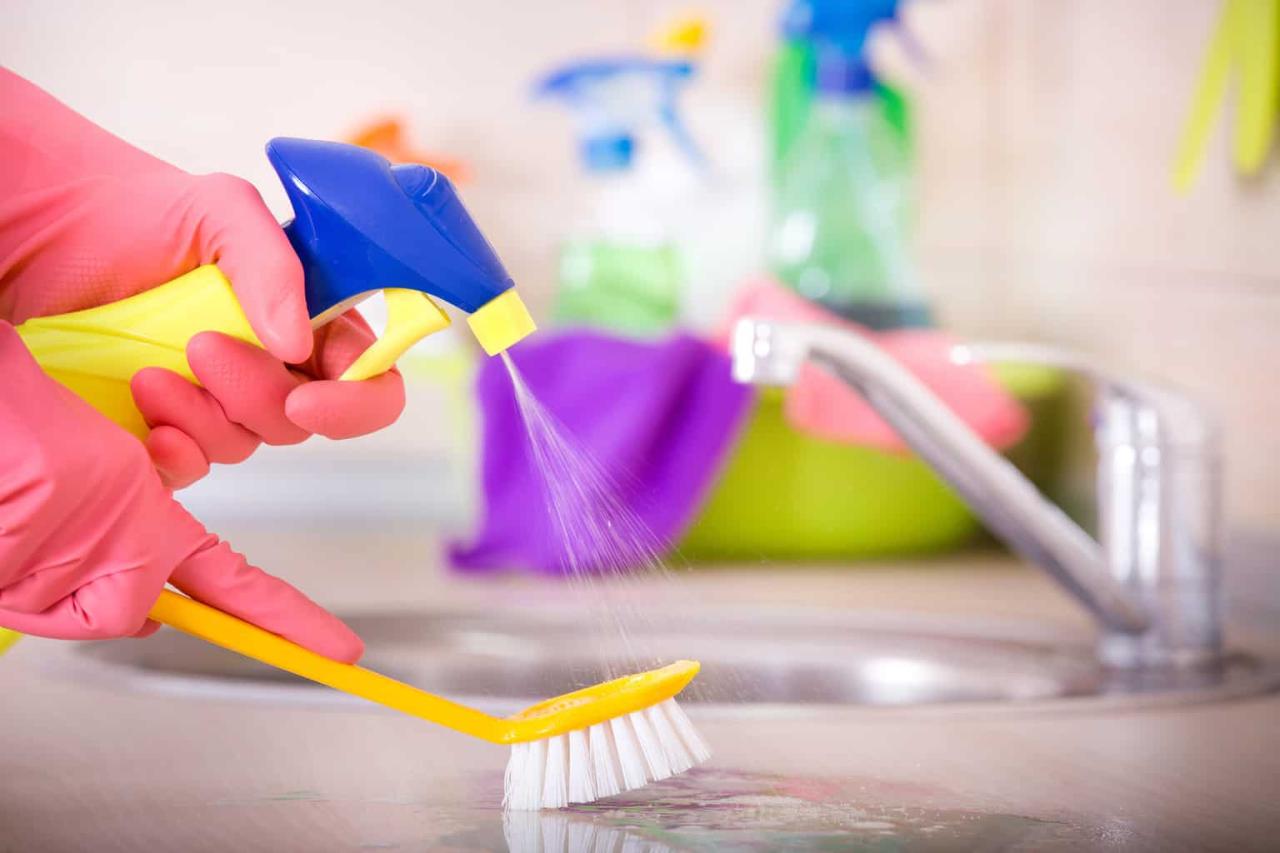
- A spray bottle for diluting cleaning solutions and for efficient application. This ensures even distribution of the cleaning agent without excessive moisture.
- A non-abrasive sponge or cloths for wiping down surfaces and removing debris. Ensure these are soft enough to prevent scratching the cage’s surface.
- A pair of rubber gloves to protect your hands during the cleaning process. This safeguards against exposure to potentially harmful chemicals and ensures hygiene.
- Paper towels or disposable cloths for absorbing excess moisture and cleaning up spills. These are practical for quickly blotting up spills and maintaining cleanliness.
- A cleaning solution suitable for bird cages. Choosing the right solution is crucial for effective cleaning and safety. Examples include enzymatic cleaners, disinfectants, and baking soda.
Cleaning Solutions
Selecting the appropriate cleaning solutions is paramount for effective and safe cleaning. Carefully choosing the cleaning agent ensures the well-being of your bird and avoids damaging the cage. The following cleaning solutions are often used and are suitable for bird cages:
- Enzymatic cleaners are highly effective at removing stubborn stains and odors, including those caused by droppings. They are gentle on surfaces and safe for use around birds.
- Disinfectant sprays are effective at killing bacteria and other microorganisms, but should be used cautiously. Diluting the disinfectant according to the manufacturer’s instructions is crucial to ensure safety.
- Baking soda is a versatile cleaning agent that can be used for various tasks, including removing stains and deodorizing. It is generally safe for use around birds and is cost-effective.
Specialized Tools
Employing the correct tools for cleaning different parts of the cage is crucial for a thorough and efficient cleaning. Proper tools help to prevent damage to the cage and ensure effective cleaning.
- Tweezers are useful for removing small pieces of food or debris from hard-to-reach areas. These are essential for cleaning around perches and intricate cage structures.
- A cage-specific cleaning brush designed to safely clean various cage parts, like perches, toys, and food dishes. This prevents damage to delicate cage materials.
- A small, shallow container for rinsing tools or parts before storing them. This helps maintain cleanliness and prevent cross-contamination.
Comparing Cleaning Products
The following table compares different cleaning products based on their effectiveness, safety, and cost.
| Cleaning Product | Effectiveness | Safety | Cost |
|---|---|---|---|
| Enzymatic Cleaner | High | Very Safe | Moderate |
| Disinfectant Spray | Moderate | Moderate | Low |
| Baking Soda | High | Very Safe | Low |
Step-by-Step Cleaning Procedure
Maintaining a clean and healthy bird cage is crucial for your feathered friend’s well-being. A thorough cleaning schedule prevents the buildup of harmful bacteria and parasites, promoting a happy and healthy environment. This section provides a detailed step-by-step guide to ensure a safe and effective cleaning process.A regular cleaning routine, performed consistently, is essential for the health of your bird.
Neglecting cage hygiene can lead to various health problems for your bird, including respiratory infections, parasites, and other illnesses. Following the steps below will help you maintain a clean and safe environment for your avian companion.
Removing Old Bedding
Before disinfecting the cage, the old bedding needs to be removed carefully. This step is crucial for effective cleaning and preventing the spread of bacteria. Improper removal can lead to dust and debris being spread throughout the room, which may affect your health or your bird’s.
- Carefully scoop out the old bedding from the cage bottom and any nooks and crannies. Use a dustpan and brush to collect the material without scattering dust particles into the air.
- Dispose of the used bedding properly in a sealed bag. Avoid spreading any contaminated material. If possible, use a dedicated trash can to prevent the spread of bacteria and odors.
- Thoroughly clean the cage bottom to remove any remaining particles. Use a damp cloth or sponge to wipe down the surface.
Disinfecting the Cage
Disinfection is a critical step to eliminate harmful bacteria and parasites that can accumulate in the cage. Use a suitable disinfectant specifically designed for avian environments to avoid harmful chemicals.
- Fill a spray bottle with a diluted solution of a disinfectant, following the manufacturer’s instructions carefully. Ensure the solution is appropriate for bird cages.
- Spray all surfaces of the cage thoroughly, including the bottom, bars, perches, toys, and food and water dishes. Pay particular attention to areas where droppings or residue may have accumulated.
- Allow the disinfectant solution to sit on the surfaces for the recommended time as stated on the product label. Do not rush this step.
- Rinse all surfaces of the cage thoroughly with clean water to remove any residual disinfectant. Avoid leaving any residue on the cage, as it can be harmful to your bird.
Cleaning Different Cage Parts
Proper cleaning of different cage parts is vital for a hygienic environment. This includes perches, toys, food and water dishes.
- Perches: Remove perches and wash them thoroughly in warm, soapy water. Use a soft brush to clean crevices and remove any buildup. Rinse thoroughly and allow to air dry completely before returning them to the cage. Consider replacing perches regularly to ensure they remain safe and comfortable for your bird.
- Toys: Remove any toys from the cage and clean them according to the manufacturer’s instructions. If the toys are washable, wash them with warm, soapy water. If not, thoroughly wipe them down with a disinfectant solution and rinse well. Ensure all toys are completely dry before returning them to the cage.
- Food and Water Dishes: Remove food and water dishes and wash them thoroughly in warm, soapy water. Use a brush to remove any food residue or debris. Rinse well and allow them to air dry completely. Use fresh food and water dishes after each cleaning.
Importance of Thorough Cleaning
Thorough cleaning is crucial to maintaining a healthy environment for your bird. This includes removing all visible and hidden dirt, debris, and residue. Ignoring even small amounts of debris can contribute to the growth of bacteria and parasites, which can negatively impact your bird’s health. A regular cleaning routine prevents buildup of these contaminants, thus promoting a healthier living environment.
It is a proactive approach to safeguarding your bird’s health.
Tips and Tricks for Bird Cage Cleaning
Mastering bird cage cleaning goes beyond the basic steps. Effective cleaning involves strategic approaches to prevent odors, maintain hygiene, and ensure a comfortable environment for your feathered friend. This section delves into practical tips and tricks to streamline the process and maximize efficiency.Optimizing the cleaning process not only keeps your bird’s habitat pristine but also minimizes the time and effort required.
Understanding the best practices for different cage types and incorporating odor control strategies will transform your bird cage cleaning routine from a chore to a manageable task.
Preventing Odors in the Bird Cage
Maintaining a fresh and odor-free bird cage is crucial for your bird’s well-being. Regular cleaning, combined with specific odor control techniques, ensures a healthy environment.Proper cleaning of food and water bowls, along with thorough cage disinfection, are essential for odor prevention. Regular cleaning prevents the buildup of food particles, droppings, and other organic matter, which are the primary sources of odors.
The use of appropriate disinfectants is crucial for eliminating bacteria and viruses that can contribute to odors.
Organizing Supplies for Efficient Cleaning
Efficient organization of supplies is vital for streamlining the bird cage cleaning process. A well-organized approach minimizes time spent searching for cleaning tools and maximizing efficiency.A dedicated cleaning station or area containing all necessary supplies will significantly improve the workflow. A designated area should include a bucket or basin for soapy water, a spray bottle for disinfectants, a separate container for clean water, a set of brushes or cloths, and a garbage bag.
Having these items readily available will prevent interruptions and unnecessary delays.
Cleaning Techniques for Different Bird Cage Types
The cleaning techniques employed should align with the cage design to avoid damaging components or overlooking areas.For wire cages, thorough cleaning involves reaching into the crevices between wires. Use a brush with a long handle or a small brush designed for tight spaces. For solid-bottom cages, thoroughly clean the bottom tray or pan, paying close attention to corners and edges.
Remove any spilled food or droppings, and rinse thoroughly. For cages with multiple levels or compartments, clean each level and compartment separately, paying special attention to perches and toys.
Additional Cleaning Tips
- Regular cleaning, even if it’s just a quick wipe-down, is better than infrequent, extensive cleanings.
- Invest in a good quality bird cage cleaner. These cleaners are designed for safety and efficiency, removing dirt and germs effectively.
- Use a pet-safe disinfectant to ensure the safety of your bird. Always check the product label for safety instructions and appropriate dilution.
- If your bird has any medical conditions, consult your avian veterinarian about any special cleaning requirements.
- Thorough rinsing of all cleaning materials after use is essential to avoid cross-contamination and maintain the efficacy of the cleaning process.
- Consider using a cage liner or mat to help contain droppings and make cleaning easier.
Preventing Disease and Maintaining a Healthy Environment
Maintaining a clean bird cage is paramount for the well-being of your feathered friend. A clean environment minimizes the risk of disease transmission and fosters a healthy, happy bird. This section will elaborate on the crucial link between hygiene and avian health, providing essential tips for a thriving habitat.A clean bird cage directly impacts your bird’s overall health.
A dirty cage provides a breeding ground for bacteria, fungi, and parasites, increasing the risk of infections and illnesses. Regular cleaning is an essential preventative measure that significantly contributes to a bird’s well-being.
Relationship Between Cleanliness and Disease Prevention
A clean bird cage acts as a primary defense against diseases. Pathogens, including bacteria and viruses, thrive in unclean environments, easily infecting birds through contaminated food, water, or surfaces. Regular cleaning removes these harmful organisms, significantly reducing the risk of illness. This proactive approach safeguards your bird from various ailments, from mild respiratory infections to more severe conditions.
Importance of Proper Sanitation for Bird Health
Proper sanitation is critical for a bird’s health. Regular cleaning, disinfection, and careful handling practices are essential to minimize the spread of disease. A well-maintained cage ensures that the bird is not exposed to harmful substances and pathogens, supporting a healthy immune system. This is crucial for maintaining a strong, resilient bird capable of fighting off infections.
Maintaining a Healthy Environment for the Bird
Creating a healthy environment involves more than just a clean cage. The quality of the air, temperature, and overall ambiance also play vital roles. Ensure adequate ventilation, appropriate temperature regulation, and a safe space free from hazards or stressors. Providing enriching toys and activities can also stimulate the bird’s physical and mental well-being, contributing to a healthier lifestyle.
Replacing Bedding Regularly
Regular replacement of bedding is essential. Bird droppings, food residue, and other debris accumulate in the bedding, potentially harboring harmful bacteria and parasites. Frequent bedding changes are crucial to prevent the buildup of these pathogens, keeping the cage clean and the bird healthy. Bedding should be changed at least once a week, or more frequently if needed.
Cleaning Food and Water Dishes Daily
Daily cleaning of food and water dishes is a vital part of maintaining a healthy bird environment. Leftover food and water provide ideal breeding grounds for bacteria and molds. These contaminants can cause various health problems, including infections and digestive issues. Ensuring the dishes are thoroughly cleaned daily minimizes the risk of contamination.
Preventive Measures for a Healthy Bird Environment
- Regular Cage Cleaning: Thorough cleaning of the entire cage, including perches, toys, and any other accessories, should be performed at least once a week. This removes fecal matter, food debris, and other potentially harmful substances. This is a fundamental aspect of avian care, helping to prevent the spread of disease.
- Disinfectant Use: Regular disinfection of the cage and accessories is crucial for effective disease prevention. Using appropriate disinfectants is vital to eliminate pathogens and maintain a hygienic environment. Always follow the manufacturer’s instructions when using disinfectants.
- Proper Food Storage: Store food in airtight containers to prevent pests and maintain freshness. Proper storage also helps in keeping the food free from contamination, reducing the risk of spoilage and associated health hazards.
- Fresh Water Supply: Provide a fresh supply of clean, filtered water daily. Changing water regularly prevents the growth of bacteria and ensures your bird has access to clean hydration.
- Regular Veterinary Check-ups: Scheduling regular veterinary check-ups for your bird is crucial for early detection and treatment of potential health issues. This proactive approach helps maintain the bird’s overall well-being and prevents the progression of illnesses.
- Monitoring Bird’s Behavior: Pay close attention to your bird’s behavior. Changes in eating habits, activity levels, or overall demeanor could signal a potential health problem. Early detection and response to such changes can lead to prompt treatment and prevent serious complications.
Summary
Maintaining a clean bird cage is a vital aspect of responsible bird ownership. By following the steps Artikeld in this guide, you can create a safe and healthy environment for your bird, minimizing the risk of illness and maximizing their enjoyment of their habitat. Remember to adapt the cleaning frequency and methods to your bird’s specific needs, ensuring their comfort and well-being.