Syringe feeding provides essential nutrition for birds facing difficulty eating on their own. This comprehensive guide will walk you through the process, from preparation to post-feeding care. Understanding when and why syringe feeding is necessary, and the unique needs of different bird species, is crucial for successful intervention. This guide will also highlight essential supplies and techniques to ensure the bird’s well-being throughout the process.
Proper preparation and hygiene are paramount during syringe feeding. This includes carefully assessing the bird’s condition, preparing appropriate feeding solutions at the correct temperature, and using the correct techniques for administering the food. This guide also emphasizes the importance of monitoring the bird’s response after feeding to identify any potential complications or reactions.
Introduction to Syringe Feeding Birds
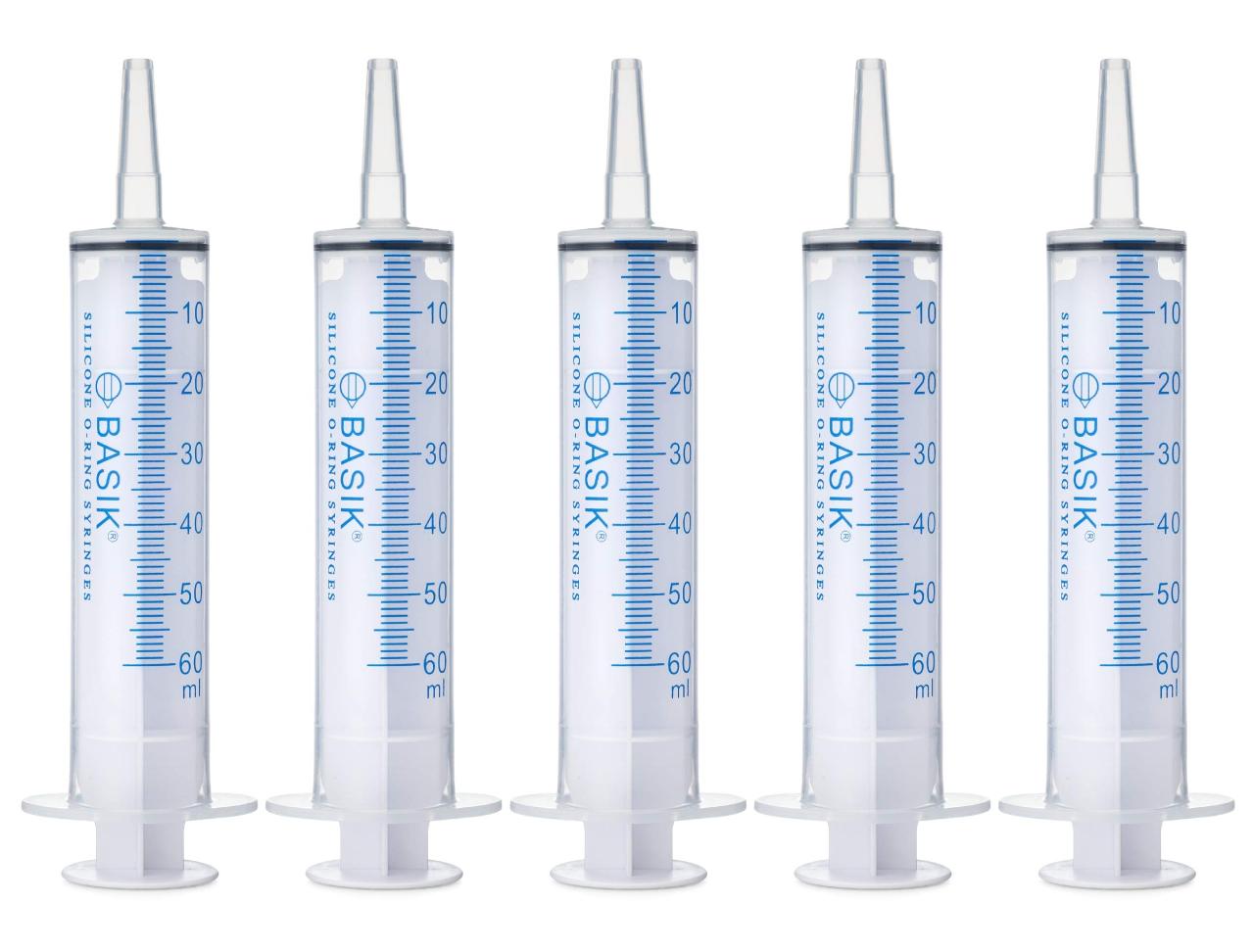
Syringe feeding is a crucial intervention for birds that are unable to obtain adequate nutrition through natural means. This method provides a precise and controlled delivery of essential nutrients, enabling the bird to recover and thrive. It is a vital tool for avian veterinarians and dedicated bird owners to ensure the well-being of vulnerable or injured birds.Syringe feeding is necessary in situations where a bird cannot feed itself, such as after illness, injury, or surgical procedures.
It’s also used for chicks that are unable to feed from their parents or for birds with feeding difficulties due to developmental abnormalities or other medical conditions. Young birds, particularly those just fledged, may require syringe feeding to support their growth and development.
Types of Birds Requiring Syringe Feeding
Many species of birds may benefit from or require syringe feeding. These include young chicks of various species, such as finches, canaries, parrots, and songbirds. Injured or ill adult birds may also necessitate syringe feeding. Specific breeds or species, particularly those with particular feeding challenges, may be more prone to requiring this intervention. Determining the necessity for syringe feeding is often a veterinarian’s assessment.
Importance of Preparation and Hygiene
Maintaining meticulous hygiene during syringe feeding is paramount to prevent infections. Contamination can lead to serious health problems for the bird, potentially resulting in fatalities. Thoroughly cleaning all equipment and ensuring the proper mixing and preparation of the nutritional formula is critical to prevent complications. This includes sanitizing syringes, feeding bottles, and all other tools involved in the process.
Use appropriate disinfectants and follow instructions carefully.
Essential Supplies for Syringe Feeding
Proper preparation and hygiene are crucial for syringe feeding. Appropriate tools and supplies are essential to ensure the health and safety of the bird.
| Item | Description | Brand Recommendation (optional) | Quantity |
|---|---|---|---|
| Syringe | A small, calibrated syringe with a blunt-ended needle or a specialized feeding tube, depending on the bird’s size and the formula consistency. | Various brands available, choose one that is comfortable and easy to use. | 1 |
| Feeding Formula | A specially formulated liquid diet designed for birds, available from avian veterinarians or pet stores. This should be appropriate for the bird’s species and age. | Many brands are available, check with your veterinarian for recommendations. | Sufficient for the feeding period |
| Measuring Cups/Spoons | Accurate measuring tools are essential for preparing the formula correctly. | Brands with clear markings and precise measurements are ideal. | 1 set |
| Clean Water | Distilled or purified water for mixing the formula, avoiding tap water with impurities. | – | Sufficient for mixing |
| Gloves | Disposable medical-grade gloves to maintain hygiene. | Many brands are available, look for good quality. | 1 pair per feeding session |
| Feeding Bottle (optional) | An alternative method for feeding small birds, depending on the bird’s size and health. | Various brands are available. | 1 (if needed) |
| Warmth Source | A heat lamp or a warm, safe environment to maintain the bird’s body temperature, particularly for young birds. | – | As needed |
| Record Book | For detailed records of feeding times, quantities, and any observed changes in the bird’s condition. | – | 1 |
Preparing the Bird for Feeding
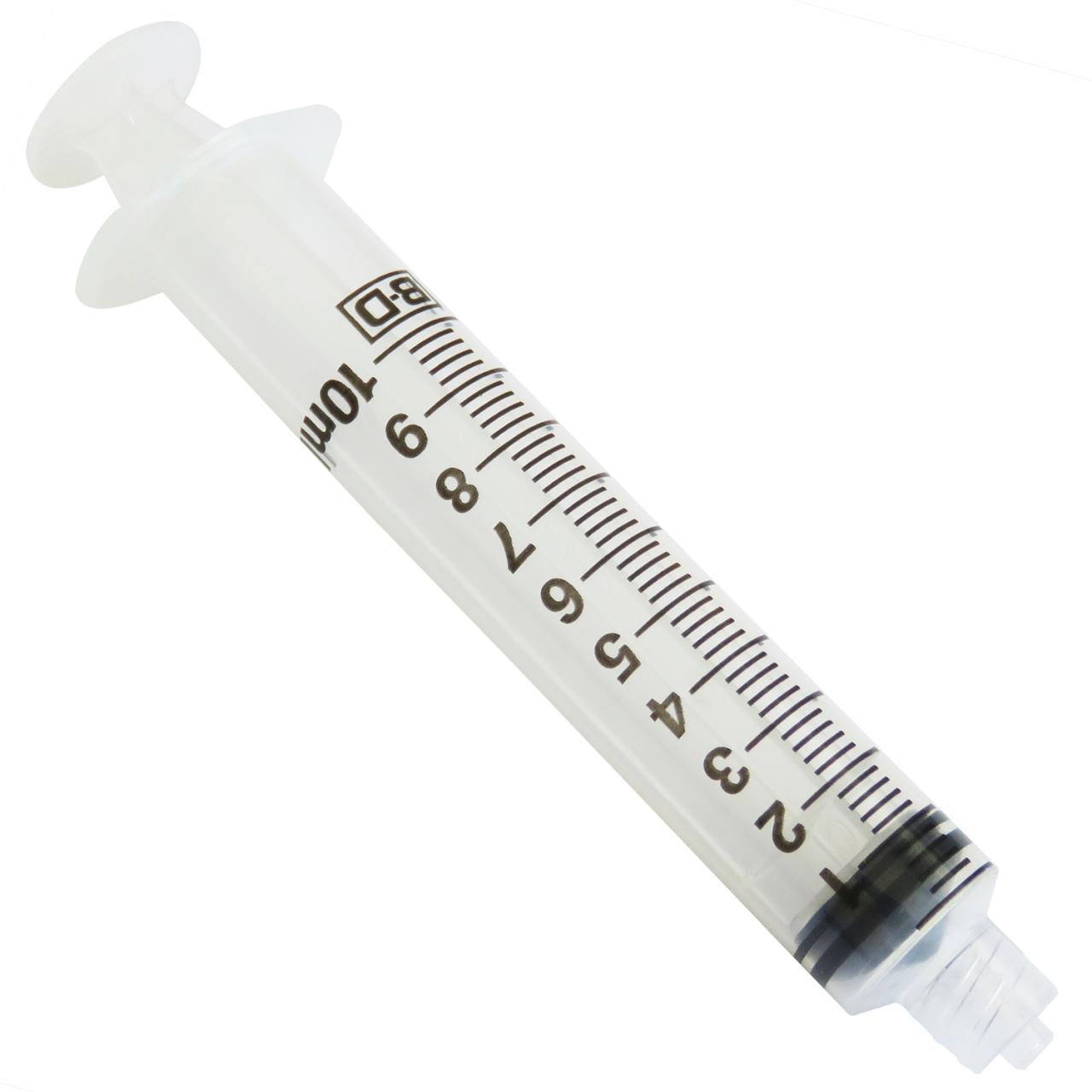
Properly restraining a bird for syringe feeding is crucial to ensure the bird’s safety and minimize stress. Careful handling techniques prevent injuries and allow for efficient and accurate feeding. A calm and gentle approach is paramount to the bird’s well-being throughout the entire process.Thorough assessment of the bird’s condition is vital before and during the feeding process. This allows for adjustments in feeding techniques and solutions based on the bird’s specific needs.
Monitoring the bird’s response to the feeding process is essential to ensure the procedure is effective and safe.
Bird Restraint Techniques
Careful restraint methods are essential to prevent injury to both the bird and the caregiver. A gentle but firm grip is necessary to maintain control without causing undue stress. Using soft cloths or towels can aid in handling and reduce the risk of scratching or injury.
- Support the bird’s body: Gently support the bird’s body with one hand, cradling it securely, and ensuring that the wings and legs are not restricted. This helps maintain the bird’s natural posture and avoids discomfort.
- Avoid squeezing or pinching: Never squeeze or pinch the bird’s body, as this can cause pain and injury. Focus on providing a secure but gentle support system.
- Use soft materials: Employ soft cloths or towels to prevent scratches and ensure the bird feels secure. A soft surface minimizes the risk of injury.
- Avoid sudden movements: Maintain a steady and calm approach to handling the bird. Avoid any sudden movements that might startle or frighten the bird. This promotes comfort and cooperation.
Assessing the Bird’s Condition
Regular assessment of the bird’s condition is essential to ensure the feeding process is effective and safe. It also helps to identify any underlying health issues or changes in the bird’s response.
- Pre-feeding Assessment: Observe the bird’s overall condition, including its breathing rate, posture, and any signs of distress or discomfort. Note any recent changes or unusual behavior.
- During Feeding: Monitor the bird’s response to the feeding solution. Observe if the bird is swallowing easily, if it displays any signs of distress, and if the feeding process appears to be working effectively. Adjust the feeding technique or solution if needed.
Preparing the Feeding Solution
The preparation of the feeding solution is critical for the bird’s health and nutrition. Appropriate food types and mixtures ensure the bird receives essential nutrients.
- Food Types: Appropriate foods for syringe feeding include commercially available bird formulas, cooked and mashed fruits and vegetables, and specially prepared mixtures of these items. Consult a veterinarian or avian specialist for specific recommendations for the bird’s species and needs.
- Mixing Solutions: Carefully mix the chosen foods with water or a suitable liquid base to create a smooth, easily digestible solution. The consistency should be similar to that of a thick milkshake or pudding. Avoid using solutions that are too runny or too thick.
Warming the Feeding Solution
Warming the feeding solution to the correct temperature is essential to avoid discomfort or illness for the bird.
- Temperature Guidelines: The ideal temperature for feeding solutions is typically around body temperature for the specific bird species. Use a thermometer to accurately measure the temperature of the solution.
- Heating Methods: Gently warm the solution using a water bath or a microwave. Avoid direct heat sources that can quickly raise the temperature beyond the recommended range.
Appropriate Feeding Solutions for Different Species
Different bird species have different nutritional needs, which should be reflected in the feeding solutions provided.
- Species-Specific Needs: Different bird species require different types and quantities of nutrients. Always consult with a veterinarian or avian specialist to determine the appropriate feeding solution for a particular bird species.
Techniques for Syringe Feeding
Proper syringe feeding technique is crucial for ensuring the bird’s health and well-being. A precise and gentle approach minimizes stress and maximizes nutrient absorption. This section Artikels the steps, considerations, and different methods for successful syringe feeding.Syringe feeding, when performed correctly, can provide vital nourishment for birds who are unable to feed themselves. Careful attention to the bird’s response and appropriate feeding techniques are paramount to a positive outcome.
Step-by-Step Syringe Feeding Procedure
This detailed procedure ensures accurate and safe administration of the food to the bird. Following these steps minimizes stress and maximizes nutrient absorption.
1. Preparation
Ensure all equipment, including the syringe, food, and the bird, are prepared and sanitized as discussed previously.
2. Bird Positioning
Gently and securely hold the bird in a comfortable and stable position, minimizing stress.
3. Syringe Angle
Position the syringe at a slight angle, approximately 30-45 degrees, relative to the bird’s esophagus. Avoid inserting it directly into the throat.
4. Insertion Depth
Insert the syringe’s tip into the bird’s mouth or esophagus only as deep as necessary to deliver the food. This depth depends on the bird’s size and beak shape. Avoid excessive force.
5. Feeding Rate
Administer the food slowly and steadily, allowing the bird to swallow each portion. Avoid rushing the process.
6. Monitoring Response
Observe the bird’s response closely during and after the feeding. Look for signs of distress, difficulty swallowing, or regurgitation.
7. Aftercare
Provide appropriate aftercare as needed. This might include placing the bird in a comfortable, safe environment to rest.
Amount of Food per Feeding
The amount of food administered should be carefully calculated based on the bird’s size, age, and condition. Using a formula is often helpful.A small bird might require only a few drops of food per feeding, whereas a larger bird may require more. Consider the bird’s weight, appetite, and current health status when determining the quantity. Consult with a veterinarian or avian specialist for specific guidelines.
Monitoring the Bird’s Response
Monitoring the bird’s response during and after the feeding is crucial for ensuring the procedure’s safety and effectiveness.Observe for signs of discomfort, such as struggling to swallow, gagging, or regurgitation. Changes in breathing rate or body posture should also be noted. If any unusual behavior is observed, stop feeding immediately and consult with a veterinarian.
Syringe Feeding Techniques
Different techniques are available, each with its own advantages and disadvantages.
Oral Method
The oral method involves feeding the liquid directly into the bird’s mouth. This method is suitable for smaller birds and those who can swallow without difficulty.
Esophageal Method
The esophageal method involves guiding the food into the esophagus. This technique is beneficial for birds with difficulties swallowing or who might have a narrowed throat. It is often recommended for larger birds or those with swallowing difficulties.
Comparison of Syringe Feeding Techniques
| Technique | Description | Advantages | Disadvantages |
|---|---|---|---|
| Oral | Food administered directly into the mouth. | Simple, suitable for smaller birds with normal swallowing abilities. | May not be suitable for birds with swallowing difficulties. |
| Esophageal | Food guided into the esophagus. | More suitable for birds with swallowing difficulties or larger birds. | Requires more skill and precision. Higher risk of aspiration if technique is not correct. |
Post-Feeding Care and Monitoring
Following a syringe feeding, meticulous post-feeding care is crucial for the bird’s well-being and recovery. This period demands vigilant observation for any potential complications that might arise from the feeding process itself or from the bird’s individual health status. Prompt recognition and intervention are vital for successful recovery.Careful monitoring after feeding allows you to assess the bird’s response and take appropriate action, ensuring optimal health outcomes.
Recognizing early signs of distress or complications enables timely veterinary intervention, potentially saving the bird’s life.
Importance of Monitoring Post-Feeding
Post-feeding monitoring is essential to detect potential issues like regurgitation, aspiration, or difficulty breathing, which can arise soon after the feeding process. Prompt intervention can prevent these issues from escalating into more serious complications.
Identifying Potential Complications or Reactions
Recognizing potential complications is crucial for prompt intervention. Observe the bird’s respiratory rate, effort, and any unusual noises. Changes in posture, lethargy, or tremors can indicate underlying issues. Note any signs of discomfort, such as beak or wing movements, that may signal distress. A change in the bird’s droppings or a lack of defecation also warrant attention.
Careful observation of the bird’s behaviour, especially during the first few hours after feeding, can be indicative of a successful or problematic feeding session.
Providing Appropriate Hydration After Feeding
Maintaining adequate hydration is critical following syringe feeding. Offer fresh, clean water readily available to the bird. Observe the bird’s drinking habits and ensure it is consuming sufficient fluids. Water consumption is a critical indicator of the bird’s overall health status, and a lack of water intake can be a significant sign of an issue.
Post-Feeding Care: Rest and Observation
After feeding, ensure the bird has a quiet, safe, and comfortable space for rest. Minimize disturbances and avoid handling the bird unnecessarily. Quiet and minimal disturbance are vital to allow the bird to recover from the feeding process. Continuous observation for any signs of distress is paramount during this period. This includes keeping a record of the bird’s behaviour, including feeding time, amount of food consumed, any signs of distress or discomfort, and any other significant details.
This record is important for monitoring the bird’s overall progress and potential complications.
Checklist for Unusual Reactions or Complications
This checklist provides a framework for addressing potential complications or unusual reactions following syringe feeding.
- Regurgitation: If the bird regurgitates, discontinue feeding immediately and contact a veterinarian. Observe the regurgitated material for any abnormalities.
- Aspiration: If the bird shows signs of difficulty breathing or gasping, seek immediate veterinary attention. Monitor for any other signs of respiratory distress, including wheezing or coughing.
- Lethargy or Weakness: Persistent lethargy or weakness after feeding warrants veterinary consultation. Observe for changes in posture and any signs of pain.
- Changes in Appetite: Changes in appetite, such as refusing subsequent feedings, can indicate underlying health issues. Record any changes in appetite and report them to the veterinarian.
- Unusual Droppings: Observe the consistency and color of the bird’s droppings. Changes in these characteristics may indicate a problem with digestion or other internal issues. Contact your veterinarian for evaluation.
- Difficulty Breathing: Monitor for any signs of difficulty breathing, such as labored breathing, wheezing, or coughing. This is a serious indication of a problem requiring immediate veterinary intervention.
Common Challenges and Troubleshooting

Syringe feeding, while essential for many birds, can present various challenges. Understanding these difficulties and the strategies to overcome them is crucial for ensuring the bird’s health and well-being throughout the feeding process. This section details common problems and their solutions to help you navigate these situations effectively.
Bird Resistance
Bird resistance to syringe feeding can stem from various factors, including fear, discomfort, or a dislike of the food. Patience and gentle handling are key. Familiarizing the bird with your presence and the feeding process gradually can help alleviate anxiety. Creating a calm and quiet environment during feeding is also vital. Ensure the bird feels secure and comfortable.
If resistance persists, consider adjusting the feeding schedule, the syringe size, or the temperature of the food. In some cases, using a different type of food or a different brand of food can help.
Difficulty in Feeding
Difficulty in feeding may arise from several factors. The syringe’s size or the consistency of the food may be inappropriate for the bird’s beak or swallowing mechanism. Experiment with different syringe sizes and food consistencies to find what works best. The bird’s positioning also plays a role. Ensuring the bird’s head is properly positioned to receive the food is essential.
If the bird struggles to swallow, you can use a gentle tapping motion on the bird’s throat, but avoid forcing the food. If these strategies do not help, consult a veterinarian or avian specialist for guidance.
Regurgitation
Regurgitation, the ejection of food shortly after feeding, can be a sign of several issues. Overfeeding, improper positioning, or a sudden change in the bird’s environment can contribute to this. Ensure you are not overfeeding the bird. Adjust the amount of food and feeding schedule accordingly. Also, make sure the bird is comfortably positioned and the environment is calm.
If regurgitation persists, consult a veterinarian. They can identify the underlying cause and recommend the appropriate treatment.
Aspiration
Aspiration, the inhalation of food into the lungs, is a serious complication that can be life-threatening. It is often linked to improper feeding techniques. Always ensure the bird’s head is positioned correctly, and avoid forcing the food into its mouth. The food’s consistency should be smooth and easily swallowed. If you suspect aspiration, immediately stop feeding and consult a veterinarian.
They can provide immediate assistance and determine the appropriate course of action.
Dehydration
Dehydration can accompany syringe feeding, particularly if the bird is stressed or has a reduced appetite. Monitoring the bird’s hydration levels is essential. Offer fresh water regularly and ensure it is easily accessible. You can also add electrolytes to the drinking water to replenish lost minerals. If the bird shows signs of severe dehydration, consult a veterinarian.
Bird Refusal to Eat or Showing Discomfort
A bird’s refusal to eat or exhibiting discomfort during feeding can be caused by various factors, including illness, stress, or a change in diet. Observe the bird closely for any other signs of distress, such as lethargy, ruffled feathers, or labored breathing. Try a different food type or consistency. If the bird continues to refuse food, or if other symptoms are present, consult a veterinarian immediately.
Troubleshooting Table
| Problem | Possible Cause | Solution |
|---|---|---|
| Bird resistance | Fear, discomfort, dislike of food | Gradually introduce feeding, ensure a calm environment, adjust feeding schedule, syringe size, or food type. |
| Difficulty in feeding | Inappropriate syringe size/food consistency, improper positioning | Experiment with different syringe sizes and food consistencies, ensure proper bird positioning, use gentle tapping on the throat (if needed). |
| Regurgitation | Overfeeding, improper positioning, environmental changes | Adjust feeding amount, ensure proper positioning, maintain a calm environment, consult a veterinarian if persistent. |
| Aspiration | Improper feeding technique, food consistency | Ensure correct head positioning, avoid forcing food, ensure food is smooth, stop feeding immediately and consult a veterinarian. |
| Dehydration | Stress, reduced appetite | Offer fresh water regularly, add electrolytes to water, consult a veterinarian if severe. |
| Refusal to eat/discomfort | Illness, stress, change in diet | Observe for other distress signs, try different food types/consistency, consult a veterinarian immediately if symptoms persist. |
Specialized Feeding Solutions and Considerations
Proper nutrition is crucial for a bird’s recovery and well-being during syringe feeding. Different bird species have varying nutritional needs, and using the appropriate formula is essential for their health and development. Understanding these specific requirements and adjusting feeding techniques accordingly are vital for successful syringe feeding.Careful consideration must be given to the bird’s age, health condition, and species-specific dietary needs when formulating feeding solutions.
This tailored approach ensures the bird receives the optimal nutrients for its recovery or growth.
Specialized Formulas for Different Bird Species
Different bird species have unique dietary requirements. Parrots, for example, need a diet rich in fruits, vegetables, and seeds, while finches require a diet composed primarily of seeds and small insects. These variations highlight the importance of species-specific formulas. Carefully selected ingredients and proportions ensure the birds receive the right balance of nutrients for their individual needs.
Importance of Age-Specific Formulas
A baby bird’s nutritional needs differ significantly from those of an adult bird. Young birds require a higher concentration of protein and essential nutrients for growth and development. Formulas for juveniles should be specifically designed to meet their needs, and appropriate adjustment in concentration should be made as the bird grows. Adult birds have different nutritional requirements and should be provided with formulas that address these needs.
Supplemental Nutrients
In some cases, supplemental nutrients such as vitamins and minerals may be necessary to address specific deficiencies or support the bird’s overall health. These supplements should only be added to the feeding solution under the guidance of a veterinarian or avian veterinarian. Inappropriate supplementation can lead to imbalances in the bird’s diet. The veterinarian can assess the bird’s specific needs and recommend the appropriate vitamins and minerals, ensuring the bird receives the right amount to promote its recovery or health.
Adjusting Feeding Techniques Based on the Bird’s Condition
The bird’s condition, such as whether it’s recovering from illness or injury, can influence the feeding techniques and solutions. For example, a bird with difficulty swallowing might need a more liquid formula. Similarly, a bird recovering from a digestive issue may benefit from a blander formula. These adjustments ensure the bird can easily consume the solution and receive the necessary nutrients without further complications.
Table of Feeding Solutions for Different Bird Types
| Bird Type | Feeding Solution | Ingredients | Notes |
|---|---|---|---|
| Baby Parakeet | Starter Formula | Protein-rich, easily digestible ingredients, formulated for young birds, containing vitamins and minerals | High protein concentration, adjusted for the bird’s growth stage. |
| Adult Finch | Seed-based Formula | A mix of various seeds, supplemented with a small amount of fruits and vegetables | A formula with seeds to meet the finch’s needs, with careful adjustments to the proportions of ingredients. |
| Injured Starling | High-Protein Recovery Formula | Protein-rich ingredients, easily digestible carbohydrates, essential vitamins and minerals, with electrolytes | High protein and calorie content, easily digested for recovery, containing electrolytes to replace lost fluids. |
| Baby Pigeon | Protein-rich Starter Formula | High protein, formulated for growth, with vitamins and minerals | Formulated for the rapid growth of young pigeons, with careful attention to the ratio of nutrients. |
| Sick Canary | Low-fat, easily digestible formula | Low-fat ingredients, formulated for digestive health, supplemented with vitamins and minerals | Easy digestion and absorption of nutrients for a sick bird, while providing necessary vitamins and minerals. |
Illustrative Examples of Syringe Feeding
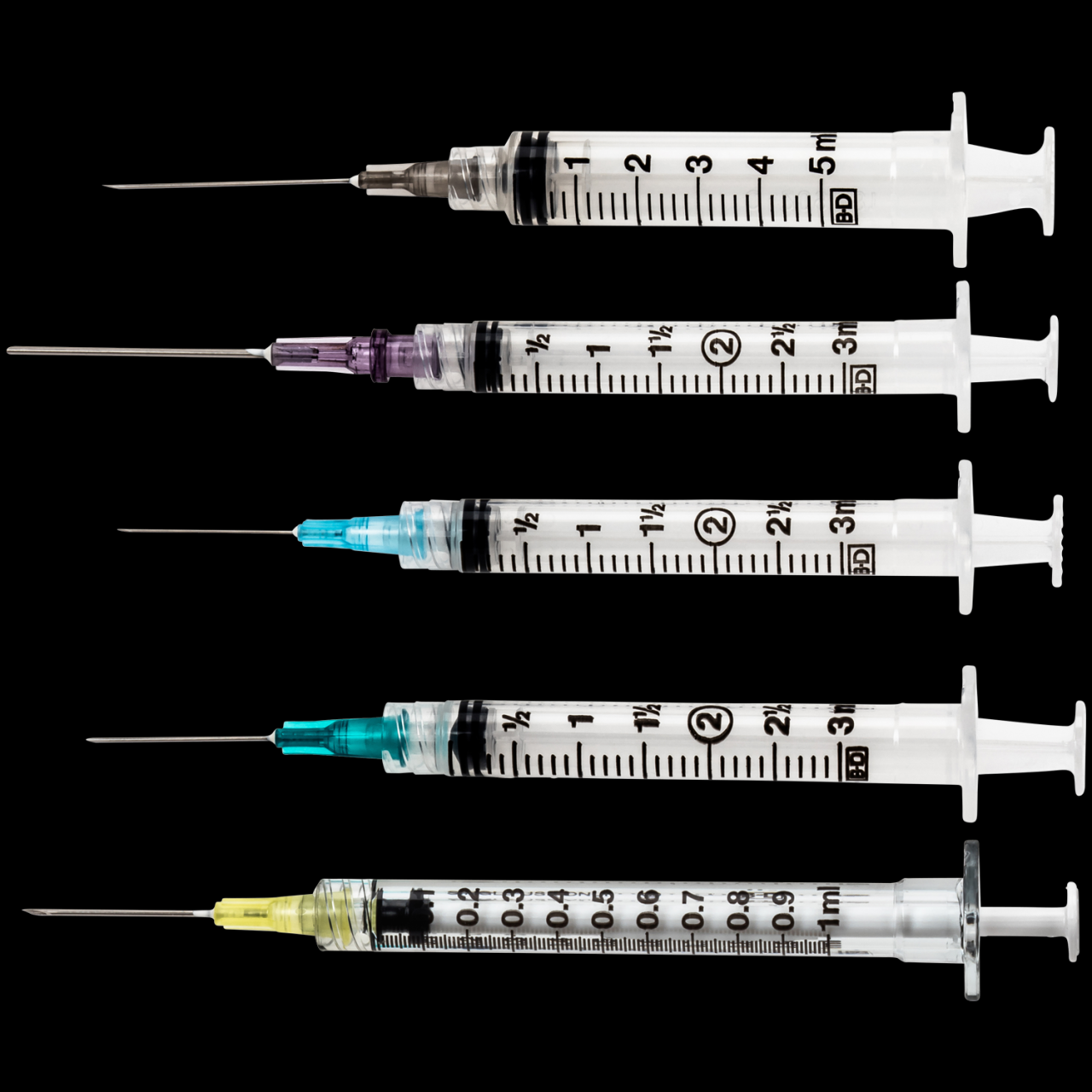
Syringe feeding, a critical intervention for birds unable to feed themselves, requires meticulous technique and understanding of the individual bird’s needs. Proper execution ensures the bird receives adequate nutrition and maintains its health. The examples below demonstrate the application of these principles in diverse avian species.
Syringe Feeding a Baby Budgie
Successful syringe feeding of a baby budgie involves careful attention to the bird’s size, the consistency of the formula, and the feeding environment. The process begins with preparing a suitable formula, tailored to the budgie’s developmental stage. Ensure the formula is at the correct temperature to avoid shocking the bird.
- Preparation: Prepare a small, shallow dish with the appropriate formula, maintaining hygiene throughout the process. Have a soft cloth nearby for quick clean-ups.
- Positioning: Gently hold the budgie with one hand, supporting its body, and using the other hand to carefully insert the syringe’s tip into the bird’s beak, ensuring it is properly positioned.
- Feeding Technique: Administer the formula slowly, allowing the bird to swallow at its own pace. Avoid forceful injections. Observe for signs of discomfort or distress, and adjust the feeding rate if needed. Monitor the bird for regurgitation. Use a small syringe for this species.
- Post-Feeding: After feeding, carefully place the bird back in its secure, appropriate environment.
Syringe Feeding a Young Cockatiel
Young cockatiels require a nutrient-rich formula, and the feeding process mirrors that of other young birds, but with a few crucial differences. Cockatiels are more active than budgies, and the environment should reflect this. This bird species requires more attention to proper formula temperature and consistency.
- Formula: The formula should be specially designed for cockatiels, taking into account their specific dietary requirements. Ensure the formula’s viscosity is appropriate to prevent choking.
- Environment: Provide a quiet, warm, and dimly lit environment to minimize stress. A calm, supportive environment is paramount.
- Feeding Technique: Administer the formula in small increments, allowing the bird to swallow before introducing more. Observe the bird’s breathing and swallowing, ensuring it is comfortable.
- Observation: Keep a close watch for any signs of difficulty swallowing, like struggling or gagging. Adjust the feeding rate if necessary.
Ideal Syringe Feeding Environment
The ideal syringe feeding environment is a quiet, warm, and well-lit area, free from distractions. The temperature should be maintained to avoid discomfort for the bird. Avoid drafts and excessive noise. Use a soft surface to reduce stress for the bird during feeding.
- Temperature: Maintain a comfortable temperature for the bird, avoiding extreme heat or cold.
- Light: Dim, indirect light is best to minimize stress.
- Quiet: A quiet environment is crucial to ensure the bird’s comfort.
- Hygiene: Maintain cleanliness throughout the entire process. Sterilize the syringe and feeding equipment to prevent infection.
Patience and Persistence in Syringe Feeding
Patience and persistence are essential during syringe feeding. Results may not be immediate. Consistent care and attention are crucial for the bird’s recovery. Be prepared to adjust feeding schedules and techniques based on the bird’s response.
“Consistent care and attention are crucial for the bird’s recovery.”
Closure
In conclusion, syringe feeding a bird requires meticulous care and attention to detail. This guide provides a thorough overview of the process, encompassing preparation, feeding techniques, post-feeding care, and troubleshooting common challenges. By understanding the specific needs of each bird species and adhering to proper hygiene and technique, you can effectively support the bird’s health and recovery. Remember, patience and persistence are key to successful syringe feeding.