Protecting our feathered friends from harmful plants is crucial for their well-being and the health of our ecosystems. Many seemingly harmless plants can harbor potent toxins that affect birds, causing serious illness or even death. This guide provides a comprehensive approach to identifying, preventing exposure to, and mitigating the impact of toxic plants on birds in various environments, from gardens and yards to public parks.
Understanding the diverse range of toxic plants and their effects on birds is vital. This guide will detail the specific characteristics of common toxic species, offering practical strategies for removing them from areas frequented by birds. It also explores the crucial role of bird behavior in recognizing and avoiding these dangers, along with educational resources and mitigation strategies to ensure long-term protection.
Identifying Toxic Plants
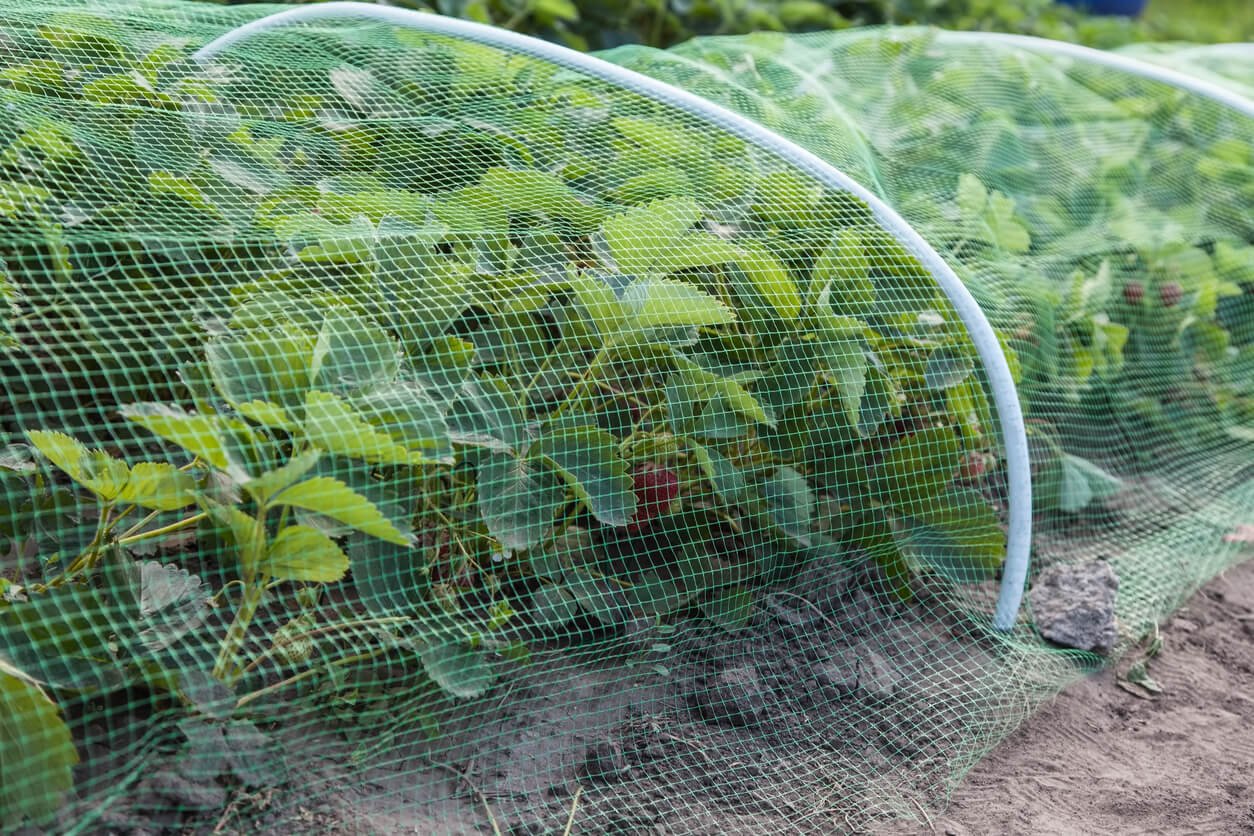
Understanding the characteristics of toxic plants is crucial for protecting birds from potential harm. Birds, often drawn to vibrant colors and tempting fruits, can inadvertently ingest harmful substances with devastating consequences. This section details common toxic plants, their effects, and strategies for distinguishing them from their non-toxic counterparts.
Common Toxic Plants Threatening Birds
A variety of plants pose significant risks to avian health. Careful observation and knowledge of their unique features are essential for preventing accidental ingestion.
- Oleander (Nerium oleander): This evergreen shrub is known for its beautiful, fragrant flowers, typically in shades of pink, red, or white. The entire plant, from leaves to roots, contains cardiac glycosides, which can cause serious heart problems and even death in birds. Symptoms include rapid heartbeat, tremors, and respiratory distress. Leaves are typically narrow and leathery, with a smooth margin.
The flowers are often clustered in terminal cymes. Distinguishing features are the characteristic leathery leaves and flower clusters.
- Yew (Taxus spp.): Yews are often evergreen trees or shrubs, recognized by their unique, flattened, and pointed leaves. The berries of the yew are bright red, but highly poisonous. The toxins are primarily taxine alkaloids, which can lead to cardiac arrest and paralysis in birds. The berries, while visually appealing, are a significant danger. Careful observation of the unique shape of the leaves and the presence of red berries is essential for identification.
- Castor Bean (Ricinus communis): This herbaceous plant can grow into a small tree and has palmately compound leaves, composed of numerous leaflets. The plant’s seeds contain ricin, a highly potent toxin. Ingesting even a small amount can result in severe kidney damage and death in birds. The seeds are often a dark brown or black color and have a distinct shape.
Distinctive features are the large, palmate leaves and the presence of the seeds.
- Poison Ivy (Toxicodendron radicans): This vine has three leaflets per leaf cluster. The leaves are typically varying shades of green, with a characteristic glossy sheen. Urushiol, the primary toxin, causes skin irritation and can have severe effects on birds. The leaves, while not always obvious as poisonous, are best avoided for all wildlife.
Distinguishing Toxic from Non-Toxic Plants
Accurate identification is vital for protecting birds. Careful examination of plant characteristics can help distinguish between potentially hazardous and harmless species.
- Leaf Margins: The edges of leaves can offer clues. Some toxic plants have smooth, entire margins, while others have serrated or lobed edges. Non-toxic plants can have various leaf margins. Observing the shape and texture of the leaf margins can be helpful in differentiating toxic and non-toxic plants.
- Growth Patterns: The growth patterns of plants can be distinctive. Some toxic plants have a particular branching structure or growth habit. Non-toxic plants display a range of growth patterns.
- Flower and Fruit Characteristics: Flower and fruit colors and shapes can be useful identifiers. Some toxic plants have bright, alluring colors, while others have unusual shapes. A variety of flowers and fruits are present in non-toxic plants.
Comparative Table of Similar Plants
The following table highlights the differences between a toxic and a non-toxic plant that share similar appearances.
| Plant Name | Common Characteristics | Toxicity | Prevention |
|---|---|---|---|
| Oleander (Nerium oleander) | Evergreen shrub; fragrant flowers (pink, red, or white); leathery, narrow leaves. | Highly toxic; contains cardiac glycosides. | Avoid planting near bird habitats; remove plants if present. |
| Jasmine (Jasminum spp.) | Vining plant; fragrant flowers (white, yellow, or other colors); small, oval-shaped leaves. | Non-toxic | Suitable for bird-friendly gardens. |
Preventing Bird Exposure
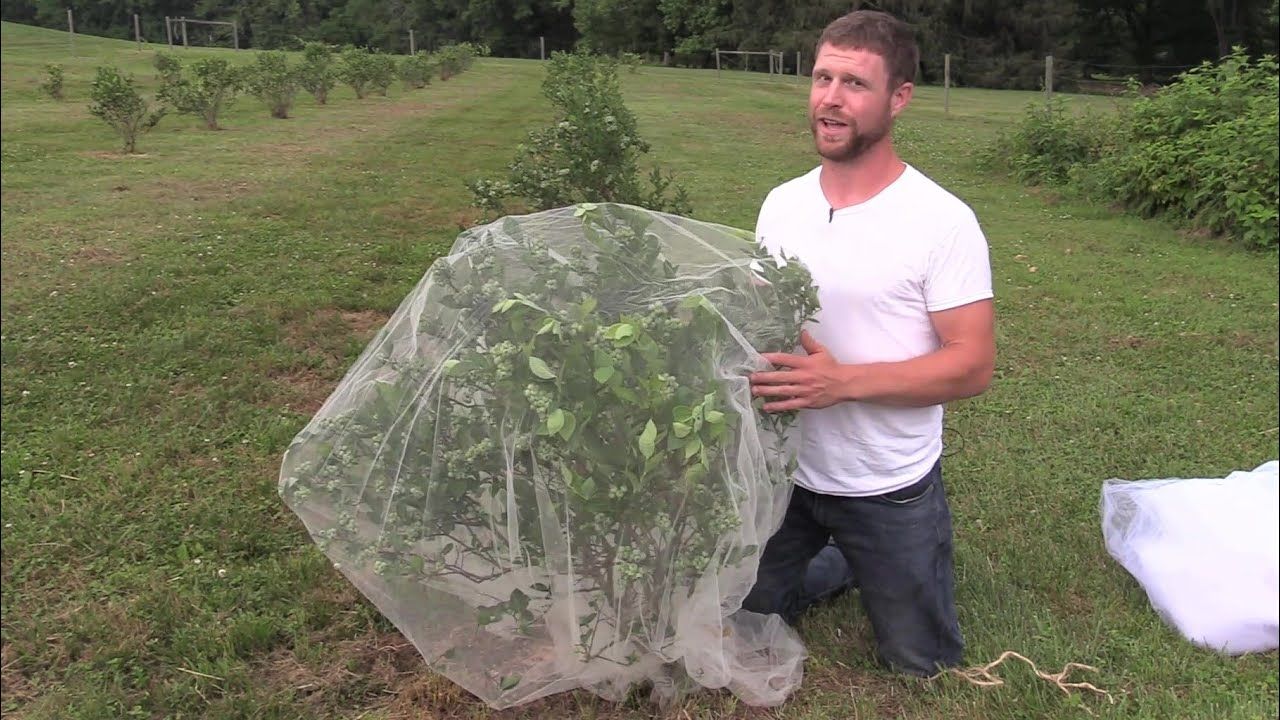
Protecting birds from toxic plants requires proactive measures to prevent their access to harmful vegetation. This involves a combination of physical removal, strategic planting, and creating bird-safe zones in gardens and yards. By understanding bird behavior and utilizing appropriate techniques, we can significantly reduce the risk of poisoning.Effective strategies for preventing bird exposure to toxic plants require a multifaceted approach.
A combination of physical barriers, alternative food sources, and careful plant selection can minimize the risk of ingestion. This ensures that avian populations can safely coexist with humans in cultivated areas.
Physical Removal Strategies
Understanding the growth habits and characteristics of toxic plants is crucial for effective removal. Mechanical methods like trimming, pruning, and digging up are often the most suitable solutions. Carefully consider the root systems of plants to ensure complete removal and prevent regrowth.
- Trimming: Regular trimming can limit the plant’s size and reduce the amount of toxic material available to birds. This is particularly effective for shrubs and trees where selective removal of branches bearing toxic parts is possible. For example, regularly trimming the lower branches of a poison oak plant can restrict access by foraging birds.
- Digging Up: For herbaceous plants and smaller shrubs, digging up the entire root system is essential to prevent regrowth. Proper disposal is vital to prevent the spread of the toxic plant to other areas. For instance, digging up a patch of oleander completely prevents birds from accessing its leaves and stems.
Alternative Food Sources
Providing birds with nutritious and safe alternatives to toxic plants is essential for their well-being. These alternatives should be readily available and appealing to the birds.
- Native Plants: Native plants are a readily available and valuable source of food and shelter for birds. They are adapted to the local climate and provide a natural food source for diverse species. For example, various berry-producing shrubs and trees are attractive to birds and offer safe nutrition.
- Bird Feeders: Providing supplemental bird feeders with seeds, nuts, and fruits can supplement their diet. This is particularly useful during periods of low natural food availability. For example, sunflower seeds, cracked corn, and berries are popular choices for many species.
Creating Bird-Safe Zones
Establishing designated bird-safe zones within gardens and yards can help protect birds from exposure to toxic plants.
- Fencing: Enclosing areas with toxic plants with physical barriers like fencing or netting can prevent birds from accessing them. This is particularly effective for areas with high-traffic bird populations.
- Plant Selection: Choose non-toxic plants that provide food, shelter, and nesting sites for birds. This can create a vibrant and bird-friendly environment.
Safe Removal of Toxic Trees in Public Parks
A phased approach is crucial for removing toxic trees in public parks to minimize disruption to bird populations.
- Assessment: Identify the species and extent of the tree’s toxicity. Evaluate the tree’s health and stability to determine the safest removal method.
- Monitoring Bird Behavior: Observe bird activity around the tree before, during, and after removal. This can provide insights into preferred foraging areas and help determine the best timing for removal.
- Phased Removal: Consider a staged removal process. For example, gradually removing branches over time can minimize the impact on birds that rely on the tree for food or nesting. This allows birds to find alternative food sources.
Understanding Bird Behavior
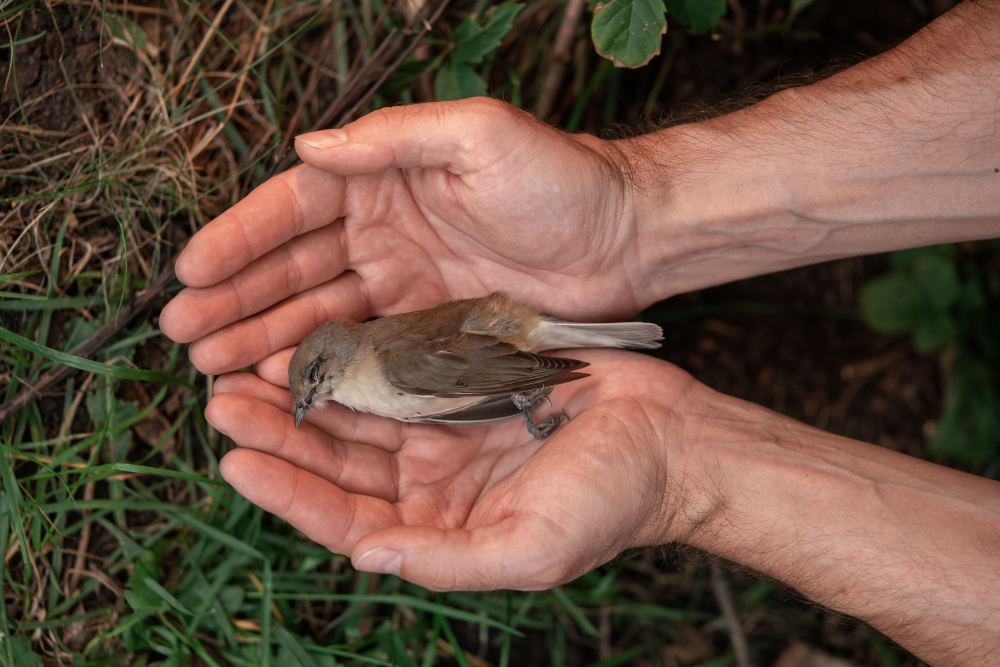
Birds employ diverse strategies for foraging, impacting their susceptibility to toxic plants. A crucial aspect of bird protection involves understanding their foraging habits, learning processes, and varying responses to environmental hazards. Observing these behaviors helps identify potential exposure risks and guides preventative measures.
Bird Foraging Habits and Food Source Recognition
Birds exhibit a remarkable ability to locate and identify food sources. This process often involves visual cues, such as the color and shape of fruits, seeds, or insects. Smell plays a significant role, especially for locating ripe fruits or decaying matter. Auditory cues, such as the chirping of insects or the rustling of leaves, also contribute to their foraging success.
Birds often learn to associate specific characteristics with edible items through experience and observation. This learned behavior can be passed down through generations, refining their ability to recognize and avoid toxic plants over time.
Learning About Potential Dangers Through Experience and Observation
Birds acquire knowledge about potential dangers through experience and observation. Direct exposure to toxic plants, resulting in illness or death, serves as a powerful deterrent. Birds may also learn to avoid plants by observing the reactions of other birds. For instance, if a fellow bird displays distress or avoids a particular plant, other birds might follow suit, reducing their exposure risk.
This observational learning, combined with individual experiences, helps birds refine their foraging strategies over time.
Comparison of Different Bird Species’ Reactions to Toxic Plants
Bird species exhibit varying responses to toxic plants, depending on their evolutionary adaptations and foraging preferences. Seed-eating birds, for example, might be more vulnerable to plants containing toxic seeds, while insect-eating birds might be less affected. Furthermore, the digestive systems of different bird species vary, influencing their tolerance levels to toxins. Some species possess mechanisms for neutralizing or eliminating toxins, whereas others are more susceptible to their harmful effects.
For example, hummingbirds, with their specialized diets, might have different sensitivities compared to finches or sparrows.
Common Bird Species Susceptible to Toxic Plants
Certain bird species, owing to their foraging habits and dietary preferences, are more susceptible to toxic plants. Species that primarily consume berries, fruits, or seeds are often at greater risk. Common examples include thrushes, robins, and various finch species. Furthermore, smaller birds with higher metabolic rates might be more sensitive to toxins than larger species. This is because their bodies process and eliminate toxins at different rates.
For example, small songbirds might be more vulnerable to consuming toxic berries than larger raptors, which typically consume larger prey items.
Importance of Observing Bird Behavior to Understand Exposure Risks
Observing bird behavior provides valuable insights into their exposure risks. Changes in foraging patterns, such as avoiding specific areas or exhibiting distress after feeding, can signal potential exposure to toxic plants. Changes in plumage or overall health can also suggest an underlying issue related to ingested toxins. By understanding and interpreting these behavioral cues, conservationists and bird enthusiasts can better protect avian populations from the dangers of toxic plants.
Mitigation Strategies
Protecting birds from toxic plants requires proactive measures to remove or neutralize the harmful elements. Effective mitigation strategies are crucial for preserving avian health and ensuring a safe environment for these vital creatures. Careful planning and execution of these strategies are essential to prevent the spread of toxins and create a bird-friendly habitat.Understanding the specific toxic plant species prevalent in a given area is paramount to effective mitigation.
Thorough identification, combined with appropriate removal techniques, safeguards birds and other wildlife. This involves careful consideration of the plant’s growth characteristics and potential for regrowth.
Removing and Mitigating Toxic Plants
Proper removal of toxic plants is essential to prevent bird exposure and protect their health. Mechanical removal methods, such as hand-pulling or digging, are effective for smaller plants. However, larger or woody plants may require more involved approaches. Using specialized equipment, such as pruning shears or loppers, can effectively remove plant parts without spreading toxic compounds. Herbicides, when used judiciously, can also be an effective tool for controlling unwanted vegetation.
Always adhere to label instructions and safety precautions when handling herbicides.
Safe Disposal Methods
Safe disposal of toxic plants is critical to prevent the spread of toxins to surrounding areas. Toxic plant materials should not be composted with regular yard waste. Instead, they should be bagged separately and disposed of at a designated hazardous waste collection site. Burning toxic plants is also a potential risk, as smoke inhalation and air pollution can harm both humans and animals.
Proper disposal methods ensure the safety of the environment and prevent further contamination.
Alternative Landscaping Options
Replacing toxic plants with bird-friendly alternatives creates a more welcoming and healthier environment. Native plants, adapted to the local climate, are often attractive to birds and support biodiversity. Native shrubs, flowering plants, and grasses provide crucial food and shelter for birds. Consider incorporating fruit-bearing plants, like berries and cherries, for supplemental food sources. Prioritizing native vegetation creates a balanced ecosystem.
Preventing the Spread of Toxic Plants
Preventing the spread of toxic plants to nearby areas is a crucial aspect of mitigation. Regular inspections of the property can help identify and remove new plant growth. Mulching and covering the soil with a layer of organic material can inhibit the growth of unwanted vegetation. Applying a herbicide to prevent regrowth can be a valuable tool in controlling spread.
These proactive measures help create a safer environment for birds.
Creating a Bird-Friendly Garden or Yard
A bird-friendly garden or yard fosters a thriving environment for birds. Bird baths, feeders, and nesting boxes provide essential resources for birds, offering water sources, supplemental food, and shelter. Incorporating a variety of native plants provides a diverse food supply, supporting a broader range of avian species. Creating a natural habitat, with elements like rock piles and shrubs, provides shelter and security for birds.
These features enhance the aesthetic appeal and biodiversity of the space, supporting avian populations.
Specific Plant Examples
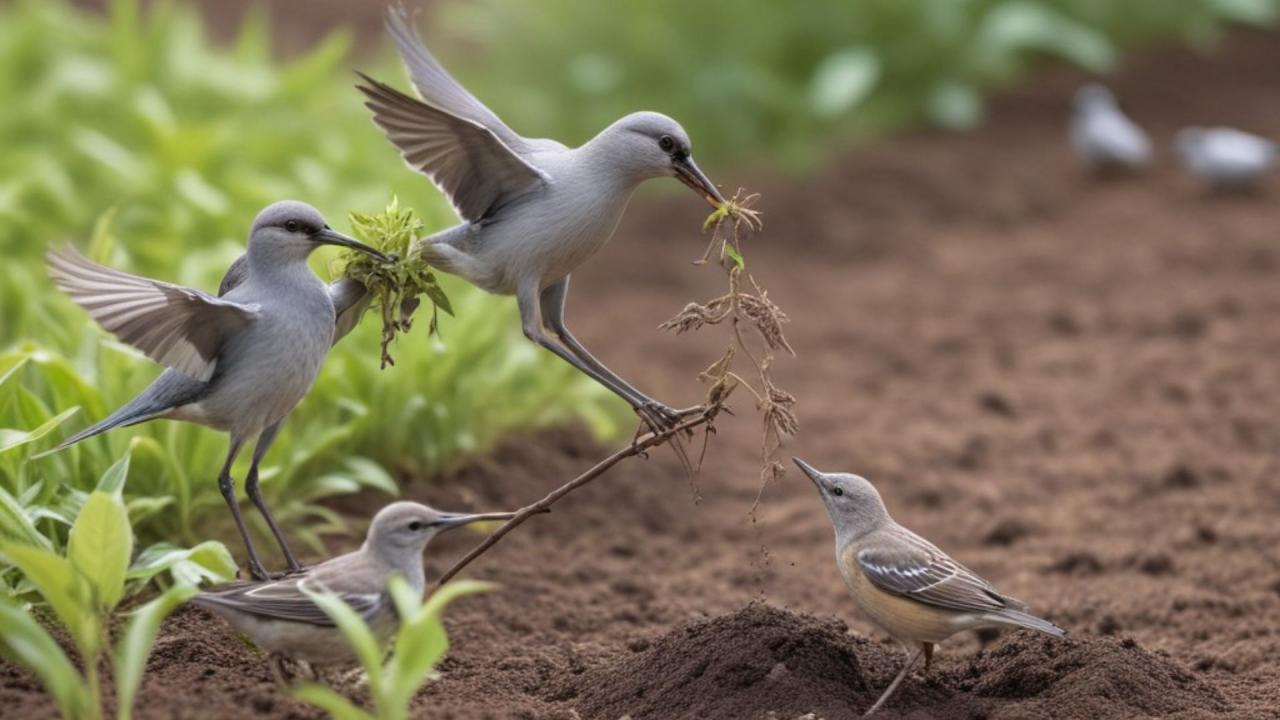
Understanding the specific plants that pose a threat to avian populations is crucial for effective preventative measures. Identifying these plants allows for targeted removal and education, minimizing the risk of accidental bird poisoning. This section details the toxicity of prominent problematic plants, their recognition, and the importance of swift action in their removal.
Toxic Effects of Oleander
Oleander (Nerium oleander) is a highly toxic plant species. Its milky sap contains cardiac glycosides, potent compounds that can cause severe and potentially fatal heart problems in birds. Ingestion of even small amounts of oleander can lead to arrhythmias, cardiac arrest, and ultimately, death. The leaves and stems of oleander are especially dangerous, and birds may ingest parts of the plant accidentally.
Early signs of oleander poisoning include tremors, incoordination, and labored breathing. 
Caption: Oleander (Nerium oleander) is a visually striking shrub or small tree, recognized by its glossy, dark green leaves and clusters of fragrant, pink, white, or red flowers. Its beauty should not overshadow its significant toxicity to birds.
Identifying and Removing Oleander
Recognizing oleander is relatively straightforward. Its distinctive foliage and flower clusters are key identifiers. If you suspect oleander in your area, consult with a local expert or online resources to verify the plant’s identity. Removal should be done carefully, taking into account the potential for the sap to cause skin irritation. Gloves and protective gear are recommended.
Consider professional removal for large plants or if you are not comfortable handling the plant. After removal, dispose of the plant parts appropriately.
Toxic Effects of Rhododendron
Rhododendrons (various species) are another common garden plant that poses a risk to birds. They contain grayanotoxins, compounds that disrupt the nervous system and can be lethal to birds. Symptoms of rhododendron poisoning include tremors, weakness, and difficulty breathing. Similar to oleander, birds may ingest the leaves or other parts of the plant, leading to adverse health effects.

Caption: Rhododendrons are known for their vibrant flowers and lush foliage. They come in various colors and shapes, but their attractiveness should not overshadow the potential risk to birds. Various species exhibit similar toxic properties.
Toxic Effects of Privet
Privet (Ligustrum species) is a shrub or small tree with small, oval-shaped leaves. It is not as immediately lethal as oleander or rhododendron, but it contains toxic compounds that can cause gastrointestinal distress in birds. The ingestion of privet can lead to vomiting, diarrhea, and loss of appetite. Prolonged exposure to privet can result in chronic health problems.

Caption: Privet shrubs are recognizable by their dense foliage, small oval leaves, and clusters of small, white flowers. While not as immediately fatal as other plants, chronic exposure to privet can have negative impacts on birds’ health.
Importance of Proper Plant Identification
Accurate plant identification is critical in preventing bird poisoning. Misidentification can lead to inappropriate actions or inaction, increasing the risk of exposure. Consult with experienced horticulturalists, local agricultural extension offices, or online resources to ensure accurate identification. Using reliable field guides or expert advice is vital to confirm plant toxicity.
Table of Toxic Plants and Impacts
| Plant Name | Toxicity Level | Symptoms | Prevention Methods |
|---|---|---|---|
| Oleander (Nerium oleander) | High | Arrhythmias, cardiac arrest, tremors, incoordination, labored breathing | Remove from area, dispose of properly, use caution during removal. |
| Rhododendron (various species) | High | Tremors, weakness, difficulty breathing | Remove from area, dispose of properly, use caution during removal. |
| Privet (Ligustrum species) | Moderate | Vomiting, diarrhea, loss of appetite | Remove from area, dispose of properly, use caution during removal. |
Final Conclusion
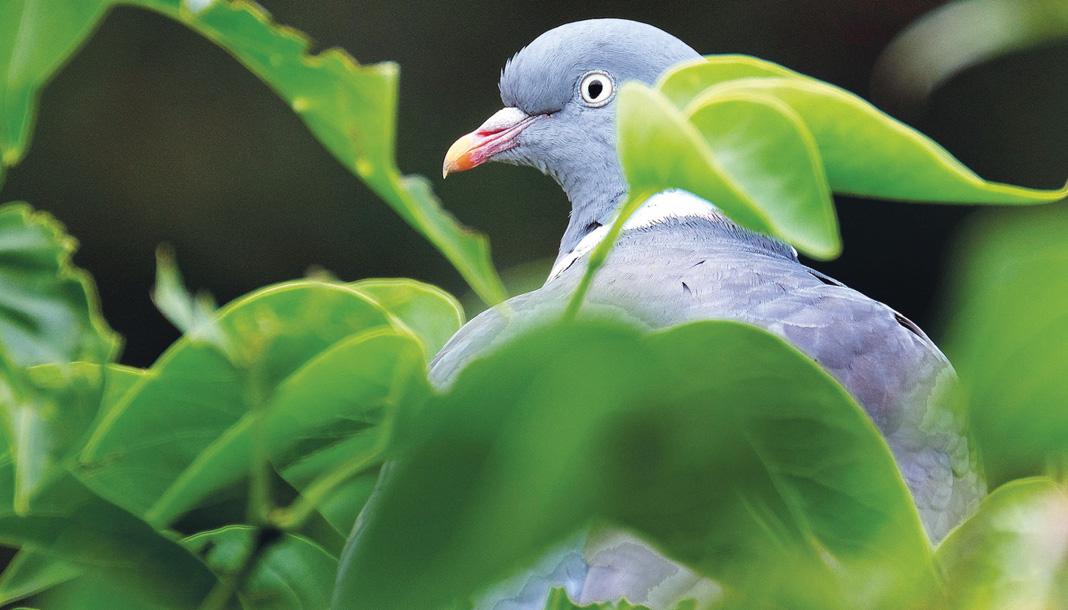
In conclusion, safeguarding birds from toxic plants requires a multifaceted approach. By identifying dangerous species, implementing prevention strategies, and promoting responsible landscaping, we can significantly reduce the risk of bird poisoning. This guide serves as a valuable resource for individuals and communities committed to protecting avian life and fostering healthy, bird-friendly environments. Remember, knowledge is power, and informed action is essential for preserving the well-being of our feathered companions.