A parrot’s seed diet is crucial for their health and well-being. This comprehensive guide delves into the intricacies of providing parrots with a balanced and nutritious seed-based diet. From selecting the right seeds to understanding portion sizes and supplementation, we’ll explore every aspect of this vital aspect of parrot care.
This guide will equip you with the knowledge and practical strategies needed to ensure your feathered friend receives the optimal nutrition from seeds. We’ll cover everything from the fundamental principles of a healthy seed diet to more advanced considerations like species-specific needs and common troubleshooting.
Introduction to Parrots’ Seed Diet

A balanced seed diet is crucial for the health and well-being of parrots. Seeds provide essential nutrients, but their nutritional value varies greatly. A diet solely composed of a limited selection of seeds can lead to nutritional deficiencies and health problems in these fascinating birds. Understanding the types of seeds available and their nutritional content is paramount for responsible parrot ownership.A parrot’s seed diet, while providing some necessary nutrients, should never be the sole source of nutrition.
It’s vital to supplement with a variety of fresh fruits, vegetables, and other foods to ensure a complete and balanced diet. A proper understanding of the nutritional needs of different parrot species is essential to creating a healthy and fulfilling diet.
Types of Parrot Seeds and Their Nutritional Value
Parrots have diverse nutritional requirements, and the seeds they consume play a significant role in meeting those needs. Different types of seeds offer varying levels of nutrients, making a diverse seed selection essential.
- Sunflower Seeds: A popular choice, sunflower seeds are rich in healthy fats, contributing to a parrot’s energy needs. However, their high fat content should be considered, as overfeeding can lead to weight gain. They also contain a decent amount of protein and some vitamins, but are not a complete nutritional source.
- Safflower Seeds: These seeds offer a good source of healthy fats and some protein. They are less caloric than sunflower seeds, making them suitable for birds needing to maintain a healthy weight. Their nutritional profile varies, but they generally have a good amount of fiber.
- Niger Seeds (Black Oil Seeds): These seeds are a valuable source of vitamins and minerals. They are a popular choice for smaller parrots due to their high nutritional density, offering essential nutrients for growth and development. Their high fat content should be moderated.
- Canary Seeds: Canary seeds are a good source of protein and some vitamins. They are typically a good choice for supplementing other seeds in a balanced parrot diet, but should not be the primary seed source.
- Mixed Seeds: Pre-mixed seed blends are readily available, but they often contain lower quality seeds or are high in fillers. A critical analysis of the ingredients and a good understanding of parrot nutritional requirements is necessary when selecting a pre-mixed blend.
Nutritional Comparison of Parrot Seeds
Understanding the nutritional content of different seeds is crucial for creating a balanced diet. The following table provides a comparison of various seed types and their approximate nutritional content. Note that these values can vary based on the specific seed variety and growing conditions.
| Seed Type | Protein (%) | Fat (%) | Vitamins & Minerals |
|---|---|---|---|
| Sunflower Seeds | 18-22 | 40-50 | Vitamin E, B-complex |
| Safflower Seeds | 10-15 | 30-40 | Vitamin B6, Iron |
| Niger Seeds | 15-20 | 35-45 | Vitamin E, Calcium |
| Canary Seeds | 12-18 | 20-30 | Vitamin A, B-complex |
| Mixed Seeds | Variable | Variable | Variable, often lower quality |
Choosing the Right Seeds
Selecting appropriate parrot seeds is crucial for their overall health and well-being. A balanced diet, rich in essential nutrients, is fundamental to supporting their vibrant plumage, strong beaks, and active lifestyles. This section will delve into the factors to consider when choosing seeds, highlight nutritional differences between seed types, provide recommended seed mixes, and emphasize the importance of avoiding harmful additives.
Key Factors to Consider
Careful selection of parrot seeds is essential to ensure a balanced and nutritious diet. Factors like seed size, nutritional content, and suitability for specific parrot species should be taken into account. Parrots with different beak sizes and dietary preferences will have varying seed needs. For example, a small parrot may struggle to consume large seeds, whereas a larger parrot might require a more substantial seed mix.
Understanding the specific needs of the parrot species is critical.
Nutritional Differences Between Seed Types
Different seeds offer varying nutritional profiles. Some seeds are rich in fats, while others are abundant in proteins or carbohydrates. Sunflower seeds, for instance, are high in fat, while millet seeds are a good source of carbohydrates. Understanding these differences is vital to formulating a balanced diet for the parrot. A diet that only includes sunflower seeds, while providing energy, lacks essential nutrients like protein and vitamins, which can lead to health issues.
A balanced mix of seeds is essential for optimal nutrition.
Recommended Parrot Seed Mixes
A variety of commercially available seed mixes are formulated to meet the nutritional needs of parrots. These mixes typically include a blend of different seeds, aiming to provide a more complete and balanced diet. Careful consideration should be given to the specific needs of the parrot species when selecting a seed mix.
- High-quality seed mixes often contain a blend of seeds like canary, sunflower, millet, and safflower, offering a broader range of nutrients.
- Specialized mixes cater to specific parrot species. These mixes may have different proportions of seeds to address the unique nutritional requirements of certain birds.
Comparison of Popular Seed Mixes and Suitability
The following table contrasts popular seed mixes and their suitability for different parrot species, highlighting the potential benefits and drawbacks for each.
| Seed Mix | Suitable Species | Potential Benefits | Potential Drawbacks |
|---|---|---|---|
| Sunflower Seed Mix | Larger parrots, some species with high energy needs | High energy content, good source of fat | Can be high in fat, potentially lacking essential nutrients |
| Canary Seed Mix | Smaller parrots, some species with specific dietary requirements | Good source of protein, vitamins, and minerals | May not provide sufficient energy for larger parrots |
| Specialty Parrot Seed Mix (e.g., African Grey, Macaw) | Species-specific | Formulated to meet specific nutritional needs of a particular parrot species | Might not be suitable for other species, potentially more expensive |
Importance of Avoiding Seeds with Added Toxins or Chemicals
Seeds should be free from added toxins or chemicals, as these can have adverse effects on the parrot’s health. Always check the ingredients list and look for seeds that are organically grown or processed using natural methods. Avoid seeds treated with pesticides or herbicides, as these chemicals can be detrimental to the parrot’s health. Choose seeds that are not coated in harmful chemicals or preservatives.
Purchasing from reputable breeders or pet stores that prioritize quality and safety is recommended.
Portion Control and Frequency
A balanced seed diet for parrots goes beyond just selecting the right seeds; it also involves careful consideration of portion sizes and feeding frequency. Proper portioning prevents overfeeding, which can lead to various health problems, and ensures your feathered friend receives the necessary nutrients without excess. This section will delve into the appropriate portion sizes for different parrot species and sizes, optimal feeding frequencies, and strategies for adjusting these factors based on individual needs.Understanding the specific dietary needs of your parrot is crucial for maintaining their overall health and well-being.
Factors like age, activity level, and any underlying health conditions can significantly impact the appropriate portion sizes and feeding schedule. Consistency and attention to these details are key to a thriving parrot.
Appropriate Portion Sizes
The ideal portion size for a parrot is dependent on its species, size, and activity level. A larger parrot, such as a Macaw, will require a larger portion size than a smaller species like a Budgie. Young, growing parrots also need more food than adults. Generally, portion sizes should be adjusted to meet the parrot’s needs and prevent obesity.
Optimal Feeding Frequency
The optimal feeding frequency for parrots is typically two to three times a day. This frequency allows for a balanced intake of nutrients and avoids leaving food out for extended periods, which can lead to spoilage and potential health risks. Adjustments to this frequency might be necessary depending on the parrot’s individual needs.
Adjusting Portions Based on Activity Levels and Health Conditions
Parrots with higher activity levels, such as those engaged in frequent play or exploration, may require slightly larger portions to meet their energy needs. Conversely, parrots with less active lifestyles may need smaller portions. Parrots with health conditions, such as digestive issues or weight problems, may require a more carefully managed feeding schedule and portion sizes. Consult with a veterinarian or avian specialist to determine any necessary adjustments to their diet.
Importance of Avoiding Overfeeding
Overfeeding can lead to a multitude of health issues in parrots. Excess weight gain can cause problems such as joint pain, respiratory difficulties, and an increased risk of other diseases. Overfeeding can also disrupt the parrot’s natural digestive processes. Careful monitoring of your parrot’s weight and body condition is essential to prevent overfeeding.
Recommended Daily Seed Portions
| Parrot Size/Species | Approximate Daily Seed Portion (grams) |
|---|---|
| Small Parrots (Budgies, Finches) | 5-10 grams |
| Medium Parrots (Cockatiels, Lovebirds) | 10-15 grams |
| Large Parrots (Macaws, Amazons) | 15-25+ grams |
Note: These are approximate guidelines. Individual needs may vary based on age, activity level, and specific health conditions. Always consult with a veterinarian or avian specialist for personalized recommendations.
Supplementing the Seed Diet
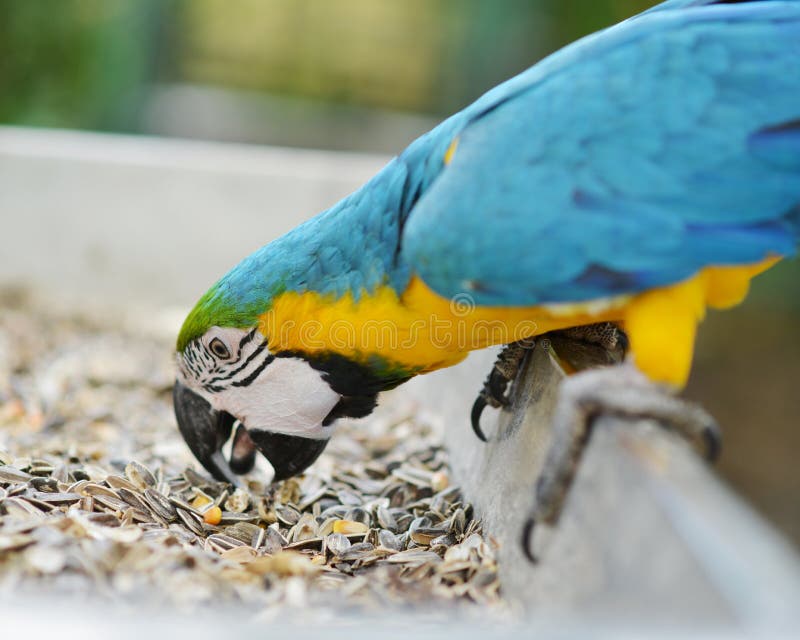
A parrot’s seed diet, while providing some nutrients, often falls short of meeting all their nutritional needs. To ensure optimal health and well-being, a diverse and balanced diet is crucial. This involves supplementing the seed diet with fresh fruits, vegetables, and other healthy foods.Supplementing a parrot’s diet with fresh produce is vital for their overall health. A balanced diet provides essential vitamins, minerals, and antioxidants that promote healthy growth, strong immune systems, and vibrant plumage.
This is far more beneficial than relying solely on seeds, which can lead to nutritional deficiencies over time.
Importance of Supplementing
Parrots require a variety of nutrients to thrive. A diet consisting solely of seeds lacks the crucial vitamins, minerals, and antioxidants found in fresh fruits and vegetables. These supplements help maintain optimal health and support vital bodily functions. By diversifying their diet, owners can ensure their parrots receive the full spectrum of nutrients they need for a long and healthy life.
Gradual Introduction of Supplements
Introducing new foods to a parrot’s diet should be done gradually. Sudden changes can upset their digestive system. Begin by offering small portions of the new food alongside their usual seed mix. Observe their reaction and adjust the quantity accordingly. If the parrot shows signs of digestive distress, such as vomiting or diarrhea, reduce the amount of the new food or temporarily discontinue its use.
Healthy Fruits and Vegetables for Parrots
A wide range of fruits and vegetables can be safely incorporated into a parrot’s diet. These foods offer a wealth of nutrients and contribute to a balanced nutritional intake. Remember to thoroughly wash all fruits and vegetables before offering them to your parrot.
- Berries (strawberries, blueberries, raspberries): These berries are packed with antioxidants and offer a delightful treat for your feathered friend. Ensure they are free of pesticides.
- Apples (avoid seeds): Apples are a good source of fiber and vitamins. Always remove the core and seeds, as these can be harmful to parrots.
- Bananas: Bananas are a good source of potassium and carbohydrates. Offer them in moderation, as too much can lead to digestive issues.
- Carrots: A good source of vitamin A and fiber, carrots are a nutritious addition to your parrot’s diet. Provide them in small, easily manageable pieces.
- Broccoli: Broccoli provides essential vitamins and minerals. Offer small florets, ensuring they are not overly seasoned or cooked.
- Spinach: A leafy green, spinach provides vitamins and minerals, but be mindful of the potential for oxalates. Offer it sparingly.
- Bell peppers (various colors): These are a great source of vitamins C and A. Offer small pieces of various colors for a wider range of nutrients.
- Sweet Potatoes: These are a good source of beta-carotene, converted to vitamin A in the body. Cook them thoroughly and offer in small pieces.
Nutritional Benefits of Fruits and Vegetables
A variety of fruits and vegetables provide parrots with essential nutrients. The table below highlights some of the key benefits associated with different choices.
| Fruit/Vegetable | Key Nutritional Benefits |
|---|---|
| Berries | Antioxidants, Vitamins C & K |
| Apples | Fiber, Vitamin C |
| Bananas | Potassium, Carbohydrates |
| Carrots | Vitamin A, Fiber |
| Broccoli | Vitamins C & K, Fiber |
| Spinach | Vitamins A & K, Iron |
| Bell Peppers | Vitamin C, Vitamin A |
| Sweet Potatoes | Vitamin A, Fiber |
Preparing Fruits and Vegetables for Parrots
Proper preparation is essential to ensure the safety and palatability of the food for your parrot. Always wash fruits and vegetables thoroughly. Cut them into small, manageable pieces that your parrot can easily eat and avoid choking hazards. Avoid using any pesticides or chemicals on the fruits and vegetables.
“Always supervise your parrot while they are eating fruits and vegetables to ensure they are not choking or having any difficulty.”
Avoiding Harmful Seeds
A parrot’s diet should prioritize safe and nutritious seeds to ensure their well-being. Choosing the right seeds is crucial for their overall health, and recognizing harmful varieties is equally important. This section highlights the dangers of certain seeds and emphasizes the importance of proper seed selection to maintain a healthy parrot.
Common Harmful Seed Varieties
Many seeds, though appealing, can pose significant health risks to parrots. These seeds often contain toxins, allergens, or other harmful compounds. Understanding the characteristics of these seeds is essential to prevent potential health issues.
- Avocado Seeds: Avocado seeds contain persin, a toxin that can cause various health problems in birds, including vomiting, diarrhea, and even death. Avoid providing these seeds entirely.
- Macadamia Nuts: Macadamia nuts are known to be toxic to parrots, causing symptoms such as tremors, lethargy, and loss of appetite. Their consumption should be strictly avoided.
- Chocolate: Theobromine, a compound found in chocolate, is highly toxic to birds. Even small amounts can cause significant health problems, including rapid heartbeat, tremors, and seizures.
- Grapes and Raisins: Although sometimes given as treats, grapes and raisins can cause kidney failure in some birds. Their inclusion in a parrot’s diet should be avoided.
- Salty Foods: Excess salt can disrupt a parrot’s electrolyte balance, leading to serious health problems. Avoid providing salted seeds or foods.
Reasons for Harm
The harmful effects of certain seeds stem from various factors, including the presence of toxins, allergens, or high concentrations of certain nutrients that can be detrimental to a parrot’s health. Some seeds contain compounds that can cause gastrointestinal distress, while others can disrupt organ function.
Seeds to Avoid
A comprehensive list of seeds that should be avoided includes, but is not limited to:
- Avocado seeds
- Macadamia nuts
- Chocolate
- Grapes and raisins
- Salty foods
- Seeds from certain plants, such as oleander, or any seeds that are not specifically approved for parrots
Dangers of Moldy, Old, or Damaged Seeds
Moldy, old, or damaged seeds are dangerous due to the presence of mycotoxins, which are harmful substances produced by mold. These toxins can cause a range of health problems, from digestive issues to liver damage and even death.
- Moldy Seeds: Mold can release toxins that can harm the parrot’s internal organs, particularly the liver and kidneys. Discard any seeds showing signs of mold or discoloration.
- Old Seeds: Over time, seeds can lose their nutritional value and may become contaminated with harmful microorganisms. Always ensure the seeds are fresh.
- Damaged Seeds: Damaged seeds can be a breeding ground for bacteria and mold, presenting a health risk to parrots. Inspect seeds for any signs of damage before feeding.
Harmful vs. Safe Alternative Seeds
The following table provides a comparison of harmful seeds with safe alternative seeds that are suitable for parrot consumption.
| Harmful Seed | Safe Alternative | Reasoning |
|---|---|---|
| Avocado Seeds | Sunflower seeds | Avocado seeds contain persin, a toxin harmful to parrots. Sunflower seeds are a healthy alternative. |
| Macadamia Nuts | Pumpkin seeds | Macadamia nuts are toxic to parrots. Pumpkin seeds are a good source of nutrients and are safe. |
| Chocolate | Safflower seeds | Chocolate contains theobromine, toxic to birds. Safflower seeds are a safe and nutritious alternative. |
| Grapes and Raisins | Flax seeds | Grapes and raisins can cause kidney problems in some birds. Flax seeds are a healthy and safe alternative. |
Water and Hydration
Providing fresh, clean water is paramount to a parrot’s health and well-being. Parrots, like all birds, require a constant source of water for drinking, bathing, and maintaining their internal bodily functions. Dehydration can lead to serious health issues, including organ damage and even death. Therefore, ensuring a reliable and accessible water source is crucial for their overall health.Parrots are highly active creatures with complex physiological needs.
Maintaining proper hydration levels is vital for their digestion, metabolism, and overall comfort. The availability of clean, fresh water is not merely a convenience; it is a fundamental requirement for a healthy parrot.
Types of Water Dishes
Parrots, with their diverse sizes and personalities, can be accommodated with various water dishes. Choosing the right dish can greatly improve their ability to access and utilize the water source. A shallow dish is suitable for smaller parrots, while larger parrots might prefer a deeper dish, offering more space for bathing. The dish’s material is also important; non-toxic, easy-to-clean materials are recommended.
Consider dishes with smooth surfaces to prevent injury to their beaks.
Maintaining a Consistent Water Supply
A consistent supply of fresh water is critical for parrot health. The water should always be changed daily to prevent the growth of bacteria and the accumulation of contaminants. Parrots may not always drink from a dish; consider providing a shallow dish for bathing as well. The frequency of changing water depends on the size of the dish, number of parrots, and environmental conditions.
For example, in a hot and humid environment, the water might need changing more frequently.
Common Mistakes in Water Provision
Several common mistakes can negatively impact a parrot’s hydration. Using dirty or stagnant water is a significant concern, as this can lead to bacterial contamination and disease. Providing insufficient water volume can cause dehydration. Furthermore, placing the water dish in an inaccessible or inconvenient location can also be detrimental. Finally, using inappropriate water dishes, such as those with rough surfaces or difficult access points, can deter parrots from drinking.
- Using dirty or stagnant water leads to bacterial contamination and disease.
- Insufficient water volume leads to dehydration.
- Inappropriate placement of water dishes can deter drinking.
- Using inappropriate water dishes (e.g., with rough surfaces) can be detrimental.
Signs of Dehydration in Parrots
Recognizing the signs of dehydration is crucial for prompt intervention and treatment. These signs can vary from subtle changes in behavior to more pronounced symptoms. Monitor your parrot regularly for any unusual signs, which may indicate a need for immediate veterinary attention.
- Lethargy and Reduced Activity: A parrot that is normally active may become sluggish and less responsive to stimuli. This is an early warning sign.
- Dry Mouth and Eyes: A noticeable dryness in the mouth and eyes is a significant indicator of dehydration. Observe the parrot’s beak and eye area.
- Loss of Appetite: A decrease in appetite can accompany dehydration, as the parrot’s body prioritizes water retention.
- Sunken Eyes: Parrots with sunken eyes are likely dehydrated. This symptom is a serious sign and requires immediate veterinary attention.
- Dry Skin and Feathers: Parrots with dry skin and feathers may be dehydrated. This is a visible sign that requires immediate attention.
Handling and Storage of Seeds
Proper storage of parrot seeds is crucial for maintaining their nutritional value and preventing the growth of harmful microorganisms. Fresh seeds provide optimal nutrition for your feathered friend, while improperly stored seeds can quickly become stale, moldy, or attract pests, compromising their health. This section will guide you on best practices for seed storage, ensuring your parrot receives the freshest, safest feed.
Importance of Proper Seed Storage
Maintaining optimal seed freshness is vital for parrot health. Proper storage methods prevent the growth of mold, bacteria, and fungi, which can cause serious illnesses. Seeds that have been exposed to moisture or pests may contain harmful toxins. Ensuring seeds remain dry and protected from pests is a crucial aspect of responsible parrot ownership.
Best Storage Methods for Maintaining Seed Freshness
To maximize the nutritional value and prevent spoilage, utilize appropriate storage methods. Store seeds in airtight containers to prevent moisture absorption and pest infestation. Choose containers made from materials that do not react with the seeds, such as glass or plastic. Properly sealed containers are essential to prevent the seeds from absorbing moisture and odors from the surrounding environment.
Importance of Keeping Seeds Away from Moisture and Pests
Moisture is a major enemy of seed freshness. High humidity can lead to mold and mildew growth, rendering the seeds unfit for consumption. Pests, such as rodents and insects, can also infest seed stores, contaminating them with droppings and other harmful substances. Therefore, protecting seeds from both moisture and pests is critical for maintaining their quality.
Storage Containers Suitable for Parrot Seeds
Various containers can effectively store parrot seeds. Glass jars, airtight plastic containers, and specialized seed storage containers are suitable choices. Ensure the containers are airtight to prevent moisture and pest entry. Consider the size of the container relative to the amount of seed you need to store.
Comparison of Different Storage Methods and their Effectiveness
Different storage methods offer varying degrees of protection for parrot seeds. Airtight containers are generally the most effective method for preserving seed freshness. They prevent moisture from entering and pests from gaining access. Properly sealed glass jars are a good option, providing excellent protection from environmental factors. Specialized seed storage containers often come with features to prevent moisture and pest intrusion, increasing their effectiveness.
Consider the advantages and disadvantages of each method when choosing the appropriate storage solution.
- Glass Jars: These offer excellent protection from pests and moisture due to their airtight seals. However, they may be more prone to breakage compared to plastic containers.
- Airtight Plastic Containers: These are a convenient option, often stackable and available in various sizes. They are relatively durable and moisture-resistant. Ensure the container has a secure lid to prevent leaks.
- Specialized Seed Storage Containers: These containers are specifically designed to keep seeds fresh and pest-free. They may include features such as desiccant packs to absorb moisture or ventilation holes for air circulation.
Troubleshooting and Addressing Issues
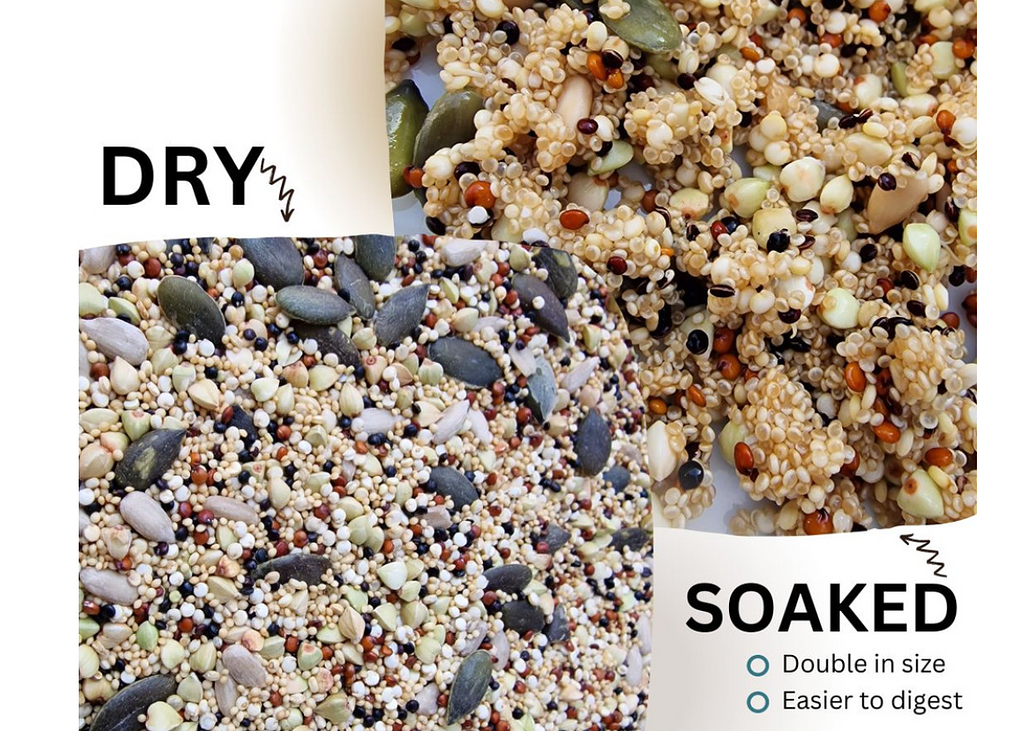
Proper parrot nutrition is crucial for their well-being and longevity. Troubleshooting potential feeding problems allows for timely intervention and prevents more serious health concerns. Understanding the signs of nutritional deficiencies and knowing how to safely introduce new foods are essential skills for any parrot owner.A comprehensive approach to parrot feeding involves vigilance, observation, and a willingness to seek professional guidance when needed.
By carefully monitoring your parrot’s behavior and physical condition, you can identify potential issues early and implement appropriate solutions.
Common Feeding Problems and Solutions
Addressing potential feeding problems requires careful observation and a proactive approach. Early detection allows for swift intervention and prevents escalation of issues.
- Loss of Appetite: A parrot refusing food could indicate underlying health problems, such as illness, stress, or dental issues. Monitor for other symptoms like lethargy, discharge from the eyes or nostrils, or changes in droppings. If the loss of appetite persists, consult a veterinarian immediately.
- Overfeeding: Providing excessive amounts of seeds can lead to obesity, digestive issues, and nutritional imbalances. Maintaining a consistent feeding schedule and appropriate portion sizes is key.
- Selective Eating: Parrots may exhibit selective eating patterns, choosing certain seeds or foods over others. Gradually introduce a variety of seeds and foods to broaden their acceptance. If the selective eating persists and causes nutritional deficiencies, seek veterinary advice.
Signs of Nutritional Deficiencies
Recognizing nutritional deficiencies in parrots is vital for early intervention. These deficiencies can manifest in various ways, impacting the parrot’s overall health.
- Feather Problems: Abnormal feather growth, loss, or discoloration can be a symptom of nutritional deficiencies. Poor quality feathers often indicate a lack of essential vitamins and minerals. The plumage may appear dull, brittle, or have abnormal pigmentation.
- Behavioral Changes: Changes in behavior, such as lethargy, decreased activity, or aggression, can sometimes indicate nutritional imbalances. These changes could be indicative of other underlying conditions, requiring veterinary consultation.
- Digestive Issues: Diarrhea, vomiting, or changes in droppings can be signs of digestive upset, which might be related to the seed diet. Observe the consistency, color, and frequency of droppings for any significant changes.
- Slow Growth or Development: In young parrots, slow growth or development can suggest deficiencies in essential nutrients. Ensure a balanced diet tailored to the parrot’s age and developmental stage.
Potential Solutions for Common Feeding Problems
Addressing parrot feeding problems requires a multifaceted approach. Implementing these solutions should improve your parrot’s overall health and well-being.
- Adjust Portion Sizes and Frequency: Modify the amount and frequency of seed servings to address potential overfeeding or underfeeding issues. Adjusting portions according to your parrot’s size, age, and activity level can ensure they receive the right amount of nutrients without excess.
- Introduce Variety: Supplement the seed diet with fresh fruits, vegetables, and pellets. Introducing a wide array of foods gradually will broaden your parrot’s palate and ensure a balanced nutritional intake.
- Consult a Veterinarian: If problems persist, a veterinarian can diagnose the underlying cause and recommend a more tailored approach to feeding and overall care.
Introducing New Seeds or Foods
Safe introduction of new foods prevents digestive upset and ensures smooth transition for your parrot.
- Gradual Introduction: Introduce new seeds or foods gradually, starting with small quantities and observing your parrot’s reaction. Monitor for any adverse reactions like digestive issues or allergic responses.
- Monitoring for Reactions: Pay close attention to your parrot’s behavior and droppings for any signs of digestive upset or allergic reactions after introducing new foods. If problems arise, discontinue the new food and consult your veterinarian.
- Maintaining a Balanced Diet: Ensure that the new food is incorporated into a balanced overall diet, maintaining a diverse range of seeds, fruits, and vegetables.
Importance of Veterinary Consultation
Seeking veterinary guidance is crucial for addressing persistent feeding problems and ensuring your parrot’s health.A veterinarian can diagnose underlying health conditions and recommend appropriate dietary adjustments or treatments.
Different Parrot Species and Their Dietary Needs
Parrot species exhibit a remarkable diversity in their dietary preferences and nutritional requirements. Understanding these variations is crucial for providing optimal care and ensuring the well-being of your feathered friend. A balanced diet, tailored to the specific needs of your parrot, is vital for maintaining their health and promoting longevity.Different parrot species have evolved unique digestive systems and metabolic rates, impacting their ability to process various food sources.
Consequently, a one-size-fits-all approach to parrot feeding is not appropriate. Careful consideration of each species’ unique requirements is essential for a thriving and healthy parrot.
Dietary Requirements Comparison
Different parrot species have varied dietary requirements. Some species are primarily seed-eaters, while others have more diverse preferences, incorporating fruits, vegetables, nuts, and even insects. Understanding these variations allows for the development of a tailored feeding plan.
Parrot Species and Typical Seed Needs
A general overview of seed preferences for various parrot species is presented below. It’s important to remember that these are guidelines, and individual preferences can vary. Always prioritize a balanced diet that includes a diverse range of foods.
- Small parrots, like budgies and cockatiels, typically thrive on a diet consisting primarily of small seeds, such as millet, canary seed, and other small-sized seeds. These species have evolved to consume seeds as their primary food source.
- Larger parrots, like macaws and amazons, have a broader dietary range, incorporating a variety of seeds, nuts, and fruits. Their larger size necessitates a more substantial and nutritious diet.
Specific Nutritional Needs of Different Parrot Species
Parrot species have distinct nutritional needs related to their size, activity level, and metabolic rate. For instance, smaller parrots might need more frequent feeding to meet their daily energy requirements. Likewise, larger parrots, with their higher metabolic rates, might need a more substantial diet to maintain their health and activity levels. Dietary adjustments are vital to maintain optimal health.
Importance of Adjusting Diet Based on Age and Health
Parrot diets should be adjusted according to their age and health status. Young parrots require a diet rich in nutrients to support growth and development. Older parrots might have specific dietary needs to maintain their health and combat age-related issues. Ill parrots may require specialized diets to support their recovery. A veterinarian can provide guidance on specific dietary adjustments.
Table: Examples of Parrot Species and Preferred Seeds
The following table offers examples of parrot species and their typical preferred seeds. Note that this is not an exhaustive list and individual preferences may vary. Always consult with a veterinarian or avian specialist for personalized recommendations.
| Parrot Species | Typical Preferred Seeds |
|---|---|
| Budgerigar (Budgie) | Millet, canary seed, small seeds |
| Cockatiel | Millet, sunflower seeds, small seeds |
| African Grey Parrot | Sunflower seeds, nuts, fruits |
| Macaw | Nuts, seeds, fruits, vegetables |
| Amazon Parrot | Nuts, seeds, fruits, vegetables |
Conclusive Thoughts
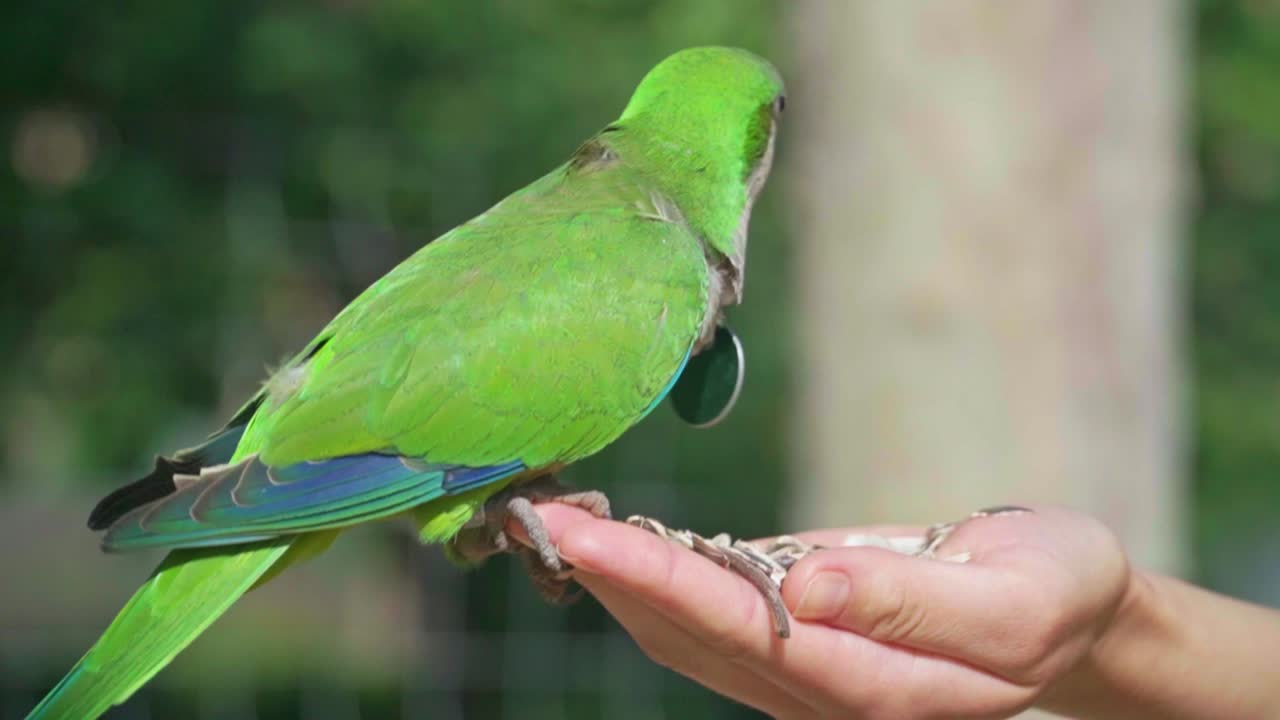
In conclusion, providing a healthy parrot seed diet is a multifaceted process that requires careful consideration of various factors, from seed selection and portion control to supplementation and preventative measures. By following the guidelines presented in this guide, you can ensure your parrot receives the essential nutrients they need to thrive and maintain optimal health. Remember, a balanced diet, coupled with proper care and attention, is key to a long and happy life for your feathered companion.