Parrots, with their vibrant personalities and captivating beauty, require a carefully curated diet to thrive. A crucial component of this diet is nuts, but understanding how to provide them safely and effectively is essential. This guide delves into the intricacies of parrot nut feeding, offering insights into species-specific needs, nutritional benefits, and safe preparation methods. We will explore the importance of a balanced diet, highlighting the role of nuts in supporting parrot health.
From choosing the right nuts to ensuring proper portion sizes and feeding frequency, this comprehensive guide provides practical advice for responsible parrot owners. We’ll also discuss potential allergies and dietary restrictions, and Artikel ways to incorporate nuts into a varied and healthy diet for your feathered friend.
Introduction to Parrots and Nut Feeding

Parrots, renowned for their vibrant plumage and captivating intelligence, are popular pets worldwide. These fascinating birds require specific dietary needs to thrive, and understanding these needs is crucial for their well-being. A balanced diet, incorporating various food sources, including nuts, is essential for a parrot’s overall health and longevity. This section will delve into the diverse world of parrot species and their unique nutritional requirements, particularly concerning nut consumption.A balanced diet for parrots is critical, ensuring they receive the necessary vitamins, minerals, and nutrients for optimal health.
Nuts, while a valuable source of healthy fats and protein, should be incorporated as part of a comprehensive diet, not as the sole source of nutrition. Their dietary needs vary significantly based on species, age, and individual health conditions. This necessitates a careful approach to nut feeding, tailoring the type and frequency to each parrot’s specific requirements.
Parrot Species and Dietary Needs
Parrots encompass a vast array of species, each with distinct characteristics and dietary preferences. Understanding these differences is paramount for providing appropriate nutrition, including the suitable types and quantities of nuts.
Nutritional Requirements Regarding Nuts
Nuts offer a valuable source of healthy fats, protein, and essential nutrients. However, their high caloric density necessitates careful portion control. Different parrot species have varying nutritional requirements, leading to diverse recommendations regarding nut consumption. The quantity of nuts in a parrot’s diet should be carefully considered, balancing their nutritional value with potential health risks.
Parrot Breeds and Preferred Nut Types
Various parrot breeds exhibit distinct preferences when it comes to nuts. These preferences are rooted in their natural diets and physiological adaptations. The following table summarizes the preferred nut types for several common parrot species:
| Parrot Species | Preferred Nuts | Feeding Frequency |
|---|---|---|
| African Grey | Brazil nuts, almonds | 1-2 times per week |
| Macaw | Pecans, walnuts | 1-2 times per week |
| Cockatiel | Sunflower seeds, peanuts | Daily |
Comparison of Nut Consumption
The table above provides a general guideline for nut feeding. It’s crucial to remember that these are just suggestions. Individual parrots may have different preferences or dietary needs, requiring adjustments to their nut intake. Always consult an avian veterinarian for personalized recommendations.
Types of Nuts Suitable for Parrots
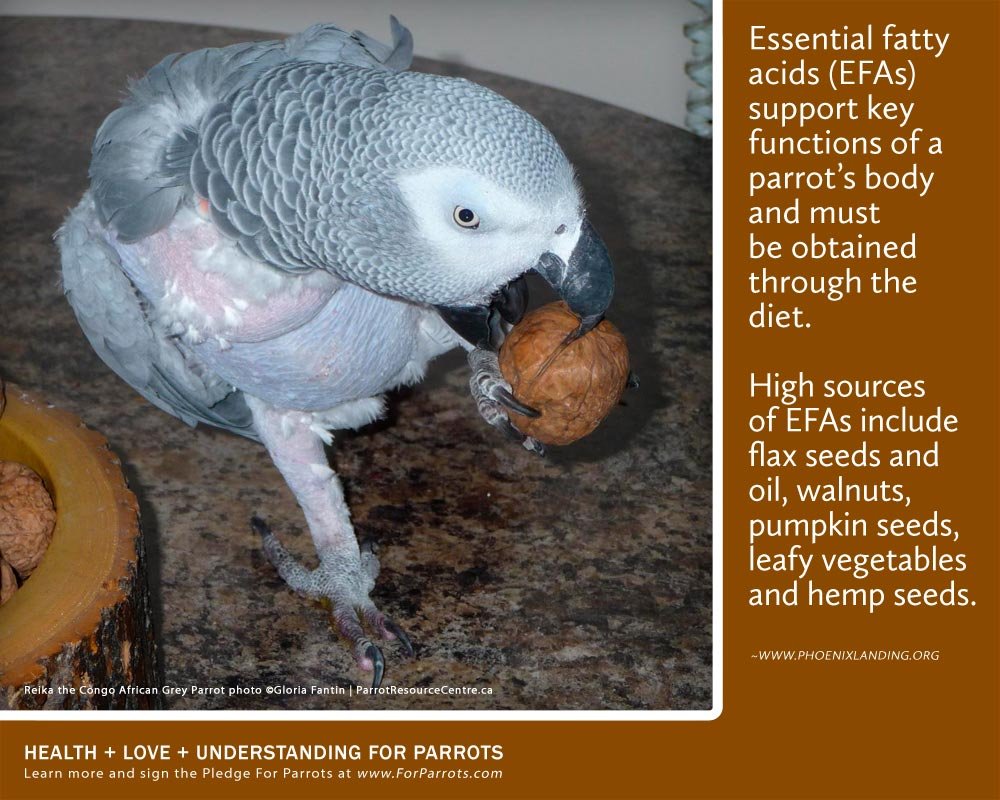
Providing a varied and nutritious diet is crucial for the well-being of parrots. Nuts, a rich source of essential nutrients, can play a vital role in their dietary needs. However, not all nuts are suitable for parrots, and careful selection is essential to avoid potential health issues.Understanding the nutritional content and potential risks associated with different nuts is key to ensuring your parrot receives the proper nourishment.
This section will detail the appropriate types of nuts, highlighting their nutritional benefits and potential risks.
Nuts Suitable for Parrot Consumption
A balanced diet for parrots includes a variety of healthy foods. Nuts, when given in moderation, can contribute significantly to this balance. Choosing the right nuts is critical, as some contain harmful components.
- Almonds: A good source of protein and healthy fats, almonds can be a valuable addition to a parrot’s diet. They are relatively easy to digest, and provide essential nutrients, but their high calorie count means moderation is key.
- Brazil Nuts: Rich in selenium, a crucial antioxidant, Brazil nuts are beneficial for parrots. They also provide healthy fats and protein, contributing to a healthy immune system. However, their high calorie content warrants careful portion control.
- Walnuts: A significant source of omega-3 fatty acids, walnuts are excellent for maintaining healthy skin and feathers. They also offer various other nutrients essential for a parrot’s overall health. However, like other nuts, moderation is important due to their high calorie content.
- Cashews: Cashews provide healthy fats, protein, and other important vitamins. They are generally well-tolerated by parrots and can contribute to a varied diet, but again, portion control is essential.
- Pecans: Pecans are another nutritious option. They are a good source of healthy fats and protein, offering valuable nutrients. Their relatively higher calorie count, however, requires careful monitoring.
Nutritional Comparison of Different Nuts
Understanding the varying nutritional profiles of different nuts can aid in crafting a more complete and balanced diet for your parrot. The nutritional content of nuts can vary significantly, influencing their suitability for parrot diets.
| Nut | Nutritional Benefits | Potential Risks |
|---|---|---|
| Almonds | Excellent source of protein and healthy fats, contributing to overall body development and maintenance. Also contain vitamin E, important for healthy skin and feathers. | High in calories, potential for digestive upset if consumed in excess. |
| Brazil Nuts | Exceptional source of selenium, a vital antioxidant. Also provide healthy fats, contributing to overall health and maintaining healthy feathers. | High in calories, potential for digestive upset if consumed in excess. Can be a choking hazard for small parrots. |
| Walnuts | Excellent source of omega-3 fatty acids, crucial for healthy skin and feathers, and brain function. Also contain protein and other beneficial nutrients. | High in calories, potential for digestive upset if consumed in excess. |
| Cashews | Provide healthy fats, protein, and other essential vitamins and minerals. Good for overall health and feather maintenance. | Potential for allergic reactions in some parrots. |
| Pecans | Good source of healthy fats, protein, and various vitamins and minerals. Important for healthy feather development and maintenance. | High in calories, potential for digestive upset if consumed in excess. |
Nuts to Avoid Feeding to Parrots
Certain nuts pose significant risks to parrot health. Avoiding these nuts is crucial for the well-being of your feathered friend.
- Macadamia Nuts: Macadamia nuts are toxic to parrots and other birds, causing a range of health problems, including tremors, weakness, and even death.
- Chocolate-Covered Nuts: Chocolate is toxic to birds and should never be given to them, regardless of whether it is wrapped around nuts or other foods. Theobromine, a substance in chocolate, is especially harmful.
- Salty Nuts: Excessive salt intake can lead to various health issues in parrots, including dehydration, kidney problems, and electrolyte imbalances. Avoid adding salt or feeding nuts that have been heavily salted.
Preparing Nuts for Parrot Consumption
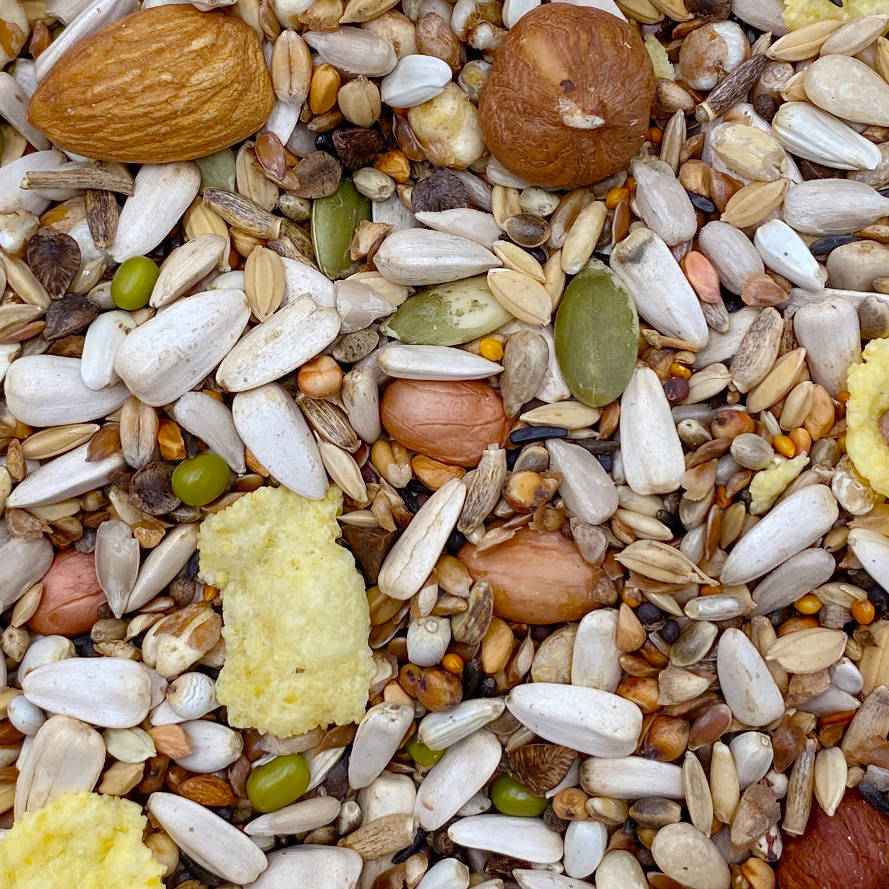
Proper preparation of nuts is crucial for ensuring safe and enjoyable consumption by parrots. This involves removing any potential hazards and breaking down the nuts into manageable pieces. Careful preparation minimizes choking risks and maximizes nutritional benefits for your feathered friend.Safe preparation techniques are essential for preventing health issues. Nuts, while nutritious, can contain elements that are harmful if ingested in their whole form.
Proper handling and preparation are vital for the well-being of your parrot.
Safe Methods for Preparing Nuts
Careful handling is paramount when preparing nuts for parrots. Avoid using tools or methods that could potentially damage the nut or introduce contaminants. The goal is to create pieces that are easy to consume without posing a choking hazard. Always supervise your parrot during feeding time to ensure they are handling the food safely.
Importance of Proper Nut Preparation
Proper preparation of nuts safeguards parrots from potential health issues. Improperly prepared nuts can contain hard-to-digest parts, choking hazards, or even toxins. By removing these elements, you promote healthy digestion and prevent potential problems. For instance, removing the outer shell of a pecan ensures the parrot can access the nutritious kernel without difficulty.
Removing Harmful Elements from Nuts
Removing harmful elements is a crucial step in nut preparation. This includes removing shells, husks, and any other hard or indigestible parts. Always use caution and ensure all potentially harmful elements are removed to prevent injury or discomfort to your parrot. For example, the hard outer shell of a walnut needs to be carefully cracked or broken to allow the parrot access to the soft inner meat.
Methods for Breaking Down Nuts
Several methods exist for breaking down nuts into appropriate sizes for parrots. Selection of the right method depends on the type of nut and the size of your parrot. Appropriate tools can facilitate the process. For instance, a nutcracker can efficiently break apart nuts like almonds and walnuts, while a hammer and a sturdy cutting board are ideal for larger nuts like macadamia nuts.
Tools and Equipment Needed
- Nutcracker: Essential for cracking smaller nuts like almonds, cashews, and peanuts. A sturdy nutcracker will prevent injury and allow for efficient cracking.
- Sharp Knife: A sharp knife is crucial for safely cutting larger nuts into manageable pieces. A serrated knife might be necessary for certain types of nuts. Ensure the knife is clean and sharp to avoid any damage to the nut.
- Hammer: A hammer is necessary for breaking larger nuts like macadamia nuts or walnuts. Use a soft-faced hammer to avoid damaging the nut. Place the nut on a sturdy cutting board to prevent movement and potential injury.
- Cutting Board: A sturdy cutting board is essential for safely breaking down nuts. It provides a stable surface to prevent the nut from rolling or slipping during the process.
- Tweezers: Tweezers are useful for removing small pieces of shell or husk from the nut. They can also be used to carefully extract the kernel from the shell.
Step-by-Step Guide on Preparing Nuts
- Inspection: Carefully examine the nut to identify any potential hazards, such as sharp edges or foreign objects.
- Shell Removal: Remove the outer shell or husk using a nutcracker, knife, or hammer, depending on the nut type.
- Breaking Down: Break the nut into smaller, manageable pieces using the appropriate tools, ensuring that the pieces are not too large for the parrot to consume.
- Inspection of Pieces: Thoroughly inspect the broken pieces for any remaining sharp edges or hard parts that could be harmful.
- Feeding: Offer the prepared nut pieces to your parrot in a safe and supervised manner. Monitor the parrot while they consume the food to ensure they are not choking or having difficulty.
Feeding Nuts to Parrots Safely
Providing nuts as a treat for parrots can be a rewarding experience, but careful consideration of portion sizes, feeding frequency, and potential risks is essential for their well-being. A balanced approach to nut feeding ensures that these treats complement, rather than compromise, a parrot’s overall diet.Understanding the appropriate guidelines for nut feeding helps owners provide nutritious and enjoyable experiences for their feathered companions, preventing any potential health issues.
Proper nut management is crucial for a parrot’s long-term health and happiness.
Proper Portion Sizes for Nuts
Parrots, like all animals, require balanced diets. While nuts offer valuable nutrients, overfeeding can lead to obesity and digestive issues. Determining the appropriate portion size is crucial for maintaining a parrot’s health. The suggested portion sizes are guidelines and should be adjusted based on the parrot’s size, activity level, and overall health. Smaller parrots generally need smaller portions than larger ones.
Observation is key to understanding an individual parrot’s needs.
Frequency of Nut Feeding
The frequency of nut feeding depends on several factors, including the parrot’s species, age, and overall diet. Some parrot species are more prone to developing certain health issues if nuts are a frequent part of their diet. A general guideline is to offer nuts as occasional treats, rather than a daily staple. The table below provides a general guideline for feeding frequency for common nuts.
It is always best to consult with an avian veterinarian to determine the optimal feeding schedule for your specific parrot.
Signs of Overfeeding in Parrots
Recognizing the signs of overfeeding is critical for preventing potential health problems. Overfeeding can manifest in several ways, including weight gain, decreased activity levels, and digestive distress. Monitoring a parrot’s weight, activity, and droppings can help identify any potential issues. Changes in behavior, such as lethargy or loss of appetite, should also be addressed by a veterinarian.
Overfeeding can lead to obesity, which has serious health consequences for parrots.
Presenting Nuts to Parrots
The way nuts are presented to parrots can significantly affect their enjoyment and consumption. Nuts should be offered in a way that encourages healthy foraging behavior and prevents choking hazards. Avoid offering whole, hard nuts to small parrots. Provide appropriate tools, such as nutcrackers or small bowls, to aid in the consumption process.
Safe Nut Feeding Practices
Following these guidelines will ensure that your parrot enjoys the nutritional benefits of nuts without experiencing any adverse effects.
| Nut | Portion Size | Feeding Frequency |
|---|---|---|
| Almonds | 1-2 | 1-2 times per week |
| Brazil nuts | 1-2 | 1-2 times per week |
| Walnuts | 1-2 | 1-2 times per week |
Handling Nut Allergies and Dietary Restrictions
Parrots, like many other species, can exhibit allergic reactions to certain foods, including nuts. Understanding these potential sensitivities is crucial for ensuring their well-being and preventing discomfort or more serious health issues. Careful observation and appropriate dietary adjustments are essential to maintain their optimal health.
Potential Nut Allergies in Parrots
Parrots can develop allergic reactions to various nuts, much like humans can. These reactions can range from mild discomfort to severe anaphylaxis. The specific nuts that trigger allergies can vary between individual birds, and even within the same species. Factors like genetics, previous exposure to allergens, and overall health contribute to the likelihood of an allergic response.
Signs of Nut Allergies in Parrots
Recognizing the signs of a nut allergy in a parrot is vital for prompt intervention. Allergic reactions can manifest in several ways. Common signs include: excessive scratching or preening around the beak or mouth area, swelling of the face or beak, difficulty breathing, or a sudden decrease in appetite. These symptoms are not exclusive to nut allergies, but if observed, they warrant a closer examination.
Importance of Monitoring Parrots for Allergic Reactions
Regular monitoring of a parrot’s response to new foods, including nuts, is crucial for their health. A parrot experiencing an allergic reaction might exhibit subtle changes in behavior or physical appearance that may not be immediately noticeable. Early detection of any adverse reaction is critical for prompt treatment and preventing the escalation of symptoms. It is essential to maintain a detailed food log, noting the types of nuts offered, the quantity, and the parrot’s response.
Methods to Determine if a Parrot is Allergic to a Specific Nut
Determining a parrot’s nut allergy involves a cautious and systematic approach. One method is to introduce a small amount of a suspected allergenic nut and closely observe the parrot for any signs of an allergic reaction. If a reaction occurs, that specific nut should be avoided entirely in the parrot’s diet. It is vital to consult with an avian veterinarian for a definitive diagnosis and tailored recommendations, especially in cases of suspected severe reactions.
Always proceed with caution when introducing new foods.
Dietary Restrictions for Specific Parrot Species
Some parrot species have inherent dietary preferences and sensitivities. For instance, certain small parrot species may be more prone to digestive issues when fed large, hard nuts, such as macadamia nuts. It is important to research the specific dietary requirements of the parrot species you own and adjust the nut selection accordingly. Always prioritize nuts that are appropriate for the parrot’s size and overall health.
Always consult with an avian veterinarian for specific dietary advice for your parrot species.
Nut Feeding and Parrot Health
A balanced diet is crucial for the overall well-being of parrots, and nuts, when offered appropriately, can contribute positively to their health. However, an understanding of both the benefits and potential pitfalls of nut feeding is essential for responsible parrot owners. Overfeeding or inappropriate nut selection can negatively impact their health.Proper nut inclusion in a parrot’s diet enhances their nutritional intake, contributing to their physical and mental well-being.
This includes providing essential vitamins, minerals, and healthy fats crucial for their vitality. However, responsible parrot owners must understand the potential health implications if nuts are overfed or if the wrong types are chosen.
Impact of Nut Consumption on Parrot Health
Nuts offer a concentrated source of nutrients, including healthy fats, proteins, and vitamins. Parrots require a variety of nutrients to maintain optimal health. Incorporating nuts in a balanced diet can help them meet these nutritional needs. This can contribute to strong bones, healthy feathers, and a vibrant disposition. However, it’s vital to remember that nuts should be part of a varied diet and not the sole component.
Importance of a Balanced Diet Including Nuts
A comprehensive parrot diet should encompass various food types, including fruits, vegetables, seeds, and, as mentioned, nuts. This balanced approach ensures the parrot receives a complete spectrum of essential nutrients, avoiding nutritional deficiencies. Nuts provide valuable nutrients but should not overshadow the importance of a diverse range of other food groups. A balanced diet will ensure optimal health and prevent potential health issues.
Potential Health Benefits of Feeding Nuts
Properly chosen and portioned nuts can provide parrots with several health benefits. Nuts, particularly those high in healthy fats, can support healthy skin and feathers. They also contribute to a healthy cardiovascular system. Certain nuts contain minerals like calcium and phosphorus, essential for strong bones and overall skeletal health. These nutrients, when provided in moderation, contribute significantly to a parrot’s well-being.
Potential Health Issues from Overfeeding Nuts
Overfeeding nuts can lead to various health problems in parrots. Excessive consumption can result in obesity, a significant risk factor for various health issues, such as heart disease and joint problems. High fat content in nuts can disrupt the digestive system and lead to digestive issues. The high caloric density of nuts can also contribute to weight gain if not balanced with other food groups.
Warning Signs to Look for When Feeding Nuts
Monitoring your parrot’s behavior and physical condition is essential when introducing nuts into their diet. Sudden changes in appetite, lethargy, or unusual droppings can indicate potential health issues. Excessive weight gain, difficulty moving, or abnormal feather condition should prompt immediate veterinary consultation. Any significant changes in behavior or appearance warrant immediate attention and consultation with a veterinarian specializing in avian health.
These warning signs are critical indicators that something may be amiss in your parrot’s health, potentially related to nut consumption.
- Changes in appetite (loss or increase): A sudden decrease or increase in appetite can be a symptom of various health problems. This could be related to the introduction of nuts, or it could be a sign of something else entirely. If your parrot’s appetite changes, it’s important to consult a veterinarian.
- Lethargy or reduced activity: A parrot that is unusually lethargic or less active than usual might be experiencing health problems. This can be related to dietary changes, including overfeeding of nuts, or other issues. It’s crucial to observe any significant changes in activity levels.
- Unusual droppings: Changes in the consistency, color, or frequency of your parrot’s droppings can be indicative of digestive issues. This could potentially be linked to the introduction of nuts, especially if there are changes in the frequency or color of droppings. Observe any unusual droppings, and consult a veterinarian.
- Excessive weight gain: Obesity can lead to various health problems. A parrot that has experienced significant weight gain after introducing nuts might need a dietary adjustment. Consult with a veterinarian to determine the appropriate dietary changes.
- Difficulty moving: Difficulty moving or stiffness can indicate joint problems or other underlying health issues. Monitor for any signs of stiffness, difficulty with flight, or any changes in movement. It’s crucial to address any such changes with a veterinary specialist.
- Abnormal feather condition: Changes in feather condition, such as dullness, breakage, or loss, can indicate nutritional deficiencies or other health problems. Monitor the condition of your parrot’s feathers closely. Any unusual changes warrant veterinary attention.
Examples of Parrot Nut Feeding Schedules
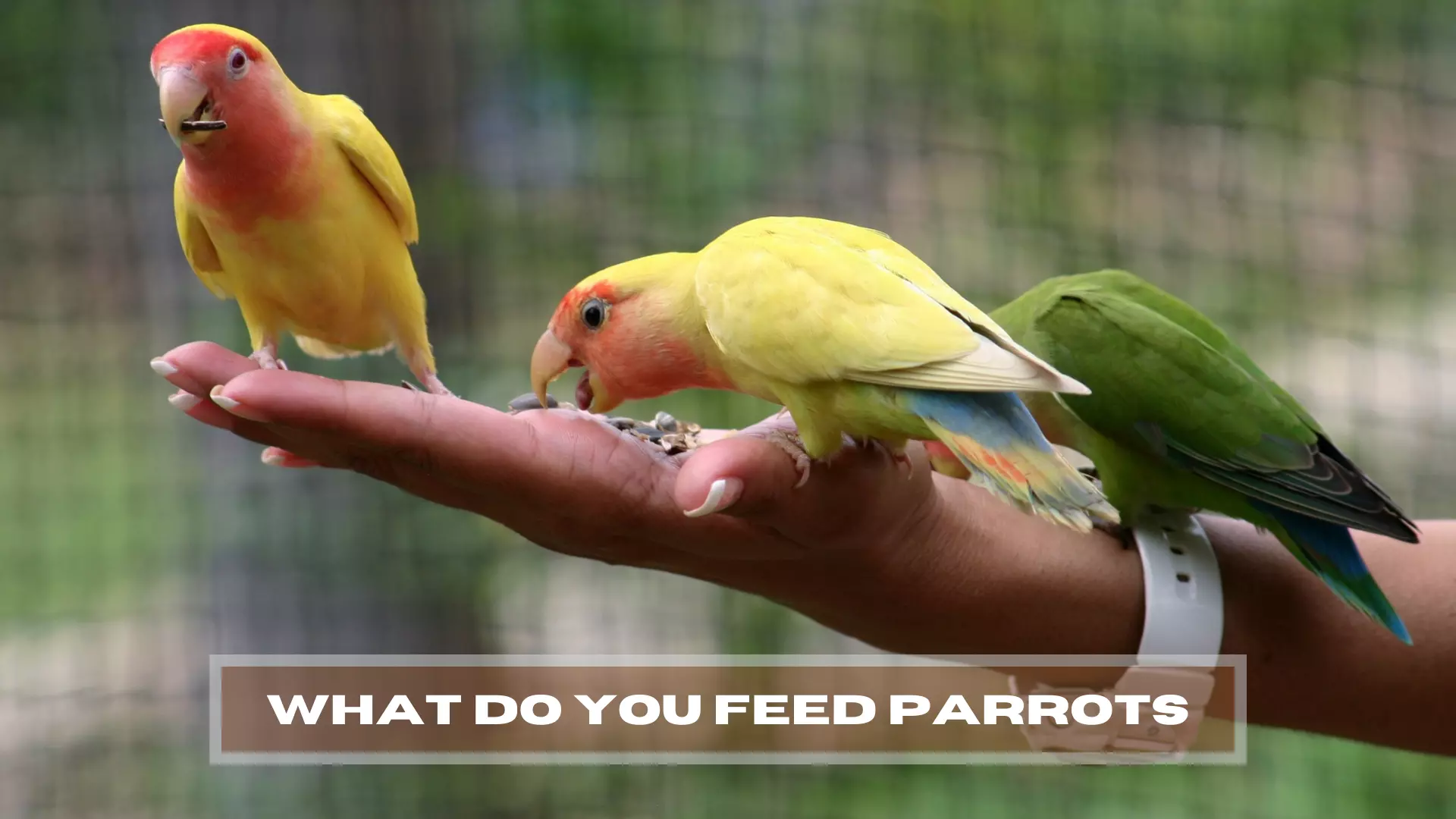
A well-structured parrot nut feeding schedule is crucial for maintaining a healthy and balanced diet. This schedule should consider the specific needs of each parrot species, including their age, activity level, and overall health. Proper planning ensures that your feathered friend receives the necessary nutrients without overfeeding or neglecting essential components.A consistent feeding schedule, incorporating nuts within a diverse diet, supports optimal parrot health and well-being.
Individual parrot needs vary significantly, making a personalized approach paramount. This section Artikels various examples to illustrate how to create suitable feeding schedules for different parrot species, while emphasizing the importance of a varied diet.
Different Feeding Schedules for Various Parrot Species
Parrots’ dietary requirements differ based on their species. Small parrots, for instance, require smaller portions of nuts, while larger species can handle larger quantities. Monitoring feeding behaviors and adjusting portions accordingly is essential for maintaining optimal health. This careful consideration prevents digestive issues and ensures nutritional adequacy.
- Small Parrots (e.g., Cockatiels, Budgies): Small portions of nuts, such as sunflower seeds or pumpkin seeds, are suitable. These species may benefit from a daily schedule, limiting nut intake to a small portion, usually 1-2 tablespoons per day, incorporated within a broader variety of food sources.
- Medium-Sized Parrots (e.g., Amazons, African Greys): A more substantial nut intake can be part of their daily diet, with a recommended portion of 2-4 tablespoons per day, depending on their individual needs. The feeding schedule should maintain a balanced mix of nuts, seeds, fruits, vegetables, and pellets.
- Large Parrots (e.g., Macaws, Hyacinth Macaws): Larger parrots can tolerate more substantial nut quantities, typically 4-6 tablespoons per day, incorporated within a diverse and balanced diet. Their robust digestive systems allow for more substantial intake, yet careful observation is crucial to avoid potential digestive issues.
Weekly Sample Feeding Schedule for a Parrot
A sample weekly schedule for a medium-sized parrot (e.g., an Amazon) can illustrate a balanced approach. Remember, these are just examples and should be adapted based on the individual parrot’s needs and preferences.
| Day | Meal 1 | Meal 2 | Meal 3 | Nuts |
|---|---|---|---|---|
| Monday | Mixed seed blend | Fruit & Vegetable medley | Pellets | 1 tbsp Walnuts, 1 tbsp Brazil Nuts |
| Tuesday | Pellets | Vegetable mix with sunflower seeds | Fruit & Vegetable medley | 1 tbsp Almonds, 1 tbsp Pumpkin seeds |
| Wednesday | Mixed seed blend | Fruit & Vegetable medley | Pellets | 1 tbsp Pecans, 1 tbsp Pistachios |
| Thursday | Pellets | Vegetable mix with sunflower seeds | Fruit & Vegetable medley | 1 tbsp Brazil Nuts, 1 tbsp Walnuts |
| Friday | Mixed seed blend | Fruit & Vegetable medley | Pellets | 1 tbsp Almonds, 1 tbsp Pumpkin seeds |
| Saturday | Vegetable mix with sunflower seeds | Fruit & Vegetable medley | Pellets | 1 tbsp Pecans, 1 tbsp Pistachios |
| Sunday | Pellets | Mixed seed blend | Fruit & Vegetable medley | 1 tbsp Brazil Nuts, 1 tbsp Walnuts |
Monthly Sample Feeding Schedule
A monthly feeding schedule allows for more variety. Incorporating a wider range of nuts can offer a greater spectrum of nutrients. A monthly rotation of nut types provides a balanced intake of essential minerals and vitamins.
- Month 1: Focus on providing a variety of nuts like walnuts, almonds, pecans, and pumpkin seeds. This ensures a diverse intake of healthy fats and proteins.
- Month 2: Introduce brazil nuts, sunflower seeds, and cashews. A balanced combination of nuts will help maintain nutritional diversity and prevent deficiencies.
- Month 3: Include macadamia nuts (in moderation), and a smaller portion of peanuts. Monitor for any allergic reactions or digestive issues. Macadamia nuts, though generally safe, should be given sparingly.
Examples of Nut-Based Meal Plans
These examples illustrate how to integrate nuts into a broader meal plan. They emphasize a balanced approach, ensuring the parrot receives a variety of nutrients.
- Meal Plan 1 (Focus on healthy fats): Combine a portion of mixed nuts with a medley of fruits and vegetables, and a small amount of seeds.
- Meal Plan 2 (Emphasis on protein): Include a mixture of shelled nuts like almonds and cashews with a nutritious mix of seeds, and a portion of lean protein sources like cooked chicken or fish.
Final Wrap-Up
In conclusion, feeding parrots nuts correctly is a vital aspect of parrot care. By understanding the diverse nutritional needs of different parrot species, selecting appropriate nuts, and ensuring proper preparation and portioning, you can contribute significantly to your parrot’s well-being. Remember to always prioritize a balanced diet and monitor your parrot for any signs of allergies or dietary issues.
A healthy parrot is a happy parrot.