Avian companions, like all pets, require regular veterinary care. Understanding how to safely transport your feathered friend and navigate the vet visit process is crucial for their well-being. This comprehensive guide will equip you with the knowledge and steps needed to ensure a smooth and stress-free experience for both you and your bird.
From initial assessment of your bird’s condition to post-vet care, this guide covers every essential aspect. We’ll discuss the importance of early intervention, the proper preparation for transport, finding a qualified avian veterinarian, and managing the visit itself. This information will empower you to provide the best possible care for your beloved bird.
Initial Assessment of Bird’s Condition

Prompt and accurate assessment of a bird’s condition is crucial for its well-being. Early intervention can significantly improve the chances of a positive outcome. Neglecting signs of illness can lead to serious complications and even death. Therefore, understanding common ailments, recognizing symptoms, and documenting the bird’s condition thoroughly are essential steps in seeking timely veterinary care.
Importance of Early Intervention
Early intervention is vital in treating bird illnesses. Many avian diseases can be effectively managed if caught early, often before they cause irreversible damage. Prompt veterinary attention can prevent further deterioration and potentially save the bird’s life. A veterinarian can accurately diagnose the issue and recommend the most appropriate treatment, increasing the likelihood of a favorable outcome.
Common Bird Ailments
Recognizing common bird ailments is the first step in identifying potential problems. Understanding the symptoms associated with various conditions empowers you to seek veterinary care promptly. These ailments include respiratory infections, digestive issues, feather problems, injuries, and metabolic disorders.
Signs and Symptoms Indicating Veterinary Care
Several signs and symptoms indicate that your bird requires immediate veterinary attention. These include lethargy, loss of appetite, changes in droppings, unusual vocalizations, abnormal breathing patterns, changes in feather condition, and any injuries. Any unusual behavior, especially if accompanied by other symptoms, should prompt a visit to the avian veterinarian.
Bird Species and Health Issues
The following table provides examples of common ailments in different bird species. Recognizing typical health issues specific to each species can help with early identification. Note that this table is not exhaustive and individual birds may exhibit unique symptoms.
| Bird Species | Common Ailments | Symptoms |
|---|---|---|
| Parakeets | Respiratory infections, feather plucking, digestive problems | Sneezing, nasal discharge, ruffled feathers, decreased appetite, abnormal droppings |
| Canaries | Respiratory infections, metabolic bone disease, feather problems | Coughing, difficulty breathing, lethargy, thinning or brittle feathers, abnormal posture |
| Cockatoos | Feather plucking, stress-related illnesses, trauma | Bald patches, behavioral changes, difficulty moving, injuries |
| Finches | Nutritional deficiencies, parasitic infestations, infections | Lethargy, loss of appetite, ruffled feathers, abnormal droppings, changes in singing behavior |
Documenting the Bird’s Condition
Thorough documentation is essential for accurate communication with the veterinarian. Record the date and time of the observation, describe the observed symptoms in detail, and note any previous medications or treatments the bird has received. Providing a complete and accurate account will aid the veterinarian in creating a comprehensive treatment plan.
Recording Medications
Detailed records of any medications or treatments administered previously are crucial. Include the name of the medication, the dosage, the frequency of administration, and the date of administration. This information assists the veterinarian in determining the best course of action and avoiding potential drug interactions.
Preparing the Bird for Transport

Transporting a bird to a veterinarian requires careful preparation to minimize stress and ensure a safe journey. Proper handling and the use of appropriate supplies are crucial for the bird’s well-being and the veterinarian’s ability to perform a thorough examination. A calm and controlled environment during transport contributes significantly to the bird’s overall health and the success of the visit.
Essential Supplies for Transport
Adequate supplies are paramount for a safe and stress-free journey. These supplies ensure the bird’s comfort and safety during transport. Essential items include a secure, well-ventilated carrier, a soft bedding material (e.g., paper towels or a soft cloth), and food and water appropriate for the bird’s species. Carrying a small, portable water bottle and a food dish is helpful for small birds and facilitates hydration and nourishment.
A carrier with adequate ventilation is essential to prevent overheating or suffocation.
Safe Capture and Restraint
Effective capture and restraint are critical to minimize stress and injury. Approaching the bird calmly and speaking softly can help reduce fear. Use gentle but firm hand movements to avoid startling the bird. If possible, use a soft cloth or net to gently scoop up the bird. Avoid sudden movements and loud noises, which can increase stress.
Avoid using excessive force, as this can lead to injuries.
Minimizing Stress During Transport
Minimizing stress during the transport process is essential for the bird’s well-being. A calm environment, appropriate temperature, and secure transport are all critical components of stress reduction. A quiet environment in the vehicle is ideal to minimize potential anxieties.
Ideal Transport Environment
Maintaining the proper temperature and humidity is vital during transport. The temperature should be within a range comfortable for the bird’s species, avoiding extremes of heat or cold. Humidity levels should also be appropriate to prevent dehydration or respiratory issues. For example, a parrot transported in a car on a hot day may need extra attention to prevent overheating.
In some instances, it may be necessary to keep the bird in a cooler or warmer environment depending on the weather conditions.
Step-by-Step Procedure for Placing the Bird in a Carrier
A systematic approach to placing the bird in the carrier minimizes stress and potential injuries. First, ensure the carrier is appropriately sized for the bird. Line the carrier with soft bedding to create a comfortable and familiar environment. Place food and water in the carrier before placing the bird. Gently place the bird into the carrier and secure the door.
Avoid rushing the process.
Comparison of Bird Carrier Types
| Carrier Type | Pros | Cons |
|---|---|---|
| Soft-sided fabric carrier | Lightweight, portable, often allows for easy access to the bird. | May not be as secure as hard-sided carriers; ventilation can be a concern. |
| Hard-sided plastic carrier | Durable, secure, generally well-ventilated. | Can be bulky and heavy, access to the bird might be more difficult. |
| Wire mesh carrier | Excellent ventilation, lightweight. | Can be less secure than hard-sided carriers, birds may feel exposed. |
| Aviary style carrier | Spacious, allows for larger birds and more freedom. | Difficult to transport, may not be ideal for all veterinary visits. |
Finding a Veterinarian
Finding the right avian veterinarian is crucial for your bird’s health and well-being. A specialist in avian medicine possesses the specific knowledge and experience to diagnose and treat conditions unique to birds, ensuring the most appropriate care. Neglecting this specialized care can lead to prolonged suffering and potentially irreversible complications.
Importance of a Specialist
Avian veterinarians have extensive training in the unique physiological and medical needs of birds. They understand the intricacies of avian anatomy, physiology, and behavior, which are critical for accurate diagnosis and treatment. General practitioners may lack the in-depth knowledge required for optimal bird care, potentially leading to misdiagnosis or inappropriate treatment protocols. Avian-specific expertise is paramount for providing effective and safe care.
Researching Avian Veterinarians
Thorough research is essential to identify suitable avian veterinarians in your area. Start by consulting online resources, such as the American Veterinary Medical Association (AVMA) website or local veterinary associations. These platforms often have searchable databases that allow you to filter by specialty and location. Networking with other bird owners and contacting avian-related organizations can also yield valuable leads.
Verifying Qualifications and Experience
Once you’ve identified potential candidates, verifying their qualifications and experience is crucial. Look for veterinarians who have completed specialized training in avian medicine. Check their credentials, ensuring they are certified avian veterinarians. A veterinarian with a strong background in avian care will have a demonstrable track record of treating birds successfully. Inquiries regarding their experience with similar cases to your bird’s condition can be invaluable.
Reviewing online testimonials or reviews from other bird owners can also provide insight into their experience and service quality.
Emergency Services Availability
The availability of emergency services is vital. Avian illnesses can develop quickly and require immediate attention. Ensure the veterinarian offers emergency services or can provide guidance on contacting a nearby avian emergency clinic. Knowing the availability of emergency care will provide peace of mind and reduce the risk of delays in treatment.
Questions to Ask Potential Avian Veterinarians
- What is your experience and expertise in avian medicine? (This question aims to assess the veterinarian’s specific experience with birds.)
- What diagnostic tools and procedures are available for avian patients? (This will help you understand the breadth of care offered.)
- What are your fees for consultations and treatments? (Knowing the cost structure is essential for budgeting.)
- What are your clinic’s hours, including emergency services availability? (Understanding their schedule is crucial, especially in urgent situations.)
- What is your process for follow-up care, including post-operative monitoring and medication instructions? (Understanding the post-treatment care plan is vital for your bird’s well-being.)
- What is your approach to pain management in birds? (Pain management is essential for avian patients.)
- What is your process for communicating with clients, including the provision of clear and understandable treatment plans and updates? (Effective communication is vital during treatment.)
Preparing for the Visit
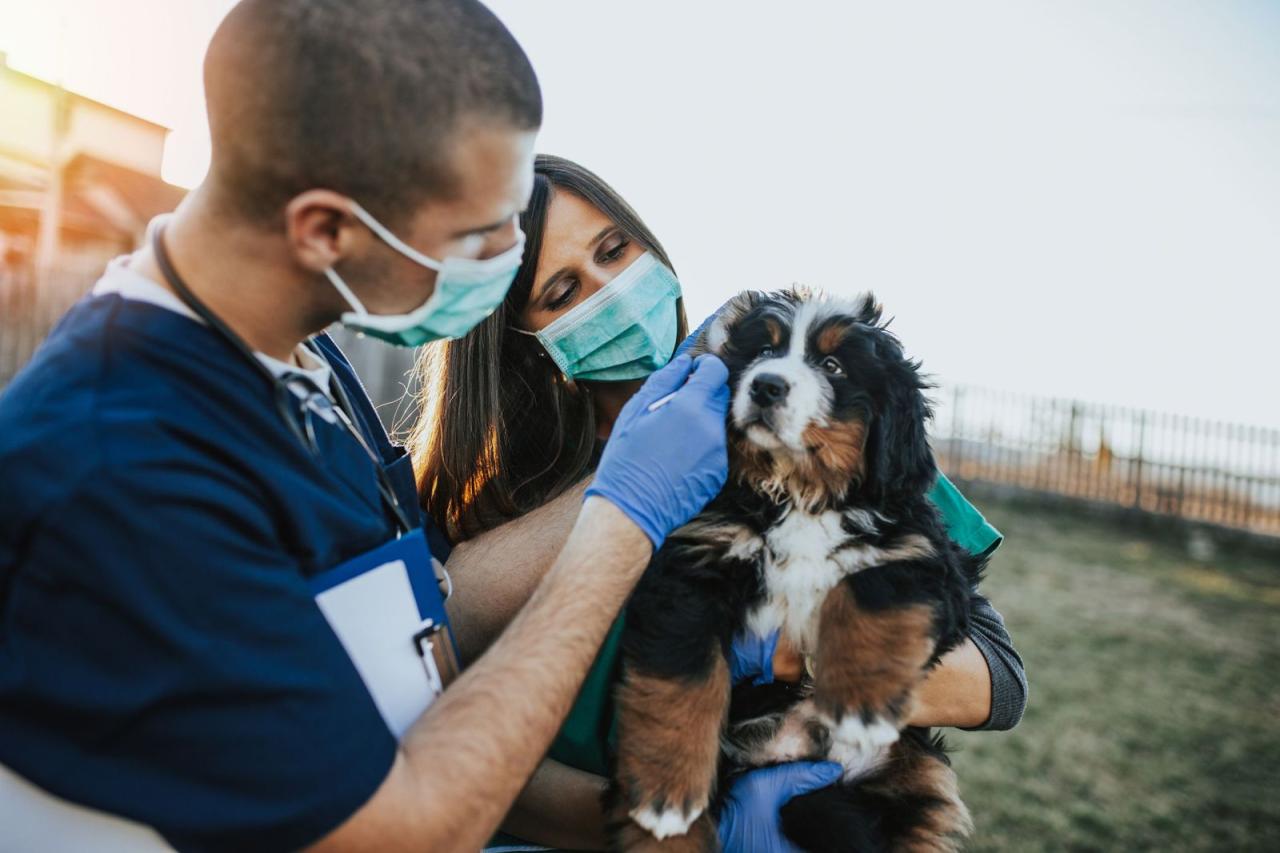
Thorough preparation before your bird’s veterinary visit is crucial for a smooth and productive consultation. This involves gathering essential information, preparing the bird for transport, and ensuring you have all necessary documentation. A well-prepared visit will allow the veterinarian to accurately assess the bird’s condition and develop an appropriate treatment plan.
Information to Provide to the Veterinarian
Providing detailed information about your bird’s medical history is paramount. This allows the veterinarian to understand the bird’s overall health and potential contributing factors to any current condition. Comprehensive information facilitates a more accurate diagnosis and treatment strategy.
- Detailed Medical History: Include information about the bird’s age, breed, sex, and any known pre-existing conditions, including allergies, previous illnesses, surgeries, and any ongoing medications. Note any changes in behavior, appetite, or droppings, and the duration of these changes.
- Dietary Information: Specify the bird’s diet, including types of food, frequency of feeding, and any recent dietary changes. Note any unusual eating habits, such as decreased or increased appetite, or any observed regurgitation.
- Environmental Factors: Describe the bird’s living environment, including cage size, cleanliness, and any recent changes to the environment, like temperature fluctuations, introduction of new objects, or presence of other birds. Mention any stressors in the environment.
- Recent Events: Record any recent events, such as exposure to new birds, changes in the bird’s environment, or ingestion of potential toxins or unfamiliar foods, even if seemingly insignificant. These details can be crucial to identifying possible triggers for the bird’s condition.
Importance of Accurate Details
Accurate details about the bird’s condition are vital for an effective diagnosis and treatment. Inaccurate or incomplete information can lead to incorrect diagnoses, ineffective treatments, and potentially worsen the bird’s condition. The veterinarian relies on the information provided to create a personalized treatment plan.
- Accurate Observations: Precise descriptions of symptoms, such as the nature and frequency of any breathing difficulties, changes in vocalizations, or unusual behaviors, help the veterinarian pinpoint the issue.
- Detailed Symptom Tracking: Keeping a detailed log of the bird’s symptoms, including onset, severity, and any patterns, is crucial. This allows the veterinarian to assess the progression of the condition and identify any trends.
- Objective Observations: Avoid subjective interpretations of the bird’s condition. For example, instead of saying “seems lethargic,” note specific observations like “decreased activity level over the past 24 hours.” This ensures a clearer picture for the veterinarian.
Essential Documents
Bringing relevant documentation for your bird’s visit will expedite the process and provide valuable context for the veterinarian.
- Previous Veterinary Records: Copies of previous veterinary records, including vaccination history, treatment plans, and any previous diagnoses, are essential. This allows the veterinarian to assess the bird’s overall health history and any potential links between past and present conditions.
- Medication Information: Include any medications your bird is currently taking, dosages, and frequency. This includes any supplements or vitamins, and any known allergies to specific medications.
- Identification Tags: Provide any identification tags or bands the bird may have, such as microchips or rings. These help to identify the bird and may contain crucial information.
Checklist for Preparing the Bird for the Visit
A pre-visit checklist can streamline the process and ensure a smooth transition for the bird.
- Secure Transport Container: Ensure a safe and secure carrier, appropriately sized for the bird, and with adequate ventilation. The container should be lined with a soft material to minimize stress.
- Food and Water: Provide a small amount of the bird’s regular food and fresh water in the carrier. Ensure the bird has access to both during transport and the visit.
- Documentation Pack: Assemble all necessary documents (medical history, medication list, previous records) and bring them to the appointment. This is a good idea to keep them organized and ready for reference.
Potential Concerns During the Vet Visit
Anticipating potential questions or concerns can ease anxiety during the visit.
- Diagnosis Clarity: Be prepared to discuss your concerns and questions about the diagnosis. Ask clarifying questions to ensure you understand the veterinarian’s assessment.
- Treatment Options: Seek clarification on treatment options and expected outcomes. Understand the costs and time commitment involved in each approach.
- Follow-up Care: Inquire about the necessary follow-up care and preventative measures to maintain the bird’s health. Ask about the frequency and duration of any medication or treatments.
Understanding the Vet Visit Process
A visit to the avian veterinarian is crucial for maintaining the health and well-being of your feathered friend. Understanding the process can ease your concerns and help ensure a smooth and productive visit. This section details the typical procedures, potential diagnostic tests, communication methods, treatment options, and necessary follow-up steps.The avian veterinarian will conduct a thorough examination to diagnose and treat any health issues.
They will use various techniques and tools to assess your bird’s condition, and may recommend specific diagnostic tests to identify the underlying cause of the problem.
Typical Procedures During a Bird Vet Visit
The avian veterinarian will meticulously examine your bird, assessing its physical condition, behavior, and overall well-being. This involves careful observation of its plumage, respiratory rate, posture, and any signs of discomfort or injury. They will listen to the bird’s heart and lungs with specialized equipment and may palpate various parts of the body to check for abnormalities.
Potential Diagnostic Tests
Avian veterinarians utilize a variety of diagnostic tools to identify potential ailments. These may include blood tests to evaluate organ function and detect infections. Radiographs (X-rays) can reveal skeletal abnormalities or internal injuries. Fecal examinations are frequently conducted to identify parasites or other intestinal issues. In some cases, cultures or biopsies may be necessary to determine the specific causative agents of infection.
Specific tests may be suggested based on the observed symptoms and the veterinarian’s assessment.
Communication Methods
Open communication between you and the veterinarian is essential for effective treatment. The veterinarian will explain the findings of the examination and any necessary diagnostic tests in clear and understandable terms. They will also discuss potential treatment options and associated costs. You should feel comfortable asking questions and seeking clarification on any aspect of the bird’s condition or proposed treatment.
Thorough record-keeping of the bird’s medical history and any observed symptoms will aid in communication.
Possible Treatment Options
Treatment options vary depending on the bird’s specific condition. This may include medication (e.g., antibiotics, anti-fungals, pain relievers) administered orally, topically, or through injection. Dietary changes, nutritional supplements, or specialized diets may be prescribed to address nutritional deficiencies or other dietary needs. In some cases, surgery may be required to address physical injuries or internal abnormalities. The veterinarian will discuss the most appropriate treatment plan for your bird’s condition.
Follow-Up Procedures
The veterinarian will provide specific follow-up instructions. This may include medication schedules, dietary changes, and monitoring for specific symptoms. They will also schedule follow-up appointments to monitor the bird’s progress and adjust the treatment plan as needed. These instructions are crucial for ensuring the bird’s recovery and long-term health. The frequency of follow-up visits will depend on the nature of the illness and the effectiveness of the treatment.
Post-Vet Care s
Following a veterinary visit, diligent post-care is crucial for a bird’s successful recovery. Proper care significantly impacts the effectiveness of treatment and minimizes potential complications. Adhering to the veterinarian’s instructions is paramount for a positive outcome.The veterinarian’s recommendations are tailored to the specific needs of your bird, based on its condition and the prescribed treatment plan. Failure to follow these instructions can hinder recovery and even lead to negative health consequences.
Importance of Adhering to the Vet’s s
Strict adherence to the veterinarian’s prescribed medication schedule and care instructions is essential. This includes administering medications as directed, maintaining the prescribed diet, and providing the necessary environmental conditions for optimal recovery. Deviation from these guidelines can compromise the efficacy of treatment and potentially exacerbate the bird’s condition. For instance, skipping doses of antibiotics can lead to antibiotic resistance, prolonging the illness and making future treatment less effective.
Administering Medications Correctly
Accurate medication administration is critical. Incorrect dosage or timing can be harmful. Always use the measuring tools provided by the veterinarian or those specifically recommended for bird medications. Never adjust the dosage without consulting the veterinarian. Observe the bird’s response to medication and report any adverse effects promptly.
Record the administration times for each medication for future reference. This methodical approach ensures the bird receives the correct amount of medication at the appropriate intervals.
Monitoring Post-Treatment Health
Regular monitoring of the bird’s health is vital. This involves closely observing the bird for any changes in behavior, appetite, or physical condition. Look for signs of discomfort, such as lethargy, difficulty breathing, or changes in droppings. Note any unusual vocalizations or changes in feather condition. Maintaining a detailed record of these observations aids the veterinarian in assessing the effectiveness of the treatment and identifying any potential complications early on.
Creating a Comfortable Recovery Environment
Creating a safe and comfortable environment is essential for a bird’s recovery. Maintain the same cage and environment as the bird was in prior to the visit, ensuring familiarity and minimizing stress. Keep the cage clean and free of hazards, providing fresh, clean water and appropriate food. The environment should also be quiet and calm to minimize disturbance.
Avoid overcrowding and ensure the bird has adequate space for movement and rest. A familiar and comfortable environment reduces stress, allowing the bird to focus on healing.
Managing Potential Complications
Vigilance in recognizing and managing potential complications is crucial. If the bird displays any signs of worsening symptoms, such as increased lethargy, difficulty breathing, or changes in appetite, contact the veterinarian immediately. Early intervention is critical in preventing complications from escalating. If the bird experiences side effects from medication, such as vomiting or diarrhea, contact the veterinarian immediately for guidance.
Careful monitoring and prompt veterinary intervention minimize the risk of complications.
Last Recap
In conclusion, bringing your bird to the veterinarian requires careful preparation and a proactive approach. By understanding your bird’s health, preparing for transport, selecting a suitable veterinarian, and following the vet’s recommendations, you can ensure your bird receives the necessary care and a smooth recovery. Remember that early intervention is key to successful treatment.