Parrots, with their vibrant colors and captivating personalities, bring joy to many homes. Understanding their specific dietary needs is crucial for their health and well-being. This guide delves into the complexities of parrot nutrition, offering a comprehensive approach to feeding these fascinating birds, ensuring they thrive in your care.
From diverse species-appropriate diets to essential nutrients and safe feeding practices, this guide provides a detailed overview of parrot nutrition. We’ll explore various feeding methods, highlight potential problems, and discuss the importance of creating a supportive environment for healthy eating.
Introduction to Parrot Diets
Parrots are renowned for their vibrant plumage and captivating personalities, but their well-being hinges significantly on providing a nutritionally balanced diet. A species-appropriate diet is crucial for their overall health, preventing various health issues, and ensuring they thrive. Understanding the specific dietary needs of different parrot species is paramount to responsible parrot ownership.A balanced parrot diet goes beyond simply offering food.
It encompasses a variety of nutrients, including proteins, carbohydrates, fats, vitamins, and minerals, each playing a vital role in their physical and mental development. Neglecting these needs can lead to nutritional deficiencies, impacting their immune system, feather health, and even their reproductive capabilities.
Diverse Dietary Needs of Parrots
Parrots exhibit remarkable dietary diversity, reflecting their varied evolutionary histories and ecological niches. This diversity necessitates tailored approaches to feeding, with different parrot species requiring distinct dietary compositions.
Types of Parrots and Their Dietary Requirements
Parrots can be broadly categorized based on their typical dietary requirements. Some are primarily seed-eaters, while others are more inclined to consume fruits, vegetables, or insects. This variation is crucial to understanding the optimal nutritional needs of each species.
Species-Appropriate Diets
A species-appropriate diet is the cornerstone of parrot care. It ensures that parrots receive the specific nutrients their bodies need to thrive. This approach avoids potential health issues that can arise from feeding an unsuitable diet.
Categorization of Parrot Species Based on Dietary Preferences
Parrots can be grouped into categories based on their preferred food sources. This categorization allows for a more targeted approach to dietary planning.
- Seed-eaters: Many smaller parrot species, like budgies and cockatiels, primarily consume seeds. However, a balanced diet should include a variety of seeds, fruits, vegetables, and protein sources to prevent deficiencies.
- Fruit-eaters: Some parrot species, like macaws and cockatoos, have a natural inclination for fruits. A diet consisting of only fruits can lead to nutrient imbalances, thus a well-rounded diet with vegetables, nuts, and other food sources is essential.
- Insectivores: Certain parrot species, particularly those found in tropical environments, have a dietary requirement for insects. This component is crucial for obtaining essential proteins and nutrients. For example, a diet for a particular species might include insects like mealworms or crickets, along with fruits and vegetables.
- Omnivores: Many parrot species are omnivores, consuming a mix of seeds, fruits, vegetables, and sometimes insects. This dietary versatility requires careful consideration of appropriate proportions to ensure a balanced intake of essential nutrients.
Common Parrot Species and Their Preferred Foods
Here are some examples of common parrot species and their typical dietary preferences:
- Budgies: Primarily seed-eaters, with a need for supplemental fruits, vegetables, and protein sources.
- Cockatiels: Similar to budgies, with a preference for seeds, but also benefiting from a range of fruits, vegetables, and pellets.
- Macaws: Primarily fruit-eaters, requiring a diet rich in fruits, vegetables, nuts, and occasional protein supplements.
- Cockatoos: Omnivorous, with a varied diet including seeds, fruits, vegetables, and nuts.
Comparison of Dietary Needs Across Parrot Species
| Species | Preferred Foods | Frequency of Feeding | Supplements |
|---|---|---|---|
| Budgie | Seeds, pellets, fruits, vegetables | Twice daily | Calcium, vitamin D3 |
| Cockatiel | Seeds, pellets, fruits, vegetables, nuts | Twice daily | Calcium, vitamin D3 |
| Macaw | Fruits, vegetables, nuts, seeds, occasional protein | Once or twice daily | Calcium, vitamin D3, protein supplements |
| Cockatoo | Seeds, fruits, vegetables, nuts, pellets | Once or twice daily | Calcium, vitamin D3 |
Essential Nutrients for Parrots
Parrots, with their vibrant plumage and captivating personalities, require a carefully balanced diet to thrive. Providing them with the essential nutrients is crucial for their overall health, well-being, and longevity. Understanding the roles of various nutrients, from proteins to vitamins and minerals, allows parrot owners to create diets that support their birds’ needs at every stage of life.
Protein Requirements
Protein is fundamental for parrot growth and maintenance. It’s the building block of tissues, feathers, and enzymes, all vital for their physical development and overall function. Adequate protein intake supports healthy muscle growth, feather regeneration, and the repair of damaged tissues. Parrots need a sufficient amount of high-quality protein to sustain these processes throughout their lives. In particular, young parrots require higher protein levels for optimal growth.
Vitamins and Minerals
Vitamins and minerals play diverse and critical roles in parrot physiology. They act as catalysts in numerous metabolic processes, impacting everything from immune function to energy production. Specific vitamins and minerals are involved in feather formation, bone health, and reproductive processes. For example, Vitamin A is essential for healthy vision, while Vitamin D is vital for calcium absorption.
Various minerals, such as calcium and phosphorus, are crucial for strong bones and overall skeletal health.
The Role of Fats
Healthy fats are essential for parrot energy levels and plumage quality. They provide a concentrated source of energy, aiding in daily activities. Fats are crucial components of cell membranes and hormones, contributing to overall physiological function. Moreover, healthy fats contribute to the production of oils that maintain the condition and beauty of parrot feathers. Including a balanced amount of healthy fats ensures the bird’s energy levels and plumage remain in top condition.
Examples of Nutrient-Rich Foods
A balanced diet should include a variety of foods rich in essential nutrients. For example, seeds, nuts, and fruits provide a good source of protein, vitamins, and minerals. Vegetables offer valuable vitamins, minerals, and fiber. Supplements may be necessary to ensure a complete nutrient profile. Fresh fruits and vegetables should be an integral part of a parrot’s diet.
In addition, providing a variety of seeds, nuts, and grains ensures a balanced intake of different nutrients.
Nutritional Value of Parrot Foods
| Food | Protein Content (approximate %) | Vitamin Content | Mineral Content | Fat Content (approximate %) |
|---|---|---|---|---|
| Sunflower Seeds | 20-25 | Vitamin E, B-complex | Magnesium, Phosphorus | 40-50 |
| Peanuts | 25-30 | Vitamin E, B-complex | Magnesium, Phosphorus | 45-55 |
| Fruits (e.g., Berries) | 1-5 | Vitamin C, various B vitamins | Potassium, Antioxidants | 1-10 |
| Vegetables (e.g., leafy greens) | 2-10 | Vitamin A, K, various B vitamins | Calcium, Potassium, Magnesium | 1-5 |
| Commercial Parrot Pellets | 15-25 | Vitamins & Minerals | Calcium, Phosphorus | 5-15 |
Note: The nutritional values provided in the table are approximate and may vary depending on the specific type of food and its origin. Always consult with an avian veterinarian for personalized dietary recommendations.
Feeding Methods and Schedules
Proper feeding is crucial for the health and well-being of parrots. A well-structured feeding plan, tailored to the individual parrot’s species, age, and needs, is essential for ensuring optimal nutrition and a happy, thriving pet. This section explores different feeding methods, schedules, and frequencies, along with their respective advantages and disadvantages.Feeding parrots requires a meticulous approach that goes beyond simply placing food in a bowl.
The method chosen, the frequency of feeding, and the consistency of the schedule significantly impact the parrot’s overall health and behavior.
Feeding Methods
Various methods are available for feeding parrots, each with its own advantages and disadvantages. Understanding these methods allows owners to select the best approach for their individual parrot.
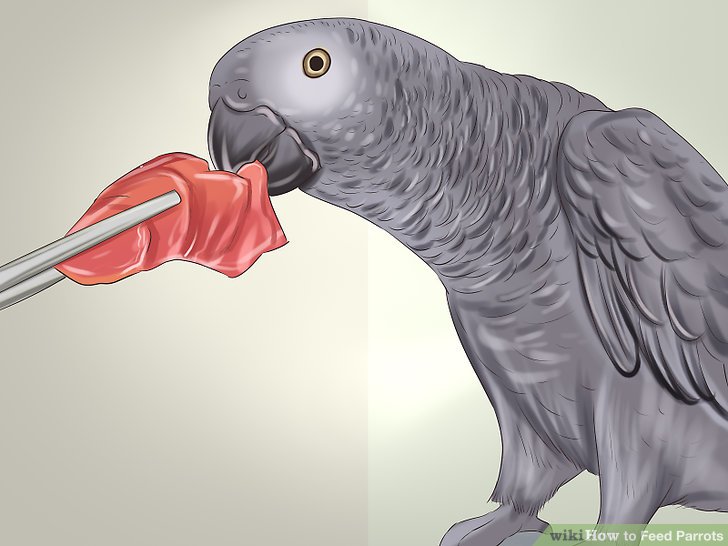
- Hand-feeding: This method involves directly feeding the parrot by hand. It fosters a strong bond between the owner and the parrot, as well as provides opportunities for close interaction. Parrots often develop a preference for being fed by hand, making it a popular choice for many owners. However, it requires significant time and patience to train the parrot to accept food from your hand.
It also demands more attention and is not suitable for all species or individuals.
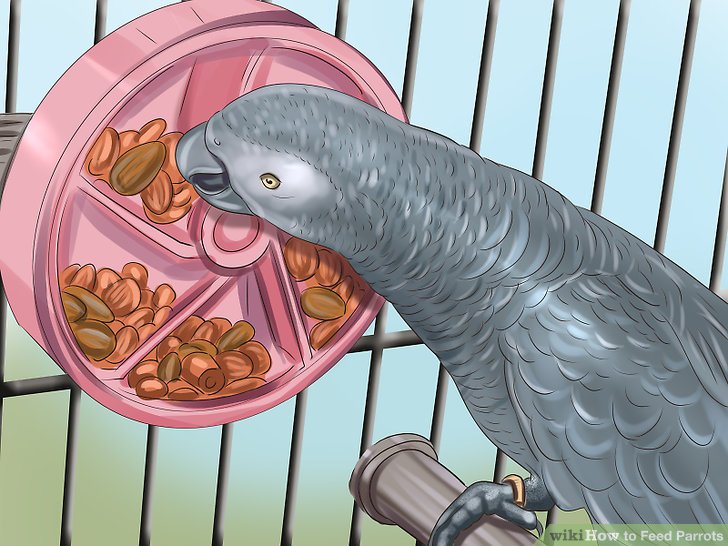
- Automatic Feeders: Automatic feeders provide a convenient way to ensure consistent access to food. These feeders come in various designs, from simple gravity-fed models to more complex systems with timers and multiple compartments. Automatic feeders are particularly useful for owners with busy schedules. However, some parrots might not readily adapt to this method, and the design of the feeder can impact the overall quality of the parrot’s diet.
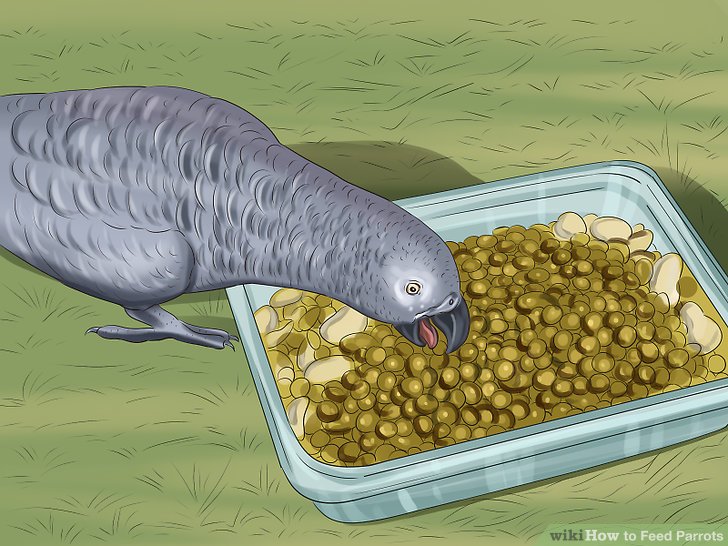
- Manual Feeding: This method involves placing food in a designated feeding area, like a bowl or tray. It’s a straightforward approach and generally suitable for most parrot species. Manual feeding offers flexibility and simplicity, but it might not provide the same level of interaction and bonding as hand-feeding. Owners should closely monitor the parrot’s intake to ensure it consumes a sufficient amount of food.
Feeding Schedules
Establishing a consistent feeding schedule is crucial for parrots’ health and well-being. A predictable routine helps regulate their digestive system and promotes overall calmness.
- Consistency is Key: A consistent feeding schedule helps regulate the parrot’s digestive system and promotes overall calmness. This predictability is essential for their physical and mental well-being. Variations in feeding times can lead to digestive issues and anxiety.
- Species-Specific Requirements: Parrot species have varying nutritional needs and feeding requirements. Young parrots, for instance, require more frequent feedings than adult parrots. Species with high metabolisms, like macaws, might need more frequent meals than smaller species.
- Age Considerations: The age of the parrot also plays a role in determining the feeding schedule. Growing parrots require more nutrients and thus more frequent feedings than mature birds. A veterinarian can provide specific recommendations based on the parrot’s age and species.
Frequency of Feeding
The frequency of feeding depends on several factors, including the species, age, and overall health of the parrot. A veterinarian can offer tailored advice based on individual needs.
Importance of Fresh Water
Fresh water must be available at all times. Parrots require a constant supply of clean, fresh water for drinking and bathing. Water should be changed regularly to prevent contamination and ensure hygiene.
Summary Table
| Species | Method | Schedule | Frequency |
|---|---|---|---|
| Small Parrots (e.g., Budgies, Cockatiels) | Manual Feeding, Automatic Feeder | Morning and Evening | Twice daily |
| Medium Parrots (e.g., Amazons, African Greys) | Manual Feeding, Automatic Feeder | Morning and Evening | Twice daily |
| Large Parrots (e.g., Macaws, Cockatoos) | Manual Feeding, Automatic Feeder | Morning and Evening | Twice daily, potentially three times for young or growing parrots |
Safe and Unsuitable Foods for Parrots
A parrot’s diet is crucial for their health and well-being. Providing the correct foods ensures proper growth, a strong immune system, and overall vitality. Conversely, feeding inappropriate items can lead to serious health problems, even fatalities. Understanding which foods are safe and unsafe for parrots is essential for responsible parrot ownership.Harmful foods can cause various issues, from digestive upset to organ damage.
Knowing which foods to avoid and why is vital to maintaining a parrot’s health and happiness. This section will Artikel the dangers of specific foods and provide a comprehensive list of safe and unsafe options.
Harmful Foods and Their Effects
Parrots have sensitive digestive systems and are prone to certain health problems if exposed to inappropriate foods. Careful selection and preparation of food are paramount. Avoid feeding anything that might cause allergic reactions or digestive distress.
Foods to Avoid
Many seemingly harmless foods can be extremely detrimental to parrots. It’s crucial to be vigilant about what goes into their food bowls. The following list Artikels foods that should never be given to parrots:
- Chocolate: Chocolate contains theobromine, a methylxanthine alkaloid, which is toxic to birds. The amount of theobromine varies greatly among chocolate types, with dark chocolate having a significantly higher concentration than milk chocolate. Even small amounts of chocolate can cause symptoms such as vomiting, diarrhea, tremors, and in severe cases, seizures or even death.
- Avocado: Avocados contain persin, a toxin that can be harmful to birds, especially when consumed in large quantities. Ingestion can cause digestive upset, including vomiting and diarrhea. It’s best to avoid giving avocados to parrots altogether.
- Onions and Garlic: Onions and garlic contain thiosulphate, which can cause damage to the red blood cells. This can lead to anemia and other health issues. Even small amounts of these vegetables can be harmful to parrots.
- Grapes and Raisins: Grapes and raisins are known to cause kidney failure in some birds. The exact reason for this toxicity is still under investigation, but it’s advisable to avoid these fruits entirely.
- Salty Foods: Foods high in salt, like processed snacks, can cause severe dehydration and electrolyte imbalances in parrots.
- Alcohol and caffeine: Both alcohol and caffeine are highly toxic to parrots and should never be given to them. The effects of these substances on birds are often more pronounced than in humans.
Proper Food Preparation
Ensuring food is safe for parrots involves more than just choosing the right ingredients. Proper preparation is equally critical.
- Washing Fruits and Vegetables: Always wash fruits and vegetables thoroughly to remove any pesticides or dirt. Thorough washing minimizes potential health risks for parrots.
- Avoiding Spoilage: Never feed parrots food that is stale or showing signs of spoilage. Freshness is paramount for their health.
Safe and Unsafe Food List
The following table provides a concise overview of safe and unsafe foods for parrots.
| Food | Safety Status | Reason |
|---|---|---|
| Apples (without seeds) | Safe | A good source of vitamins and fiber, but seeds should be removed as they can be toxic. |
| Bananas | Safe | A good source of potassium and other essential nutrients. |
| Berries (in moderation) | Safe | A good source of antioxidants and vitamins. |
| Broccoli | Safe | A good source of vitamins and minerals. |
| Carrots | Safe | A good source of beta-carotene and other essential nutrients. |
| Chocolate | Unsafe | Contains theobromine, a toxin for birds. |
| Avocado | Unsafe | Contains persin, a toxin for birds. |
| Onions | Unsafe | Contains thiosulphate, damaging red blood cells. |
| Grapes/Raisins | Unsafe | Associated with kidney failure in some birds. |
Supplements and Dietary Considerations
A complete and balanced diet is crucial for the well-being of parrots, but sometimes, supplements are necessary to ensure they receive all the essential nutrients. Parrots have unique nutritional requirements, and a veterinarian’s guidance is paramount in determining the appropriate supplementation for individual birds. This section explores the role of supplements, various types, and considerations for specific health needs.Supplements can play a vital role in a parrot’s diet, especially when their nutritional needs exceed what a standard diet can provide.
They can help ensure that the parrot receives all the essential vitamins, minerals, and other nutrients necessary for optimal health and well-being. However, it’s important to remember that supplements should never replace a well-balanced diet but rather support it.
Role of Supplements in a Parrot’s Diet
Supplements are crucial in bridging nutritional gaps in a parrot’s diet. A parrot’s diet may not always provide all the necessary nutrients in the required amounts, especially in specific life stages or health conditions. Supplementation can help ensure optimal health and well-being. It is important to remember that supplements should always be used under the guidance of a veterinarian.
Common Parrot Supplement Types
Several supplement types are commonly used for parrots, each serving a specific purpose. These include calcium, vitamin D3, and multivitamins. Calcium is essential for strong bones and healthy shells, while vitamin D3 aids in calcium absorption. Multivitamins provide a comprehensive blend of essential vitamins.
Appropriate Supplementation Based on Individual Needs
The specific needs of a parrot regarding supplementation depend on various factors. Species, age, health conditions, and reproductive status all influence the required supplements and dosage. A young parrot’s nutritional requirements differ from those of an adult, and a sick parrot may require additional nutrients. Consult a veterinarian to determine the appropriate supplements and dosage for your specific parrot.
Dietary Considerations for Specific Health Conditions
Parrots with specific health conditions may require adjustments to their diets and supplementation. For example, a parrot with a calcium deficiency may need supplemental calcium and vitamin D3. Likewise, a parrot with a vitamin deficiency might benefit from a multivitamin supplement. A veterinarian can diagnose and recommend the appropriate dietary adjustments.
Importance of Consulting a Veterinarian for Dietary Advice
A veterinarian is crucial in determining the appropriate dietary plan for a parrot. They can assess the parrot’s specific needs, diagnose potential health conditions, and recommend suitable supplements and dosages. A veterinarian can also advise on dietary adjustments for specific health conditions, such as digestive issues or metabolic bone disease.
Adjusting Diets for Pregnant or Breeding Parrots
Pregnant or breeding parrots have heightened nutritional demands. They require increased protein, calcium, and other nutrients to support egg production and chick development. A veterinarian can recommend appropriate dietary adjustments and supplements to meet these heightened needs. This is vital to ensure the health of both the parent birds and their offspring.
Appropriate Supplements for Various Parrot Needs
| Species | Supplement | Dosage | Frequency |
|---|---|---|---|
| Macaw | Calcium | 1 gram daily | Daily |
| Macaw | Vitamin D3 | 500 IU daily | Daily |
| Cockatiel | Calcium | 0.5 gram daily | Daily |
| Cockatiel | Multivitamin | 1 tablet weekly | Weekly |
| African Grey | Calcium | 1 gram daily | Daily |
| African Grey | Multivitamin | 1 tablet twice weekly | Twice weekly |
Note: Dosages and frequencies are examples and should be determined by a veterinarian based on the individual parrot’s needs.
Problem-Feeding Situations and Solutions
Parrot owners often encounter feeding challenges that can stem from various factors, impacting the bird’s health and well-being. Understanding these problems and their potential causes is crucial for implementing effective solutions. Addressing issues like picky eating, feather plucking, and obesity requires a multifaceted approach that considers the bird’s individual needs and environment.
Picky Eating
Picky eating in parrots can be a frustrating but common problem. This issue often stems from a lack of variety in the diet or boredom. Parrots, in their natural environment, consume a wide range of fruits, vegetables, and nuts. Providing a diverse and interesting diet can help stimulate their appetites. A lack of essential nutrients, illness, or stress can also lead to decreased appetite.
- Dietary Variety: Offer a diverse range of fresh fruits, vegetables, nuts, and seeds. Rotate offerings regularly to maintain interest. Include a variety of colors, textures, and flavors. Introduce new foods gradually.
- Environmental Enrichment: Ensure the parrot’s environment is stimulating and engaging. Provide toys, branches, and foraging opportunities to keep them mentally and physically active. A bored parrot is more likely to exhibit picky eating habits.
- Health Assessment: If the picky eating is accompanied by other symptoms like lethargy, weight loss, or changes in droppings, consult a veterinarian to rule out any underlying health issues.
Feather Plucking
Feather plucking, a distressing behavior in parrots, can stem from a combination of factors. Stress, boredom, lack of environmental enrichment, or even nutritional deficiencies can trigger this self-destructive behavior. Some birds may pluck feathers due to skin irritation or underlying health problems.
- Stress Reduction: Minimize stressors in the parrot’s environment. Ensure a quiet and calm space, and avoid sudden noises or changes in routine. Appropriate cage size, appropriate toys, and consistent interaction can all help to reduce stress.
- Environmental Enrichment: Provide ample opportunities for foraging, climbing, and exploration. A parrot with plenty of stimulating activities is less likely to engage in self-destructive behaviors.
- Nutritional Evaluation: Ensure the parrot is receiving a balanced diet rich in essential nutrients. A deficiency in specific vitamins or minerals can sometimes lead to feather plucking.
- Veterinary Consultation: If feather plucking persists despite attempts at environmental enrichment and dietary adjustments, consult a veterinarian to rule out any underlying medical conditions.
Obesity
Obesity is a significant concern for pet parrots. Overfeeding, a lack of exercise, or a diet high in calorie-dense foods can contribute to obesity. Obesity can lead to a host of health problems in parrots, including joint pain, respiratory issues, and heart problems.
- Dietary Modifications: Adjust the feeding schedule and portion sizes to maintain a healthy weight. Reduce the frequency of treats and high-calorie foods. Focus on fresh, nutritious foods. Ensure appropriate calorie intake based on the parrot’s age, size, and activity level.
- Increased Exercise: Encourage physical activity through appropriate toys and play opportunities. Provide climbing branches, foraging toys, and other interactive items. Regular supervised interaction and playtime are vital.
- Veterinary Evaluation: A veterinarian can assess the parrot’s weight and overall health. They can provide guidance on a safe and effective weight loss plan and rule out any underlying medical conditions.
Problem-Feeding Situations and Solutions Table
| Problem | Possible Causes | Solutions |
|---|---|---|
| Picky Eating | Lack of variety, boredom, nutritional deficiencies, illness, stress | Dietary variety, environmental enrichment, health assessment |
| Feather Plucking | Stress, boredom, environmental factors, nutritional deficiencies, skin irritation, underlying health issues | Stress reduction, environmental enrichment, nutritional evaluation, veterinary consultation |
| Obesity | Overfeeding, lack of exercise, high-calorie diet | Dietary modifications, increased exercise, veterinary evaluation |
Creating a Parrot-Friendly Environment
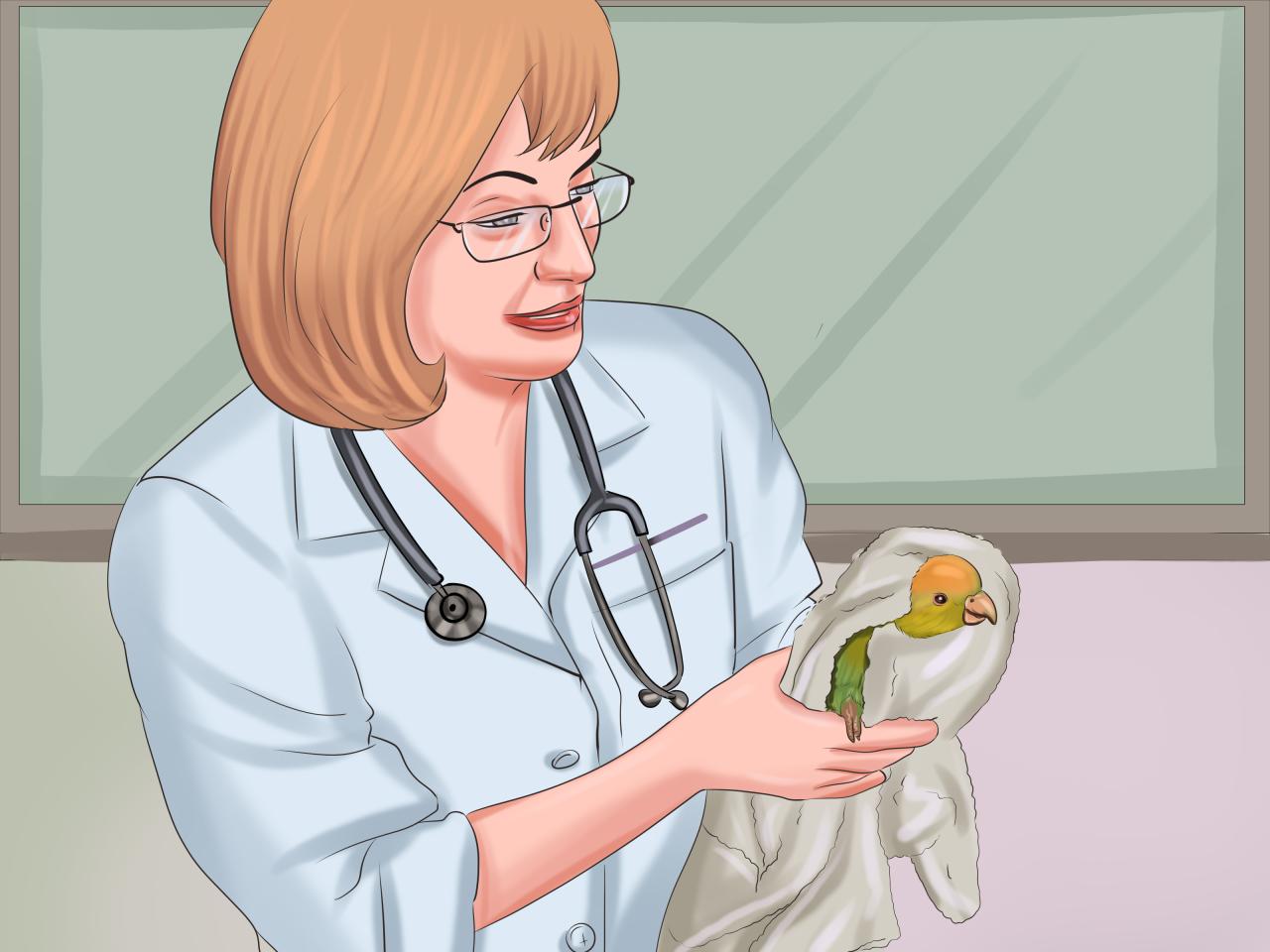
Providing a safe and stimulating environment is crucial for a parrot’s well-being, particularly when it comes to eating. A comfortable and enriching space encourages natural foraging behaviors and healthy appetites. A parrot that feels secure and stimulated is more likely to engage with its food and develop positive associations with mealtimes.A parrot’s environment significantly influences its eating habits.
A stimulating environment encourages exploration and interaction, making mealtimes more engaging and less monotonous. This positive association with the feeding area can contribute to a healthy appetite and prevent picky eating behaviors. Conversely, a stressful or poorly designed environment can negatively impact a parrot’s willingness to eat, leading to potential health issues.
Importance of a Safe and Stimulating Environment
A parrot’s environment plays a critical role in their overall health and well-being, directly impacting their eating habits. A safe and stimulating environment promotes natural foraging behaviors, encouraging exploration and interaction with food. This positive interaction with their surroundings can make mealtimes more enjoyable and less stressful. A secure environment reduces anxiety, which can prevent food rejection or decreased appetite.
Enrichment for Healthy Eating Habits
Enrichment activities are vital in promoting healthy eating habits. These activities stimulate natural foraging behaviors, mimicking the parrot’s instinctual need to search for food. This can increase interest in food and prevent boredom, which can lead to picky eating. Examples include foraging toys, puzzle feeders, and strategically placed food items. These activities can also provide mental stimulation, reducing stress and improving overall well-being, which further enhances their interest in food.
Creating a Comfortable and Accessible Feeding Area
The feeding area should be designed for ease of access and comfort. Ensure the food and water bowls are easily accessible to the parrot without requiring excessive effort or physical strain. Use sturdy and non-slip bowls that prevent spills and are easy to clean. The area should be free from potential hazards like sharp objects or toxic substances.
A calm and quiet environment is preferred during feeding times, minimizing distractions and stress.
Minimizing Stress During Feeding Time
Stress can negatively impact a parrot’s appetite. Minimizing stress during feeding time is essential for encouraging healthy eating habits. Factors such as loud noises, sudden movements, or the presence of other stressed or aggressive parrots should be avoided. A calm and quiet environment can significantly improve a parrot’s willingness to eat. Consistent feeding schedules can also contribute to a sense of predictability and reduce stress.
Environmental Factors Affecting Eating Habits
Environmental factors can significantly impact a parrot’s eating habits. A well-designed environment that addresses these factors can contribute to a parrot’s overall health and well-being.
| Factor | Effect | Mitigation Strategies |
|---|---|---|
| Temperature | Extreme temperatures can decrease appetite and cause discomfort. | Maintain a comfortable room temperature. Provide a heating source during cold weather or a cooling mist during hot weather. |
| Noise | Loud noises or sudden sounds can startle parrots and reduce their willingness to eat. | Keep the parrot’s environment as quiet as possible during feeding times. Use sound-absorbing materials in the cage or room. |
| Lighting | Bright or flickering lights can be stressful. | Provide appropriate lighting, avoiding harsh or sudden changes in light intensity. |
| Crowding | A crowded environment can increase stress and anxiety, which can affect appetite. | Ensure the parrot has enough space in its enclosure. Provide separate areas for feeding and resting. |
| Presence of other animals | Aggressive or fearful animals can induce stress and affect feeding habits. | Keep the parrot’s environment separated from potential stressors. Ensure the parrot has a safe space to retreat to. |
Closure
In conclusion, providing proper nutrition is paramount to a parrot’s overall health and happiness. By understanding the nuances of their dietary requirements, feeding methods, and potential challenges, you can ensure your parrot receives the best possible care. Remember, a balanced diet, appropriate supplements, and a supportive environment are key to a long and fulfilling life for your feathered friend.