Building a bird aviary is a rewarding endeavor, offering a unique opportunity to provide a safe and enriching environment for feathered companions. This comprehensive guide will walk you through every stage, from initial planning and design to final environmental considerations, ensuring your aviary is not just a structure, but a haven for your birds. We’ll explore the essential elements of creating a home that meets the specific needs of different bird species, from size and shape to lighting, ventilation, and safety features.
The process involves careful planning, selection of appropriate materials, and attention to detail in construction techniques. This guide provides a detailed framework for each step, from the initial design considerations to the crucial bird-specific needs, interior furnishings, and safety measures. We also cover essential environmental considerations, like temperature and humidity control, ensuring the well-being of your avian friends.
Planning and Design
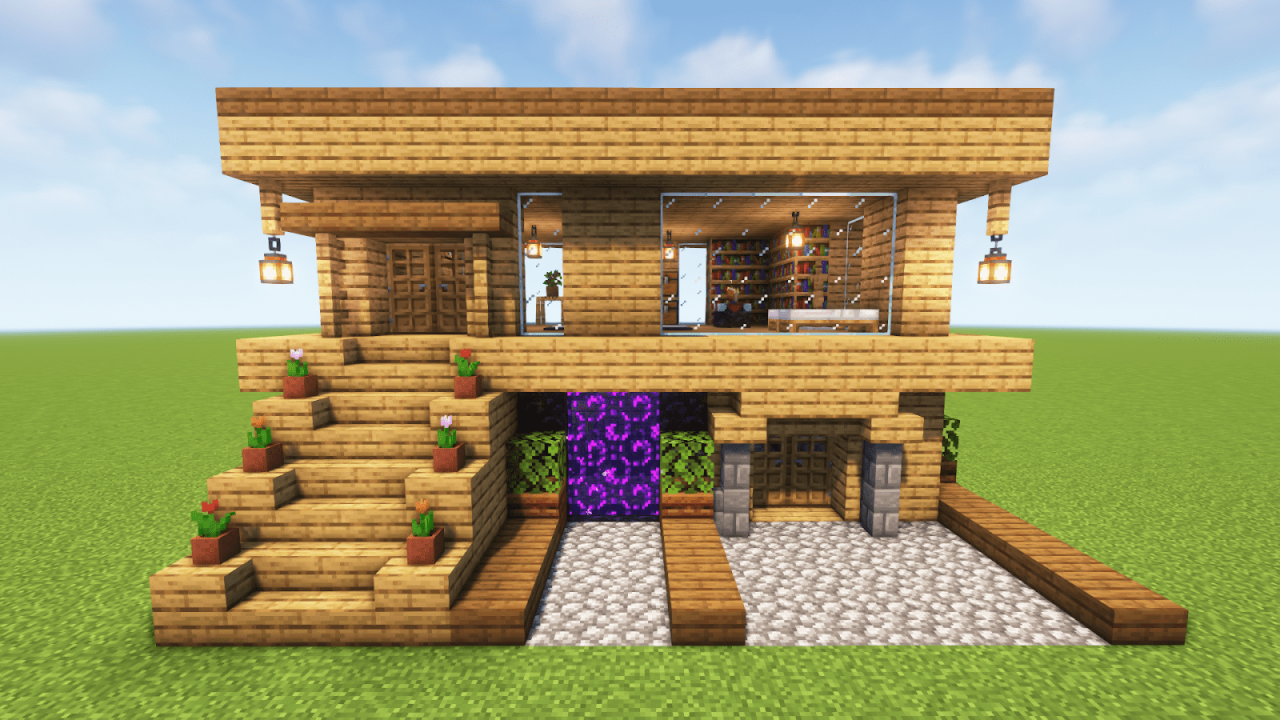
A well-designed bird aviary is crucial for the health and happiness of the birds housed within. Careful planning, encompassing species-specific needs, environmental considerations, and structural integrity, is essential for a successful avian habitat. The aviary should provide a safe and stimulating environment that mimics the natural habitat of the birds as closely as possible.Thorough planning and design are fundamental to creating an aviary that meets the specific needs of the birds.
This involves careful consideration of various factors, including the type of aviary, its size and shape, the appropriate materials, and essential safety features.
Types of Bird Aviaries
Different bird species have varying needs, and aviary types should reflect these needs. Indoor aviaries are ideal for smaller birds, providing controlled temperatures and protection from harsh weather. Outdoor aviaries offer greater space and natural light but require more consideration for security and environmental factors. Walk-in aviaries, while more expensive, offer an immersive experience for both the birds and the observer.
Each type offers a unique opportunity to create a suitable environment for birds.
Size and Shape Considerations
The size and shape of an aviary are critical factors in creating a suitable environment for the bird species. Factors such as the bird’s natural behaviors, flight patterns, and social interactions must be taken into account. A spacious aviary with ample room for exploration and flight allows birds to exhibit their natural behaviors, reducing stress and promoting overall well-being.
For example, a parrot aviary requires more horizontal space for climbing and perching than a small finch aviary, which needs vertical space for foraging and nesting.
Ventilation and Lighting
Proper ventilation and lighting are essential for maintaining a healthy and comfortable environment within the aviary. Adequate ventilation prevents the buildup of harmful gases and maintains optimal humidity levels. Natural light is ideal, but supplemental lighting can be used to mimic natural daylight cycles, promoting healthy bird behaviors. This ensures the birds experience a light cycle similar to their natural habitat, which can improve their overall well-being.
Material Comparison
| Material | Pros | Cons |
|---|---|---|
| Wood | Aesthetically pleasing, relatively affordable, can be customized | Susceptible to rot, insect infestation, requires regular maintenance, less durable than metal |
| Metal | Durable, resistant to pests and weather, easy to clean | Can be less aesthetically pleasing, may require more specialized tools for installation, can be more expensive than wood |
| Glass | Allows for excellent viewing of the birds, promotes natural light | Can be fragile, potentially difficult to maintain hygiene, may require more specialized cleaning procedures |
The choice of material depends on the budget, aesthetic preferences, and the specific needs of the bird species.
Safety Features
Safety features are paramount in an aviary. Secure perches, safe ledges, and escape-proof walls are essential for the well-being of the birds. These features help to prevent injury and ensure the birds remain contained within the aviary. Escape-proof walls and cages prevent birds from escaping, ensuring their safety and preventing them from getting lost or harmed.
Construction Materials and Techniques
Constructing a safe and comfortable aviary requires careful consideration of materials and techniques. The selection of appropriate materials directly impacts the aviary’s durability, aesthetics, and the well-being of the birds. Proper construction techniques ensure the aviary’s structural integrity, preventing leaks, and maintaining a secure environment.Careful planning and adherence to sound construction practices are paramount to creating a long-lasting and bird-friendly habitat.
Different types of aviaries necessitate tailored approaches to material selection and construction methods.
Suitable Materials for Aviary Construction
Selecting appropriate materials is crucial for the long-term health and safety of the birds. Durability, weather resistance, and ease of maintenance are key factors.
- Wood: Softwoods like pine and fir, and hardwoods like cedar and redwood, are commonly used. Softwoods are generally less expensive, while hardwoods offer greater durability and resistance to rot and insects. Properly treated wood is essential to prevent decay and insect infestation. Treatment methods should be environmentally safe and bird-friendly.
- Metal: Metals like galvanized steel or aluminum offer excellent durability and resistance to weather and pests. They are particularly well-suited for larger aviaries or those in harsh climates. The smooth surfaces of metal are easier to clean and maintain. However, consider the potential for rust or corrosion, especially in humid environments. Choose finishes that are non-toxic and bird-safe.
- Plastic: Some plastics are suitable for aviary construction, providing a waterproof and relatively maintenance-free option. Polycarbonate or high-density polyethylene are good choices, offering a degree of impact resistance and durability. Ensure the plastic chosen is UV-resistant to prevent discoloration and cracking over time.
- Concrete: Concrete is a strong and durable material ideal for the base and foundation of the aviary. It offers excellent resistance to moisture and pests. Reinforcement with steel is essential to prevent cracking. Consider the weight and stability implications when using concrete.
Construction Techniques for Different Aviary Types
Different aviary types necessitate unique construction techniques to ensure proper ventilation, security, and comfort for the birds.
- Cage-style aviaries: A cage-style aviary utilizes a framework of vertical and horizontal bars or supports. The bars should be spaced appropriately to allow the birds to move freely while preventing escapes. Solid panels can be used for sections requiring increased privacy or security. Thorough consideration must be given to the dimensions and spacing of the bars based on the bird species and their behaviors.
- Open-air aviaries: Open-air aviaries offer a more expansive living space for birds. The construction should emphasize security and protection from predators. Strong fencing, robust anchoring, and secure roofing are vital components. Weatherproofing and insulation are essential considerations for the comfort of the birds.
Constructing a Sturdy Aviary Frame
A sturdy frame is the foundation of a safe and durable aviary. Properly assembled components are crucial for stability.
- Framing: Use sturdy lumber or metal components, ensuring adequate support for the weight of the structure and the birds. Reinforce corners and joints to prevent bowing or warping. Consider using appropriate fasteners and connectors, ensuring they are secure and suitable for the chosen materials. Use pre-fabricated frames where appropriate for efficiency and structural integrity.
- Assembly: Carefully assemble the frame components, following the instructions or blueprints meticulously. Ensure all joints are properly aligned and fastened. Use appropriate tools for the materials and the tasks. Ensure a level and plumb construction.
Securing the Aviary’s Base and Roof
A secure base and roof are essential for preventing leaks, drafts, and damage.
- Base: A solid, waterproof base is crucial to prevent moisture from seeping into the aviary. Concrete or compacted gravel are excellent choices for the base. Use waterproofing materials to prevent moisture penetration. Consider slope for drainage. Reinforcing the base with a waterproof membrane protects the structure from moisture damage.
- Roof: A durable, waterproof roof is necessary to protect the aviary from the elements. Metal roofing, asphalt shingles, or sturdy plastic sheeting are suitable options. Properly secure the roofing materials to the frame to prevent leaks. Ensure the roof overhangs the walls to protect the aviary from rain and snow.
Cost-Effective Aviary Construction
Cost-effectiveness should not compromise the safety and well-being of the birds.
- Material sourcing: Look for salvaged or used materials, such as wood from construction sites, to reduce costs. Local hardware stores or lumber yards might offer discounts on materials, or consider purchasing in bulk.
- DIY construction: Constructing the aviary yourself can significantly reduce costs. Learning basic carpentry and construction techniques can save money. Follow reputable guides and tutorials for accurate and safe construction.
Bird-Specific Considerations
Designing a bird aviary requires careful consideration of the specific needs of the avian residents. This involves understanding their natural behaviors, social structures, and environmental requirements. A well-designed aviary promotes the health and well-being of the birds, allowing them to thrive in a simulated natural environment.Careful planning ensures the aviary provides sufficient space, appropriate structures, and a suitable environment for the birds to flourish.
This approach addresses their needs for flight, perching, and hiding, while maintaining optimal temperature and humidity levels.
Species-Specific Aviary Design
Different bird species have varying needs regarding aviary size, shape, and features. Parrots, for example, require ample space for climbing, foraging, and social interaction, necessitating a larger aviary with more complex structures than smaller songbirds. Similarly, birds with specific flight patterns may need a design that allows for longer flight distances and diverse perching options. Thorough research into the specific species being housed is essential to meet their individual requirements.
Aviary Space and Exercise
Adequate space for flight and exercise is critical for the physical and mental well-being of birds. A large, well-designed aviary allows birds to engage in natural behaviors like flying, exploring, and foraging. The aviary’s dimensions should accommodate the bird’s natural flight patterns and allow for sufficient space for exercise. For example, a flightless bird might require a large area for foraging and exploration, while a species with extensive flight patterns will require a larger aviary to meet their needs.
The overall shape and layout of the aviary should also be considered, with open areas and strategically placed perches.
Perches and Climbing Structures
Birds require various perches and climbing structures to maintain their physical health. These structures should be diverse in size, shape, and material to meet the needs of the birds. For instance, the different species will require different heights and thicknesses of perches to suit their natural behaviors. Appropriate perches are essential for birds to rest, groom, and socialize.
Hiding Places and Resting Areas
Providing hiding places and resting areas is vital for birds’ psychological well-being. These areas provide a sense of security and privacy, mimicking their natural behaviors. Hiding places can be constructed from natural materials like branches, foliage, or hollowed-out logs. These areas should be strategically placed to offer birds a sense of security and a place to retreat from stress.
Environmental Factors
Controlling environmental factors within the aviary is crucial for bird health. The aviary should maintain a consistent temperature range that matches the birds’ natural environment. Temperature variations can negatively impact bird health and well-being. Maintaining proper humidity levels is also critical for many species, as excessive dryness or humidity can lead to health issues. Appropriate lighting, including day-night cycles, is also essential for the birds’ well-being.
The introduction of natural elements, like plants and branches, can contribute to a more enriching environment, mimicking their natural habitat.
- Temperature Control: Maintaining a stable temperature range is crucial, as drastic changes can negatively affect birds’ health. For example, tropical birds require a specific temperature range to thrive, whereas birds adapted to colder climates need a different temperature regulation system. Consult local weather data and species-specific information to determine the optimal temperature range.
- Humidity Control: Maintaining appropriate humidity levels is essential for many bird species. Excessive dryness or humidity can lead to respiratory problems or other health issues. Using a hygrometer to monitor humidity levels and implementing measures to maintain the correct levels is recommended.
- Lighting: A consistent day-night cycle is crucial for birds’ natural behaviors and overall health. Mimicking natural daylight hours through lighting can support their natural circadian rhythm.
- Ventilation: Adequate ventilation prevents the build-up of harmful gases and moisture. Good air circulation is essential for maintaining a healthy environment for the birds.
Interior Design and Furnishings
Creating a comfortable and stimulating environment for your avian companions is crucial for their well-being. Careful interior design, including the selection of appropriate furnishings and enrichment activities, significantly impacts their physical and mental health. This section will detail the essential elements for a well-designed aviary interior, emphasizing the importance of providing a stimulating and enriching environment.
Essential Items
Providing the necessary furnishings is vital for a healthy and happy aviary. These elements are fundamental to the birds’ daily needs and contribute to their overall well-being. Essential items include:
- Food and Water Dishes: Multiple food and water dishes are recommended, strategically placed to prevent overcrowding and ensure easy access for all birds. Dishes should be shallow and easily cleaned to maintain hygiene. Material selection is crucial, as certain materials can be hazardous or unhygienic. Stainless steel, ceramic, or non-toxic plastic are ideal choices.
- Perches: A variety of perches in different sizes, shapes, and textures are essential. Providing a range of perches allows birds to exercise their feet and legs in various ways. This promotes natural behaviours and supports overall health.
- Toys: A variety of toys, including foraging toys, puzzle feeders, and climbing structures, are important for mental stimulation and preventing boredom. These activities stimulate natural behaviours, preventing boredom and promoting psychological well-being. The diversity and quality of toys significantly impact the birds’ mental health and behavioural patterns.
- Bathing Stations: A shallow dish or spray bottle for bathing is recommended for some bird species. This is vital for maintaining cleanliness and allows the birds to mimic natural behaviours. The bathing station should be easily accessible and regularly cleaned.
Enrichment Activities
Providing enrichment activities is crucial for preventing boredom and promoting psychological well-being in birds. These activities should stimulate natural behaviours and encourage mental engagement. This is essential for preventing behavioural problems and maintaining their overall health and happiness.
- Foraging Activities: Offering foraging toys and activities encourages birds to search for food, mimicking their natural foraging behaviours. This stimulation provides mental enrichment and prevents boredom.
- Puzzle Feeders: Puzzle feeders require birds to work for their food, engaging them mentally and physically. This fosters problem-solving skills and reduces boredom.
- Climbing Structures: Providing climbing structures and toys that encourage exploration and movement is important for their physical and mental health.
- Rotating Toys: Regularly rotating toys provides new stimuli, preventing the birds from becoming accustomed to the same environment. This keeps the birds engaged and prevents boredom, which could lead to destructive behaviors.
Cleaning and Maintenance
Regular cleaning and maintenance are vital for maintaining a healthy environment for the birds. A clean and disinfected aviary prevents the spread of diseases and ensures the birds’ well-being. Proper cleaning and disinfection are essential for preventing the spread of diseases and maintaining a healthy environment for the birds.
- Daily Cleaning: Daily cleaning involves removing uneaten food, droppings, and spilled water. This helps maintain hygiene and prevent the build-up of bacteria and parasites.
- Regular Disinfecting: Regular disinfection, at least weekly, is crucial for eliminating bacteria and pathogens. Use a suitable avian-safe disinfectant to avoid harming the birds.
- Deep Cleaning: Deep cleaning, perhaps monthly, should include thoroughly cleaning all surfaces, disinfecting all items, and replacing soiled bedding or substrates.
Bird Toys and Benefits
The table below highlights various bird toys and their corresponding benefits:
| Toy Type | Benefits |
|---|---|
| Foraging Toys | Stimulate natural foraging behaviours, promoting mental engagement and preventing boredom. |
| Puzzle Feeders | Encourage problem-solving skills, mental stimulation, and prevent boredom. |
| Climbing Structures | Provide opportunities for exercise and exploration, promoting physical and mental health. |
| Mirrors | Stimulate social interaction and exploration, especially for solitary birds. |
| Swing Sets | Provide opportunities for exercise and play, promoting physical well-being. |
Cleaning and Disinfecting Practices
The following best practices are crucial for preventing the spread of diseases in the aviary:
- Use Avian-Safe Disinfectants: Use disinfectants specifically formulated for birds, as some household disinfectants can be harmful to them. Always check product labels for bird safety.
- Proper Ventilation: Ensure proper ventilation to remove airborne pathogens and maintain a healthy air quality within the aviary.
- Separate Sick Birds: Isolate sick birds to prevent the spread of disease to other birds. Proper quarantine is crucial for limiting the spread of disease.
- Regular Cleaning Schedule: Establish a consistent cleaning schedule to maintain a hygienic environment.
Safety and Security
Ensuring the safety and security of your avian companions is paramount in constructing a bird aviary. Careful planning and meticulous attention to detail in design, materials, and construction are crucial for preventing escapes and injuries. A well-designed aviary will not only protect your birds but also enhance their overall well-being.A robust aviary design prioritizes the safety and security of the birds housed within.
This involves understanding potential hazards and implementing measures to mitigate risks. Proper materials, construction techniques, and bird-specific considerations contribute to a secure environment. Regular inspections and maintenance are essential for identifying and addressing any potential issues.
Potential Hazards and Safety Issues
Careful consideration of potential hazards is vital for creating a safe environment for your birds. Sharp edges, gaps, or weak points in the structure can pose a risk. Incorrectly positioned or unstable perches can lead to injuries. Improperly sealed or easily accessible areas can allow escape. Also, inadequate ventilation or temperature control can lead to stress and illness.
Potential hazards also include exposure to toxins, like cleaning products or pesticides, that could be harmful if ingested or inhaled by birds. These considerations must be carefully assessed during the design and construction stages.
Escape-Proof Measures
Preventing escapes is a critical aspect of aviary design. Solid, secure materials, such as metal or heavy-duty plastic, should be used for the walls and roof. All openings must be fitted with secure latches, clips, or other devices to prevent birds from squeezing through. Reinforced bars or mesh, with appropriate spacing, are essential. Double-check that any latches or fasteners are strong enough to resist the birds’ attempts to escape.
A thorough inspection of the entire aviary should be conducted before the birds are introduced to ensure that no gaps or weak points exist.
Safety Equipment and Precautions
Implementing appropriate safety equipment is vital for minimizing bird injuries and preventing escapes. This includes sturdy, well-secured perches of appropriate size and shape for the bird species. Adequate and safe food and water dispensers, ensuring no spillage or contamination. Safety cages or enclosures should be accessible for easy cleaning and maintenance. Furthermore, consider using non-toxic and bird-safe cleaning products and materials.
A first-aid kit, specifically for birds, is also highly recommended. This kit should contain items such as antiseptic wipes, gauze, and tweezers. It is also recommended to have a vet’s contact number readily available.
Regular Inspections and Maintenance
Regular inspections are crucial for ensuring the safety and well-being of your birds. This includes checking for damage to the aviary structure, ensuring the security of latches, and monitoring the cleanliness and functionality of the aviary. Look for any signs of wear and tear, and make repairs as needed. Addressing any potential issues early on will prevent more significant problems from developing.
Regular cleaning and sanitation are crucial for maintaining a healthy environment.
Bird Species-Specific Safety Measures
Different bird species have varying needs and vulnerabilities. For example, some species are prone to climbing or flying, while others may be more susceptible to certain hazards. Larger birds, like macaws, may require stronger, more substantial structures to prevent escapes. Species that are prone to self-harm may need specific perches or barriers to prevent injury. Consider the individual behaviors and needs of the specific bird species when designing and constructing the aviary.
This requires research on the bird species’ behaviors and vulnerabilities to ensure their specific needs are addressed.
Environmental Considerations
Creating a thriving environment for birds in your aviary requires careful consideration of various environmental factors. Maintaining optimal conditions, including temperature, humidity, light, and air circulation, is crucial for the well-being and health of your avian companions. Choosing a suitable location and mitigating noise pollution will further contribute to a stress-free and enriching experience for the birds.A well-designed aviary goes beyond the structural aspects; it encompasses the creation of a harmonious environment that mimics, as closely as possible, the natural habitat of the birds housed within.
This necessitates meticulous attention to environmental factors.
Maintaining Proper Temperature and Humidity
Maintaining appropriate temperature and humidity levels is essential for the comfort and health of birds. Birds, like humans, have varying tolerances for temperature and humidity, which vary depending on the species. Maintaining a consistent temperature range, ideally within a comfortable range for the specific bird species, is critical. This can be achieved through insulation, heating, and cooling systems, if necessary.
Humidity levels should also be regulated to prevent respiratory issues and skin problems. This may involve using humidifiers or dehumidifiers to maintain the ideal range. Monitoring these levels regularly is crucial for ensuring the aviary remains a healthy environment.
Providing Natural Light and Fresh Air Circulation
Natural light and fresh air circulation are vital components of a healthy aviary environment. Sunlight provides essential vitamin D and regulates the bird’s internal biological clock. Adequate ventilation prevents the buildup of harmful gases and maintains optimal oxygen levels. Maximizing natural light through strategically placed windows or skylights is highly recommended. Consider using fans or other ventilation systems to ensure proper air circulation, preventing stagnant air pockets.
This combination of natural light and fresh air is essential for mimicking a natural environment.
Minimizing Noise Pollution
Noise pollution can significantly stress birds. Birds, like other animals, are sensitive to loud noises and sudden disturbances. Locating the aviary away from high-traffic areas, construction sites, or noisy recreational facilities is essential to reduce stress levels. Consider sound-absorbing materials, such as thick curtains or strategically placed vegetation, to minimize noise transmission. Noise pollution can also impact birds’ communication and ability to detect potential predators.
Creating a Calming and Enriching Environment
A calming and enriching environment can reduce stress and promote the birds’ natural behaviors. Providing ample space for exploration and exercise is critical. This can be accomplished through strategically placed perches, branches, and climbing structures. Introducing natural elements like plants, rocks, and water features can create a more stimulating and enriching environment. These elements not only contribute to the visual appeal of the aviary but also provide opportunities for birds to engage in natural behaviors like foraging and bathing.
Regular enrichment activities, such as introducing new toys or objects, are important for keeping the birds engaged and preventing boredom.
Choosing a Suitable Location
Choosing a suitable location for the aviary is critical to minimizing environmental stress on the birds. The location should be sheltered from harsh weather conditions such as strong winds, extreme temperatures, and heavy rainfall. It should also be away from potential hazards like predators, pollution sources, and areas with high human traffic. Consider factors like sunlight exposure, prevailing winds, and potential noise pollution when selecting the site.
Careful consideration of these factors will ensure a safe and comfortable environment for your birds.
Epilogue

In conclusion, constructing a bird aviary is a project that requires careful planning, execution, and a deep understanding of your bird’s needs. This comprehensive guide has Artikeld the key aspects, from design and construction to interior furnishing and environmental considerations. By following these steps, you can create a safe, stimulating, and comfortable environment for your feathered friends. Remember that a well-built aviary is a testament to your dedication and care for your avian companions.