Birds, with their captivating beauty and unique personalities, offer a rewarding companionship. Understanding their diverse behaviors, creating a stimulating environment, and establishing a consistent routine are crucial steps in forging a strong bond. This guide delves into the intricacies of bird-human interaction, providing insights into fostering lasting connections.
From deciphering bird communication to implementing positive reinforcement techniques, this comprehensive approach covers all aspects of building trust and affection. This guide also addresses common challenges and troubleshooting tips to ensure a harmonious relationship.
Understanding Bird Behavior
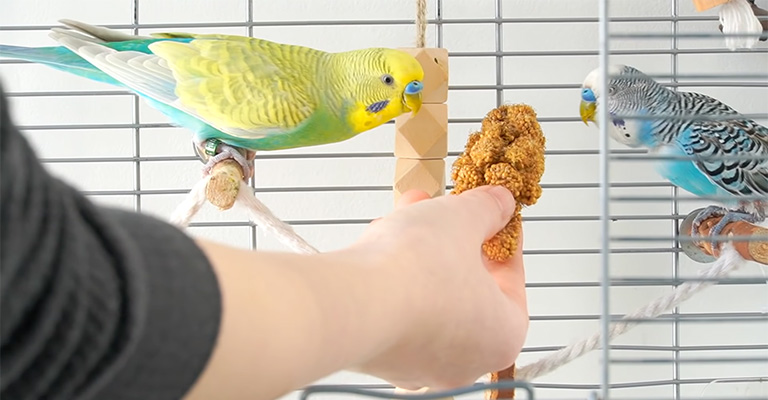
Birds exhibit a fascinating array of behaviors, shaped by their unique social structures and intricate communication systems. Observing these behaviors provides valuable insight into their lives and allows for a deeper appreciation of these remarkable creatures. Understanding these nuances is crucial for fostering positive interactions and respectful observation.
Bird Social Structures
Different bird species exhibit diverse social structures, ranging from solitary lifestyles to complex hierarchical societies. Understanding these structures is key to interpreting their interactions. Solitary species, like many raptors, typically interact primarily for mating purposes, whereas flocking species, such as starlings or geese, rely on group dynamics for protection and foraging. These differences impact how they communicate and bond.
Communication Methods
Birds employ a variety of communication methods, including visual displays, vocalizations, and chemical signals. Visual displays, such as elaborate plumage and postures, often convey information about the bird’s status, health, or intentions. Vocalizations, from simple chirps to complex songs, serve a variety of purposes, from attracting mates to warning of danger. Chemical signals, while less readily apparent, also play a significant role in communication, particularly in territorial marking and mate recognition.
Factors Influencing Bird Behavior
Various factors influence bird behavior, including age, sex, and environmental conditions. Young birds often exhibit different behaviors compared to adults, reflecting their developmental stages and social learning. Sex-specific behaviors, like mating displays, are often pronounced, highlighting the role of sexual selection. Environmental factors, such as food availability, temperature, and the presence of predators, can significantly impact bird behavior.
Displays of Affection and Bonding
Birds demonstrate affection and bonding through a variety of behaviors, tailored to their specific species. Some species, like parrots, are known for their strong pair bonds and frequent physical contact. Others, like many songbirds, might express affection through elaborate courtship rituals. The specific displays can be subtle or overt, but they all serve the function of strengthening social connections and fostering cooperative interactions.
Comfort and Threat Responses
Birds exhibit distinct behaviors when feeling comfortable or threatened. When comfortable, birds often display relaxed postures, preening, and interaction with others. When threatened, they might exhibit alarm calls, defensive postures, or flight responses. The specific behaviors vary based on the perceived threat and the bird’s individual experience.
Comparative Analysis of Social Structures
| Species | Social Structure | Communication Methods | Bonding Behaviors |
|---|---|---|---|
| African Grey Parrot | Pair-bonded, sometimes small family groups. | Vocalizations, mimicry, visual displays. | Extensive physical contact, mutual grooming, vocalizations expressing affection. |
| European Starling | Large flocks for foraging and roosting, loose social structure. | Vocalizations, flight patterns, visual displays. | Social cohesion, cooperative foraging, shared defense against predators. |
| Bald Eagle | Pair-bonded, often with a territory defended aggressively. | Vocalizations, visual displays, flight patterns. | Nesting behaviors, defense of territory, mutual grooming. |
Creating a Safe and Stimulating Environment
A crucial aspect of fostering a strong bond with your avian companion involves providing a safe and stimulating environment that caters to their physical and mental needs. This environment should mirror their natural habitat as closely as possible, encouraging natural behaviors and preventing boredom, which can lead to behavioral issues. A well-designed enclosure is the foundation for a happy and healthy relationship.Ensuring the safety and well-being of your bird is paramount.
A carefully crafted environment can significantly impact their overall health and happiness, promoting bonding and positive interactions. This includes providing adequate space, appropriate materials, and enriching activities to stimulate their natural instincts and prevent boredom.
Essential Elements for a Bird’s Enclosure
To create a suitable environment, a bird’s enclosure needs to be carefully considered, encompassing size, materials, and features for mental stimulation. Providing ample space is vital for the bird’s physical well-being and mental health. Appropriate cage size varies significantly depending on the bird species, ensuring they have enough room to move freely, perch, and explore. Adequate space prevents boredom and promotes natural behaviors.
For example, a small parrot species might thrive in a 30-inch-wide cage, while a larger macaw might need a 48-inch-wide cage.
Enclosure Materials and Features for Mental Stimulation
The materials used in constructing the enclosure should be durable, non-toxic, and easily cleaned. Solid construction is essential for the safety of the bird, preventing potential hazards like sharp edges or weak structures. Features for mental stimulation include multiple perches of varying sizes and textures, mimicking natural foraging and climbing opportunities. Adding climbing structures, branches, and natural elements can provide birds with the stimulation they need to stay engaged and prevent boredom.
Activities to Encourage Bonding and Interaction
Engaging in regular interaction and play sessions with your bird can significantly strengthen your bond. This includes consistent talking, singing, or playing music in the bird’s vicinity. Introducing your bird to new and stimulating activities and objects is crucial for mental enrichment. The bird will appreciate interaction, not only from you, but also from the environment itself.
Enrichment Activities for Birds
A range of enrichment activities can be incorporated into the enclosure to maintain a stimulating environment. These activities should be appropriate for the species and temperament of your bird, avoiding overly complex or potentially harmful items. Foraging toys, puzzle feeders, and interactive play provide mental stimulation, encouraging natural behaviors. These activities help mimic natural foraging behaviors and prevent boredom.
Choosing Appropriate Toys Based on Species and Temperament
The type of toys provided should be tailored to the specific needs and preferences of your bird species. Consider their size, beak shape, and natural foraging behaviors. Small birds might enjoy smaller foraging toys, while larger birds might benefit from larger puzzle feeders. Observe your bird’s natural curiosity and temperament when selecting toys. For example, a boisterous parrot might enjoy a complex puzzle feeder, whereas a quieter species might prefer simple foraging toys.
Table of Best Materials and Types of Toys for Different Bird Species
| Species       | Material Types                                | Activity Types                                      |
|---------------|-------------------------------------------------|---------------------------------------------------|
| Parakeets     | Small, sturdy wooden toys, foraging tubes, seeds | Foraging, chewing, puzzle solving                     |
| Cockatiels    | Wooden perches, foraging toys, puzzle feeders   | Foraging, chewing, puzzle solving, climbing           |
| Budgies       | Foraging toys, small mirrors, bells             | Foraging, observation, curiosity stimulation           |
| African Grey | Complex puzzle feeders, mirrors, bells, large toys | Foraging, puzzle solving, observation, exploration   |
| Macaws        | Large foraging toys, puzzle feeders, branches     | Foraging, climbing, puzzle solving, exploration        |
Establishing a Routine and Communication
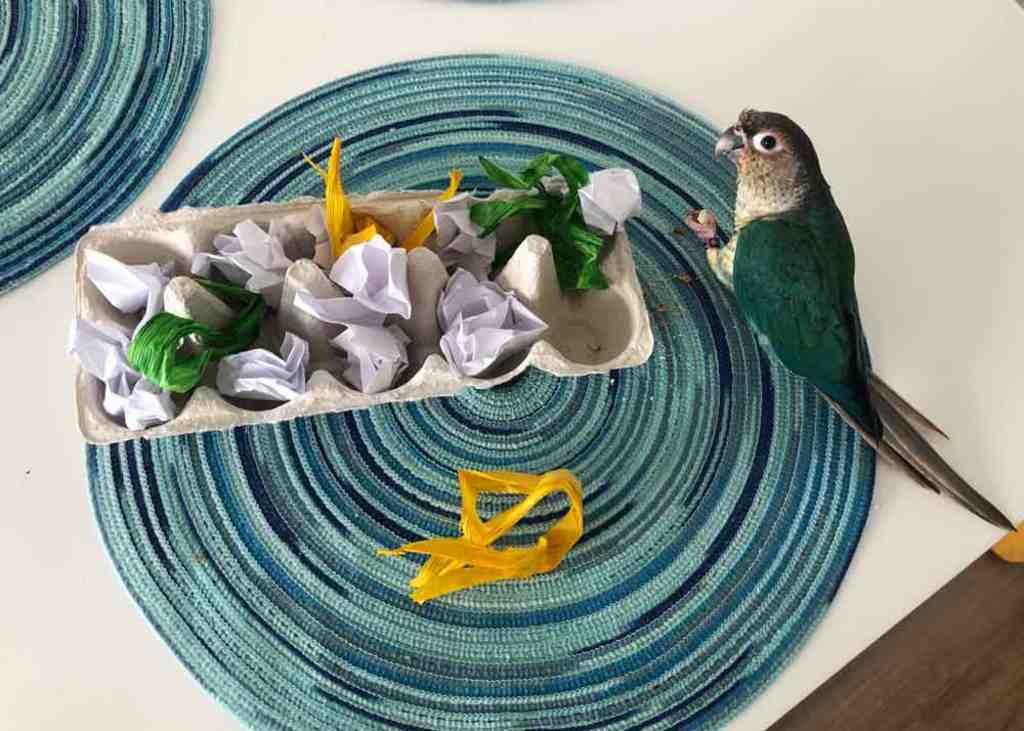
Establishing a consistent routine is crucial for both your well-being and your bird’s comfort.
A predictable schedule reduces stress and anxiety for both of you, allowing for a stronger bond to develop. Understanding how birds communicate, both verbally and nonverbally, is essential for effective interaction and strengthens the connection. Consistent communication fosters trust and mutual understanding, leading to a more fulfilling relationship.
A predictable routine, mirroring the natural rhythms of the bird’s environment, provides a sense of security and stability. This predictability translates into a calmer and more responsive bird, making interactions more rewarding for both you and your feathered friend. Learning to interpret your bird’s signals, both positive and negative, enables you to adjust your interactions to meet their needs and preferences.
Importance of a Consistent Daily Routine
A consistent daily routine is beneficial for both you and your bird. It provides structure and predictability, minimizing stress and anxiety for both parties. This predictability can include feeding times, playtime, and interaction periods. A structured routine allows you to anticipate your bird’s needs, leading to a stronger bond and more effective communication. For example, a consistent morning feeding time will train the bird to anticipate food at that time.
Methods for Communicating with Your Bird
Effective communication involves understanding vocalizations, body language, and visual cues. Birds communicate through a variety of vocalizations, from chirps and whistles to more complex songs. Learning to recognize these vocalizations is essential for understanding their emotional states. Similarly, body language plays a significant role. Observe posture, wing positions, and facial expressions to gauge the bird’s mood.
Visual cues, such as changes in feather coloration or movement patterns, can also provide valuable information. For instance, a puffed-up posture might indicate fear or aggression, while a relaxed posture might signal contentment.
Interpreting Bird Responses
Understanding your bird’s responses to your actions and interactions is paramount to effective communication. Learn to identify positive and negative responses. A happy bird might show signs of excitement, such as chirping or fluttering wings. Conversely, a distressed bird might exhibit signs like hissing or hiding. Careful observation of your bird’s reactions is key to understanding its needs and preferences.
For example, if your bird consistently avoids eye contact during interaction, it might indicate a need for a different interaction style.
Responding to Bird Cues and Needs
Responding appropriately to your bird’s cues and needs is vital for fostering a strong bond. If your bird exhibits signs of distress, such as hissing or feather-ruffling, try to identify the cause. Is it a change in environment, a lack of attention, or perhaps a need for more stimulation? Adjust your interactions accordingly. If your bird shows signs of boredom, introduce new toys or activities to keep them engaged.
Conversely, if your bird displays signs of happiness, such as chirping and fluttering, encourage and maintain these positive interactions. For example, if your bird seems distressed when you approach, try speaking softly and slowly extending your hand to avoid startling them.
Building a Daily Routine for Bonding with a Bird
This step-by-step guide helps you establish a daily routine for bonding with your bird:
- Assessment: Observe your bird’s natural behaviors and preferences. Note their typical activity levels, feeding habits, and interaction patterns. This will inform the structure of your routine.
- Scheduling: Create a schedule that incorporates feeding, playtime, interaction, and rest periods. Aim for consistency. Consider your bird’s natural sleep-wake cycle and schedule these periods accordingly.
- Introduction: Introduce your bird to the new routine gradually, avoiding abrupt changes. Begin with short sessions and gradually increase the duration as your bird adapts.
- Interaction: Dedicate specific times for interaction, using a variety of methods to stimulate your bird, such as talking, playing with toys, or providing enrichment activities.
- Observation: Pay close attention to your bird’s responses throughout the day. Observe body language, vocalizations, and any other cues to understand their needs and preferences.
- Adaptation: Adjust the routine based on your bird’s responses and preferences. If certain activities seem to trigger negative responses, remove or modify them.
- Consistency: Maintain the established routine as consistently as possible. This will help your bird feel secure and trust you.
Positive Reinforcement and Training
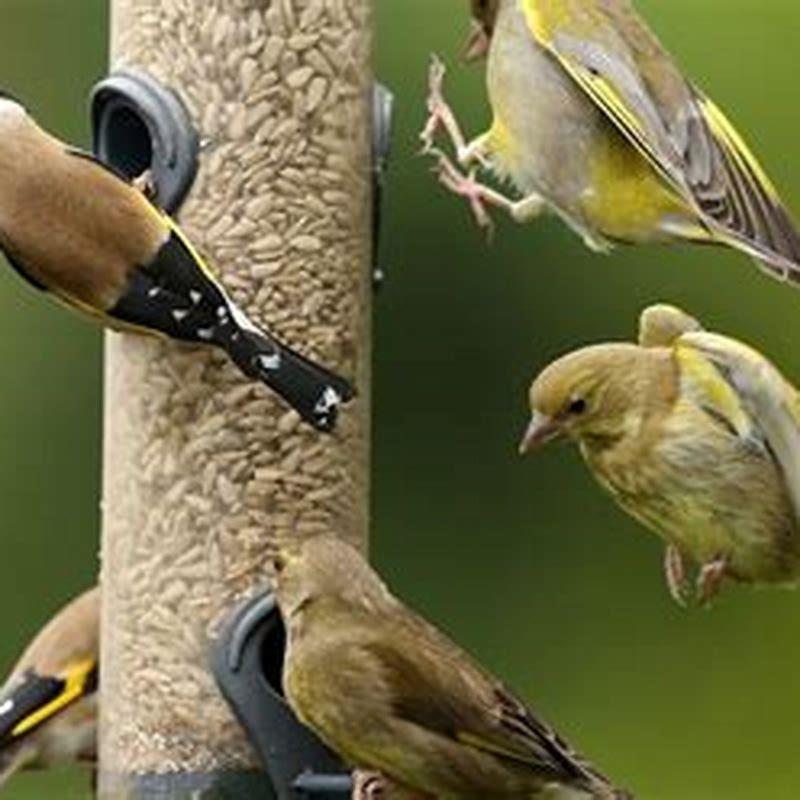
Positive reinforcement is a cornerstone of successful bird training. It focuses on rewarding desired behaviors rather than punishing undesirable ones. This approach fosters a positive and trusting relationship between you and your feathered friend, leading to more effective communication and a happier, healthier bird. By understanding the principles of positive reinforcement, you can build a strong bond with your bird while also teaching them new skills.
Employing positive reinforcement techniques establishes a mutually beneficial relationship. Birds learn through association, and positive reinforcement creates a clear link between a behavior and a reward. This predictability and consistency are vital for the bird’s learning and understanding of your expectations. This approach also reduces stress and promotes a more positive learning environment.
Reward Systems for Birds
Understanding your bird’s preferences is crucial to creating an effective reward system. Reward systems should be tailored to individual birds, considering their personalities and natural inclinations. Variety is key; a diverse reward system keeps the bird engaged and prevents boredom. A bird’s preferences might include seeds, fruits, small treats, or even a favorite toy. Positive attention and verbal praise are also valuable rewards.
Positive Reinforcement Exercises
Positive reinforcement exercises can encompass a wide range of behaviors, from simple tricks to more complex tasks. Consistency and patience are vital. Begin with simple commands, such as “step up” or “come here,” and reward the bird for even small attempts at compliance. Gradually increase the complexity of the commands as the bird demonstrates proficiency. Remember to celebrate small victories to keep the bird motivated.
- Simple Tricks: Start with basic commands like “step up,” “come here,” and “step down.” Reward each successful attempt with a treat, praise, or a favorite toy. Short, frequent sessions are more effective than long, infrequent ones.
- Advanced Tricks: Once your bird masters basic commands, you can move on to more complex tricks. This might include fetching objects, performing specific movements, or recognizing their names. Remember to break down these tricks into smaller, manageable steps.
- Building Trust: Positive reinforcement exercises create a trusting environment. By associating positive experiences with commands, the bird develops a sense of security and trust in you. This trust forms the basis for stronger communication and a more enjoyable bond.
Training to Build Trust and Communication
Training sessions should be fun and engaging for both you and your bird. Short, frequent sessions are more effective than long, infrequent ones. Observe your bird’s cues; subtle body language can indicate their comfort level or need for a break. Avoid forceful or harsh methods, as these can damage the trust you’re working to build. Always end a training session on a positive note, reinforcing the positive experience.
Positive Reinforcement Methods
| Method | Description | Example |
|---|---|---|
| Treats | Using food as a reward. | Giving a small piece of seed or fruit for a successful command. |
| Praise | Verbal encouragement. | Saying “good bird!” or “well done!” |
| Special Attention | Providing focused interaction. | Playing with a favorite toy, petting the bird, or talking to the bird. |
| Token Economy | Using tokens or small rewards to exchange for larger rewards. | Giving a small colored chip for a successful command. Accumulating chips for a larger treat or a special activity. |
Addressing Challenges and Troubleshooting
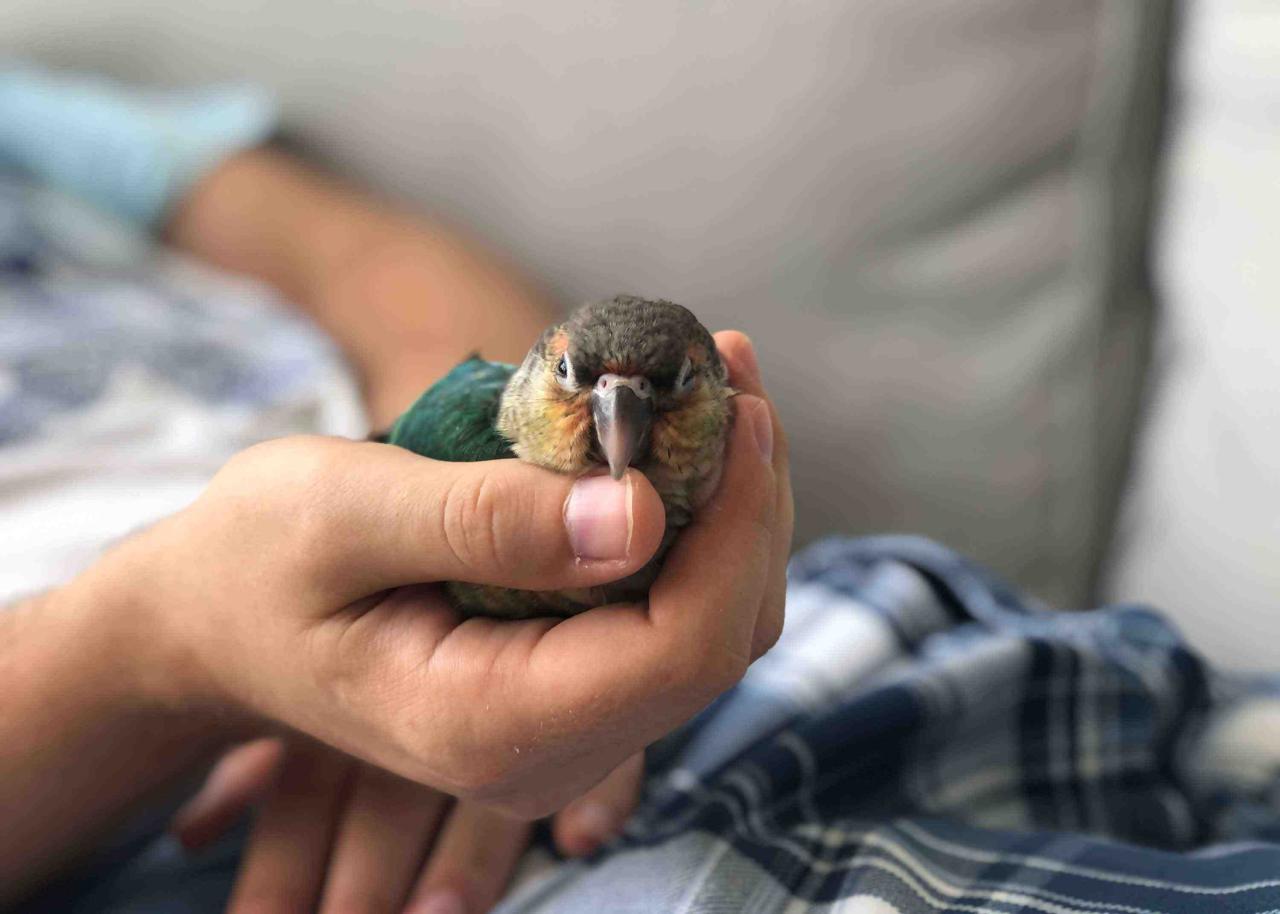
Bonding with birds can be a rewarding experience, but challenges are inevitable. Understanding potential difficulties and developing strategies to overcome them is crucial for fostering a positive and lasting relationship with your feathered friend. This section will explore common issues, potential underlying causes, and practical solutions to promote successful bonding.
Addressing challenges proactively is essential for maintaining a healthy and harmonious environment for both you and your bird. Recognizing warning signs and acting promptly can prevent escalation of problems and ensure the well-being of your avian companion. It also fosters a stronger bond by demonstrating your attentiveness and commitment to their needs.
Common Challenges in Bird Bonding
Identifying and understanding common challenges is the first step in addressing them effectively. These challenges often stem from misunderstandings of bird behavior, inappropriate environmental factors, or underlying health concerns.
- Fear and Anxiety: Birds may exhibit fearfulness due to past negative experiences, sudden changes in their environment, or a lack of familiarity with their surroundings. This often manifests as avoidance, hissing, or self-destructive behaviors like feather plucking. Understanding the specific triggers is crucial for developing appropriate countermeasures.
- Aggression: Aggression in birds can range from mild displays of dominance to more serious, aggressive attacks. This behavior may be rooted in territorial disputes, perceived threats, or a lack of appropriate social interaction. Addressing the root cause, whether it be environmental changes or inadequate social interaction, is vital to mitigating the issue.
- Lack of Interaction: A lack of interaction can stem from a variety of factors, including the bird’s personality, environmental enrichment, or even underlying health problems. A bird that isn’t engaging might require more stimulation or a change in their routine. Enriching the environment, providing varied toys, and establishing a predictable schedule can foster more interaction.
Potential Health Issues Affecting Bird Behavior
Several health conditions can influence a bird’s behavior, impacting their ability to bond. Identifying potential health concerns is crucial for providing the best possible care.
- Nutritional Deficiencies: A lack of essential nutrients can lead to behavioral changes, including aggression, lethargy, and reduced interaction. Ensuring a balanced and varied diet tailored to the bird’s species is paramount. Consulting with an avian veterinarian is recommended to determine if a dietary supplement is needed.
- Pain or Discomfort: Physical ailments such as arthritis, injuries, or digestive problems can manifest as behavioral changes, including reduced activity, aggression, or changes in vocalization. Regular health checks, including observing posture, eating habits, and vocalizations, are vital for early detection.
- Mental Health Issues: Just like humans, birds can experience stress and anxiety. Factors like loud noises, sudden changes in environment, or lack of stimulation can negatively impact their well-being. Understanding the potential stressors in their environment and providing appropriate environmental enrichment can be vital.
Assessing Bird Health and Well-being
Regularly assessing your bird’s health is vital for identifying potential issues early on. Monitoring various aspects will provide insights into their overall well-being.
- Physical Examination: Pay close attention to their posture, breathing, and overall physical condition. Look for signs of lethargy, tremors, or unusual behavior. Regular physical examinations by a veterinarian are crucial for early detection of potential issues.
- Behavioral Observation: Note changes in vocalizations, eating habits, activity levels, and interactions with their environment. A sudden shift in behavior can signal an underlying health problem.
- Dietary Habits: Observe how your bird consumes food and water. Changes in appetite or water intake may indicate underlying issues.
Troubleshooting Table
The table below provides a framework for addressing common bonding challenges.
| Challenge | Potential Cause | Suggested Solution |
|---|---|---|
| Fear | Past negative experiences, sudden changes in environment | Gradual introduction to new surroundings, positive reinforcement, and providing a safe space |
| Aggression | Territorial disputes, perceived threats, lack of social interaction | Assess and adjust the environment to reduce perceived threats, provide appropriate enrichment, and consult with a veterinarian |
| Lack of Interaction | Personality, lack of environmental stimulation, or underlying health issues | Provide a stimulating environment with varied toys, consider introducing a companion bird (if appropriate), and consult a veterinarian for a health check |
Deepening the Bond
Cultivating a strong bond with a bird goes beyond basic care. It involves fostering trust, understanding, and a deep connection that enriches both your lives. This process requires patience, consistency, and a keen awareness of your feathered companion’s unique personality. By actively engaging in specific activities and creating a supportive environment, you can significantly strengthen the bond between you and your bird.
Understanding a bird’s unique personality and communication styles is key to developing a meaningful connection. Each bird has its own preferences and quirks, and recognizing these nuances allows you to tailor interactions to their specific needs. This personalized approach fosters trust and strengthens the bond.
Specific Activities to Foster Trust and Connection
Understanding your bird’s body language is crucial for deepening the bond. A bird that fluffs its feathers, stretches its wings, or approaches you with curiosity is exhibiting positive behaviors. Conversely, signs like hiding, avoiding eye contact, or hissing indicate discomfort or fear. Observing these subtle cues allows you to adjust your interactions accordingly. This understanding helps you better interpret their needs and intentions, strengthening your bond through mutual respect.
- Regular Interactions: Frequent, short interactions throughout the day are more effective than infrequent, lengthy sessions. Short interactions allow for more focused engagement and avoid overwhelming the bird.
- Positive Reinforcement Training: Rewarding desired behaviors reinforces positive associations with you, strengthening trust and encouraging further interaction.
- Mimicking Bird Sounds: Learning and mimicking your bird’s vocalizations can build familiarity and strengthen the bond. It can also provide comfort and a sense of security.
- Shared Activities: Engage in activities that both of you enjoy, like watching birds outside a window or presenting a selection of new, safe toys.
Creating a Safe and Comfortable Environment
A safe and comfortable environment is paramount for fostering trust and interaction. A secure cage with perches, toys, and hiding spots allows the bird to feel safe and in control. Ensure the cage is in a quiet, well-lit area, free from sudden noises or disturbances.
- Cage Placement: Position the cage in a calm, quiet area of your home to minimize stress and promote relaxation.
- Cage Enrichment: Providing a variety of toys, perches, and food sources keeps the bird mentally stimulated and engaged.
- Minimizing Stressors: Minimize potential stressors such as loud noises, sudden movements, or the presence of other animals or pets.
Promoting Mental Stimulation and Enrichment
Mental stimulation is vital for a bird’s well-being and contributes significantly to strengthening the bond. Providing a stimulating environment encourages exploration, learning, and interaction.
- Variety of Toys: Offer a diverse range of toys, including foraging toys, puzzle feeders, and chew toys, to stimulate their natural instincts.
- Interactive Play: Incorporate interactive elements into the cage to promote engagement and problem-solving.
- Exploration Opportunities: Allowing supervised, safe exploration of your home can create lasting bonds through shared experiences.
“Patience and consistent care are essential for strengthening the bond with a bird. The rewards of a deep, trusting connection are immeasurable, and the effort invested in nurturing this relationship will be richly repaid.”
Visual Examples
Observing birds’ behaviors provides invaluable insight into their needs and responses. Understanding these visual cues allows for more effective communication and strengthens the bond between you and your feathered friend. Careful observation, noting subtle changes in posture, vocalizations, and body language, is key to fostering a harmonious relationship.
Visual cues, like a bird’s posture or feather ruffling, are often more telling than vocalizations. Recognizing these cues helps in understanding their emotional state and adjusting your interactions accordingly. By understanding these subtle nuances, you can better meet the bird’s needs and create a more enriching environment.
Observing Bonding Behaviors in Different Bird Species
Various bird species exhibit unique bonding behaviors. Parrots, for example, may engage in mutual preening, where they meticulously groom each other’s feathers, demonstrating a strong social connection. This act not only maintains hygiene but also strengthens the bond. Canaries often display affectionate behaviors such as close proximity, gentle nudges, and soft chirps. Budgies may exhibit similar behaviors, like resting close to their owners or responding to gentle vocalizations with reciprocal chirps.
These interactions demonstrate the strong bond these species can develop with their human companions.
Bird Body Language and Subtle Cues
Birds communicate through a complex interplay of body language and subtle cues. A relaxed posture, with feathers smoothly arranged, typically indicates contentment. Conversely, ruffled feathers or puffed-up plumage might suggest fear, anxiety, or aggression. A bird tilting its head, a common behavior, often signifies curiosity or attentiveness to your actions. Understanding these nuanced behaviors is crucial for effective communication.
Changes in vocalizations, from soft chirps to sharp calls, also reflect emotional states and should be noted.
Responding to Physical Touch and Closeness
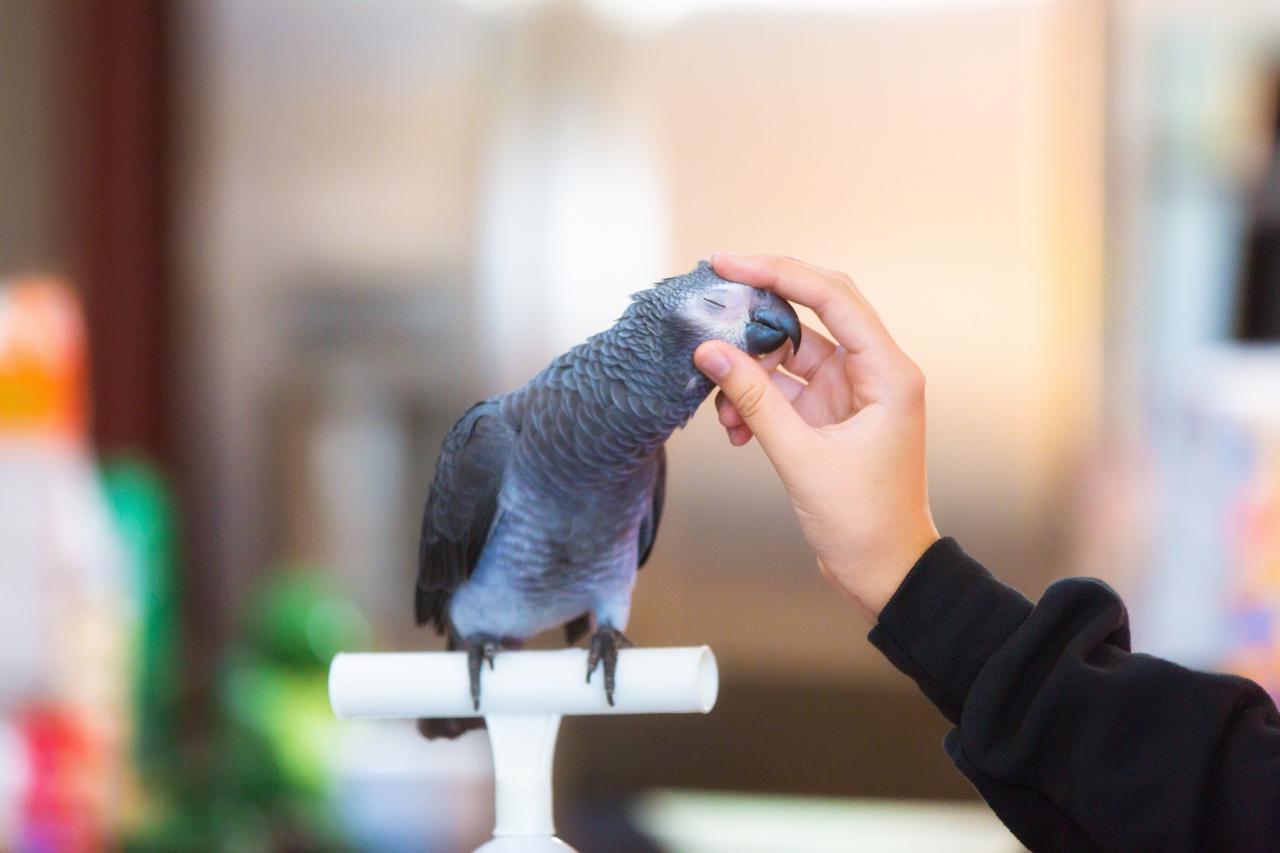
Birds react differently to varying levels of physical touch or closeness. Some species, like parrots, may enjoy gentle head scratches or pats on the head, while others, like finches, might find such interactions stressful. Always start with gentle interactions and observe the bird’s response. If the bird recoils or shows signs of distress, immediately cease the interaction.
Consistent observation is crucial in understanding the bird’s comfort level with touch and closeness.
Examples of a Bird Species Interacting with its Owner
A cockatiel, for example, might exhibit a strong bond with its owner. When approached, the cockatiel might tilt its head, displaying curiosity. It might also approach the owner’s hand, gently nudging it with its beak, indicating a desire for interaction. A soft, melodious chirping accompanied by these behaviors signifies contentment and affection. If the owner provides a treat, the cockatiel may happily accept it, while maintaining close proximity to the owner.
This demonstrates the bond that can develop between these species through appropriate interactions.
Bird Interactions with Enrichment Toys
Birds naturally engage in foraging behaviors. Providing enrichment toys, such as foraging puzzles or foraging feeders, can stimulate birds and mimic natural foraging activities. A parrot might spend considerable time investigating and manipulating a puzzle feeder to extract food, showcasing active engagement. This activity not only provides mental stimulation but also encourages natural behaviors. Finches, on the other hand, might be observed meticulously searching for seeds or insects hidden within foraging toys, displaying a natural foraging instinct.
This engagement demonstrates the importance of providing appropriate stimulation for their cognitive and physical well-being.
Closing Notes
In conclusion, bonding with birds requires patience, understanding, and a commitment to providing a safe and enriching environment. By learning their behaviors, creating a suitable habitat, and fostering communication, you can cultivate a meaningful connection that benefits both you and your feathered friend. This guide has equipped you with the knowledge and tools to embark on this rewarding journey.