Bird feathers are intricate works of art, essential for flight, insulation, and beauty. Proper care is vital for a bird’s health and well-being, and regular feather brushing plays a crucial role. This guide provides a comprehensive overview of how to brush bird feathers effectively, covering everything from the necessary tools and techniques to addressing common feather issues and safety precautions.
Understanding the specific needs of different bird types is paramount for successful feather care.
This detailed guide covers various aspects of feather brushing, including essential tools, techniques, and common problems. It’s designed to empower bird owners with the knowledge and skills needed to maintain their feathered companions’ health and well-being through proper feather care.
Introduction to Feather Brushing
Proper feather care is crucial for a bird’s overall health and well-being. Birds rely on their feathers for flight, insulation, and attracting mates. Regular brushing helps maintain the integrity of these essential structures, promoting optimal function and preventing issues like matting, parasites, and feather damage. This diligent practice also allows for early detection of potential health problems.Feather care goes beyond simple aesthetics; it’s a vital aspect of responsible bird ownership.
Maintaining healthy feathers supports a bird’s ability to thermoregulate, fly effectively, and groom itself. It also plays a role in preventing the accumulation of parasites and debris, thus reducing the risk of infections and discomfort. Different bird species have unique feather structures and needs, requiring tailored care approaches.
Bird Types and Feather Needs
Various bird species exhibit diverse feather structures and require specific care. Some species, like parakeets and canaries, have fine, delicate feathers that need more frequent attention than the robust plumage of cockatoos. This necessitates adjusting the frequency of brushing to meet the particular needs of each bird type.
Frequency of Feather Brushing
Maintaining optimal feather health is paramount for a bird’s well-being. The frequency of brushing varies depending on the bird species. Regular brushing helps keep feathers free of debris, parasites, and tangles, promoting their natural beauty and functionality. A consistent brushing routine supports the bird’s natural preening habits and contributes to their overall comfort.
| Bird Type | Frequency of Brushing |
|---|---|
| Parakeet | Daily |
| Cockatoo | Weekly |
| Canary | Daily |
| Finch | Daily |
| Macaw | 2-3 times a week |
| African Grey Parrot | Daily |
Necessary Tools and Supplies
Proper feather brushing requires the right tools to ensure the health and beauty of your feathered friend’s plumage. Selecting appropriate brushes and other supplies is crucial for a gentle and effective cleaning process. Different bird species have varying feather structures, demanding specialized tools for optimal results.Effective feather brushing relies heavily on the proper selection of tools. Understanding the specific needs of each bird species is paramount.
A soft brush for a delicate parakeet will contrast sharply with a robust brush needed for a cockatoo. The correct tool prevents damage and promotes healthy feather growth.
Essential Tools for Feather Brushing
The essential tools for feather brushing include various types of brushes tailored to different bird species and feather types. Selecting the appropriate brush is critical to avoid harming the bird or damaging its plumage.
- Brushes: Different brush types are designed for various applications. Soft-bristled brushes are ideal for delicate birds like parakeets and canaries, while medium-bristled brushes are better suited for cockatoos and larger birds. Firm-bristled brushes can be used for birds with thicker, more robust feathers, but extra care must be taken to avoid scratching the skin. The type of brush chosen should correspond to the size and structure of the bird’s feathers.
Types of Brushes and Their Applications
Different brush types cater to the unique needs of various bird species. A comprehensive understanding of these differences is vital for ensuring the bird’s comfort and the integrity of its feathers.
- Soft Bristle Brushes: These brushes are gentle on delicate feathers and are best for smaller birds like parakeets, canaries, and finches. The soft bristles minimize the risk of damaging the bird’s feathers during brushing, preventing discomfort and promoting healthy plumage.
- Medium Bristle Brushes: Medium-bristled brushes are suitable for larger birds with thicker feathers, such as cockatoos, macaws, and other large parrots. These brushes are effective at removing tangles and debris without being too harsh.
- Firm Bristle Brushes: These brushes are used for birds with robust feathers and thick plumage. They effectively remove tangles and debris while being gentle on the bird’s skin. These brushes should be used with extra care to avoid scratching or irritating the bird. Examples include brushes designed for birds with a significant amount of feather down or fluff.
Selecting Appropriate Tools for Specific Bird Types
Choosing the correct brush type is essential for the well-being and health of your feathered friend. The structure of the bird’s feathers significantly influences the type of brush required. A brush that is too hard for a small bird can cause damage, while a brush that is too soft for a larger bird may not effectively remove tangles.
| Brush Type | Bird Type | Advantages |
|---|---|---|
| Soft bristle | Parakeets, Canaries | Gentle on delicate feathers, minimizes risk of damage |
| Medium bristle | Cockatoos, larger birds | Effective for removing tangles, suitable for thicker feathers |
| Firm bristle | Birds with robust feathers | Effective at removing tangles and debris, but requires careful handling |
Additional Supplies
A variety of additional supplies can enhance the feather brushing experience. These items can help to ensure a smooth and efficient process.
- Feather Pickers/Combs: These tools are useful for separating and detangling individual feathers, particularly in areas with dense plumage or mats. They can be used in conjunction with brushes for a more thorough cleaning.
- Bird-safe Cleaning Solutions: Using specific, bird-safe cleaning solutions to gently clean the bird’s feathers, if necessary, helps maintain hygiene and promotes healthy plumage.
- Towels or Soft Cloths: These are essential for drying the bird’s feathers after bathing or cleaning. Soft cloths can also be used for cleaning areas where brushing may not be as effective.
- Grooming Gloves: These gloves help protect your hands during feather brushing and handling. They are beneficial for birds with sharp beaks or claws.
Techniques for Brushing Bird Feathers
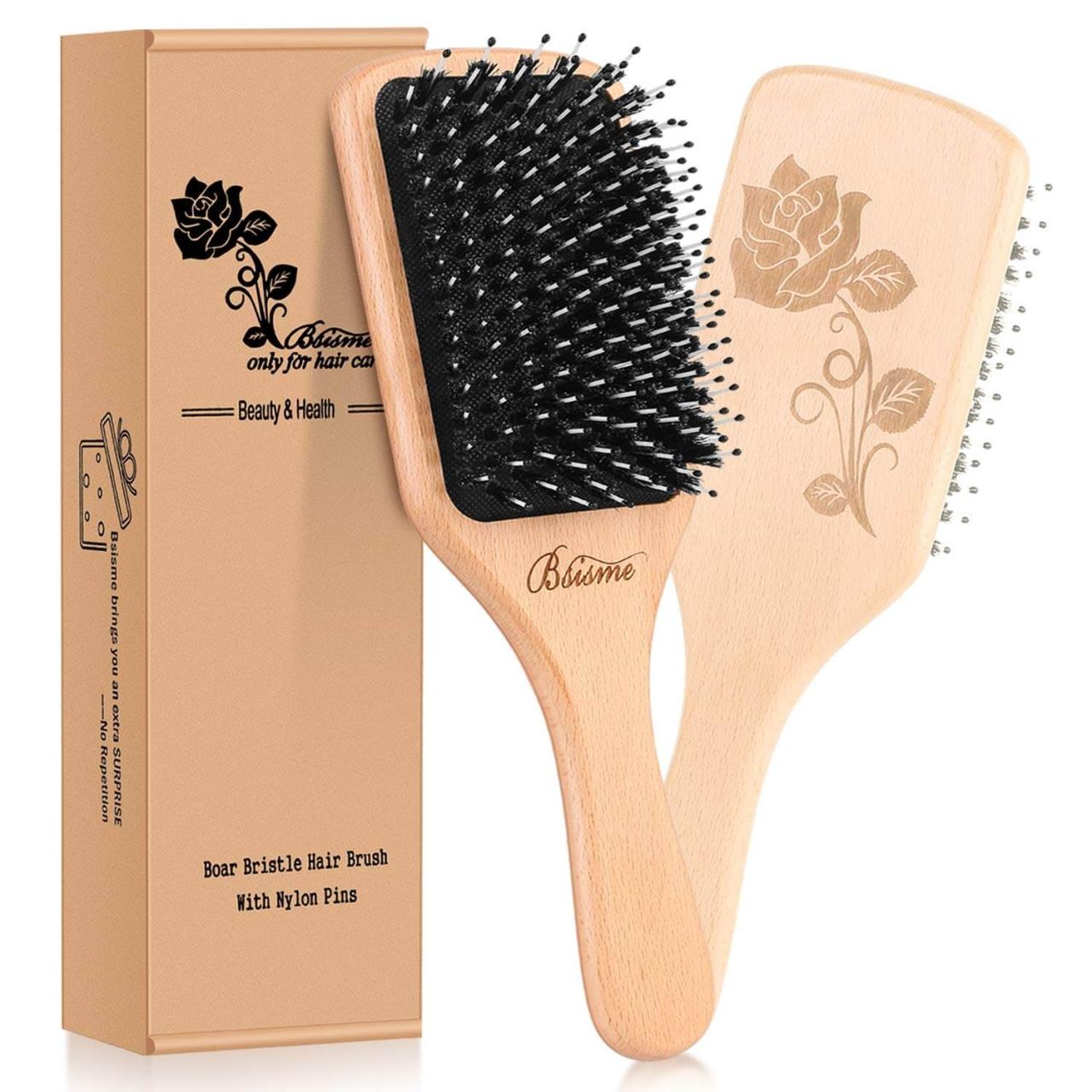
Proper feather brushing is crucial for maintaining a bird’s health and well-being. It stimulates circulation, removes debris, and distributes natural oils, promoting healthy feather growth and a lustrous appearance. It also allows you to observe the bird’s overall condition and identify any potential health issues early on. This section details the essential techniques for feather brushing, emphasizing safety and effectiveness.Effective feather brushing requires a gentle touch and careful attention to the bird’s comfort.
The goal is to meticulously remove loose or trapped debris without causing discomfort or injury. Understanding the bird’s body structure and the appropriate pressure and angles for different feather types are key elements for successful brushing.
Correct Technique for Feather Brushing
A gentle, consistent stroke is vital. Avoid jerky or forceful movements. Use a smooth, flowing motion, mimicking the natural way a bird grooms itself. Always start from the base of the feather and brush towards the tip, following the feather’s natural direction. This prevents pulling and tearing of the delicate structure.
Proper Angle and Pressure
The angle at which you brush a feather significantly impacts the outcome. Generally, you should hold the brush at a slight angle, parallel to the feather shaft. This ensures that the bristles engage with the feather effectively, lifting debris without damaging the delicate structure. Avoid pressing too hard, as excessive pressure can damage the feather barbs. A light, consistent pressure is ideal for most feathers.
However, for particularly delicate feathers or areas, a lighter touch is paramount.
Avoiding Discomfort or Injury
Always observe the bird’s reaction. If the bird shows signs of discomfort, such as flinching, squirming, or hissing, immediately stop the brushing session. A bird’s sensitivity varies, and understanding their cues is essential for their well-being. Never brush over wounds or irritated areas. Pay close attention to the bird’s posture and body language.
A bird that is relaxed and calm is more receptive to brushing.
Brushing Different Parts of the Bird’s Body
Different parts of a bird’s body have varying feather types and densities. Tail feathers, for instance, are typically longer and require a slightly different approach. Start with the head and neck, using gentle strokes. Proceed to the back, chest, and wings, paying attention to the bird’s comfort level. Avoid areas near the bird’s eyes or sensitive areas.
When brushing the wings, focus on the flight feathers, ensuring that you don’t disrupt the delicate structure of the wing barbs.
Step-by-Step Procedure for Feather Brushing
- Preparation: Gather your tools and supplies, ensuring the bird is in a calm and secure environment. Ensure the bird is comfortable and not stressed.
- Bird Assessment: Carefully inspect the bird’s plumage for any visible debris, mats, or unusual conditions. Look for any wounds or irritated areas. Note any signs of stress or discomfort.
- Starting Position: Position the bird gently on a stable surface, like a soft towel or a table. If possible, support the bird’s body, especially the wings and tail.
- Gentle Strokes: Begin brushing from the base of the feather, using light, consistent strokes towards the tip. Follow the feather’s natural direction. Use a soft, stroking motion. Avoid pulling or tugging on the feathers. Observe the bird’s reaction throughout.
- Specific Areas: For wings, focus on the flight feathers. For the tail, use a similar stroking technique, but be mindful of the tail feathers’ length and fragility. Carefully brush the head and neck, paying close attention to the area around the eyes.
- Finishing Touches: Carefully remove any remaining debris or mats. Observe the bird’s overall appearance and ensure the plumage looks healthy and free of obstructions. Continue to monitor the bird’s reaction and stop if it shows any discomfort.
Addressing Specific Feather Issues
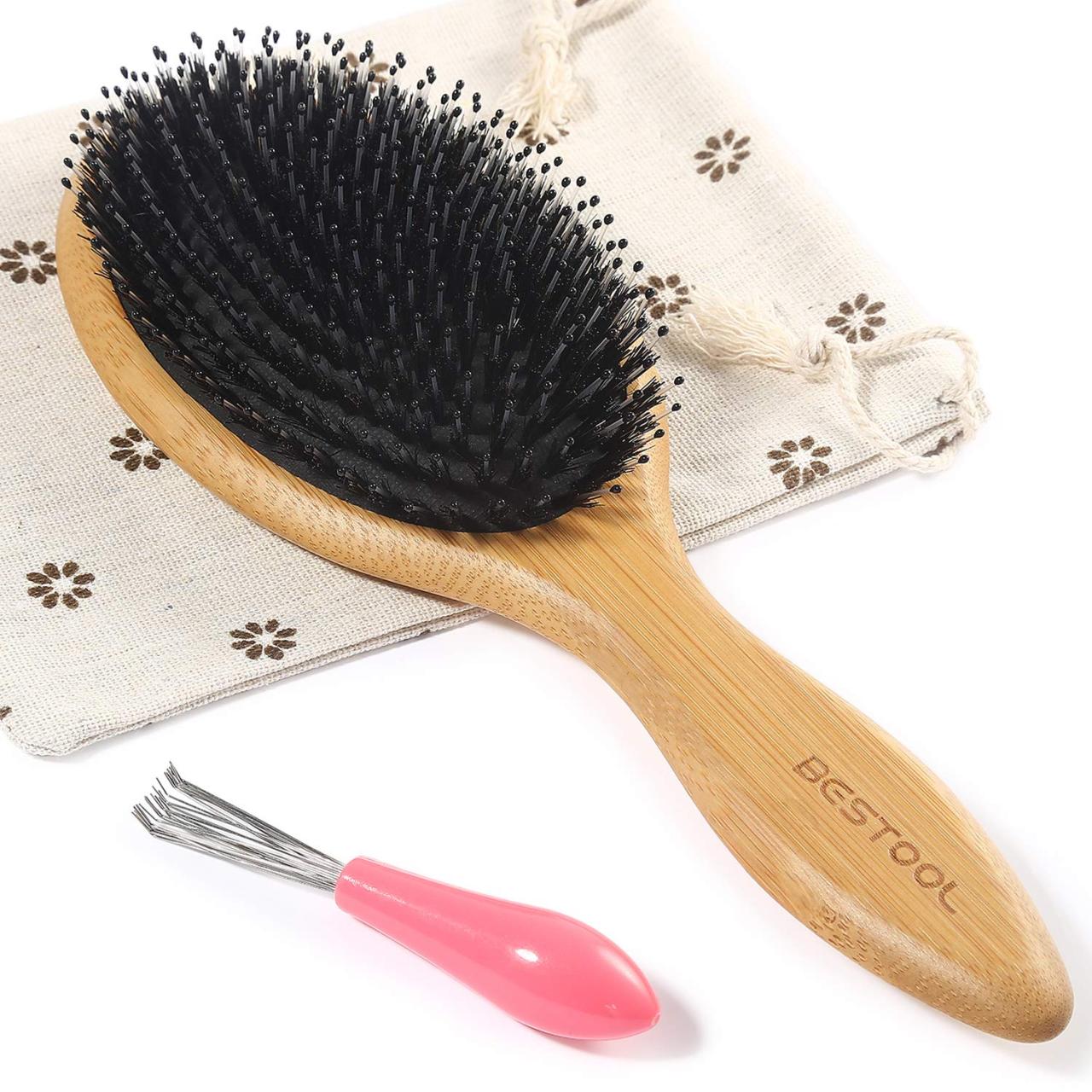
Proper feather care is crucial for a bird’s health and well-being. Addressing any issues promptly can prevent further complications and ensure the bird maintains its natural beauty and comfort. Identifying and understanding the causes of feather problems are essential steps in providing effective solutions and preventing future occurrences.Feather problems in birds can range from minor inconveniences to serious health concerns.
Careful observation and understanding of normal feather patterns and behavior are essential for early detection. Recognizing the signs of various issues allows for timely intervention, minimizing the impact on the bird’s overall health and appearance.
Common Feather Problems
A bird’s plumage is a complex system, and various factors can disrupt its health. Understanding the typical feather problems birds encounter is essential for appropriate intervention. Common issues include matted feathers, broken feathers, and feather loss.
Causes of Feather Problems
Several factors contribute to feather problems in birds. Poor hygiene, inadequate nutrition, and underlying illnesses can all lead to feather issues. Stress, trauma, or improper handling can also cause broken feathers or disrupt normal molting cycles. A thorough understanding of the possible causes is vital for creating effective solutions.
Methods to Address Feather Problems
Addressing feather problems requires a multifaceted approach. Gentle and appropriate handling techniques are essential to prevent further damage. Addressing underlying health concerns, such as nutritional deficiencies or infections, is critical for resolving the root cause of the problem. Specific solutions vary depending on the nature of the problem. Consistent feather care and monitoring are key to prevent future issues.
Preventative Measures
Proactive measures can significantly reduce the likelihood of feather problems. Providing a clean and stimulating environment is essential. Ensuring proper nutrition, and monitoring the bird’s health and behavior are vital for prevention. Regular feather checks, along with appropriate handling techniques, can greatly reduce the risk of damage.
Table of Feather Problems and Solutions
| Feather Problem | Cause | Solution |
|---|---|---|
| Matted Feathers | Lack of regular brushing, stress, illness, poor nutrition | Gentle brushing with a soft-bristled brush, addressing underlying causes (illness, stress), and improving nutrition. |
| Broken Feathers | Trauma (e.g., rough handling, collisions), improper handling, stress, underlying illness | Careful cleaning of the affected area, gentle nurturing, and addressing any underlying illness. Avoiding rough handling or collisions. |
| Feather Loss (Molting) | Normal molting process, stress, underlying illness, nutritional deficiencies | Monitoring the bird for signs of distress, ensuring adequate nutrition and a healthy environment. Avoid disturbing the natural molting process unless necessary. |
Safety Precautions During Feather Brushing

Ensuring the well-being of your feathered companion is paramount during any grooming procedure, including feather brushing. Proper safety measures are essential to prevent harm to both the bird and the handler. A thoughtful approach, incorporating careful handling and restraint techniques, significantly reduces the risk of injury.Thorough preparation and understanding of potential hazards are crucial for a successful and safe brushing session.
Knowing how to react to unexpected situations can make all the difference in maintaining a positive and stress-free experience for your bird.
Potential Hazards
Several factors can contribute to potential hazards during feather brushing. A bird’s inherent flight response, combined with the handling required for brushing, can lead to stress, injury, or discomfort if not managed properly. Unfamiliar surroundings or sudden movements can trigger these responses. Additionally, the tools used, such as brushes, combs, or tweezers, require careful handling to avoid accidental injuries to the bird.
Improper restraint techniques can lead to the bird becoming agitated and struggling, potentially causing harm to itself or the handler.
Safe Handling of the Bird
Proper restraint is vital to ensure a safe and successful feather brushing session. A secure grip that avoids constricting the bird’s breathing or circulation is critical. Avoid sudden movements or loud noises, as these can startle the bird and lead to injury. Choose a comfortable and familiar location for the bird during the procedure, minimizing stress factors.
Importance of Restraint Techniques
Effective restraint techniques are essential for both the safety of the bird and the handler. These techniques should be gentle yet firm, allowing for the bird to be safely secured without causing undue stress or fear. Properly trained restraint methods reduce the risk of the bird struggling or flapping, potentially causing injuries to itself or the handler. Using appropriate tools or techniques for different bird species is also crucial for maintaining safety.
Safety Tips
- Secure the bird: Use a soft, padded restraint that comfortably yet securely holds the bird, minimizing any potential discomfort or injuries.
- Maintain a calm demeanor: Your demeanor directly influences the bird’s response. Maintain a calm and reassuring tone and avoid sudden movements. This creates a relaxed environment for the bird, reducing stress and the risk of injury.
- Avoid harsh tools: Select brushes or combs with soft bristles or teeth to prevent irritation or damage to the bird’s skin. Avoid using tools with sharp edges or points.
- Monitor the bird’s behavior: Continuously observe the bird’s body language and behavior during the brushing process. If the bird shows signs of distress, stop immediately and consult a veterinarian if needed. Recognizing stress signals is crucial for safety.
- Establish a routine: Familiarizing the bird with the brushing process through a gradual and positive routine can minimize stress. Start with short sessions and gradually increase the duration as the bird becomes accustomed to the process.
- Ensure adequate lighting: Proper lighting conditions minimize the risk of the bird becoming disoriented or startled during the procedure.
- Seek professional guidance: If unsure about any aspect of the procedure, consult with an avian veterinarian or a certified avian groomer for specific guidance on handling and restraint techniques.
Brushing Different Types of Birds

Understanding the unique needs of different bird species is crucial for effective feather brushing. Each bird’s plumage varies, and appropriate techniques prevent damage and ensure optimal health. This section will delve into the specific requirements for various bird types, from parrots to finches.
Parrot Feather Brushing
Parrots, with their intricate plumage, require consistent brushing. Daily brushing helps maintain their vibrant feathers, removing loose debris and stimulating natural oils. Gentle pressure and soft-bristled brushes are paramount. Avoid harsh strokes that could cause discomfort or damage. For larger parrots, using a wide-tooth comb or a brush designed for long feathers can be beneficial.
Regular brushing promotes healthy feather growth and minimizes the accumulation of dust and shed skin, maintaining a clean and healthy appearance.
Canary Feather Brushing
Canaries, known for their delicate feathers, demand careful handling and gentle brushing. Daily brushing is vital for maintaining the cleanliness and luster of their plumage. The key is to handle the bird with utmost care and avoid sudden movements that could induce stress. Soft brushes and a light touch are essential. Focus on areas where dust or debris might accumulate, ensuring the brushing process is both efficient and stress-free.
Finch Feather Brushing
Finches, with their short, compact plumage, benefit from daily brushing, although the frequency might be slightly less demanding compared to parrots or canaries. Regular brushing aids in maintaining cleanliness and healthy feather growth. The goal is to keep their plumage free from dust and parasites. Soft brushes and a gentle approach are crucial for these smaller birds.
Pay attention to any signs of discomfort and adjust the brushing technique accordingly.
Comparing and Contrasting Brushing Needs
| Bird Type | Brushing Frequency | Special Considerations |
|---|---|---|
| Parrots | Daily | Use gentle pressure and soft brushes, especially for larger parrots. Be mindful of individual bird tolerance levels. |
| Canaries | Daily | Handle with utmost care to avoid stress. Ensure the bird is comfortable and relaxed during the process. |
| Finches | Daily (but potentially slightly less than parrots/canaries) | Focus on maintaining cleanliness and promoting healthy feather growth. |
Tips for Effective Feather Brushing
Proper feather brushing is not just about aesthetics; it’s a vital aspect of maintaining a bird’s overall health. Regular and meticulous feather care can reveal potential health issues early, allowing for prompt veterinary intervention. By understanding the intricacies of feather maintenance, bird owners can contribute significantly to the well-being of their feathered companions.
Monitoring Bird Health
Maintaining a watchful eye on your bird’s overall health is crucial. This includes observing their eating habits, activity levels, and any changes in behavior. Pay close attention to signs of discomfort, such as lethargy, loss of appetite, or unusual vocalizations. These observations, combined with regular feather checks, provide valuable insights into your bird’s well-being. Recognizing subtle changes is key to preventing more serious issues.
Identifying and Addressing Feather Issues
Regular feather checks are essential for identifying potential problems early. A dull, discolored, or broken feather may indicate underlying health concerns. Excessive feather loss, matting, or the presence of parasites are also red flags that should prompt a visit to an avian veterinarian. Professional assessment can diagnose the specific cause of feather problems and guide appropriate treatment.
Early intervention is crucial for effective management.
Importance of a Balanced Diet
A balanced diet is fundamental to healthy feather growth and maintenance. A diet deficient in essential nutrients can result in weak or brittle feathers, making them prone to breakage. Consult your avian veterinarian for specific dietary recommendations tailored to your bird’s species and needs. Provide a varied diet rich in protein, vitamins, and minerals to support optimal feather condition.
Examples include a variety of seeds, fruits, vegetables, and commercially prepared bird foods.
Helpful Tips for Effective Feather Brushing
Maintaining healthy feathers is a continuous process that requires consistent care. The following tips will aid in ensuring effective feather brushing and overall bird well-being.
- Regular Brushing Schedule: Establish a consistent brushing schedule, ideally daily or every other day, depending on the bird’s needs. This routine helps maintain feather health and prevents matting.
- Appropriate Tools and Techniques: Ensure the tools and techniques you use are suitable for your bird’s species and feather type. Gentle handling is key to avoid unnecessary stress or damage to the feathers.
- Identifying Underlying Issues: Be vigilant in recognizing signs of potential health problems, such as excessive feather loss, unusual coloration, or abnormal feather growth. Prompt veterinary consultation is crucial for diagnosis and treatment.
- Monitoring Dietary Needs: A well-balanced diet is crucial for feather health. Consult with an avian veterinarian to determine the specific dietary requirements of your bird’s species. Provide a varied diet rich in protein, vitamins, and minerals to support healthy feather growth and overall well-being.
- Environmental Factors: Consider environmental factors that may impact feather health. Maintaining a clean and safe environment free from excessive humidity or temperature fluctuations can significantly contribute to the health of your bird’s feathers.
Closure
In conclusion, maintaining healthy bird feathers requires a combination of knowledge, patience, and care. This guide has provided a comprehensive approach, equipping you with the necessary tools, techniques, and insights to ensure your bird’s feathers remain in optimal condition. By understanding the specific needs of each bird type and employing the recommended techniques, you can contribute to their overall health and happiness.
Remember to prioritize safety and observe your bird’s reactions throughout the process.