Maintaining the health and well-being of our feathered companions is paramount. Internal and external parasites can significantly impact a bird’s health, leading to various complications. This comprehensive guide provides a detailed overview of deworming procedures, from selecting the appropriate medication to understanding preventative measures. Learning how to deworm a bird effectively ensures your bird’s continued vitality and happiness.
Understanding the different types of parasites affecting birds, along with the corresponding symptoms, is crucial. This guide will detail common signs, providing a clear picture of potential issues. The selection of the correct deworming medication, tailored to the bird’s species, age, and weight, is vital. Furthermore, proper administration techniques are essential for successful treatment, and potential side effects are also addressed, ensuring you can provide the best possible care.
Introduction to Bird Deworming
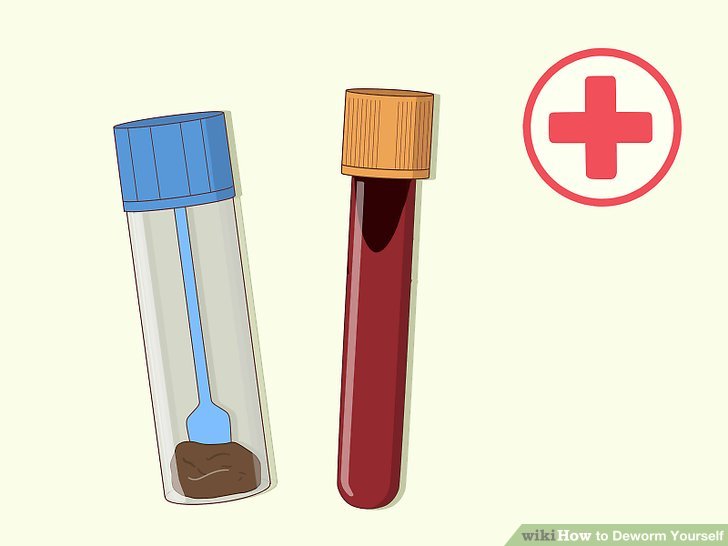
Regular deworming is crucial for the well-being of birds. Untreated parasitic infestations can lead to significant health problems, impacting their overall quality of life and potentially threatening their survival. Understanding the various parasites, their symptoms, and appropriate treatment strategies is vital for responsible bird ownership.Parasitic infections can severely compromise a bird’s health. They can cause malnutrition, hinder growth, and suppress the immune system, making the bird more susceptible to secondary infections.
This can lead to a range of symptoms, from lethargy and loss of appetite to more severe conditions requiring veterinary intervention. A prompt and accurate diagnosis is essential to effectively manage the problem.
Types of Bird Parasites
Internal parasites, such as roundworms, tapeworms, and coccidia, reside within the bird’s body, often affecting the digestive system. External parasites, like mites, lice, and feather-damaging insects, live on the bird’s skin or feathers. These external infestations can lead to irritation, discomfort, and potentially, secondary infections.
Common Symptoms of Parasite Infestations
Recognizing the signs of parasite infestation is key to prompt treatment. Symptoms can vary depending on the type of parasite and the severity of the infection. General signs may include changes in appetite, lethargy, weight loss, ruffled feathers, and abnormal droppings.
Table of Parasite Types, Symptoms, and Actions
| Parasite Type | Common Symptoms | Recommended Actions |
|---|---|---|
| Roundworms | Loss of appetite, weight loss, lethargy, pale droppings, pot-bellied appearance (in advanced cases), and possible dehydration. | Consult a veterinarian for diagnosis and appropriate medication. Deworming medication should be administered as prescribed. |
| Tapeworms | Weight loss, loss of appetite, and pale droppings. Small segments of tapeworm may be visible in the droppings. | Seek veterinary guidance for proper identification and treatment. Adhere to the prescribed deworming schedule. |
| Coccidia | Watery or bloody droppings, lethargy, loss of appetite, weight loss, and dehydration. In severe cases, there might be signs of internal bleeding. | Consult a veterinarian for a specific diagnosis and medication to target coccidia. Ensure appropriate hydration and a supportive diet. |
| Mites | Itching, feather picking, ruffled feathers, skin irritation, scabs, and hair loss. Mites are often visible under the bird’s feathers. | Consult a veterinarian for the correct identification of mites and the suitable treatment. Often requires a combination of topical treatments and environmental measures. |
| Lice | Itching, feather picking, ruffled feathers, and skin irritation. Lice are small, insect-like parasites that can be seen on the bird’s feathers and skin. | Veterinary consultation is necessary for appropriate identification and treatment options. Cleanliness of the bird’s environment is essential to control the spread of lice. |
| Feather-damaging insects | Visible damage to feathers, feather loss, and potential secondary infections. These insects can feed on and damage the bird’s feathers. | Seek veterinary guidance to determine the appropriate treatment, which might involve specific insecticides or removal of damaged feathers. Maintain good hygiene to prevent re-infestation. |
Choosing the Right Deworming Medication
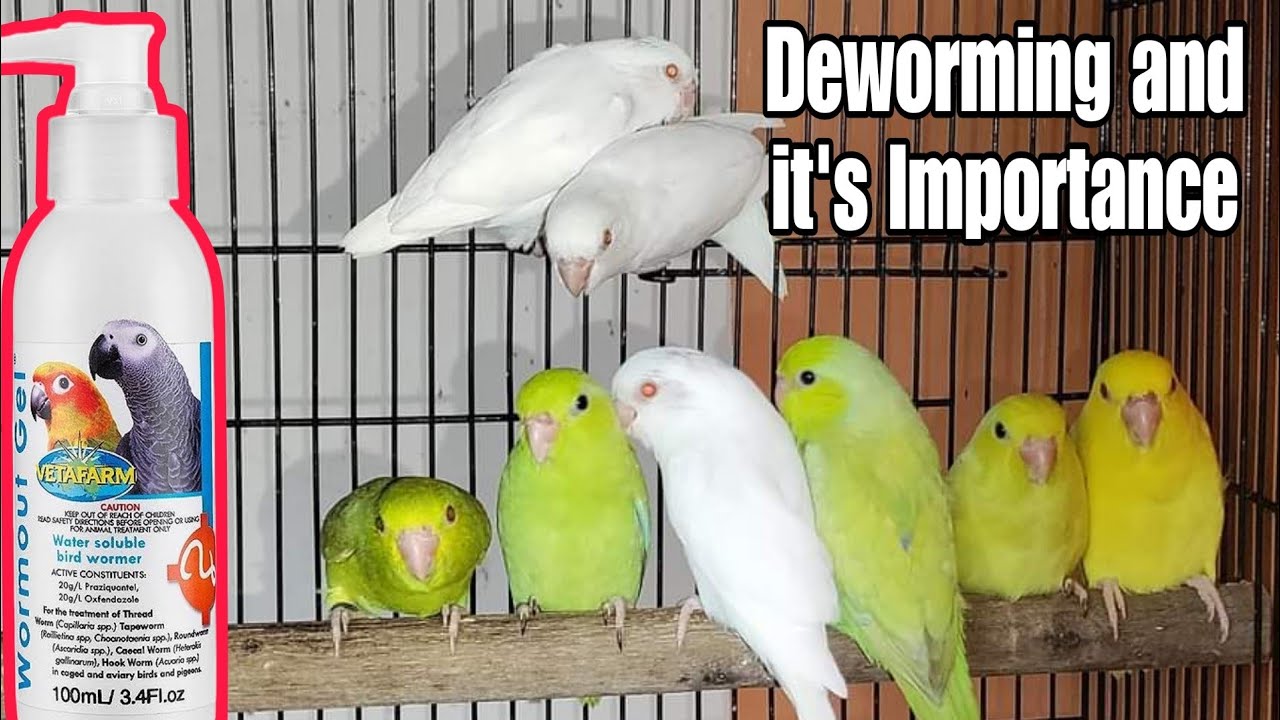
Selecting the appropriate deworming medication for your avian companion is crucial for effective parasite control and the bird’s overall health. Factors such as the specific bird species, age, weight, and the type of parasites present significantly influence the best treatment choice. Carefully following the recommended dosage and administration instructions is paramount to achieving successful deworming and minimizing potential adverse effects.
Available Deworming Medications for Birds
Various deworming medications are available for birds, each targeting specific parasite types. These medications often come in different forms, such as oral powders, liquid solutions, and tablets. The choice of medication should align with the identified parasite and the bird’s specific needs.
Efficacy and Safety Profiles of Deworming Products
Different deworming medications exhibit varying degrees of efficacy against different parasite species. For instance, some medications are highly effective against roundworms, while others are better suited for treating coccidia. It is essential to understand the specific target parasites of a medication and how it affects the bird’s health. Thorough research into the safety profile of a deworming medication is crucial, taking into account potential side effects and contraindications.
Factors to Consider When Selecting a Deworming Medication
Several factors must be considered when selecting a deworming medication for a bird. Species-specific needs play a vital role, as different species may be more susceptible to certain parasites or have varying responses to different medications. Age and weight also influence the appropriate dosage and administration method. For example, younger birds or birds with low body weights might require smaller dosages to avoid adverse effects.
Dosage Considerations for Different Medications
The dosage of deworming medications is critical for effectiveness and safety. Dosage guidelines are often provided in milligrams per kilogram of body weight (mg/kg). These guidelines should be strictly adhered to, as exceeding the recommended dosage can lead to severe health complications. Always consult with a veterinarian to determine the appropriate dosage for your bird’s specific situation.
Comparison of Deworming Medications
| Medication | Active Ingredient | Dosage (mg/kg) | Target Parasites |
|---|---|---|---|
| Ivermectin | Ivermectin | 0.2 mg/kg (usually) | Roundworms, mites, and some other internal parasites. |
| Fenbendazole | Fenbendazole | 25-50 mg/kg (usually) | Roundworms, hookworms, and tapeworms. |
| Praziquantel | Praziquantel | 25-50 mg/kg (usually) | Tapeworms. |
| Flubendazole | Flubendazole | 50 mg/kg (usually) | Roundworms, hookworms, and tapeworms. |
Note: Dosage recommendations are guidelines only. Consult with a veterinarian to determine the precise dosage for your bird based on its species, age, weight, and specific health condition. Do not administer medication without veterinary guidance.
Deworming Procedures
Proper deworming procedures are crucial for the health and well-being of birds. Incorrect administration can lead to ineffective treatment, potential harm to the bird, and the development of resistance to deworming medications. This section details the various methods and considerations for administering deworming medication to birds safely and effectively.Administering deworming medication to birds requires careful consideration of the bird’s size, species, and overall health condition.
The chosen method should be appropriate for the specific medication and the bird’s temperament. Safety precautions are paramount, and accurate dosage is essential for successful treatment.
Oral Administration
Oral administration is a common method for administering deworming medication to birds. It typically involves mixing the medication with a palatable food or water source. This method is generally well-tolerated by birds and is often the preferred choice for many deworming medications.
Safety Precautions for Oral Administration
Ensuring the safety of the bird during oral administration is paramount. The medication should be carefully measured to avoid exceeding the recommended dosage. Monitoring the bird for any adverse reactions is essential, and any signs of distress should prompt immediate veterinary consultation. Ensure the chosen food or water source is palatable to the bird and will encourage consumption.
Step-by-Step Guide for Oral Administration
- Preparation: Accurately measure the prescribed dosage of medication using the provided measuring tool. Mix the medication with a small amount of the bird’s favorite food or water. Ensure the mixture is palatable and enticing for the bird to consume.
- Observation: Observe the bird’s behavior closely before and during administration. Note any signs of distress or discomfort.
- Administration: Offer the mixture to the bird, encouraging consumption. If the bird refuses the mixture, consult a veterinarian for alternative administration methods.
- Monitoring: Continuously monitor the bird for any adverse reactions or changes in behavior following administration. Record any observations and document the time of administration.
- Follow-up: If the bird exhibits any unusual behavior, such as loss of appetite, lethargy, or vomiting, consult a veterinarian immediately.
Topical Administration
Topical administration, involving applying the medication directly to the skin, is less common but may be necessary in certain circumstances. Specific precautions and procedures are required for topical application, ensuring the medication is applied precisely to the target area and avoiding contact with sensitive areas.
Potential Side Effects and Management
Deworming medications, like any medication, can potentially cause side effects in birds. These can range from mild discomfort to more severe reactions. Common side effects include loss of appetite, lethargy, vomiting, diarrhea, and tremors. If any side effects occur, monitor the bird closely and contact a veterinarian for guidance. The veterinarian can advise on appropriate supportive care and may adjust the dosage or treatment plan.
Summary Table of Deworming Methods
| Deworming Method | Pros | Cons |
|---|---|---|
| Oral | Generally well-tolerated, convenient, and suitable for most birds | May be refused by some birds, requires careful dosage measurement |
| Topical | Targeted treatment for specific areas, may be necessary in certain cases | Potentially more stressful for the bird, requires precise application |
Prevention and Maintenance
Preventing future birdworm infestations is crucial for the well-being of your feathered companions. Proactive measures, including proper hygiene and dietary choices, significantly reduce the risk of re-infection. Consistent maintenance of a clean and healthy environment minimizes the chances of parasites taking hold.Effective prevention goes beyond just treating an infestation; it focuses on creating an environment where parasites have limited opportunities to thrive.
This proactive approach fosters a healthier, happier, and more resilient bird.
Importance of Preventative Measures
Maintaining a bird’s environment free from parasites requires a proactive approach. This encompasses consistent hygiene practices and dietary considerations, creating an environment less conducive to parasite survival. Regular prevention reduces the need for repeated deworming treatments and associated stress on the bird.
Appropriate Hygiene Practices
Maintaining impeccable hygiene within your bird’s environment is paramount. This involves thoroughly cleaning and disinfecting bird cages, perches, food and water dishes, and toys regularly. This includes removing any visible fecal matter and other debris. Thorough cleaning ensures a parasite-free environment, significantly reducing the risk of re-infection.
Preventative Measures
- Dietary Considerations: A balanced diet rich in essential nutrients strengthens the bird’s immune system, making it more resistant to parasites. Avoid overfeeding, which can lead to obesity and compromised immunity. Ensure the bird’s diet includes appropriate sources of protein, vitamins, and minerals.
- Environmental Sanitation: Regularly clean and disinfect the bird’s environment, including cages, perches, toys, and food/water dishes. Disinfectants should be appropriate for avian use. Replace bedding and substrates regularly. Proper disposal of waste is also essential.
- Regular Monitoring: Regularly inspect your bird for any signs of discomfort or unusual behavior. This includes observing for signs of itching, ruffled feathers, or changes in appetite. Early detection of potential issues can prevent significant infestations.
- Controlling Environmental Factors: Identify and address environmental factors that might contribute to parasite infestations. High humidity, inadequate ventilation, or exposure to contaminated materials can increase the risk. Maintaining appropriate temperature and humidity levels in the bird’s environment is crucial.
Environmental Factors and Control Strategies
Various environmental factors can contribute to parasite infestations. High humidity, inadequate ventilation, or contact with contaminated materials can increase the risk. Proper temperature regulation and adequate ventilation are crucial for preventing moisture buildup. Regularly checking and maintaining humidity levels can be effective in preventing conditions that support parasite proliferation. Ensuring your bird’s living space is well-ventilated and free of dampness is key.
Contact with contaminated materials, such as toys or perches from other birds, should be avoided. Use appropriate cleaning and disinfecting practices to minimize the spread of parasites.
Checklist for Maintaining a Bird’s Environment
| Step | Action |
|---|---|
| 1 | Thorough Cleaning: Clean all surfaces of the bird’s enclosure, including cages, perches, toys, and food/water dishes, with a suitable avian-safe disinfectant. |
| 2 | Disinfecting Surfaces: Disinfect all surfaces of the bird’s enclosure using an avian-safe disinfectant. Follow product instructions carefully. |
| 3 | Waste Removal: Remove all fecal matter and other waste materials regularly. Dispose of waste properly. |
| 4 | Substrate Replacement: Replace bedding or substrates as needed to maintain dryness and hygiene. |
| 5 | Regular Monitoring: Observe the bird for signs of discomfort or unusual behavior. |
| 6 | Environmental Checks: Ensure proper ventilation, temperature, and humidity levels within the bird’s environment. |
| 7 | Material Hygiene: Ensure that any new items introduced into the bird’s environment are clean and free from contaminants. |
Addressing Specific Needs
Deworming protocols must be tailored to the specific needs of each bird species. Parrots, finches, and poultry, for instance, have differing physiological responses and sensitivities to various deworming medications. Understanding these distinctions is crucial for effective treatment and preventing potential adverse effects. Proper deworming schedules and medication choices are paramount to ensuring the health and well-being of your avian companions.Different bird species exhibit varying sensitivities and physiological responses to deworming medications.
A one-size-fits-all approach is not recommended and can lead to complications or treatment failures. Tailoring the deworming process to each species and life stage, along with careful monitoring of the bird’s condition, is essential for successful parasite control.
Unique Deworming Needs of Different Bird Species
Bird species have varying sensitivities to deworming medications, and different life stages also require adjustments. Poultry, for example, often have different parasite loads and response rates compared to small birds like finches or parrots.
Deworming Protocols for Different Bird Types
This section provides examples of deworming protocols for common bird types. It’s crucial to note that these are guidelines and specific needs may vary based on individual bird health, parasite load, and environmental factors. Consult a veterinarian for tailored recommendations.
- Parrots: Parrots are prone to various intestinal parasites. Deworming protocols for parrots should be carefully chosen based on the specific parasite type. A veterinarian’s assessment is essential for determining the correct medication and dosage. Follow the veterinarian’s instructions precisely and monitor the parrot for any adverse reactions.
- Finches: Finches, especially those kept in close quarters, can be vulnerable to parasites. Using a broad-spectrum deworming medication is sometimes recommended, but a veterinarian should be consulted for tailored treatment. Smaller doses and shorter treatment cycles may be necessary compared to larger birds.
- Poultry: Poultry, including chickens and turkeys, are susceptible to various intestinal parasites. Deworming protocols for poultry often involve specific medications and administration routes. Regular deworming schedules are crucial to prevent parasite outbreaks in flocks.
Adjusting Deworming Schedules for Different Bird Species and Life Stages
The frequency of deworming treatments depends on factors such as the bird’s species, life stage, and environment. Young birds, for instance, may require more frequent deworming due to their developing immune systems and increased susceptibility to parasites. Adjusting deworming schedules for different life stages is critical.
- Young Birds: Young birds are often more vulnerable to parasites. Consult a veterinarian for specific recommendations regarding deworming protocols for young birds. They may require more frequent or modified treatments compared to adults.
- Adult Birds: Adult birds typically have a more robust immune system, but regular deworming is still essential to prevent parasite build-up.
- Breeding Birds: Breeding birds may have specific deworming needs to avoid transmitting parasites to their offspring. Consult with a veterinarian about appropriate timing and medication choices.
Importance of Consulting a Veterinarian
It is crucial to consult a veterinarian before deworming any bird. A veterinarian can diagnose the specific parasite, recommend the appropriate medication, and determine the optimal dosage and duration of treatment. Improper deworming can lead to adverse health effects or treatment failure. Professional veterinary guidance is essential for safe and effective parasite control.
Table of Deworming Requirements by Bird Species
| Bird Species | Deworming Considerations | Frequency (General Guidelines) |
|---|---|---|
| Parrots | Specific parasite types, varied sensitivities to medications | Annually or as directed by veterinarian |
| Finches | Potential for close-quarters transmission of parasites | Quarterly or as directed by veterinarian |
| Poultry | Susceptibility to various intestinal parasites; potential for flock-wide outbreaks | Monthly or as directed by veterinarian |
Troubleshooting and Potential Issues
Deworming, while crucial for avian health, can sometimes present challenges. Understanding potential problems and knowing how to address them can prevent undue stress for your feathered friend and ensure a successful treatment. Careful observation and swift action are key to minimizing complications.
Potential Side Effects and Adverse Reactions
Various factors can influence a bird’s response to deworming medication. Individual bird sensitivities, dosage discrepancies, and underlying health conditions can all contribute to adverse reactions. Symptoms can range from mild discomfort to severe distress. Monitoring birds closely for any signs of distress is essential.
- Mild Reactions: These may include decreased appetite, lethargy, or slight vomiting. These typically resolve within a day or two with supportive care, such as offering palatable foods and providing a comfortable environment.
- Severe Reactions: More concerning reactions include tremors, seizures, difficulty breathing, or significant loss of coordination. If these occur, immediate veterinary intervention is critical. The severity and duration of these reactions vary greatly, but prompt action is essential to maximize the chances of a positive outcome.
Managing Different Bird Reactions
Birds exhibit varying reactions to deworming treatments, influenced by their species, age, and overall health. Tailoring care to the specific bird’s needs is paramount for successful management.
- Young Birds: Young birds, especially those still developing, may be more susceptible to side effects. Close monitoring and smaller initial dosages are often recommended.
- Senior Birds: Senior birds with pre-existing health conditions might exhibit more pronounced reactions. Adjusting dosages and consulting a veterinarian are crucial in these cases.
- Species Variations: Parrots, for instance, may have different sensitivities compared to smaller songbirds. It’s essential to understand the potential variances in response to treatments within different species.
Addressing Discomfort and Distress
Providing a supportive environment during and after deworming is vital. Adjusting feeding habits, offering soothing environments, and providing hydration are critical components of supportive care.
- Dietary Adjustments: Offer easily digestible, high-quality food. Avoid high-fat or overly stimulating foods during the treatment period. A soft, easily-digested diet may be beneficial.
- Environmental Considerations: Maintain a calm and stress-free environment. A quiet, warm, and familiar space will promote comfort and recovery. Avoid sudden changes in temperature or loud noises.
- Hydration: Ensure constant access to fresh, clean water. Offer a variety of water sources to encourage drinking, especially if the bird is experiencing discomfort.
Case Studies and Successful/Unsuccessful Treatments
Numerous case studies, while not all readily available in a single reference, demonstrate the importance of careful monitoring. The success of deworming treatments depends significantly on early detection of potential issues and appropriate veterinary intervention when necessary. A retrospective analysis of patient records could reveal patterns in reactions.
Managing Different Bird Reactions (Detailed)
| Bird Type | Potential Reactions | Management Strategies |
|---|---|---|
| Parrots | Increased anxiety, appetite changes, tremors | Provide a calm, quiet environment. Offer palatable foods, and monitor for dehydration. Consult a veterinarian if symptoms worsen. |
| Finches | Lethargy, decreased activity, slight vomiting | Maintain a warm and comfortable environment. Provide easily digestible seeds or soft food. Observe for any signs of distress. |
| Canaries | Reduced singing, lethargy, ruffled feathers | Offer a quiet, calm environment. Provide a variety of seed mixes and soft foods. Closely monitor for any signs of dehydration. |
Final Conclusion
Deworming a bird requires careful consideration and adherence to specific guidelines. This guide has provided a detailed roadmap, equipping you with the knowledge to effectively treat your avian companion. From understanding the different parasite types and symptoms to selecting the right medication and administering it safely, this comprehensive approach ensures a successful deworming process. Remember, consulting a veterinarian is always recommended for personalized advice and tailored deworming schedules.
By following the preventative measures Artikeld, you can help maintain a healthy and parasite-free environment for your bird.