Maintaining a clean and hygienic environment is paramount for the well-being of our feathered companions. This guide provides a comprehensive approach to disinfecting a bird cage, covering everything from essential supplies and cleaning procedures to safety precautions and preventing future contamination. Understanding the unique needs of different bird species and cage types is key to ensuring optimal health and happiness for your birds.
Regular disinfection is crucial for removing harmful bacteria, viruses, and parasites that can lead to various health problems in birds. A clean cage environment promotes a healthy immune system and minimizes the risk of disease transmission. This guide will equip you with the knowledge and tools to create a safe and thriving space for your avian friends.
Introduction to Bird Cage Disinfection
Regular disinfection of a bird cage is crucial for maintaining a healthy environment for avian companions. A clean cage minimizes the risk of infectious diseases, parasites, and overall discomfort for birds. Proper hygiene practices are essential for preventing the spread of pathogens and maintaining the well-being of your feathered friend.Maintaining a clean and disinfected bird cage is vital to preventing disease transmission and promoting a healthy living environment.
Different types of bird cages present varying cleaning challenges, impacting the necessary disinfection approach. Understanding these differences and the appropriate disinfectants is essential for effectively safeguarding your bird’s health.
Importance of Regular Disinfection
Regular disinfection is paramount for preventing the spread of diseases, parasites, and bacteria. Feces, shed feathers, and food debris can harbor pathogens that can quickly contaminate the cage environment, putting birds at risk. Consistent disinfection helps minimize these risks, contributing to a healthier and safer living space for your avian companions.
Types of Bird Cages and Cleaning Needs
Different bird cage types necessitate varying cleaning approaches. Small cages, such as those for finches or canaries, require more frequent and meticulous cleaning than larger aviaries. The material of the cage also impacts cleaning; wire cages often accumulate more debris, demanding more diligent cleaning than those made of solid materials. For instance, a large aviary housing multiple birds requires more extensive disinfection protocols than a small cage for a single bird.
Common Disinfectants and Potential Risks
Various disinfectants are suitable for bird cages, but careful consideration of potential risks is crucial. Bleach-based solutions, while effective, should be used with extreme caution, diluted thoroughly, and never mixed with other cleaning agents. Vinegar solutions are often gentler but may not eliminate all pathogens as effectively as stronger disinfectants. Commercial disinfectants specifically formulated for pet cages are generally safe when used according to the manufacturer’s instructions.
It’s crucial to prioritize products explicitly designed for use around birds to avoid introducing harmful chemicals into their environment.
Importance of Ventilation During Cleaning
Adequate ventilation during and after cleaning is critical to minimize the risk of harmful chemical exposure for your birds. Allowing the cage to air out thoroughly before introducing your birds is crucial to prevent respiratory issues. Ensuring proper ventilation dilutes potentially harmful residues and minimizes any lingering chemical odors that could be detrimental to your bird’s health.
Essential Supplies and Equipment
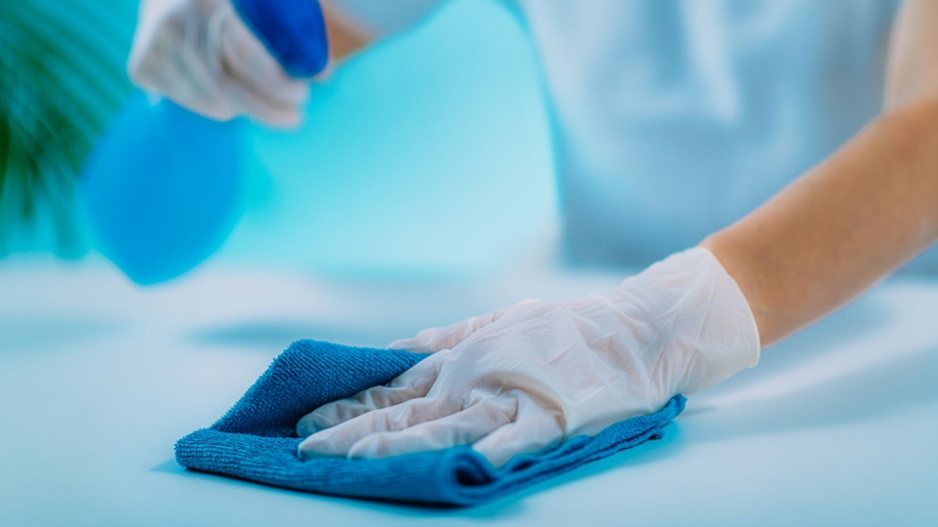
Proper disinfection of a bird cage requires careful selection of supplies and tools. Choosing the right materials ensures a safe and effective cleaning process, minimizing risks to both your feathered friend and yourself. This section Artikels the essential supplies and equipment, along with safety precautions and considerations for different cleaning solutions.
Cleaning Solutions
Effective disinfection relies on appropriate cleaning solutions. Choosing the correct solution is crucial to effectively eliminate pathogens and maintain a healthy environment for your bird. Solutions should be safe for birds, non-toxic, and capable of thoroughly disinfecting the cage.
- Mild dish soap: A mild dish soap solution is suitable for general cleaning and removing debris. This is a common and readily available option for preliminary cleaning.
- Veterinary-approved disinfectant: Specialized disinfectants, often formulated for use around animals, are specifically designed for eliminating pathogens. These solutions are frequently recommended for a thorough disinfection process.
- Bleach solution (diluted): Bleach is a powerful disinfectant, but it must be diluted to a safe concentration to prevent harm to your bird. The dilution ratio is critical; using an improper dilution can damage surfaces and cause harm to your bird.
Safety Precautions
Safe handling of cleaning supplies is paramount during the disinfection process. Carelessness can lead to accidents and potential health hazards. Adhering to safety precautions ensures a risk-free cleaning procedure.
- Always wear gloves: Gloves protect your hands from contact with cleaning solutions, preventing skin irritation or chemical exposure. Ensure the gloves are appropriate for the cleaning solution being used.
- Ventilation: Adequate ventilation is crucial when using strong disinfectants like bleach solutions. Ensure good air circulation to prevent inhaling harmful fumes.
- Proper dilution: Always follow the manufacturer’s instructions for diluting cleaning solutions. Incorrect dilutions can damage surfaces and compromise the effectiveness of the disinfection process.
Comparison of Cleaning Solutions
A table comparing different cleaning solutions helps in selecting the most appropriate option for your needs.
| Cleaning Solution | Effectiveness | Safety | Suitability |
|---|---|---|---|
| Mild dish soap | Good for general cleaning | Very safe | Initial cleaning, removing debris |
| Veterinary-approved disinfectant | Excellent for eliminating pathogens | Safe for birds | Thorough disinfection |
| Diluted bleach solution | Very effective disinfectant | Potentially harmful if not diluted properly | Disinfection of hard surfaces; use with caution |
Cleaning Tools
The selection of appropriate tools is essential for effective and efficient cleaning. Different tools cater to specific cleaning tasks, optimizing the disinfection process.
- Soft-bristled brush: A soft-bristled brush is ideal for cleaning hard-to-reach areas and removing debris without scratching cage surfaces.
- Scrub brush: A scrub brush is useful for tackling stubborn stains and dirt. Ensure the brush is gentle enough to avoid damaging the cage’s materials.
- Spray bottle: A spray bottle allows for controlled application of cleaning solutions, preventing spills and ensuring even coverage.
- Tweezers: Tweezers are beneficial for removing small particles and debris from hard-to-reach areas, preventing the spread of bacteria and ensuring a thorough cleaning.
- Paper towels/cloths: Absorbent paper towels or cloths are essential for drying surfaces after cleaning.
Step-by-Step Cleaning Procedures
Proper bird cage disinfection is crucial for maintaining a healthy environment for your feathered friend. A thorough cleaning regimen helps prevent the spread of disease and ensures a comfortable living space. This section details the essential steps to effectively clean your bird cage, emphasizing safety and thoroughness.A consistent cleaning schedule minimizes the build-up of potentially harmful bacteria and parasites.
This detailed guide Artikels the procedures for effectively cleaning your bird cage, ensuring the well-being of your pet.
Removing Toys and Perches
To begin, carefully remove all toys, perches, and any other accessories from the cage. Place these items in a separate container for cleaning. This allows for thorough cleaning of the cage’s interior and prevents the spread of contaminants.
Cleaning the Cage Interior
First, empty the cage of any food or water. Next, thoroughly rinse all surfaces with warm, soapy water. Using a soft-bristled brush, gently scrub the interior of the cage, paying particular attention to corners and crevices. Be sure to remove any accumulated droppings, food residue, or other debris.
Cleaning the Bars and Perches
Subsequent to cleaning the interior, carefully clean the cage bars. Use a soft brush or sponge to remove any dirt or residue clinging to the bars. Focus on areas where birds often perch. For perches, thoroughly clean them using warm, soapy water and a soft brush or cloth. Ensure all crevices are cleaned.
Cleaning Food and Water Dishes
Carefully remove the food and water dishes. Clean them separately in hot, soapy water. Rinse thoroughly and allow them to air dry completely before returning them to the cage.
Thorough Rinsing and Drying
Thorough rinsing is essential after each cleaning step. This removes any soap residue that could be harmful to your bird. After rinsing, allow the cage and its components to air dry completely. Avoid using a towel or cloth to dry the cage as this can introduce new contaminants. Ensure all surfaces are completely dry before returning the items to the cage.
Items to Avoid
Avoid using harsh chemicals, abrasive cleaners, or strong detergents when cleaning your bird cage. These substances can be toxic to birds. Furthermore, avoid using items like steel wool or scouring pads, which can scratch the cage’s surface and potentially introduce harmful particles.
Importance of Thorough Rinsing
Thorough rinsing is paramount after each step to remove any traces of cleaning solution. Residual cleaning agents can be harmful to your bird’s health. Ensuring all surfaces are completely rinsed prevents potential toxicity.
Disinfection Methods and Solutions
Proper disinfection of a bird cage is crucial for maintaining a healthy environment for your feathered friend. Effective disinfection not only eliminates visible dirt and debris but also eradicates harmful bacteria, viruses, and parasites that can cause illness. Selecting the right disinfectant and method ensures a safe and hygienic space for your bird.Various methods and solutions are available for disinfecting bird cages, ranging from readily available commercial products to homemade solutions.
The choice depends on factors such as the cage material, the specific contaminants present, and the safety concerns for your bird. Understanding the pros and cons of each approach allows you to make an informed decision that prioritizes both cleanliness and your bird’s well-being.
Cleaning Solution Effectiveness and Safety
Different cleaning solutions exhibit varying degrees of effectiveness and safety for bird cages. Choosing the appropriate solution is vital for preventing potential health risks to your avian companion.
| Cleaning Solution | Effectiveness | Safety for Birds | Considerations |
|---|---|---|---|
| Commercial Disinfectants (e.g., diluted bleach solutions, enzymatic cleaners) | Generally effective against a broad range of pathogens. | Potentially harmful if not used appropriately. Always dilute according to product instructions. | Can be expensive and may leave residues. Some contain harsh chemicals. |
| Homemade Vinegar Solution (e.g., diluted white vinegar) | Effective against some bacteria and viruses. | Generally safe when diluted, but may not be as effective against all pathogens as commercial solutions. | Requires careful dilution and may not completely eliminate all contaminants. May have a strong odor. |
| Hydrogen Peroxide (3% solution) | Effective disinfectant, particularly for removing stains. | Generally safe when diluted, but can be irritating to skin and eyes. | May not be suitable for all cage materials. Can be corrosive to some metals. |
| Baking Soda Paste | Effective for removing stains and odors. | Generally safe, but not a primary disinfectant. | Best used as a pre-cleaning step or for odor control. |
Homemade vs. Commercial Disinfectants
Homemade disinfectants can be a cost-effective alternative to commercial products. However, the effectiveness and safety of homemade solutions may vary significantly depending on the ingredients used and the dilution method.
- Homemade Disinfectants: These solutions can be readily prepared at home, offering a potentially more economical approach. However, their efficacy against various pathogens may not match that of commercial disinfectants. Always prioritize safety and proper dilution instructions when creating your own solutions.
- Commercial Disinfectants: These solutions are often formulated for specific applications and provide a high level of effectiveness against a wide range of microorganisms. However, they can be more expensive and potentially contain harsh chemicals that may be harmful to your bird if not used carefully.
Cleaning Different Cage Materials
The best approach for cleaning a bird cage varies depending on the material of the cage. Different materials react differently to various cleaning solutions, and some materials might be damaged by harsh chemicals.
- Metal Cages: Metal cages can be cleaned with diluted commercial disinfectants or homemade vinegar solutions. Avoid using abrasive cleaners or scrubbing materials that could damage the cage’s surface.
- Wooden Cages: Wooden cages should be cleaned with mild, non-abrasive solutions to prevent damage to the wood. Avoid using harsh chemicals that could potentially harm the wood’s integrity.
- Plastic Cages: Plastic cages can be cleaned with diluted commercial disinfectants or mild homemade solutions. Always avoid abrasive cleaners that could scratch the cage’s surface.
Safety Precautions and Considerations
Proper disinfection of a bird cage is crucial not only for maintaining a hygienic environment for your feathered companions but also for ensuring the safety of both your birds and yourself. Adhering to safety precautions when using cleaning solutions and disinfectants is paramount. Careless handling can lead to health issues for both you and your birds.Careful attention to detail and adherence to safety protocols are vital throughout the entire disinfection process.
This includes the selection of appropriate cleaning solutions, proper application techniques, and ensuring adequate ventilation and drying time.
Safety Precautions for Using Cleaning Solutions
Thorough safety precautions must be taken when handling cleaning solutions and disinfectants. These chemicals can be harmful if not used properly. Always follow the manufacturer’s instructions for safe handling, storage, and disposal. Use appropriate personal protective equipment (PPE) such as gloves, eye protection, and a mask to prevent skin, eye, and respiratory irritation.
Protecting Yourself and Your Birds
Protecting yourself and your birds from harmful chemicals is paramount. Never use cleaning solutions that are not specifically designed for bird cages. Ensure the solutions are properly diluted as per the manufacturer’s instructions. Do not use any cleaning solution that has a strong, pungent odor or one that contains harsh chemicals, such as bleach or ammonia, as these can be hazardous to your birds.
Importance of Complete Air Drying
Allowing the cage to air dry completely after cleaning is essential. Moisture can encourage the growth of mold and bacteria, which can negatively impact your bird’s health. A thorough drying process ensures that any residual cleaning solution is evaporated, preventing potential health issues.
Potential Hazards and Mitigation Strategies
Several potential hazards can arise during the cleaning process. Understanding these hazards and their mitigation strategies is critical for a safe cleaning procedure.
- Chemical Exposure: Exposure to cleaning solutions can cause skin irritation, eye damage, and respiratory problems. Always wear appropriate PPE, including gloves, eye protection, and a mask, when handling cleaning solutions. Ensure adequate ventilation during the cleaning process to minimize exposure.
- Bird Stress: Loud noises and sudden movements during cleaning can frighten birds, causing stress and potentially disrupting their well-being. Work calmly and quietly, and avoid sudden movements. If possible, confine your birds to another area during the cleaning process.
- Sharp Objects: Sharp objects like broken glass or metal shavings can pose a risk of injury. Carefully inspect the cage for any sharp objects before starting the cleaning process and remove them. Handle cage components with care to prevent injuries.
- Slipping/Falling: Wet surfaces can increase the risk of slipping and falling. Ensure the area where you are cleaning is well-lit and dry. Wear appropriate footwear to prevent slips and falls.
- Incorrect Disposal: Improper disposal of cleaning solutions and materials can contaminate the environment. Always follow local guidelines for the safe disposal of cleaning products and materials.
Preventing Future Contamination
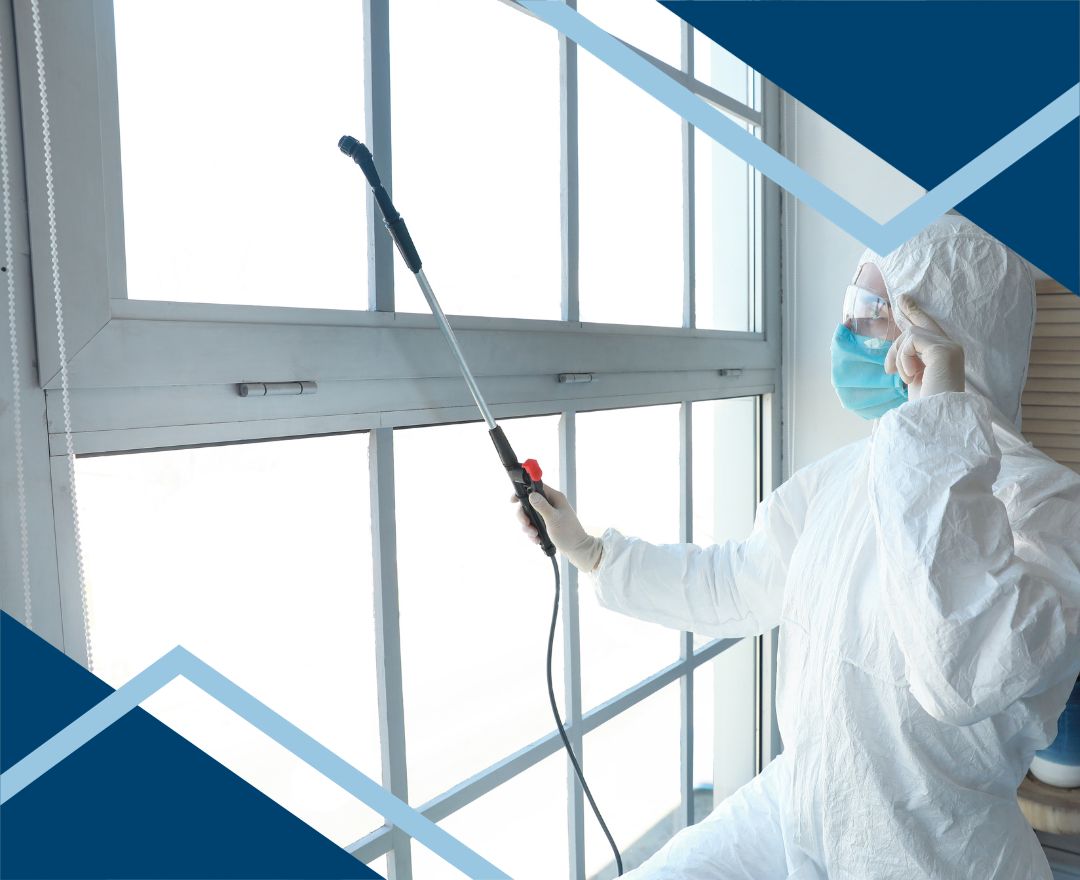
Maintaining a clean bird cage environment is crucial for the well-being of your feathered friend. Proactive measures to prevent future contamination are essential for minimizing health risks and ensuring a happy, healthy pet. These strategies encompass not only the cleaning process but also the overall care routine.A consistent cleaning schedule, coupled with an understanding of common contamination sources, will contribute significantly to a healthy environment for your bird.
By implementing preventative strategies, you can maintain a clean and safe habitat, reducing the likelihood of disease transmission and promoting a thriving relationship with your avian companion.
Regular Cleaning Schedules
A consistent cleaning schedule is fundamental to preventing future contamination. Regularity in cleaning prevents the buildup of waste and reduces the risk of bacteria, viruses, and parasites thriving. This involves not just thorough cleaning but also a planned approach.
- Establish a routine: A weekly or bi-weekly cleaning schedule, tailored to your bird’s needs and the cage’s size, can be effective. A dedicated schedule reduces the risk of significant buildup between cleanings.
- Frequency adjustment: Factors such as the number of birds, their dietary habits (e.g., seed-based vs. pellet-based diets), and the cage’s size will influence the optimal cleaning frequency. Observe the cage for signs of excessive waste or odor, adjusting cleaning schedules as needed.
- Thorough cleaning: Each cleaning session should be comprehensive, targeting all surfaces, including perches, toys, and food and water dishes.
Addressing Common Cleaning Challenges
Certain factors can complicate cleaning and increase the risk of contamination. Recognizing these challenges and developing strategies to mitigate them is key to successful preventative maintenance.
- Persistent odors: Persistent odors can indicate a buildup of waste or other organic matter. Using appropriate cleaning solutions and thoroughly rinsing the cage can help neutralize the odor and reduce the risk of contamination.
- Difficult-to-reach areas: Some areas of the cage, such as corners or behind perches, might be difficult to clean. Utilize specialized cleaning tools, such as small brushes or long-handled tools, to reach these areas effectively.
- Cage size and layout: The dimensions and design of the cage can impact cleaning efficiency. Consider cage layout and design when planning cleaning strategies. This includes considering how easily you can access and clean all parts of the cage.
Preventing Contamination from Outside Sources
External factors can introduce contaminants into the cage environment. Implementing strategies to minimize these risks is essential for a healthy bird.
- Restricting access: Limit access to the cage by other pets or people who might introduce unwanted elements.
- Monitoring food and water: Ensure that food and water sources are regularly changed and are not contaminated by external elements.
- Cleaning toys and accessories: Toys and accessories should be cleaned regularly, following the same disinfection protocols as the cage, to prevent harboring bacteria or other microorganisms.
Different Bird Species and Cage Types
Understanding the unique needs of different bird species and cage types is crucial for effective cage disinfection. This involves recognizing the varying behaviors and potential contamination sources of different birds, and adapting cleaning methods to the specific cage material. Proper disinfection routines tailored to each bird and cage type help maintain a healthy environment for your feathered companions.
Cleaning Needs of Different Bird Species
Various bird species exhibit different behaviors and shed different amounts of materials, affecting the frequency and intensity of cleaning required. Parrots, known for their social interactions and playful habits, may create more debris than smaller, less active birds. Finches, for instance, produce smaller amounts of waste, yet frequent cleaning is still necessary to maintain hygiene. Consider the specific species’ diet and potential for droppings to affect the cleaning process.
A seed-eating bird will require different cleaning approaches compared to a fruit-eating one.
Impact of Cage Material on Cleaning
The material of the cage significantly influences the cleaning process. Wire cages, while often easier to clean, require particular attention to crevices and joints where debris can accumulate. Plastic cages, with smooth surfaces, can be easier to disinfect but might require specialized cleaning solutions to prevent damage. Wooden cages, though often aesthetically pleasing, present unique challenges, as wood can absorb liquids and potentially harbor mold or mildew if not properly maintained.
Consider the material’s porosity and how it might influence the efficacy of disinfection.
Cleaning Procedures for Different Cage Types
- Wire Cages: Thoroughly remove all perches, toys, and food bowls. Disassemble the cage as much as possible for better access to all areas. Use a stiff brush to remove dust and debris, paying close attention to joints and crevices. Spray with a disinfectant solution, ensuring thorough coverage. Allow the cage to air dry completely before replacing items.
- Plastic Cages: Remove all items from the cage. Wipe down the cage with a damp cloth and mild detergent to remove any visible dirt. Follow with a disinfectant solution, ensuring all surfaces are adequately covered. Thoroughly rinse and dry the cage before returning items.
- Wooden Cages: Carefully remove all items. Wipe down the cage with a damp cloth and mild detergent to remove dirt. Apply a disinfectant solution, avoiding excessive moisture, which can damage the wood. Allow the cage to air dry completely before adding any items.
Optimal Cleaning Schedules for Various Bird Types
| Bird Type | Optimal Cleaning Schedule (Frequency) |
|---|---|
| Parrots | Daily or every other day, depending on the bird’s activity level. |
| Canaries | 3-4 times a week |
| Finches | 2-3 times a week |
| Cockatiels | Every 2-3 days |
Note: These are general guidelines. Adjust the cleaning frequency based on the individual bird’s needs and the cage’s cleanliness. Consider factors like diet, shedding patterns, and the bird’s overall health.
Handling Specific Cleaning Challenges
Maintaining a clean and hygienic bird cage is crucial for your feathered friend’s health and well-being. However, certain situations can present unique cleaning challenges, requiring specific approaches. This section addresses various difficulties encountered during the disinfection process, offering practical solutions for effective and thorough cage cleaning.Thorough cleaning of a bird cage often involves more than simply wiping down surfaces.
Stubborn stains, difficult-to-reach areas, and specific bird messes demand tailored strategies. Understanding these nuances ensures a comprehensive and effective disinfection process.
Cleaning Cages with Stubborn Stains or Residue
Bird droppings, food particles, and even certain types of bird toys can leave behind stubborn stains and residue. These can be difficult to remove with standard cleaning solutions. A crucial step in dealing with such situations is identifying the nature of the stain. Different materials require different cleaning approaches. For example, food stains might benefit from a mild dish soap solution, while persistent mineral deposits might require a specialized cleaner.
Always test any cleaning agent on an inconspicuous area of the cage to ensure it doesn’t damage the material.
Cleaning Cages with Difficult-to-Reach Areas
Bird cages often feature intricate designs with hard-to-reach corners, crevices, and perches. Standard cleaning tools might not be effective in these areas. A combination of specialized tools and techniques is necessary. Consider using small brushes, cotton swabs, or even a toothpick to access hard-to-reach areas. Disinfectant solutions can be applied with a spray bottle, ensuring the solution reaches all surfaces.
Strategies for Cleaning Cages with Toys or Accessories
Cleaning cages containing toys and accessories requires a delicate approach to avoid damaging the items. Carefully remove all toys and accessories from the cage. Clean each item separately using appropriate methods. For example, plastic toys can be washed with warm soapy water, while wooden toys may require a gentle wipe with a damp cloth. Remember to allow items to air dry completely before returning them to the cage.
Some bird toys can be thoroughly disinfected by placing them in the dishwasher or using a microwave-safe dish.
Methods for Cleaning Cages with Specific Bird-Related Messes
Bird messes, such as urine or droppings, can create strong odors and potentially harbor harmful bacteria. These require a more aggressive cleaning approach. A solution of diluted bleach (always follow product instructions) can be used to disinfect the affected areas, but care must be taken to avoid contact with your bird. A solution of white vinegar and water can be effective in removing odors.
Always rinse thoroughly to remove any residual cleaning solution. For especially stubborn messes, consider using specialized enzymatic cleaners designed for pet messes.
Illustrative Examples
Proper disinfection of a bird cage is crucial for the health and well-being of both the birds and the environment. Understanding the specifics of different cage types and bird species helps tailor the cleaning process for optimal effectiveness. This section provides detailed examples to illustrate best practices.
Different Cage Types and Cleaning
Bird cages come in various forms, each requiring a slightly different approach to cleaning. Understanding these variations ensures a thorough and effective disinfection process.
- Cages with Perches and Accessories: These cages often feature perches, toys, and food/water dishes. A thorough cleaning involves removing all removable items (toys, dishes, perches). Disinfecting the cage frame, wires, and any crevices is essential. Subsequently, meticulously clean the food and water dishes and replace them with clean, disinfected items. Finally, carefully replace the cleaned and disinfected items back into the cage.
The frequency of cleaning depends on the bird’s habits and the cage’s design. For example, a cage with a large number of toys or a high bird population needs more frequent cleaning.
- Large Aviaries: Aviaries, due to their size and complex structure, require a more comprehensive approach. Cleaning these structures involves meticulous attention to detail. Disinfectant application may need to be done in sections, to ensure thorough contact with surfaces, especially in areas where birds may perch or defecate. The frequency of cleaning will depend on the number of birds housed in the aviary and their behaviors.
Consider dividing the cleaning process into stages to effectively manage the cleaning process. For instance, start by removing the bird’s food and water, followed by cleaning the cage floors. Then, disinfect the food and water areas and perches.
- Small, Pocket-Sized Cages: These compact cages need careful attention to detail. Removing any accessories and food and water dishes are essential. Thoroughly clean the entire cage interior, paying close attention to corners and crevices. A gentle but thorough cleaning is vital to avoid damaging the delicate structures of these cages. For instance, use a soft brush to remove dirt and debris without scratching the cage’s surface.
Ensure to replace all accessories with cleaned and disinfected ones.
Visual Examples of Cleaning Steps
Visual aids can significantly enhance the understanding of the cleaning process. Here are some examples of steps:
- Step 1: Remove all removable items (toys, dishes, perches). This ensures that all surfaces are accessible for thorough cleaning. ( Visual: Image showing a cage with all removable items removed, clearly showcasing the cage interior)
- Step 2: Thoroughly clean the cage interior with warm soapy water. Focus on all surfaces, including crevices and corners. ( Visual: Image showcasing the use of a soft brush and soapy water to clean the cage’s interior, especially the corners and crevices.)
- Step 3: Rinse the cage thoroughly with clean water to remove all traces of soap. ( Visual: Image demonstrating rinsing the cage with clean water, ensuring no soap residue remains.)
- Step 4: Apply a suitable disinfectant solution to all surfaces. Let it sit for the recommended time. ( Visual: Image showing the application of disinfectant solution onto various surfaces of the cage, ensuring thorough coverage.)
- Step 5: Rinse the cage again with clean water to remove any disinfectant residue. ( Visual: Image depicting a thorough rinsing of the cage with clean water, removing all traces of disinfectant)
- Step 6: Allow the cage to air dry completely before placing birds back inside. ( Visual: Image demonstrating the cage air-drying completely before returning birds to the cage.)
Cleaning Products for Different Cage Types
Choosing the right cleaning product is essential for effective disinfection.
| Cage Type | Suitable Cleaning Products | Explanation |
|---|---|---|
| Small, Pocket-Sized Cages | Mild dish soap, vinegar solution, and a suitable disinfectant spray | These products are gentle enough to use on delicate cage materials. |
| Cages with Perches and Accessories | Mild dish soap, vinegar solution, and a disinfectant spray formulated for use on cages | These products are safe for use on various cage materials and bird toys. |
| Large Aviaries | Commercial cage cleaner, a suitable disinfectant spray, and a mild detergent | Commercial aviary cleaners are often designed to handle larger spaces and surfaces. |
Thorough Cleaning for Different Bird Species
The cleaning requirements vary based on the species of bird. Different species have varying sensitivities to pathogens and require different levels of hygiene.
- Parrots: Parrots are susceptible to respiratory illnesses, therefore, regular cleaning and disinfection are crucial to prevent the spread of diseases. Frequent cage cleaning and disinfection, coupled with good ventilation, is paramount.
- Canaries: Canaries are prone to respiratory issues. Thorough cleaning and disinfection of their cages, including the removal of accumulated dust and debris, is essential.
- Finches: Finches, like canaries, are sensitive to pathogens. Keeping their cages clean, especially their food and water bowls, helps prevent the spread of illness.
Ultimate Conclusion
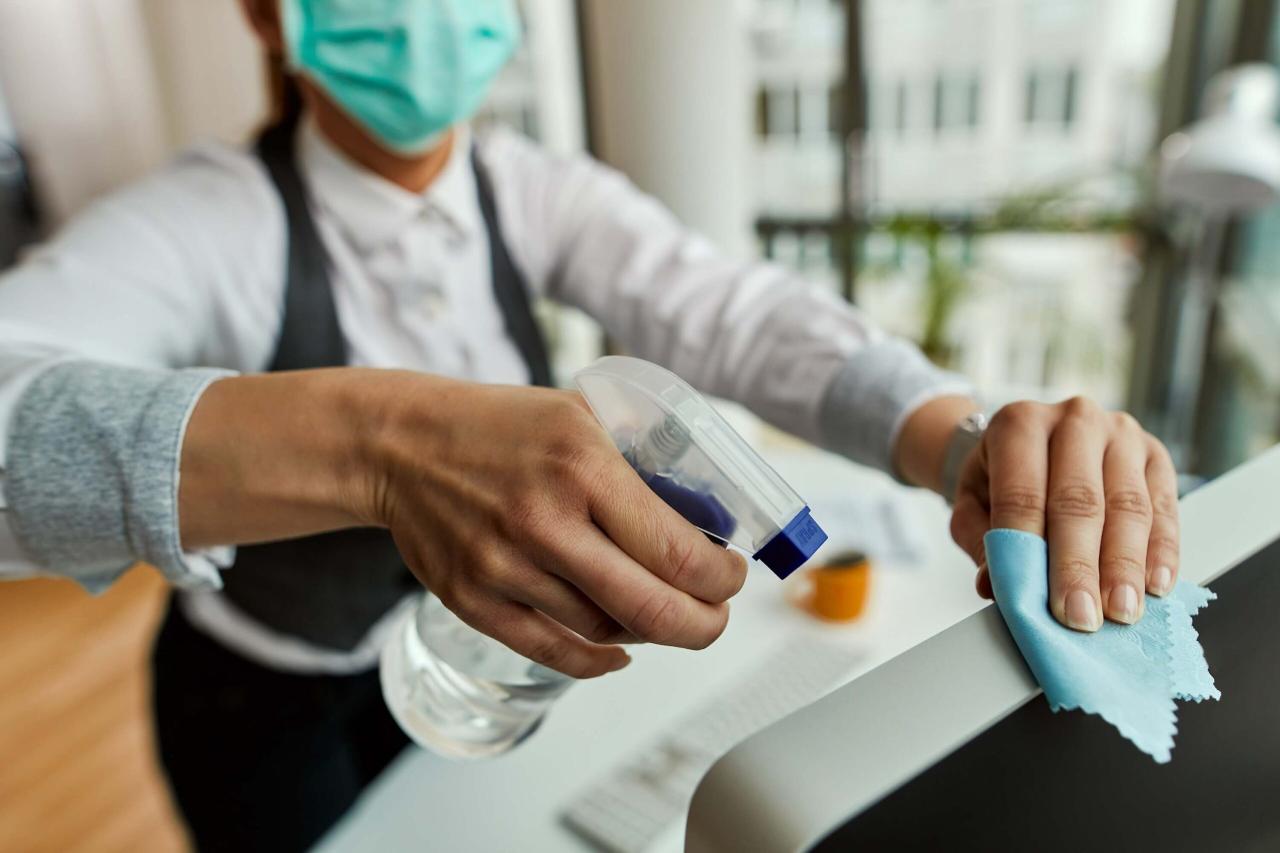
In conclusion, disinfecting a bird cage effectively involves a multi-faceted approach encompassing thorough cleaning, appropriate disinfectants, and meticulous safety measures. By following the step-by-step procedures Artikeld in this guide, you can ensure a healthy and hygienic environment for your birds. Remember to prioritize safety, use appropriate cleaning solutions, and allow ample time for air drying. A regular cleaning schedule, coupled with careful consideration for your bird’s specific needs, will maintain a clean and healthy environment.