Canaries, with their vibrant songs and captivating charm, bring joy to many homes. Proper nutrition is crucial for their health and well-being, ensuring a long and happy life. This comprehensive guide delves into the nuances of canary feeding, covering everything from understanding their dietary requirements to troubleshooting common feeding problems. It provides a detailed overview of the essential nutrients and food types, ensuring your feathered friend receives optimal care.
From seed mixes to essential supplements and fresh foods, we’ll explore the various aspects of creating a balanced and nutritious diet for your canaries. We’ll also discuss feeding techniques, including hand-feeding and automated systems, and how to recognize potential issues like malnutrition or overfeeding. Furthermore, we will address the unique dietary needs of young canaries and different canary breeds.
Understanding Canary Diet Requirements
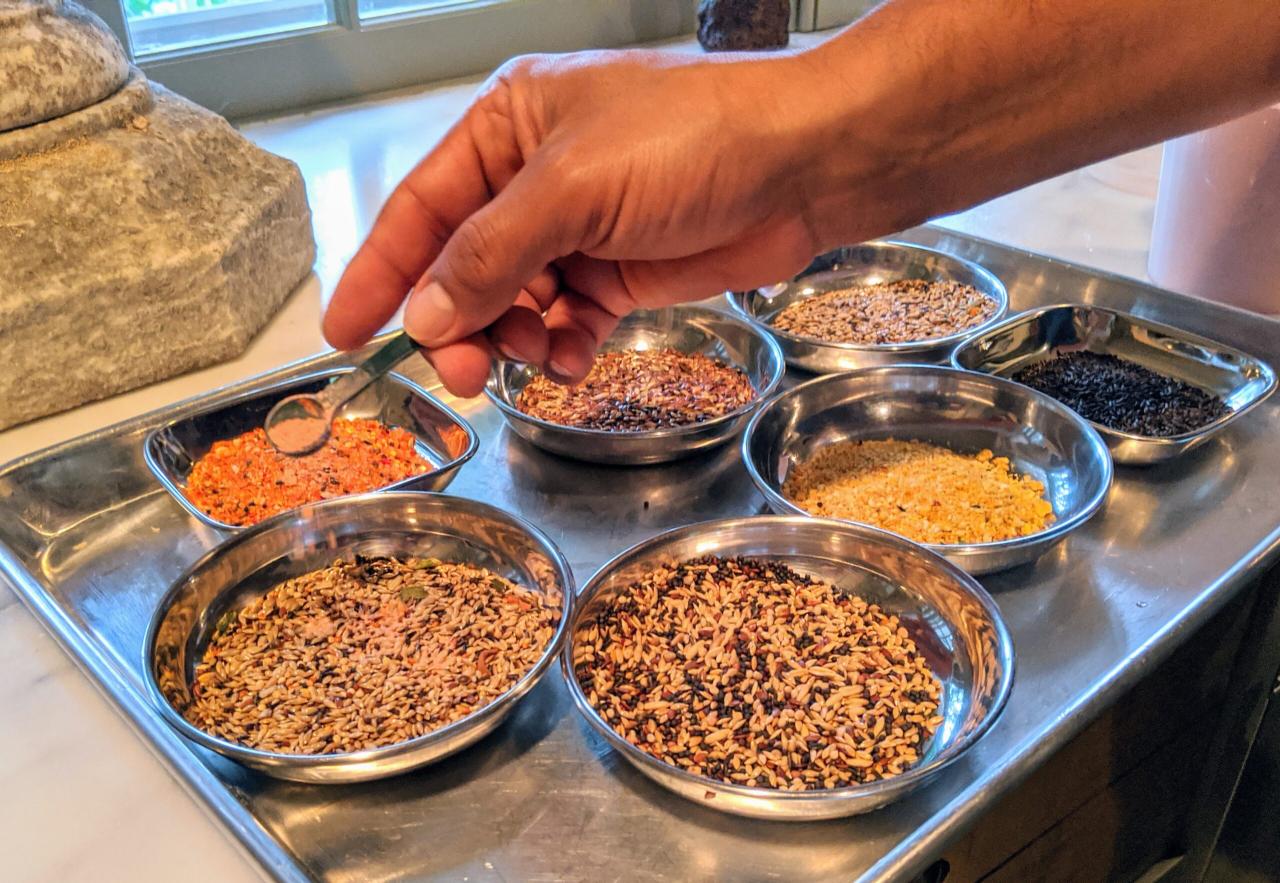
A healthy canary requires a carefully considered diet to thrive. A balanced diet, providing essential nutrients, contributes significantly to their overall well-being, impacting their physical health, vibrant plumage, and active nature. Proper nutrition is crucial for their long lifespan and prevents various health issues. This section details the nutritional needs of canaries, emphasizing the importance of a varied diet.A balanced diet for canaries encompasses a range of food types, vitamins, and minerals, each playing a specific role in their well-being.
Providing the correct nutrients in appropriate quantities is essential for maintaining optimal health and preventing nutritional deficiencies. Understanding these requirements enables responsible canary owners to meet their birds’ needs effectively.
Nutritional Needs of Canaries
Canaries require a diet rich in essential nutrients to support their growth, maintain their health, and produce vibrant plumage. These needs extend beyond simply providing seed, emphasizing the importance of a diverse food source. A varied diet that encompasses different food groups is key.
Types of Food for Canaries
A canary’s diet should comprise various food types to ensure a balanced intake of nutrients. Seed mixes are a common staple, but they should be supplemented with other food sources to ensure a well-rounded diet.
- Seed Mixes: While seed mixes are a convenient source of energy, they often lack sufficient vitamins and minerals. A good quality seed mix should be supplemented with other food types to ensure comprehensive nutrition.
- Commercial Canary Pellets: These formulated diets provide a balanced mix of nutrients, vitamins, and minerals crucial for canary health. Pellets can be a significant component of a canary’s diet, offering a concentrated source of essential nutrients.
- Vegetables and Fruits: These offer vitamins, minerals, and antioxidants beneficial to canary health. Fresh, finely chopped vegetables and fruits, such as leafy greens, berries, and chopped apples, should be offered regularly in moderation.
- Protein Sources: Protein-rich foods, such as mealworms and insects, are important for maintaining muscle mass and overall health. Insects should be offered in moderation and cleaned thoroughly to avoid potential parasites or pathogens.
Essential Vitamins and Minerals
Canaries require a specific combination of vitamins and minerals to support various bodily functions. A deficiency in any of these can lead to health issues.
- Vitamin A: Essential for healthy vision, skin, and immune function. Canaries can obtain this from leafy greens, carrots, and certain fruits.
- Vitamin D: Important for calcium absorption and bone health. This can be obtained from supplements or certain vegetables, but the sun’s rays are also a source.
- Vitamin E: A powerful antioxidant, protecting cells from damage. This can be obtained from leafy greens and vegetable oils.
- Calcium: Crucial for strong bones and healthy egg production in female canaries. Seeds, pellets, and some leafy greens can contribute to calcium intake.
- Iron: Essential for red blood cell production. This can be obtained from certain leafy greens and some fruits.
Role of Different Food Groups
Each food group plays a distinct role in a canary’s diet, contributing to overall well-being. Understanding these roles helps ensure a comprehensive diet.
- Seeds: Provide energy and some essential fatty acids.
- Pellets: Offer a balanced blend of nutrients, vitamins, and minerals.
- Vegetables and Fruits: Supply vitamins, minerals, and antioxidants.
- Protein Sources: Contribute to muscle growth and overall health.
Sample Daily Feeding Schedule
A varied daily feeding schedule ensures a comprehensive intake of nutrients. This schedule is a guideline and can be adjusted based on the canary’s individual needs.
| Time | Food Item | Quantity |
|---|---|---|
| Morning (7:00 AM) | Seed mix | 1/4 cup |
| Morning (7:30 AM) | Pellets | 1 tbsp |
| Mid-day (12:00 PM) | Vegetables (e.g., spinach, chopped carrot) | Small portion |
| Afternoon (3:00 PM) | Fruit (e.g., berries, apple slices) | Small portion |
| Evening (7:00 PM) | Protein (e.g., mealworms) | 1-2 |
Types of Canary Food
A diverse range of canary seed mixes are available commercially, each with varying nutritional profiles. Understanding the components and their impact on your canary’s health is crucial for ensuring a balanced diet. Choosing the right mix is key to maintaining a healthy and vibrant canary.A balanced canary diet should provide a mix of nutrients to support optimal health, including protein, fat, fiber, and vitamins.
Incorrect seed mixes can lead to deficiencies or imbalances, impacting the canary’s overall well-being.
Available Canary Seed Mixes
Various seed mixes cater to different nutritional needs and preferences. Popular options include general-purpose mixes, high-protein mixes, and specialized mixes formulated for breeding or specific life stages. The selection of a seed mix should be based on the canary’s age, health, and activity level.
- General-purpose mixes: These mixes are commonly available and contain a variety of seeds, typically including canary seed, millet, and other small seeds. They often provide a good overall balance of nutrients, suitable for most adult canaries.
- High-protein mixes: These mixes are often enriched with seeds like niger or hemp, known for their higher protein content. These mixes are particularly beneficial for breeding canaries or young birds undergoing rapid growth.
- Specialized mixes: Some seed mixes are specifically formulated for breeding, molting, or other life stages. These mixes may include additional ingredients like fruits, vegetables, or vitamins to cater to specific nutritional needs.
Advantages and Disadvantages of Different Seed Mixes
Careful consideration of the advantages and disadvantages of various seed mixes is important for ensuring optimal canary health.
- General-purpose mixes: These mixes are convenient and cost-effective, offering a broad spectrum of nutrients. However, they might not provide the specific nutritional needs of birds with particular requirements, such as breeding or molting birds.
- High-protein mixes: These mixes offer enhanced protein sources, vital for canaries in breeding or growing stages. However, an over-reliance on high-protein mixes might lead to an imbalance in other essential nutrients.
- Specialized mixes: These mixes offer targeted nutritional support for specific life stages or health conditions. However, they may be more expensive and less readily available than general-purpose mixes.
Nutritional Value Comparison of Canary Seeds
Different seeds contribute varying amounts of nutrients to the overall diet. The nutritional value of a seed mix depends on the proportions of each seed included.
- Canary seed: A staple in many mixes, canary seed provides a good source of energy and fat. However, it’s relatively low in protein and other essential nutrients.
- Niger seed: Known for its high protein content, niger seed is crucial for breeding and growing canaries. Its small size makes it a favorite for foraging.
- Millet seed: Provides a good source of carbohydrates and energy. Different types of millet seeds may offer varied nutritional compositions.
Potential Health Risks Associated with Specific Seed Mixes
An inappropriate seed mix can lead to nutritional imbalances and potential health problems.
- Inadequate protein: A diet deficient in protein can hinder growth and development, especially in young birds. This can also affect egg production in breeding birds.
- Excessive fat: A high-fat diet can contribute to obesity and related health issues, such as digestive problems. This can lead to reduced egg production in breeding birds.
- Nutritional deficiencies: An imbalanced seed mix can lead to deficiencies in essential vitamins and minerals, impacting the canary’s overall health and immune function.
Nutritional Content Comparison Table
The following table provides a simplified comparison of the potential nutritional content of various seed mixes. Note that precise values can vary depending on the specific ingredients and proportions within each mix.
| Seed Mix | Protein (%) | Fat (%) | Fiber (%) |
|---|---|---|---|
| Mix A (General Purpose) | 12 | 20 | 5 |
| Mix B (High Protein) | 15 | 18 | 4 |
| Mix C (Breeding) | 18 | 15 | 6 |
Supplements and Additional Foods
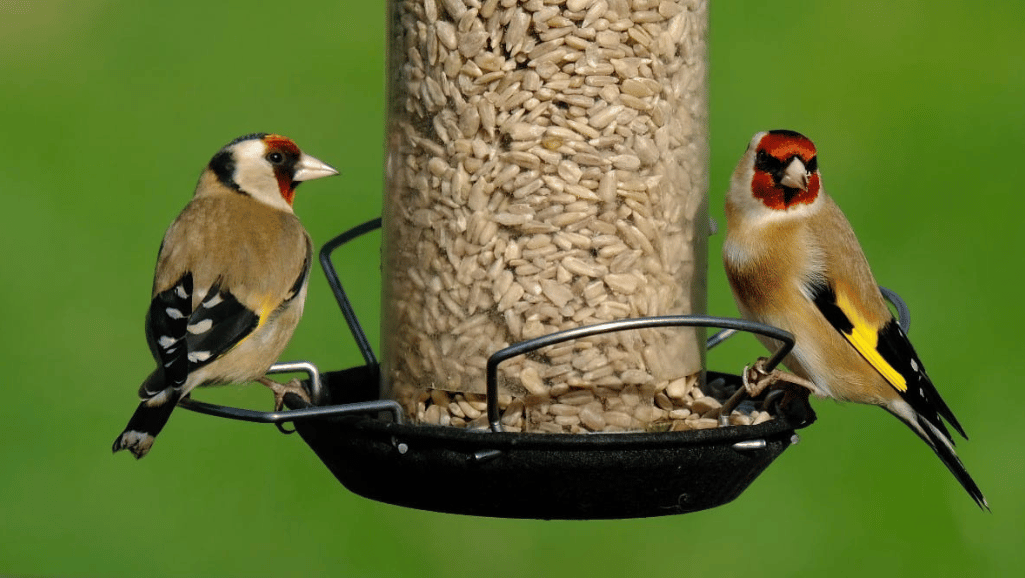
A balanced diet for canaries goes beyond just seed mixes. Providing essential supplements and incorporating fresh fruits and vegetables enhances their overall well-being and nutritional intake, contributing to a vibrant and healthy canary. This section delves into the crucial role of these additions.A varied diet, including a combination of commercially available canary food, supplements, and fresh foods, is vital for optimal canary health.
This approach ensures that canaries receive a comprehensive range of nutrients, promoting proper growth, feather development, and overall vitality.
Essential Supplements
A well-formulated canary diet often requires supplemental vitamins and minerals. These supplements address potential deficiencies and support their overall health. Supplements can help prevent common nutritional deficiencies that can manifest in various health problems.
- Vitamin A: Crucial for healthy vision, immune function, and feather growth. Sources include commercially available canary vitamin supplements, leafy greens, and certain fruits.
- Vitamin D3: Essential for calcium absorption and bone health. Some commercially available canary supplements provide this crucial vitamin. Sunlight exposure can also contribute to vitamin D3 production.
- Calcium: Vital for strong bones and healthy egg production. Calcium supplements can be crucial for birds, especially those laying eggs.
- Protein: Essential for growth, feather development, and maintenance of tissues. Protein supplements are often included in commercially available canary diets.
- Minerals: Various minerals such as zinc, iron, and iodine are important for overall health. These minerals can be obtained from specific mineral supplements or from varied foods.
Incorporating Fresh Fruits and Vegetables
Introducing fresh fruits and vegetables is a significant step in enhancing a canary’s diet. They provide a valuable source of vitamins, minerals, and antioxidants that are not always found in seed-based diets. It is important to offer fresh produce in moderation and only after proper preparation.
- Preparation: Thoroughly wash all fruits and vegetables to remove any pesticides or dirt. Cut fruits and vegetables into small, manageable pieces to prevent choking hazards.
- Storage: Store prepared fruits and vegetables in airtight containers in the refrigerator for a maximum of two days to maintain freshness and prevent spoilage. Avoid using fruits and vegetables that have mold or other signs of decay.
- Portion control: Offer fresh foods in small portions. Overfeeding can lead to digestive upset and other health problems. Introduce new foods gradually to observe any reactions.
Benefits of Fresh Foods
Providing fresh fruits and vegetables offers several advantages to canaries. These foods add variety and appeal, supporting a healthy and diverse diet.
- Nutritional Diversity: Fresh foods provide a wide range of vitamins, minerals, and antioxidants that seed-based diets may lack. This diversity is crucial for optimal health.
- Enhanced Palatability: Canaries often find fresh foods more appealing than commercial seed mixes, encouraging them to consume a wider range of nutrients.
- Improved Digestive Health: Fresh fruits and vegetables can promote better digestion and overall gut health in canaries.
- Increased Vitality: A diet rich in fresh produce can contribute to a more vibrant and active canary, supporting their overall well-being.
Importance of a Varied Diet
A diverse diet is critical for canaries to receive the full range of nutrients required for optimal health and well-being. This approach supports their overall health and vitality.
- Nutrient Balance: A diverse diet ensures that the canary receives a complete range of vitamins, minerals, and other essential nutrients.
- Reduced Nutritional Deficiencies: A variety of foods reduces the risk of nutritional deficiencies, which can lead to various health problems.
- Improved Immune System: A balanced diet supports a strong immune system, making the canary more resistant to diseases.
- Enhancing Feather Quality: A varied diet supports the growth of healthy, vibrant feathers, contributing to the bird’s overall appearance.
Suitable Fruits and Vegetables for Canaries
This table Artikels fruits and vegetables suitable for canaries, noting their nutritional value.
| Fruit/Vegetable | Nutritional Benefits |
|---|---|
| Apples (peeled, cored) | Source of vitamin C and fiber. |
| Berries (strawberries, blueberries, raspberries) | Rich in antioxidants and vitamins. |
| Bananas (peeled) | Good source of potassium and vitamin B6. |
| Carrots (peeled) | Excellent source of vitamin A and fiber. |
| Cucumber (peeled) | High in water content and vitamins. |
| Spinach (cooked) | Source of vitamins and minerals. |
| Peas (cooked) | Good source of vitamins and fiber. |
Feeding Techniques and Practices
Proper feeding techniques are crucial for maintaining the health and well-being of your canaries. Consistent and appropriate feeding methods ensure they receive the necessary nutrients and prevent potential health issues. A well-structured approach to feeding can greatly impact their overall quality of life.Understanding the nuances of different feeding methods, along with the potential pitfalls of improper techniques, allows you to provide optimal care for your feathered companions.
This section will Artikel various feeding strategies and their implications, equipping you with the knowledge to nurture your canaries effectively.
Methods of Feeding Canaries
Different feeding methods cater to various needs and preferences. Choosing the right approach is essential for ensuring consistent access to nutrition and preventing issues like overfeeding or underfeeding. The methods Artikeld below provide a range of options to consider.
- Hand-feeding: This method involves directly feeding canaries small portions of food using a small spoon or tweezers. It’s often used for young or sick canaries, allowing for precise portion control and ensuring they receive the right nutrients. It also fosters a strong bond between you and your bird. Care must be taken to avoid choking hazards and ensure proper handling techniques.
A smooth, gentle approach is essential.
- Automatic Feeders: These devices are designed to dispense food automatically, offering a convenient way to ensure consistent access to food. Different types are available, from simple hopper feeders to more sophisticated models with timers and multiple compartments. The benefits include reduced human intervention and potentially preventing overeating if programmed correctly. However, improper setup or use can lead to food wastage or uneven distribution.
Care must be taken to prevent the accumulation of food and ensure the food stays fresh.
- Manual Feeding: This involves placing food in a designated area, such as a bowl or tray. It’s a simple method suitable for healthy canaries that can easily access and consume food. Regular monitoring is needed to ensure the food remains fresh and is consumed. It is important to maintain cleanliness and replace food as needed to prevent spoilage.
Presenting Food to Canaries
How food is presented directly affects how readily it’s consumed. Presentation methods can influence the canary’s ability to access and ingest the food.
- Variety of Food Dishes: Offering a variety of food dishes in different shapes and sizes encourages canaries to explore and sample different foods. A variety of dish types provides opportunities for canaries to use their natural foraging instincts, which contributes to their overall well-being.
- Placement of Food Dishes: Positioning food dishes in easily accessible locations minimizes stress and encourages the canary to eat. Consider the height and position relative to perches and resting areas.
- Frequency of Food Replacement: Regular replacement of food prevents spoilage and ensures the canaries have access to fresh, nutritious ingredients. Regular checks and replacements prevent potential health issues arising from stale food.
Potential Problems with Improper Feeding Techniques
Improper feeding practices can have adverse effects on canary health. It’s crucial to understand these potential issues to avoid problems.
- Overfeeding: Providing excessive food can lead to obesity, digestive issues, and other health problems. It’s crucial to monitor portion sizes and adjust them based on the canary’s activity level and size. A balanced diet with a range of nutrients is more important than simply filling the feeder.
- Underfeeding: Insufficient food intake can result in malnutrition, weakened immune systems, and decreased vitality. Regular monitoring of food consumption is necessary to prevent deficiencies.
- Food Spoilage: Leaving food out for extended periods can lead to spoilage, potentially causing digestive problems or illness. Regular food replacements and careful storage are essential to maintain hygiene and avoid contamination.
Preventing Overfeeding and Underfeeding
Careful monitoring and adjustments are crucial to prevent both overfeeding and underfeeding.
- Portion Control: Accurately measure portions based on the canary’s size, age, and activity level. Adjusting portions based on the canary’s current needs ensures optimal nourishment.
- Observation of Eating Habits: Regularly observe your canary’s eating habits to identify any changes in appetite or consumption patterns. These observations will help you to adjust the feeding regimen as needed.
- Variety in Diet: A varied diet provides a wider range of nutrients, reducing the risk of nutritional deficiencies. The more diverse the diet, the better.
Feeding Technique Comparison
| Feeding Technique | Benefits | Potential Issues |
|---|---|---|
| Hand-feeding | Precise portion control, fosters bond, ideal for young/sick birds, minimizes waste | Requires time and patience, potential for spills, choking hazards if not handled carefully |
| Automatic feeders | Convenience, consistent food access, reduces human intervention, potential for portion control | Food wastage if not properly maintained, uneven distribution, potential for overfeeding |
| Manual Feeding | Simplicity, cost-effective, suitable for healthy birds, easy implementation | Requires regular monitoring, potential for spoilage, less control over portions |
Troubleshooting and Common Problems
Maintaining the health and well-being of your canary depends significantly on understanding and addressing potential feeding-related issues. Careful observation and a proactive approach are key to ensuring your feathered friend thrives. This section will Artikel common problems, their signs, and solutions.
Recognizing Signs of Malnutrition
Malnutrition in canaries can manifest in various ways, requiring keen observation. A canary experiencing malnutrition might exhibit a dull or ruffled plumage, a significant weight loss, or a lack of energy. Their activity levels could decrease noticeably, and they may appear listless and lethargic. Changes in appetite, such as a complete loss of interest in food, can also be a clear indication of underlying problems.
Furthermore, a canary’s beak and claws may show signs of weakness or malformation if the diet lacks essential nutrients.
Recognizing Signs of Overfeeding
Overfeeding, while seemingly a benign issue, can lead to serious health problems in canaries. One of the most noticeable signs is rapid weight gain, potentially leading to obesity. This can result in difficulty in movement, and can even cause joint issues. Overfeeding can also lead to digestive problems, such as bloating, diarrhea, or other gastrointestinal issues. Pay close attention to the amount of food your canary consumes, and adjust as needed.
Potential Solutions to Feeding Problems
Addressing feeding problems requires a multifaceted approach. If your canary is underweight, a gradual increase in the amount of high-quality canary seed mix, supplemented with appropriate fruits and vegetables, can help them regain lost weight. If the problem is overfeeding, reducing the amount of food offered, providing sufficient exercise, and incorporating healthier food choices can help address the issue.
Regular monitoring and adjustments to the diet, as necessary, are critical. Consult a veterinarian if the issue persists or worsens.
Importance of Monitoring Canary Health
Regular monitoring of your canary’s health is crucial for early detection of feeding-related problems. This includes checking their weight, plumage condition, and overall activity levels. Consistent observation of feeding habits, including appetite and stool consistency, can provide vital insights into their well-being. Note any unusual behaviors or changes in their demeanor.
When to Seek Veterinary Attention
Consult a veterinarian if you notice persistent or severe signs of malnutrition, overfeeding, or any other unusual symptoms. They can provide a professional diagnosis and recommend appropriate treatment or adjustments to your canary’s diet. Early intervention is crucial for the well-being of your canary.
Creating a Safe and Healthy Feeding Environment
Maintaining a clean and secure feeding environment is essential. Use a dedicated, clean feeder for your canary, ensuring that it is easily accessible. Regularly clean the feeder and water dishes to prevent the growth of bacteria or fungi. Keep the area free from any potential hazards or dangers, such as spilled food or toxic substances. Providing a calm and quiet environment can also contribute to a healthy appetite.
Feeding Young Canaries
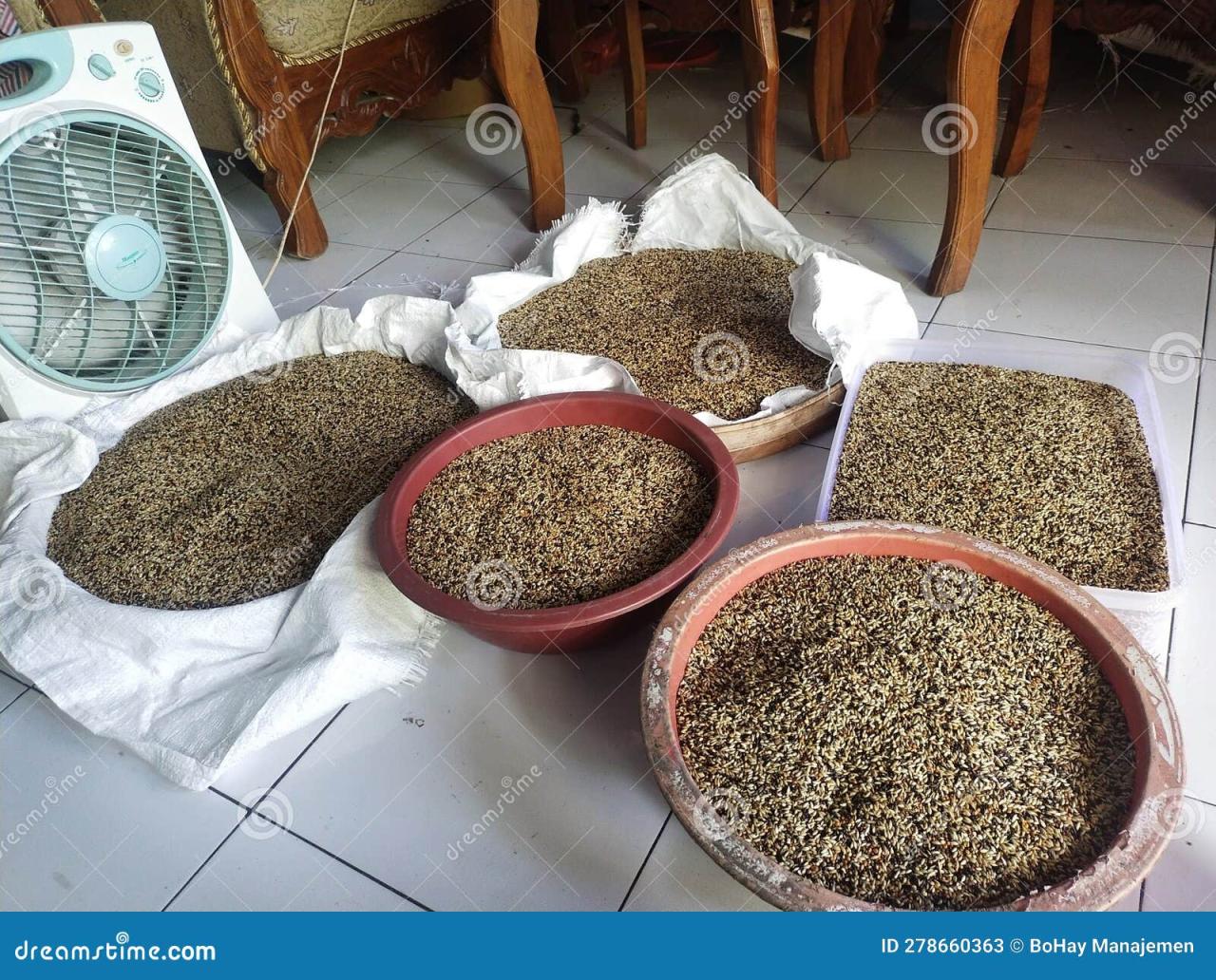
Young canaries, especially during their first few weeks, have unique nutritional needs that differ significantly from those of adult birds. Providing the right diet is crucial for their healthy development and growth. Proper nutrition supports their immune system, fosters strong bones and feathers, and ensures they reach their full potential.Young canaries require a highly nutritious diet to support rapid growth and development.
This includes a balanced blend of proteins, carbohydrates, vitamins, and minerals, often in higher concentrations than adult birds need. A tailored approach to feeding young canaries will help them thrive.
Specific Nutritional Needs of Young Canaries
Young canaries have a high metabolic rate to support rapid growth and development. This metabolic rate necessitates a higher intake of nutrients compared to adult birds. A diet rich in essential nutrients, including proteins, vitamins, and minerals, is paramount for their healthy development. Providing a diverse range of foods helps ensure they obtain all the necessary nutrients.
Importance of a Nutrient-Rich Diet
A diet rich in nutrients is essential for young canaries. Proper nutrition supports their immune system, promoting resistance to illnesses. A balanced diet also aids in the development of strong bones and feathers, crucial for their well-being and survival. Furthermore, a nutritious diet contributes to their overall vitality and growth potential.
Appropriate Feeding Methods for Young Canaries
For young canaries, offering a variety of small, easily digestible food items is key. This promotes healthy eating habits and prevents them from developing any dietary preferences that could hinder their growth. Small, frequent feedings are often preferred over large meals, as this helps meet their increased nutritional demands.
Examples of Suitable Foods for Young Canaries
- Finely ground canary seed: This provides a good source of essential nutrients and is easy for young birds to digest. It is particularly beneficial for their initial development.
- Soft, cooked vegetables: Well-cooked vegetables like carrots, peas, and zucchini provide essential vitamins and minerals, contributing to a well-rounded diet.
- Protein-rich food sources: Insects like mealworms, or finely ground egg food, can be introduced gradually. These offer protein crucial for growth and muscle development.
- High-quality canary pellets: These are formulated specifically for young canaries, containing essential nutrients in a balanced ratio.
- Supplements: Consult an avian veterinarian for recommendations on specific vitamin and mineral supplements to support the young canary’s growth. Overuse of supplements can be detrimental, so professional guidance is crucial.
Signs of a Healthy Young Canary
A healthy young canary exhibits vibrant energy levels, a shiny coat of feathers, and a robust appetite. Their body condition should be well-maintained, with a healthy weight and no signs of lethargy. Regular monitoring of these factors provides insights into their overall health and nutritional status.
Preparing Food for Baby Canaries
Food for baby canaries needs to be soft and easy to swallow. Finely ground seed blends and soft, cooked vegetables are suitable. Never give baby canaries whole seeds, as they are too large and hard to digest. The consistency should be like a soft porridge.
Example: Mix finely ground canary seed with a little soft, cooked carrot or pea puree. Adjust the consistency as needed to ensure it’s easily digestible for the tiny beaks. Gradually introduce more solid food as the canaries get older.
Understanding Different Canary Breeds
A diverse range of canary breeds exists, each with its own unique characteristics, including variations in size, color, and temperament. These differences often extend to dietary preferences, necessitating adjustments to feeding routines to ensure optimal health and well-being for each individual bird. Understanding these variations is crucial for responsible canary ownership.Different breeds of canaries may exhibit subtle or significant variations in their dietary requirements.
A thorough understanding of a canary’s specific breed will help owners provide the most appropriate nutrition and support their birds’ overall health and happiness. Recognizing these needs allows for the provision of a more tailored and effective feeding strategy.
Dietary Variations Based on Canary Breeds
Understanding the specific dietary requirements of different canary breeds is crucial for their health and well-being. Some breeds might have higher protein needs than others, while some may have a preference for specific types of seeds or fruits. Breed-specific needs must be considered to ensure the bird receives the optimal balance of nutrients.
Examples of Breed-Specific Dietary Needs
Canaries, like other species, display variations in their dietary preferences. For example, the larger, more robust Norwich canary might benefit from a slightly higher proportion of protein-rich foods compared to the smaller, more delicate Roller canary. The need for certain vitamins and minerals may also differ between breeds, demanding careful consideration of the food sources provided.
- Norwich Canaries: These larger canaries, often more robust than other breeds, may require a slightly higher protein content in their diet to support their larger frame and activity levels. A diet that includes more insect-based protein sources, such as mealworms, might be beneficial for maintaining their vitality.
- Roller Canaries: Known for their elegant and intricate movements, Roller canaries often require a diet that is balanced and caters to their more delicate nature. The need for optimal digestion and maintenance of their lightweight frames necessitates careful attention to food quality and proportion.
- Yorkshire Canaries: Yorkshire canaries are a breed known for their beautiful colorations. Their dietary requirements may differ from other breeds, potentially requiring a specific blend of nutrients to support their vibrant plumage. It’s important to consult reputable resources for precise nutritional guidelines.
Adjusting Feeding Routines Based on Different Breeds
Feeding routines should be adapted to accommodate the unique needs of different canary breeds. Breed-specific dietary requirements necessitate alterations in the types of food offered, the frequency of feedings, and the portion sizes. Regular observation of the canary’s overall health and behavior can aid in fine-tuning the feeding routine for optimal results.
Specific Dietary Requirements for Specific Canary Breeds
A comprehensive understanding of breed-specific needs is essential for ensuring the canary’s well-being. Specific dietary requirements may be influenced by size, activity level, and other breed characteristics.
A well-rounded diet for any canary breed should include a balanced mix of seeds, fruits, vegetables, and occasionally, supplemental foods. However, the specific proportions and types may differ depending on the breed. For example, a Norwich canary might benefit from slightly more protein-rich foods compared to a smaller breed like a Yorkshire canary.
Importance of Researching a Canary’s Breed-Specific Needs
Thorough research into a canary’s breed-specific needs is vital for responsible ownership. This research will equip owners with the knowledge to provide the most appropriate nutrition for their bird’s unique characteristics. It is crucial to understand the breed’s history, typical size, and temperament to inform dietary choices.
Potential Need for Variations in Feeding Practices Depending on the Breed
Breed-specific dietary needs necessitate adjustments in feeding practices. Different breeds may have varying preferences for certain foods or require specific supplementations. This necessitates a flexible approach to ensure the bird’s overall health and well-being. The choice of food types, portion sizes, and feeding schedules should be adjusted based on the breed’s specific requirements.
Final Conclusion

In conclusion, providing your canaries with a balanced and varied diet is paramount to their health and happiness. This guide has Artikeld the key aspects of feeding canaries, from understanding their nutritional needs to implementing proper feeding techniques. By carefully considering the specific requirements of your canaries, including their age and breed, you can ensure they thrive. Remember, consistent monitoring and adjustments to their diet based on their individual needs are essential for maintaining their optimal well-being.