Providing your finches with the right food is crucial for their health and well-being. This comprehensive guide will equip you with the knowledge and strategies to ensure your feathered friends thrive. From essential seeds and supplementary foods to feeding schedules and equipment, we’ll explore every aspect of creating a balanced and enjoyable experience for your finches.
This guide delves into the intricacies of finch nutrition, offering practical advice and detailed information. We’ll explore various food options, discuss feeding schedules tailored to different species and ages, and highlight the importance of maintaining a clean and safe environment for your finches.
Essential Food Types
A balanced diet is crucial for the health and well-being of finches. Providing a variety of appropriate seeds and supplemental foods ensures they receive the necessary nutrients for optimal growth, reproduction, and overall vitality. Understanding the nutritional needs of different finch species is key to maintaining their health and happiness.Providing finches with a diverse diet goes beyond simply offering seeds.
Different seed types contain varying levels of protein, fat, and other essential nutrients. The appropriate mix and quantity of these seeds are critical to ensuring a healthy and long life for your feathered companions.
Appropriate Seeds for Finch Species
Various finch species have different dietary requirements. Understanding these differences is vital for ensuring your finches receive the optimal nutrition. Some species thrive on a diet rich in certain seeds, while others benefit from a more diverse mix. The nutritional composition of these seeds greatly impacts the finches’ health and well-being.
- Small, Soft-Beaked Finches: These finches often benefit from a mix of small seeds, such as canary seed, millet, and nyjer (thistle) seeds. These seeds are typically easier for them to consume and digest compared to larger seeds. A good balance of these seeds is crucial for these finches’ health.
- Large, Hard-Beaked Finches: Larger finches, with their more robust beaks, can handle a wider variety of seeds, including sunflower seeds, and various types of nuts. Their digestive systems are often more adapted to handle larger and harder seeds. However, smaller seeds still play a crucial role in maintaining a well-rounded diet.
Nutritional Value of Seed Types
Understanding the nutritional composition of different seeds is essential for formulating a balanced diet for finches. Different seeds provide various amounts of protein, fats, vitamins, and minerals. A varied diet ensures that your finches receive a complete spectrum of nutrients.
- Sunflower Seeds: A good source of healthy fats and protein, sunflower seeds are a popular choice for many finch species. The high fat content can provide energy for activity and growth. However, an overabundance of sunflower seeds can lead to obesity if not balanced with other food sources.
- Canary Seed: Canary seed is a good source of carbohydrates and fats. It is a common component of seed mixes, but its high carbohydrate content can be problematic if not balanced with other seed types. The inclusion of canary seed should be mindful of the overall nutritional profile.
- Millet Seed: Millet seeds are a great source of carbohydrates, which provide energy for the finches. Their small size makes them easily digestible for various finch species, especially those with smaller beaks. Millet seeds are often a popular choice for supplementing the diet.
Importance of a Balanced Diet for Finches
A balanced diet is essential for finches’ overall health. This encompasses providing a variety of seeds to ensure they receive a full range of necessary nutrients. A lack of balance can lead to nutritional deficiencies and health problems. A comprehensive diet contributes to a finch’s vitality.
Comparison of Seed Mixes
Different seed mixes cater to different finch species and nutritional needs. A well-formulated mix will include a variety of seeds to provide a complete and balanced diet. Consider the finch species when selecting a seed mix.
| Seed Type | Species Suitability | Nutritional Benefits | Potential Drawbacks |
|---|---|---|---|
| Sunflower Seeds | Most finches, especially those with strong beaks | High in fat and protein, good energy source | High fat content, can lead to obesity if overfed |
| Canary Seed | Small finches | Good source of carbohydrates and fats | High carbohydrate content, can lead to obesity if overfed, less protein |
| Millet Seed | Most finches, especially small ones | Good source of carbohydrates, easily digestible | Can be high in carbohydrates, less protein |
| Nyjer (Thistle) Seed | Small finches, especially goldfinches | High in fat and protein | Difficult for some finches to crack, can be expensive |
Supplementary Foods
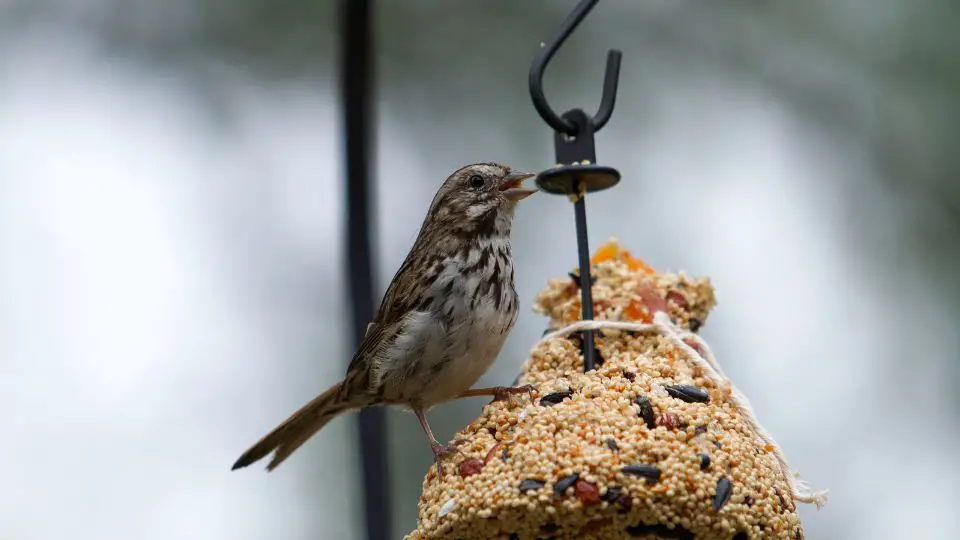
A balanced diet for finches goes beyond just seeds. Supplementary foods provide essential nutrients that seeds may lack, promoting overall health and well-being. This includes vitamins, minerals, and proteins crucial for proper growth, feather maintenance, and reproduction. Providing a variety of supplementary foods can significantly enhance the quality of life for your finches.A diverse diet is key to ensuring your finches receive the complete spectrum of nutrients.
Seeds are a good source of energy, but they often lack essential vitamins and minerals. Supplementing with fruits, vegetables, and other items can bridge this gap and support optimal health.
Healthy Fruits and Vegetables for Finches
A wide range of fruits and vegetables can be safely incorporated into a finch’s diet. These additions provide vital vitamins, minerals, and antioxidants, crucial for a healthy immune system and vibrant plumage. Carefully chosen and properly prepared, these additions can greatly benefit your feathered friends.
Preparation Methods for Fruits and Vegetables
Proper preparation is vital when introducing fruits and vegetables to your finches. Avoid offering foods that may be harmful or difficult to digest. Always thoroughly wash all fruits and vegetables to remove any pesticides or dirt. Cut foods into small, manageable pieces, ensuring they are easy for finches to consume.
Presentation of Fruits and Vegetables
Presentation matters. Offer fruits and vegetables in varied ways to keep your finches engaged and encourage them to explore different tastes. Using a shallow dish or small bowl is ideal. Consider using a small spoon or tweezers to place smaller portions directly in their food bowls. Some finches may prefer specific presentation styles.
Suitable Fruits and Vegetables
- Berries (strawberries, raspberries, blueberries): Offer in moderation, as they can be high in sugar. Thoroughly wash and remove stems and leaves. Cut into small, manageable pieces.
- Melons (cantaloupe, watermelon): Provide in small portions, as they can be high in water content. Remove seeds and rind. Cut into bite-sized pieces.
- Apples (red delicious, Granny Smith): Offer small, bite-sized pieces, removing the core and seeds. Ensure they are free of pesticide residue.
- Spinach, kale, and other leafy greens: Provide in small quantities, as too much can cause digestive upset. Wash thoroughly. Cut into small, manageable pieces.
- Carrots and sweet potatoes: Offer small, finely chopped pieces. Wash thoroughly and remove any dirt.
- Peas and beans: Offer in moderation, as they can cause digestive issues. Wash and remove outer shells.
Potential Dangers and Nutritional Value
| Fruit/Vegetable | Preparation | Nutritional Value | Potential Dangers |
|---|---|---|---|
| Strawberries | Wash, remove stems, cut into small pieces | Vitamin C, antioxidants | High sugar content, if given excessively |
| Carrots | Wash, peel (optional), chop into small pieces | Beta-carotene, fiber | Can cause digestive upset if given in large quantities |
| Spinach | Wash thoroughly, chop finely | Vitamins A and K, iron | Can cause digestive upset if given in excess. Potential for oxalates in some varieties. |
| Apples | Wash, remove core and seeds, chop into small pieces | Fiber, Vitamin C | Seeds can be a choking hazard. Avoid giving in large quantities |
| Melons | Wash, remove rind and seeds, cut into small pieces | Water, vitamins | High water content, can cause digestive issues if overfed |
Feeding Schedules and Frequency
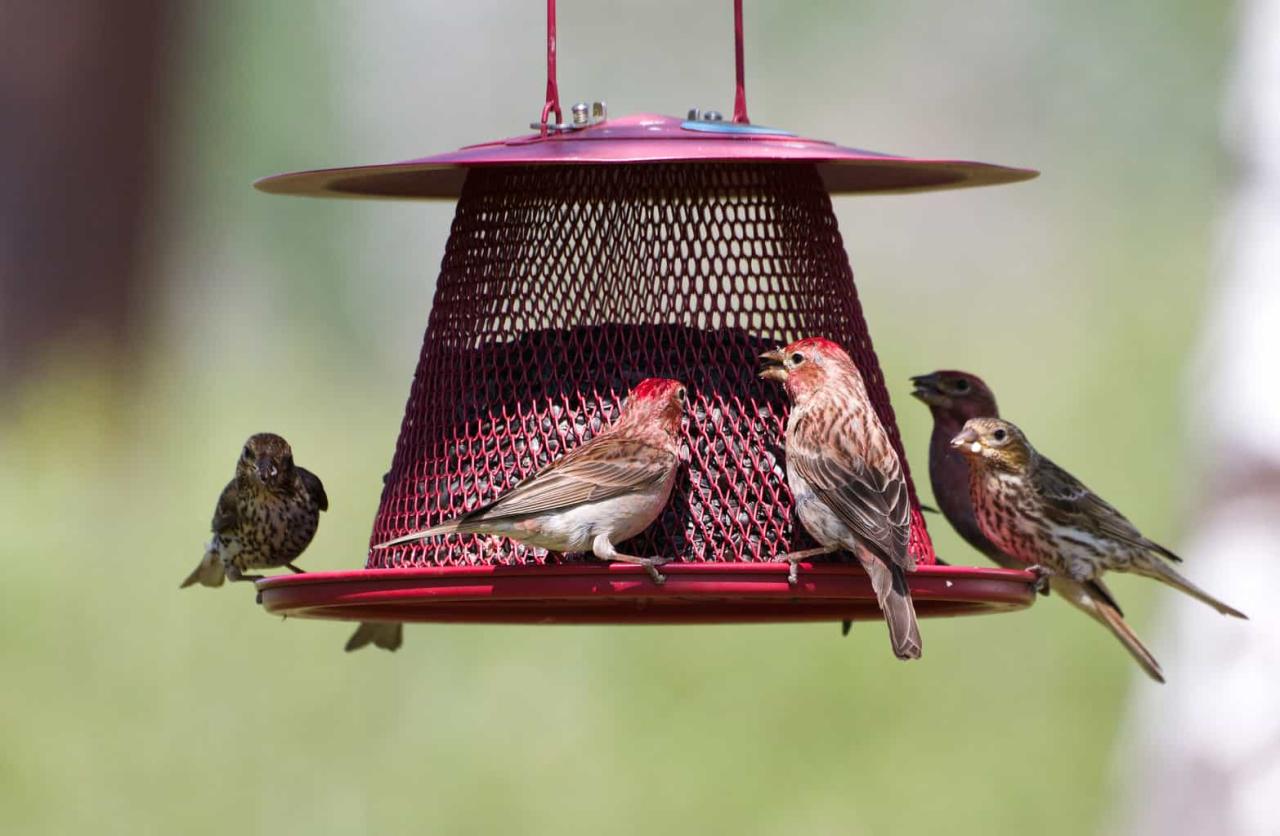
Establishing a consistent feeding schedule is crucial for the health and well-being of your finches. A predictable routine mimics their natural foraging habits and helps them regulate their internal biological clocks, contributing to their overall comfort and good health. This predictable schedule also assists in recognizing potential health issues quickly.Understanding the optimal feeding times and frequencies tailored to specific finch species and their individual needs is vital for ensuring their proper nutrition.
The varying needs of different finch species regarding feeding times and frequency are a direct reflection of their diverse natural behaviors and dietary requirements.
Optimal Feeding Schedules for Different Finch Species
Consistent feeding times help finches develop healthy routines and manage their energy expenditure. A regular feeding schedule mimics their natural foraging patterns, promoting a sense of security and well-being. This predictability contributes to their overall comfort and health.
- Small finches, such as zebra finches and society finches, often thrive on multiple small meals throughout the day. They are naturally inclined to feed frequently, and this is reflected in their optimal feeding schedule. Offering several small portions across the day aligns better with their natural behaviors.
- Larger finches, like rose-ringed parakeets and cockatiels, usually benefit from two or three larger meals daily. Their larger size and metabolism necessitate a slightly different feeding schedule. Their feeding habits reflect their ability to store more food and manage their energy accordingly.
- Young finches require more frequent feedings compared to adults. Their rapid growth necessitates a higher caloric intake to support development, which means more frequent feeding is crucial. The frequency and amount of food are crucial for the development of young finches.
Importance of Consistent Feeding Times
A consistent feeding schedule provides a predictable and secure environment for finches. This predictability is crucial for their overall well-being and health. It allows them to anticipate their next meal, which promotes a sense of security and reduces stress.
- Consistent feeding times contribute to the finches’ overall well-being. This routine can minimize stress and promote a sense of security, mirroring their natural foraging patterns.
- Regular meal times help finches regulate their metabolism and energy expenditure. This routine can help avoid digestive issues, which are common in finches.
- Predictable feeding times can aid in recognizing any potential health issues quickly. Changes in eating habits can be early indicators of health problems, allowing for prompt veterinary attention.
Feeding Frequency Based on Finch Age and Activity Levels
The frequency of feeding directly correlates with the finch’s age and activity levels. Younger finches need more frequent meals to support their growth, while older or less active finches may require fewer meals.
- Young finches require frequent feeding sessions to meet their high energy demands for growth. The higher the rate of growth, the higher the demand for food. This need is directly linked to their developmental stages.
- Adult finches, particularly those with lower activity levels, may not require as frequent feeding as younger ones. Their metabolic rates are adjusted to match their activity level. The frequency of feeding is adjusted based on their activity levels.
- Finches exhibiting increased activity, such as during breeding seasons or periods of molting, often benefit from more frequent feedings to support their heightened energy needs. These changes in feeding frequency are crucial to their overall health.
Potential Issues with Irregular Feeding
Irregular feeding schedules can disrupt finches’ natural routines, potentially leading to various health problems. Maintaining a consistent feeding schedule is critical for their overall well-being.
| Species | Optimal Feeding Times | Appropriate Frequency | Potential Issues with Irregular Feeding |
|---|---|---|---|
| Zebra Finch | Morning & Evening | 3-4 small meals daily | Irregular feeding can lead to erratic eating habits, impacting digestion and potentially causing stress. |
| Rose-ringed Parakeet | Mid-morning & Late Afternoon | 2-3 larger meals daily | Inconsistent feeding can lead to digestive problems and nutritional deficiencies, as their bodies struggle to adapt to the unpredictable food intake. |
| Cockatiel | Morning & Evening | 2-3 meals daily | Irregular feeding can result in fluctuating energy levels and potentially affect their breeding cycles, as well as overall health. |
Preventing Overfeeding and Dietary Issues
Maintaining a healthy diet is crucial for the well-being of finches. Incorrect feeding practices can lead to various health problems, including obesity and malnutrition. Understanding these potential issues and how to prevent them will contribute significantly to ensuring the longevity and happiness of your feathered companions.Recognizing the signs of dietary imbalances and adjusting feeding practices accordingly are essential for maintaining optimal finch health.
This involves careful observation, a knowledge of their nutritional needs, and a willingness to adapt your feeding strategy as necessary. Addressing dietary deficiencies promptly is key to preventing long-term health complications.
Common Dietary Problems in Finches
Finches, like other small birds, are susceptible to several dietary problems if not properly managed. Obesity and malnutrition are two significant concerns, stemming from either overfeeding or insufficient or unbalanced nutrition. Overfeeding, often driven by the desire to provide ample food, can lead to weight gain beyond the healthy range, increasing the risk of various health complications. Conversely, malnutrition can arise from an insufficient supply of essential nutrients, impacting growth, reproduction, and overall health.
Signs of Dietary Issues in Finches
Recognizing the signs of dietary problems in finches is crucial for prompt intervention. Obvious signs include changes in body condition. Finches that are obese may exhibit a noticeably rounded or plump appearance, with a lack of definition in their skeletal structure. Conversely, undernourished finches may appear thin, with visible ribs and a lack of the typical plumpness of healthy birds.
Changes in activity levels, reduced energy, or lethargy can also indicate an underlying nutritional problem. Additionally, feather quality can suffer, leading to dullness, breakage, or loss. Behavioral changes, such as decreased appetite or difficulty eating, should also prompt investigation.
Adjusting Feeding Amounts for Healthy Weight
Monitoring finches’ weight is essential for maintaining a healthy body condition. Regular observation of their physical appearance can help in detecting any changes. A balanced diet with appropriate portion sizes is key to preventing weight gain or loss. Adjusting the amount of food provided is crucial to ensure finches maintain a healthy weight. For example, if a finch is gaining weight rapidly, reducing the quantity of seed-based foods and incorporating more fruits, vegetables, and other supplemental foods can help.
Conversely, if a finch is losing weight, increasing the frequency or amount of their preferred food sources may be necessary. Adjustments should be made gradually to avoid any sudden shifts in their diet.
Identifying and Addressing Dietary Deficiencies
Identifying and addressing specific dietary deficiencies is crucial for ensuring optimal finch health. Dietary deficiencies can lead to various health problems, ranging from feather problems to reproductive issues. A comprehensive understanding of the finch’s dietary needs is essential for providing a balanced diet. Careful observation and a consultation with an avian veterinarian, if necessary, are essential for pinpointing and correcting deficiencies.
Table: Dietary Problems, Symptoms, Causes, and Preventive Measures
| Dietary Problem | Symptoms | Causes | Preventive Measures |
|---|---|---|---|
| Obesity | Rounded, plump appearance; lack of skeletal definition; reduced activity; lethargy; dull feathers | Overfeeding; high-calorie diet; lack of exercise | Reduce seed-based food; increase fruits, vegetables, and supplemental foods; provide opportunities for exercise; monitor weight regularly |
| Malnutrition | Thin appearance; visible ribs; dull feathers; reduced activity; lethargy; decreased appetite | Insufficient food; unbalanced diet; poor quality food; illness; improper feeding schedule; inability to access food | Ensure balanced diet with essential nutrients; provide varied food sources; use high-quality seed mixes; monitor food access; provide a suitable feeding schedule; consult a veterinarian if symptoms persist |
| Calcium Deficiency | Soft, brittle, or deformed eggs; skeletal problems; difficulty perching | Inadequate calcium intake in the diet; lack of supplemental calcium sources | Include calcium-rich foods (e.g., cuttlebone, oyster shell); provide supplemental calcium sources |
| Vitamin A Deficiency | Dry, rough, or scaly skin; impaired vision; poor feather growth | Lack of vitamin A-rich foods in the diet; insufficient access to fresh vegetables and fruits | Provide foods rich in vitamin A (e.g., leafy greens, fruits); supplement with vitamin A if necessary |
Water Requirements
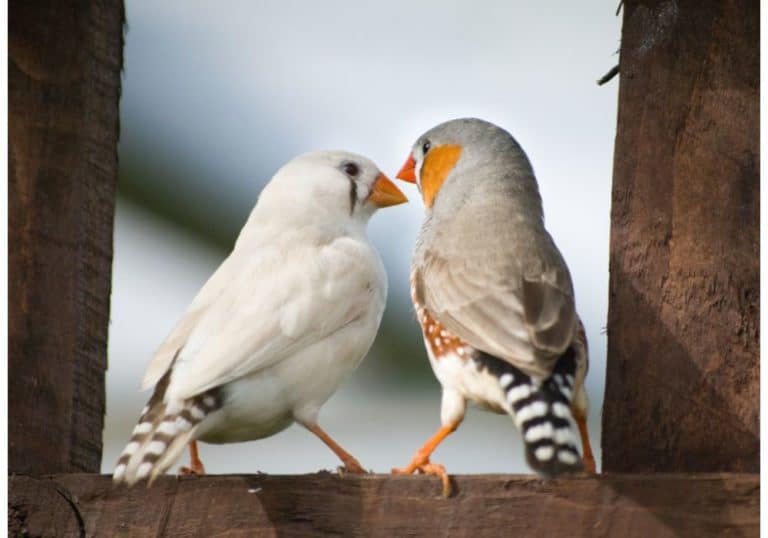
Providing finches with fresh, clean water is paramount for their health and well-being. Adequate hydration is essential for digestion, nutrient absorption, and maintaining overall bodily functions. A consistent and readily accessible supply of clean water is crucial to support their active lifestyles and vibrant plumage.
Importance of Fresh Water
Finches, like all birds, require a constant supply of fresh water for drinking and bathing. Water is vital for numerous bodily functions, including temperature regulation, nutrient transport, and waste elimination. Clean water helps prevent the development of diseases and promotes a healthy digestive system. A lack of access to fresh water can lead to dehydration, lethargy, and potentially fatal health complications.
Appropriate Water Sources
Offering various water sources can encourage finches to drink and bathe regularly. Shallow, smooth-edged dishes are ideal for finches to easily access and drink from. Providing a small, shallow dish or a water bottle with a sipper tube can accommodate various finch species and their unique drinking habits.
Maintaining a Clean Water Supply
Regularly cleaning and replacing the water in finch feeders is essential to prevent the growth of bacteria and fungi. Dirty water can rapidly become a breeding ground for harmful microorganisms. Clean the water dishes and bottles at least daily, or more often if necessary. Use warm, soapy water to thoroughly clean all surfaces. Rinse thoroughly with fresh water before refilling.
Discard any stagnant or visibly contaminated water.
Preventing Water Contamination
To prevent water contamination, use feeders that are easy to clean and maintain. Avoid using feeders with crevices or other hard-to-reach areas where debris can accumulate. Regularly check the water for any signs of algae growth or unusual sediment buildup. If you notice any such signs, immediately clean the feeder thoroughly.
Table of Water Sources
| Water Source | Maintenance | Water Quality Indicators | Potential Risks of Inappropriate Water |
|---|---|---|---|
| Shallow dish | Daily cleaning and replacement | Clear, free of debris, no algae or sediment | Bacteria and fungi growth; potential for ingestion of contaminants |
| Water bottle with sipper tube | Daily cleaning and replacement | Clear, free of debris, tube free of blockages | Clogged tube leading to limited access; accumulation of debris around the tube opening |
| Small, shallow bowl | Daily cleaning and replacement | Clear, free of debris, no algae or sediment | Potential for spills or spills contaminating the cage bedding; difficult cleaning |
| Automatic waterer | Regular cleaning and filter replacement (as needed) | Clear, free of debris, no buildup of sediment or mineral deposits | Potential for malfunction; difficult cleaning if not designed for easy maintenance |
Feeding Equipment and Techniques
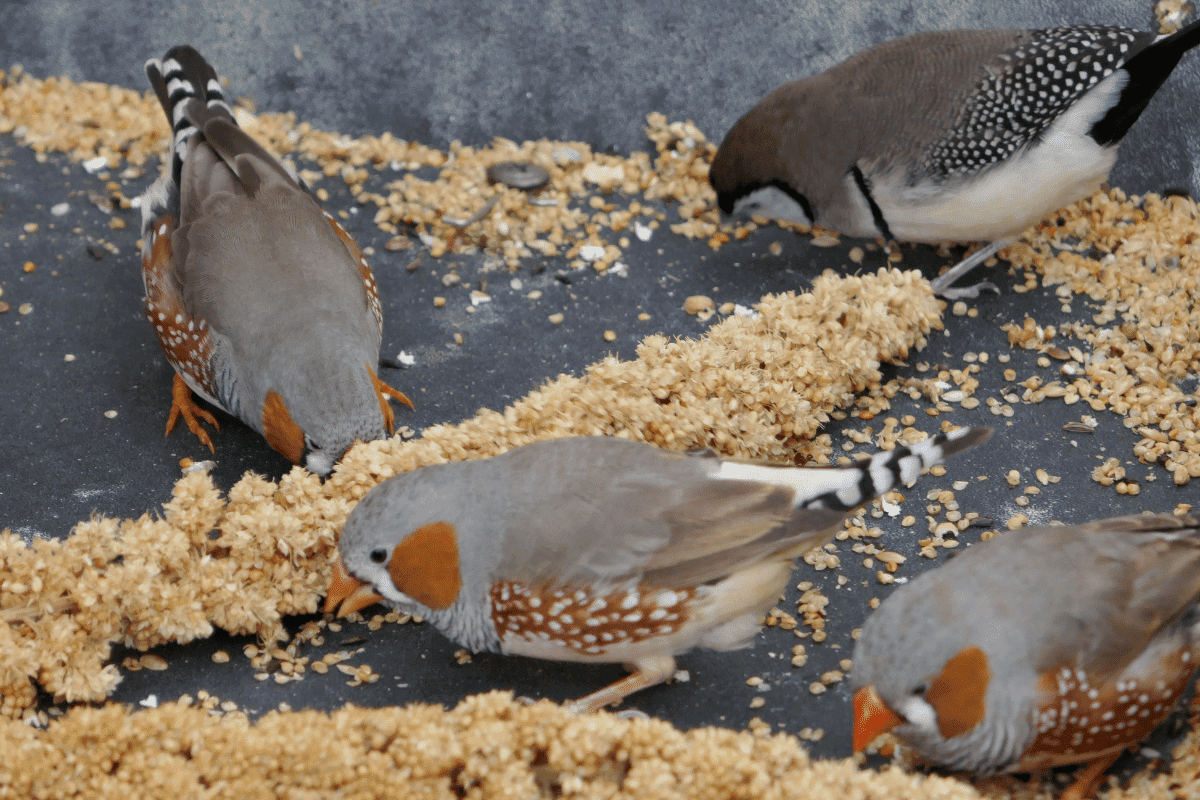
Proper feeding equipment and techniques are crucial for ensuring the health and well-being of finches. Choosing the right feeders and employing appropriate feeding methods minimizes waste, prevents dietary imbalances, and promotes a positive experience for these small birds. This section details various feeding options, highlighting important considerations for different species.
Feeding Equipment Options
A variety of feeding equipment is available to cater to finches’ diverse needs. Choosing the correct type ensures efficient feeding and minimizes wasted food. Different finch species have varying preferences and beak shapes, which influence their ability to access food from specific feeders.
- Seed Feeders: These feeders come in various forms, including hanging cages, tray feeders, and tube feeders. Hanging feeders are often preferred for preventing seed spillage, while tray feeders allow easy observation of consumption. Tube feeders are suitable for certain seed types and can be easily cleaned.
- Treat Feeders: Specialized feeders are available for offering fruits, vegetables, and other treats. These feeders are designed to prevent spoilage and ensure hygiene. They can include small cages, trays, or hanging compartments.
- Mineral and Supplement Feeders: Providing supplemental minerals and vitamins is crucial for a balanced diet. These feeders come in various forms, such as small dishes, blocks, or hanging feeders, each catering to different ways of consumption. Ensure the minerals are readily available to the birds.
Choosing the Right Feeders for Different Species
The appropriate feeder choice depends on the finch species’ beak shape, feeding habits, and overall size. Some finches prefer seeds readily available in open trays, while others may prefer more concealed feeding from hanging or tube feeders. Observing finch behaviour helps determine the optimal feeder type.
- Small finches with delicate beaks may struggle with large or complex feeders. Small, open tray feeders or hanging feeders with small holes are generally better suited for these species.
- Larger finches often prefer larger feeders, enabling them to access and consume food more efficiently. Larger hanging feeders or tray feeders are often suitable for these birds.
- Finches with specialized feeding habits, such as those consuming insects or fruits, require feeders that accommodate these particular diets. These can include small cages or dishes, designed to accommodate the specific food type.
Safe and Effective Feeding Methods
Proper feeding methods are essential for preventing waste and ensuring the birds receive a balanced diet. Providing a diverse selection of food and appropriate feeding equipment encourages natural foraging behaviors.
- Regular cleaning of feeders is crucial for hygiene and to prevent the buildup of harmful bacteria. Cleanliness is critical to maintaining a healthy environment.
- Adjusting feeding quantities based on the bird’s appetite and activity level is vital. Overfeeding can lead to health problems. Monitor the consumption and adjust as necessary.
- Avoid offering foods that are known to be toxic or harmful to finches. This includes certain human foods, and understanding what finches can and cannot eat is essential.
Preventing Waste and Spillage
Minimizing waste is important for maintaining a clean environment and ensuring efficient use of resources. Proper feeding techniques and equipment can greatly reduce waste and spillage.
- Using feeders with appropriate sized openings prevents spillage and waste. This will ensure food is readily available but prevents excessive waste.
- Placing feeders in secure locations prevents spills and reduces the spread of contaminants. Proper placement will ensure ease of access for birds but will also minimize mess.
- Regularly monitoring feeders and adjusting food levels prevents overfeeding and allows for timely replenishment.
Feeding Equipment Categorization
| Feeding Equipment | Advantages | Disadvantages | Suitable Species |
|---|---|---|---|
| Hanging Feeders | Reduces spillage, easy access for small birds | Can be difficult to clean, some species may not access | Small finches, some medium-sized |
| Tray Feeders | Easy observation, good for varied seeds | Prone to spillage, some species may not use | Larger finches, some seed eaters |
| Tube Feeders | Reduces waste, good for specific seeds | Can be difficult for some species to access, may require cleaning | Specific species with particular beak shapes |
| Mineral Blocks/Dishes | Easy access to minerals, good for supplementary needs | Potential for waste if not in a secure container | All species requiring mineral supplementation |
Dietary Considerations for Specific Finch Species
Providing a balanced and appropriate diet is crucial for the health and well-being of finches. Different species have varying nutritional requirements, and understanding these needs is essential for ensuring optimal care. This section delves into the specific dietary considerations for various finch species.
Dietary Needs of Different Finch Species
Various finch species exhibit distinct dietary preferences and requirements. Their evolutionary adaptations, such as beak shape and size, influence their foraging strategies and dietary choices. Understanding these differences helps us provide the most suitable diet for each species.
Special Dietary Requirements
Certain finch species have unique dietary needs beyond the standard mix of seeds, fruits, and vegetables. For example, some species require specific types of seeds or insects for optimal nutrition. The availability of specialized food sources should be considered, especially for species that are native to specific environments. For example, a species adapted to foraging for insects might require supplementary protein sources in captivity.
Essential Nutrients for Specific Species
Different finch species require different amounts of specific nutrients. Some species might need a higher proportion of protein for breeding or growth. Others may require increased calcium for healthy bone development. In some cases, the provision of specific vitamins or minerals may be necessary to address potential deficiencies in the diet. For example, the availability of vitamin A-rich foods is essential for proper eye health.
Species-Specific Dietary Table
| Species | Dietary Needs | Potential Issues | Recommended Food Sources |
|---|---|---|---|
| Zebra Finch | Primarily seeds, but also require fresh greens, fruits, and occasional insects. | Nutritional deficiencies if diet is solely seed-based. Lack of variety can lead to dull plumage and reduced activity. | Variety of small seeds (e.g., millet, canary), leafy greens (e.g., dandelion greens), berries, and mealworms. |
| Hawfinch | Strong beaks for cracking hard seeds. Require a significant amount of hard seeds and nuts. | Digestive issues if fed soft seeds. Potential for obesity if access to high-calorie foods is unlimited. | Hard seeds (e.g., sunflower, niger), nuts (e.g., peanuts, walnuts –
|
| Society Finch | Require a diverse diet of seeds, insects, and fruits. | Nutritional imbalances from a limited diet. Increased stress levels due to lack of variety. | Small seeds (e.g., millet), insects (e.g., mealworms, fruit flies), berries, and leafy greens. |
| Red-fronted Parakeet | Need a varied diet including seeds, fruits, vegetables, and occasional protein sources. | Lack of specific nutrients may lead to feather problems or weakened immune systems. | Seeds (e.g., sunflower, millet), chopped vegetables (e.g., carrots, cucumber), fruits (e.g., berries), and small amounts of cooked egg. |
Handling and Safety
Proper handling of finches is crucial for their well-being and your safety. Carefully considering techniques and safety precautions ensures a positive experience for both you and your feathered companions. Following these guidelines minimizes stress and potential harm to the birds and prevents accidental injuries.Careful handling, appropriate feeding techniques, and hygienic practices contribute to a harmonious environment.
This section details safe practices for handling finches, managing food and water, and maintaining a clean environment.
Safe Handling Techniques
Handling finches gently and cautiously is paramount. Avoid sudden movements or loud noises that may startle or frighten them. Support the bird firmly but gently, using both hands to cradle it securely. Always avoid squeezing or grasping the bird too tightly, as this can cause discomfort or injury. Familiarize yourself with the bird’s behavior, and be attentive to any signs of distress.
Safe Food and Water Handling
Maintaining hygiene in feeding and watering finches is essential to prevent contamination and disease. Use clean, dedicated utensils for handling and dispensing food and water. Store food in airtight containers to prevent pests and maintain freshness. Regularly check for any signs of spoilage or contamination in food and water sources. Thoroughly wash all feeding and watering equipment to prevent the spread of diseases.
Preventing Contamination
Contamination of food and water sources is a significant risk for finches. Maintain separate containers for food and water, ensuring they are always clean and free from any contaminants. Regularly clean and sanitize all feeding and watering equipment. Avoid using food or water from sources that may be contaminated or have questionable origins. Thoroughly wash your hands before and after handling finches, food, and water.
Cleaning Feeders and Equipment
Regular cleaning of feeders and equipment is critical for maintaining a hygienic environment. Wash all feeders, bowls, and other equipment with hot, soapy water, and rinse thoroughly. Sanitize equipment using a mild bleach solution, following manufacturer’s instructions. Replace old or damaged feeders with new ones to ensure their cleanliness. This prevents the accumulation of harmful bacteria and parasites that can affect the birds’ health.
Avoiding Health Risks
Recognizing and mitigating potential health risks associated with finch feeding is essential. Ensure all food sources are free from toxins or contaminants. Avoid feeding finches foods that are known to be harmful. Observe your finches for any signs of illness, such as lethargy, loss of appetite, or unusual droppings. Seek veterinary advice if you suspect a health issue.
Potential Hazards Table
| Potential Hazards | Prevention Methods | Safety Tips | Corrective Actions |
|---|---|---|---|
| Contaminated food/water | Use clean, fresh food and water. Regularly clean and sanitize feeders and water containers. | Inspect food for spoilage and water for cloudiness or unusual odor. | Discard contaminated food/water. Clean affected feeders and containers. |
| Mishandling | Handle finches gently and avoid sudden movements. | Support the bird securely with both hands. | Seek veterinary assistance if injuries occur. |
| Food spills | Use shallow feeders and place them on a tray. | Clean up spills promptly to prevent mold or bacterial growth. | Sanitize the affected area. |
| Pests | Store food in airtight containers. Regularly inspect food for pests. | Maintain a clean environment. | Eliminate pests and dispose of affected food. |
Conclusive Thoughts
In conclusion, providing the best possible care for your finches involves a combination of knowledge and consistent effort. By understanding their specific dietary needs, establishing proper feeding routines, and utilizing appropriate equipment, you can create a supportive environment where your finches flourish. Remember, a balanced diet, fresh water, and a clean feeding area are key to maintaining their overall health and happiness.