Lovebirds, with their vibrant personalities and captivating beauty, require specific dietary needs to thrive. This guide delves into the intricacies of providing a balanced and nutritious diet for these charming birds. Understanding their nutritional requirements is crucial for maintaining their health and well-being.
From essential foods and feeding frequencies to safe and harmful options, this comprehensive resource will equip you with the knowledge to become a knowledgeable and responsible lovebird caregiver. We’ll explore the vital role of proper nutrition in supporting their overall health and happiness.
Introduction to Lovebirds
Lovebirds, renowned for their vibrant plumage and affectionate nature, are popular avian companions. These small parrots, belonging to theAgapornis* genus, come in various species, each with slightly differing characteristics and needs. Understanding their unique dietary requirements is crucial for ensuring their health and happiness.A balanced diet is paramount to a lovebird’s overall well-being. Proper nutrition supports their vibrant feathers, strong bodies, and active lifestyles.
It is essential to provide a diverse range of foods that meet their nutritional needs. General feeding guidelines should be followed meticulously to ensure optimal health and prevent potential health problems.
Lovebird Species and Dietary Needs
Lovebirds exhibit a range of sizes and colors, with different subspecies having slightly varying dietary preferences. Understanding the specific needs of the species you own is essential for providing optimal nutrition. While general guidelines apply, always consult with an avian veterinarian or a reputable avian expert for species-specific advice.
General Feeding Guidelines
Consistent feeding routines are vital for maintaining a healthy lovebird. Feeding at regular intervals helps regulate their digestive systems and prevents overeating or underfeeding. Avoid sudden changes in feeding schedules to prevent digestive upset. A consistent feeding schedule also aids in building a predictable routine for your lovebird.
Types of Food Suitable for Lovebirds
Lovebirds benefit from a diverse diet including seeds, fruits, vegetables, and commercially prepared parrot pellets. A varied diet provides essential vitamins, minerals, and nutrients for optimal health. Ensure the foods offered are fresh and safe for consumption. Avoid feeding food that may be toxic to birds.
Basic Food Groups for Lovebirds
A balanced diet comprises several food groups. This table provides a simplified overview of the essential components.
| Food Group | Examples | Importance |
|---|---|---|
| Seeds | Sunflower seeds, millet seeds, canary seeds | Provide essential fats and carbohydrates, but should be used in moderation due to high fat content. |
| Fruits | Berries, melons, apples (without seeds), bananas | Offer vitamins, minerals, and antioxidants. Ensure fruits are fresh and safe. |
| Vegetables | Leafy greens (spinach, kale), carrots, sweet potatoes | Rich in vitamins, minerals, and fiber, contributing to digestive health. |
| Pellets | Specialized parrot pellets | Formulated to provide a balanced mix of nutrients and essential vitamins, promoting overall health. |
Essential Foods for Lovebirds
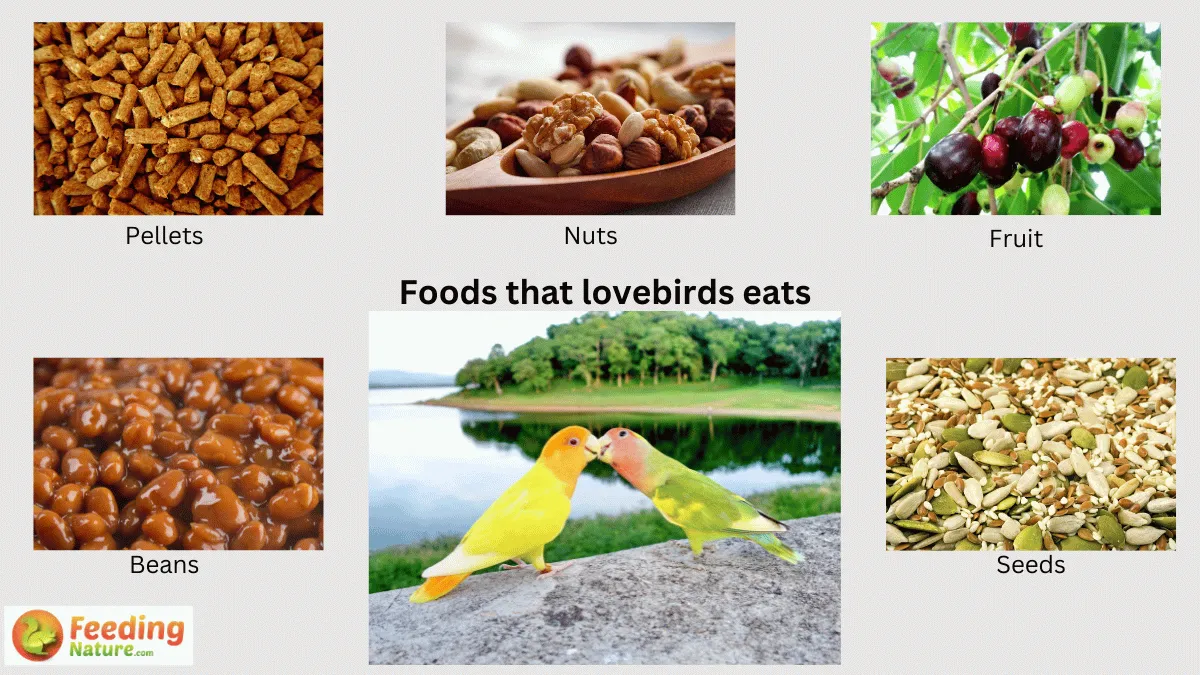
A balanced diet is crucial for the health and well-being of lovebirds. Providing a variety of nutritious foods ensures they receive the necessary vitamins, minerals, and nutrients for optimal growth, feather condition, and overall vitality. A proper diet contributes significantly to a lovebird’s longevity and happiness.A healthy diet for lovebirds is more than just seeds. While seeds form a portion of their diet, they should be supplemented with fruits, vegetables, and high-quality pellets to provide a complete and balanced nutritional profile.
A diverse diet, incorporating various food groups, promotes a robust immune system and supports their natural behaviors.
Importance of Seed-Based Diets
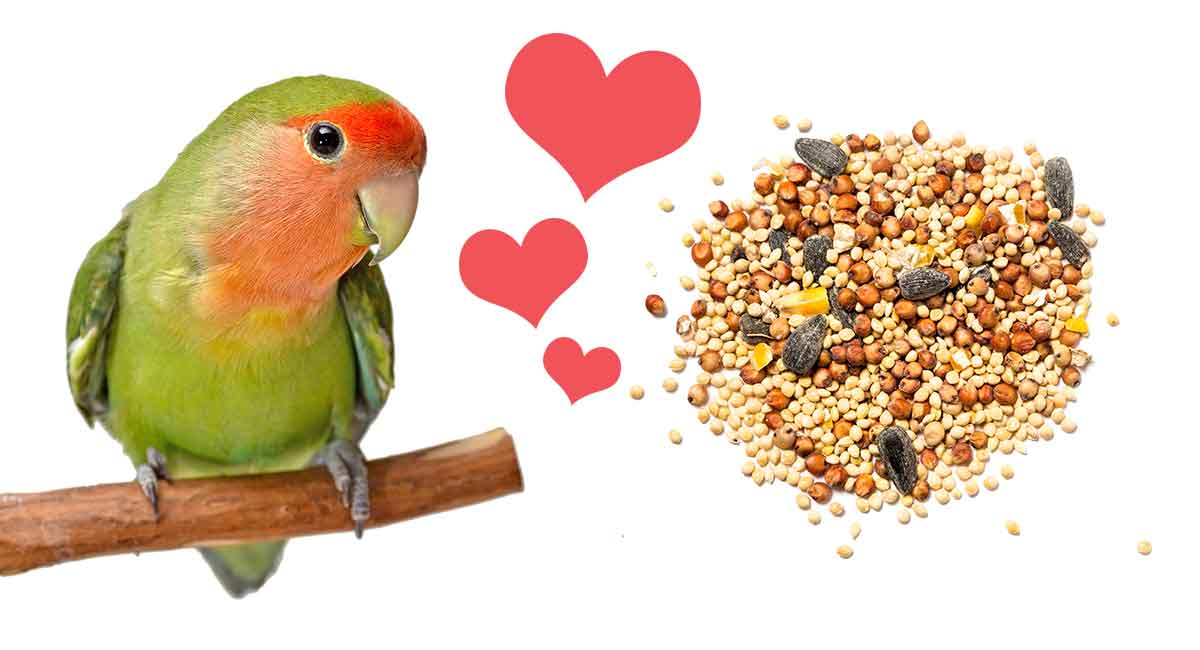
Seeds are a primary source of energy for lovebirds. They provide essential fats, proteins, and carbohydrates necessary for daily activities. A seed-based diet, however, should not be the sole component of a lovebird’s nutrition.
Different Seed Types and Nutritional Value
A variety of seeds offers a wider spectrum of nutrients. Different seeds provide varying amounts of protein, fats, and carbohydrates.
- Sunflower seeds are a good source of healthy fats and energy, but should be given in moderation due to their high calorie content.
- Safflower seeds provide a significant amount of healthy fats and are beneficial for maintaining skin and feather health.
- Mixed birdseed often includes various seeds, offering a blend of nutrients. However, it’s essential to ensure that the mix is appropriate for lovebirds and doesn’t contain harmful ingredients.
- Niger seeds, also known as thistle seeds, are a favorite of lovebirds. They are rich in nutrients and are a good source of protein.
Nutritional Value of Fruits and Vegetables
Fruits and vegetables provide essential vitamins, minerals, and antioxidants crucial for a lovebird’s overall health. They contribute to a balanced diet and help maintain a healthy digestive system.
- Berries, like blueberries and raspberries, are rich in antioxidants and vitamins.
- Apples, specifically the core and peel, offer dietary fiber and various nutrients.
- Bananas are a good source of potassium and carbohydrates.
- Carrots offer vitamins and dietary fiber, and should be given in moderation due to their sugar content.
- Spinach is a rich source of vitamins and minerals.
- Broccoli offers a variety of vitamins and minerals, promoting overall health.
Role of Pellets in a Lovebird’s Diet
High-quality bird pellets provide a balanced mix of nutrients, including vitamins, minerals, and proteins. They are designed to address the nutritional needs of lovebirds, supplementing their seed and fruit/vegetable intake.
- Pellets should be a significant part of the diet, often accounting for 30-50% of the daily food intake.
- Look for pellets specifically formulated for lovebirds, as they are designed to meet their unique nutritional requirements.
- Introducing pellets gradually is crucial to avoid digestive upset. Start by mixing a small amount with their usual diet and gradually increase the proportion.
Comparison of Nutritional Content of Different Seed Types
The table below provides a general comparison of the nutritional content of different seed types. Keep in mind that exact values can vary based on specific seed varieties and growing conditions.
| Seed Type | Protein (g/100g) | Fat (g/100g) | Carbohydrates (g/100g) |
|---|---|---|---|
| Sunflower Seeds | 20-25 | 45-50 | 20-25 |
| Safflower Seeds | 15-20 | 40-45 | 25-30 |
| Niger Seeds | 25-30 | 30-35 | 30-35 |
| Mixed Birdseed | 10-15 | 20-25 | 40-50 |
Feeding Frequency and Portions
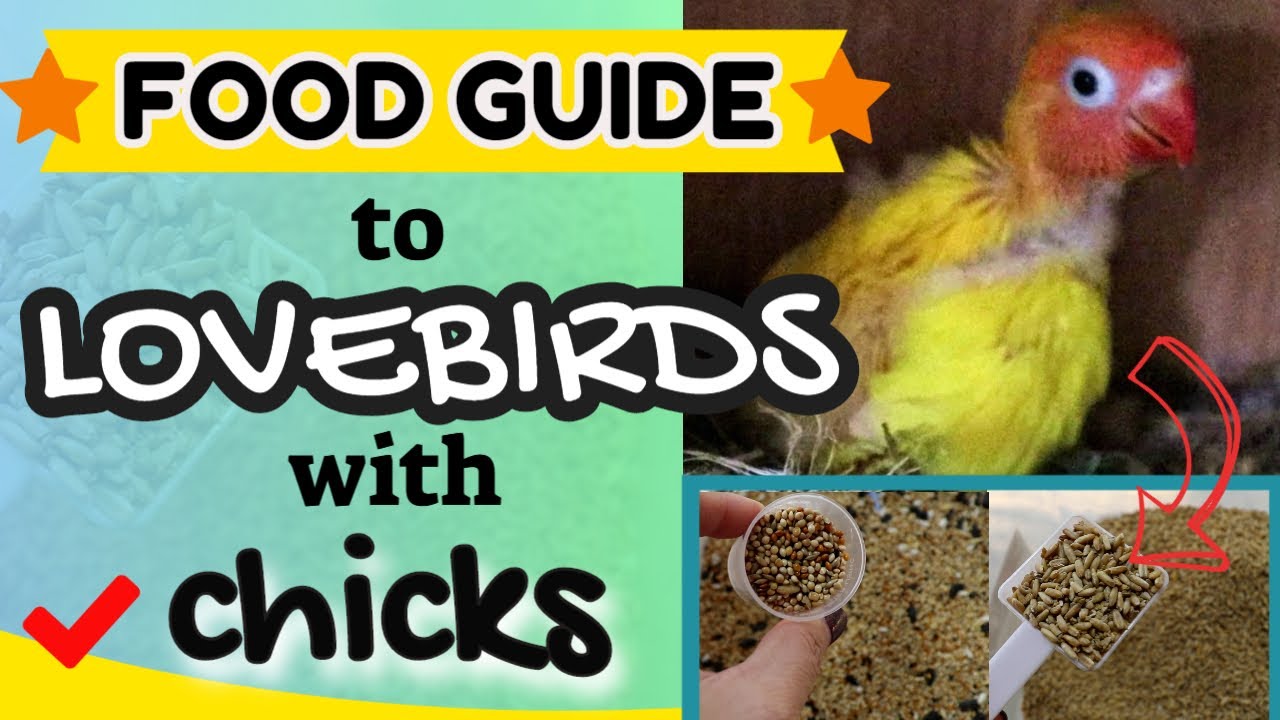
Proper feeding practices are crucial for the health and well-being of lovebirds. Consistent feeding schedules and appropriate portion sizes contribute significantly to their overall development and longevity. A balanced diet, coupled with appropriate feeding practices, promotes optimal physical condition and prevents potential health issues.Understanding the ideal feeding frequency and portion sizes is vital for ensuring your lovebird receives the necessary nutrients without overfeeding.
Monitoring their weight and body condition allows for adjustments to their diet, ensuring they maintain a healthy weight and optimal energy levels. This proactive approach prevents obesity, a common issue for birds that can lead to various health problems.
Determining Feeding Frequency
Lovebirds, like most birds, require frequent feeding throughout the day to maintain energy levels and digestive health. The specific feeding frequency depends on the age and activity level of the bird. Young birds generally require more frequent feeding than adults, as they are constantly growing and have higher metabolic rates. Active birds, those engaged in constant play and exploration, also require more frequent feedings.
Establishing Appropriate Portion Sizes
Accurately determining portion sizes is essential for maintaining a healthy weight in lovebirds. The ideal portion size varies depending on the bird’s size, age, activity level, and overall health. Overfeeding can lead to obesity, while underfeeding can result in malnutrition. Carefully observe the bird’s body condition. A healthy bird should have a visible waistline and a firm but not overly bony feel to the breastbone.
Avoid overfeeding by using a scale to measure portions.
Monitoring Weight and Body Condition
Regularly monitoring your lovebird’s weight and body condition is crucial for maintaining its health. A healthy lovebird will have a visible waistline and a firm but not overly bony feel to the breastbone. Fluctuations in weight or changes in body condition can indicate potential health problems or nutritional imbalances. Consult with an avian veterinarian if you notice significant changes.
Weighing your lovebird regularly and noting any changes in body condition allows you to adjust the feeding schedule accordingly.
Adjusting Feeding Schedules
Individual needs must be considered when creating a feeding schedule for lovebirds. Adjusting the feeding schedule based on the bird’s individual needs is crucial. Young birds, for example, may need more frequent feedings to support their growth, while older birds may require less. Active birds may need more frequent feedings than less active birds. Monitoring their behavior, weight, and overall health can provide crucial insight for tailoring the feeding schedule.
Feeding Schedule Guide
| Age/Activity Level | Feeding Frequency (per day) | Portion Size (estimated) |
|---|---|---|
| Young (under 1 year) | 3-4 times | Small, frequent portions |
| Adult (1-3 years) | 2-3 times | Moderate portions |
| Senior (over 3 years) | 2 times | Smaller portions |
| High Activity | More frequent feedings | Adjust portion sizes based on activity |
| Low Activity | Less frequent feedings | Reduce portion sizes |
Adjust portion sizes and feeding frequency as needed based on individual needs and observation of the bird’s weight and body condition. Consult with an avian veterinarian for specific recommendations.
Handling and Serving Food
Proper food presentation is crucial for lovebirds to enjoy their meals and for you to monitor their consumption. This section details the best ways to present food, prevent waste, maintain freshness, and safely handle your feathered friends during feeding time. A well-structured feeding routine can contribute significantly to their overall well-being.
Optimal Food Presentation
Lovebirds are naturally curious and enjoy exploring their food sources. Offering food in a variety of ways can stimulate their interest and encourage them to eat a wider range of nutrients. Avoid placing food directly on the cage floor, as this can lead to spills and contamination. Instead, use feeders designed for lovebirds or secure food in a dish or bowl that prevents scattering.
Preventing Food Waste and Ensuring Efficient Consumption
Lovebirds, like many small birds, can be picky eaters. To encourage consumption and minimize waste, ensure food is fresh and appealing. Offer a variety of foods to keep their diet interesting. Also, ensure the food is not overly dry or stale, as this can deter them from eating. Monitoring their preferences and adjusting feeding practices accordingly can greatly improve their enjoyment of their meals.
Maintaining Food Freshness and Safety
Freshness is paramount in lovebird nutrition. Use airtight containers to store leftover food, and refrigerate promptly. Change food and water daily, ensuring that the food remains at a safe temperature. Inspect food daily for signs of spoilage, mold, or unusual odors. Discard any food that shows signs of deterioration.
Serving Methods for Different Food Types
The appropriate serving method can influence a lovebird’s willingness to eat. Different foods require different presentation techniques.
| Food Type | Serving Method | Explanation |
|---|---|---|
| Seeds | Seed feeders, small bowls | Seed feeders prevent spills and allow birds to select their preferred seeds. Small bowls are good for smaller amounts of seeds. |
| Fruits and Vegetables | Cut into small pieces, placed in a shallow dish | Small pieces are easier for lovebirds to consume. A shallow dish prevents the food from becoming soggy. |
| Mealworms | Scattered on a perch or in a shallow dish | Scattered mealworms allow birds to forage and explore. |
| Pellets | Placed in a dedicated feeder or small bowl | Pellets should be readily accessible in a clean feeder. |
Handling Lovebirds During Feeding
Handling lovebirds should be done gently and carefully, particularly during feeding. Support the bird securely and avoid sudden movements. Use one hand to support the bird’s body, while the other hand handles the food or feeder. Avoid startling the bird. Always supervise feeding to ensure safety and prevent injuries.
Supplementing the Diet
A balanced diet is crucial for the health and well-being of lovebirds. While a nutritious seed mix and fresh vegetables provide a solid foundation, supplements can play a vital role in ensuring that your feathered friend receives all the necessary nutrients for optimal growth, vitality, and reproduction. These supplements can address specific nutritional needs and help maintain a healthy immune system.A complete and balanced diet is the foundation, but supplements can offer valuable added support for specific nutritional needs, especially during critical life stages like breeding, molting, or when the lovebird is recovering from illness.
They can be a powerful tool for addressing potential deficiencies and ensuring overall well-being.
Importance of Supplements
Supplements are not intended to replace a healthy diet but rather to supplement it. They are particularly beneficial for filling potential nutritional gaps in commercial diets or addressing specific needs of the bird. This can include supporting healthy growth, enhancing the immune system, or promoting reproductive health. The addition of appropriate supplements can positively impact the quality of life and longevity of lovebirds.
Suitable Supplements for Lovebirds
A variety of supplements can be beneficial for lovebirds, depending on their individual needs. Vitamin and mineral supplements are essential for maintaining overall health. Calcium supplements, for example, are crucial for strong bones and healthy eggshells, especially during breeding season. Protein supplements are also beneficial, especially during molting or for growing birds. Probiotics are beneficial for maintaining a healthy digestive system, which is essential for nutrient absorption.
Guidelines for Administering Supplements
Always follow the manufacturer’s instructions carefully regarding dosage and frequency. Overdosing can be harmful to the lovebird. Begin with a small amount and gradually adjust based on the bird’s response. Consistency in administration is key to ensuring the supplement’s effectiveness.
Mixing Supplements with Food
Mix supplements with the lovebird’s regular food, such as seeds, pellets, or vegetables. This makes it easier for the bird to consume the supplement and ensures it is well-integrated into the diet. Avoid adding supplements to fresh fruits or vegetables as this can alter their taste and make them less appealing to the bird.
Consulting a Veterinarian
It is essential to consult a veterinarian before introducing any new supplements to your lovebird’s diet. A veterinarian can assess your lovebird’s specific needs and recommend appropriate supplements, dosage, and frequency. They can also identify potential health issues that might be impacting the bird’s nutritional needs. This is especially important when the lovebird has specific dietary requirements or underlying health conditions.
Summary Table of Supplements
| Supplement | Purpose |
|---|---|
| Vitamin and Mineral Supplements | Support overall health, growth, and development. |
| Calcium Supplements | Promote strong bones and healthy eggshells, especially during breeding. |
| Protein Supplements | Essential for healthy growth and molting. |
| Probiotic Supplements | Maintain a healthy digestive system and nutrient absorption. |
Avoiding Harmful Foods
Proper nutrition is crucial for the health and well-being of lovebirds. A significant aspect of this is understanding which foods can be detrimental to their health. Carefully selecting appropriate food items is essential to ensure their longevity and prevent potential health issues.
Toxic and Harmful Foods
Lovebirds have sensitive digestive systems, and certain foods can be toxic or cause severe health problems. It is imperative to avoid these foods to maintain their well-being. A comprehensive understanding of harmful substances will enable responsible bird owners to provide a safe and healthy environment for their feathered companions.
Foods to Strictly Avoid
A crucial aspect of responsible lovebird ownership is recognizing and avoiding foods that can be harmful to their health. This list details substances known to pose risks to their well-being. These precautions help ensure their long-term health and happiness.
- Chocolate: Chocolate contains theobromine, a substance toxic to birds. The severity of the reaction depends on the amount ingested and the type of chocolate. Dark chocolate is particularly hazardous.
- Avocado: Avocados contain persin, a toxin that can cause digestive upset and other health issues in birds.
- Grapes and Raisins: Grapes and raisins, even in small quantities, can be toxic to birds and can lead to kidney failure.
- Salty foods: Excessive salt intake can lead to dehydration and other health problems. Avoid foods like chips, pretzels, and other processed snacks.
- Alcohol: Alcohol is extremely harmful to birds and should never be given to them.
- Caffeine: Caffeine, found in coffee, tea, and some sodas, can cause restlessness, tremors, and other issues.
- Onions and Garlic: Onions and garlic contain compounds that can damage red blood cells, leading to anemia and other health complications.
- Macadamia Nuts: Macadamia nuts are toxic to birds and should be avoided at all costs.
- Certain seeds: Some seeds, like those of sunflowers and pumpkins, can cause digestive upset if eaten in excess.
- Processed foods: Avoid processed foods, as they often contain ingredients that can be harmful to birds’ health, including excessive sugar, salt, and preservatives.
- Raw beans, seeds, and nuts: These foods, if eaten in excess, can cause digestive distress.
Potential Health Consequences
Feeding lovebirds harmful foods can lead to a range of health problems. The severity of these consequences varies depending on the specific food and the quantity ingested. Prompt veterinary attention is crucial if you suspect your lovebird has ingested a harmful substance.
- Digestive issues: Diarrhea, vomiting, and other digestive problems can occur when birds consume toxic substances.
- Kidney damage: Grapes and raisins, in particular, can cause acute kidney failure.
- Nervous system problems: Chocolate and caffeine can lead to restlessness, tremors, and seizures.
- Anemia: Onions and garlic can damage red blood cells, causing anemia.
- Death: In severe cases, ingesting harmful foods can be fatal.
Safe vs. Unsafe Foods for Lovebirds
Differentiating between safe and unsafe foods is crucial for maintaining the health of your lovebirds. The following table provides a clear comparison to aid in responsible feeding practices.
| Safe Foods | Unsafe Foods |
|---|---|
| Fruits (apples, berries, bananas, etc.) | Chocolate |
| Vegetables (carrots, leafy greens, etc.) | Avocado |
| Cooked grains (oatmeal, rice, etc.) | Grapes and raisins |
| Seeds (appropriate bird seed mix) | Salty foods |
| Hard-boiled eggs (plain) | Alcohol |
| Small amounts of cooked chicken (no bones) | Caffeine |
| Commercial bird pellets | Onions and Garlic |
| Small amounts of unsalted nuts | Macadamia nuts |
Troubleshooting Feeding Issues
Proper feeding is crucial for the health and well-being of your lovebirds. Recognizing and addressing feeding problems promptly can prevent serious health issues. Understanding potential causes and solutions empowers you to provide the best possible care for your feathered companions.
Common Feeding Problems in Lovebirds
Lovebirds, like all birds, can exhibit various feeding behaviors that deviate from the norm. These deviations can stem from a range of factors, including dietary imbalances, underlying health conditions, or even stress. Recognizing these patterns is the first step towards providing effective solutions.
Potential Causes of Feeding Problems
Several factors can contribute to feeding problems in lovebirds. Dietary imbalances, such as a lack of essential nutrients or an overabundance of certain foods, can lead to various issues. Underlying health problems, including infections or digestive disorders, can also affect appetite and eating habits. Stress, environmental changes, or even a change in the person handling the bird can impact feeding patterns.
It is important to consider all possible factors when investigating feeding issues.
Signs of Nutritional Deficiencies or Imbalances
Identifying signs of nutritional deficiencies or imbalances is crucial for prompt intervention. Changes in appetite, lethargy, or abnormal feather growth can indicate nutritional problems. A lovebird that suddenly stops eating or shows signs of weight loss should be evaluated for potential health issues. Changes in droppings, such as unusual color or consistency, can also suggest underlying problems.
Monitoring these signs will assist in early detection and effective treatment.
Steps to Take When Addressing Feeding Issues
Addressing feeding problems in lovebirds requires a systematic approach. Firstly, carefully observe the bird’s behavior and eating patterns. Note any changes in appetite, droppings, or overall activity levels. Secondly, consult with an avian veterinarian. They can diagnose any underlying health issues and recommend appropriate dietary adjustments or medications.
Thirdly, adjust the diet to meet the bird’s specific needs, addressing any potential dietary imbalances or deficiencies. Finally, monitor the bird’s progress closely and make necessary adjustments to the feeding plan as needed.
Table of Potential Feeding Issues and Solutions
| Feeding Issue | Potential Causes | Possible Solutions |
|---|---|---|
| Loss of Appetite | Illness, stress, dietary changes, or digestive problems | Consult a veterinarian, adjust diet gradually, offer a variety of palatable foods, monitor for signs of illness. |
| Overeating | Boredom, lack of suitable enrichment, or an abundance of highly palatable food | Provide stimulating activities, adjust portion sizes, offer a balanced diet, and increase exercise opportunities. |
| Picky Eating | Dietary monotony, lack of variety, or underlying health issues | Introduce a diverse range of fresh, nutritious foods, offer different textures and flavors, consult a veterinarian to rule out underlying problems. |
| Droppings with unusual color or consistency | Dietary indiscretions, infections, or digestive issues | Consult a veterinarian, adjust diet, monitor for signs of illness, provide fresh water. |
| Feather plucking | Stress, boredom, or nutritional deficiencies | Provide enrichment items, adjust diet to include necessary nutrients, consult a veterinarian to rule out underlying health conditions. |
Creating a Healthy Lovebird Habitat
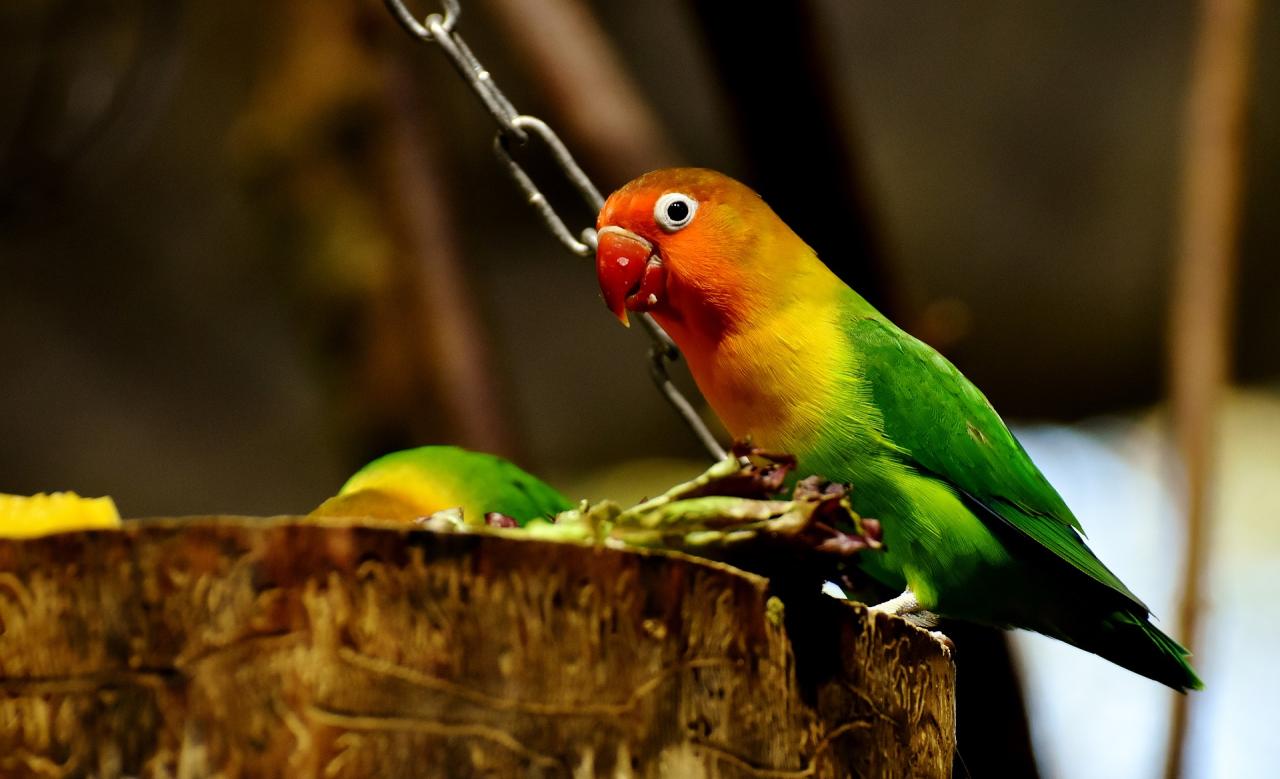
A healthy lovebird habitat is paramount to their well-being and happiness. Providing a safe, stimulating, and clean environment directly impacts their physical and mental health, influencing their overall quality of life. This encompasses more than just a cage; it’s about creating a space that mirrors their natural environment and allows them to thrive.A well-designed habitat fosters a sense of security and exploration for lovebirds, enabling them to engage in natural behaviors like foraging, preening, and interacting with their surroundings.
This, in turn, contributes to their overall mental and physical health. A stimulating environment reduces stress and boredom, which can lead to behavioral issues.
Importance of a Clean and Safe Environment
A clean habitat is crucial for preventing the spread of diseases and ensuring the comfort of your lovebirds. Regular cleaning removes potential sources of illness and keeps their environment fresh and hygienic. This directly contributes to their well-being, preventing infections and ensuring they are in optimal condition to thrive.
Importance of a Comfortable and Enriching Environment
Lovebirds are naturally inquisitive and active birds. A stimulating environment encourages natural behaviors, promotes mental well-being, and prevents boredom. Providing opportunities for exploration and interaction within their enclosure is essential to their happiness. This includes varied perches and toys that engage their minds and bodies.
Appropriate Perches and Toys
Providing a variety of perches is vital. Lovebirds need different textures and sizes for their feet and to support their natural movements. Soft, smooth perches should be avoided, as they can cause foot injuries. The perches should also be strong enough to support the birds’ weight without breaking. Similarly, toys should be engaging and stimulate their natural behaviors, such as foraging and chewing.
These should be appropriate in size and non-toxic to prevent harm.
Enriching Items for a Lovebird Habitat
Providing a diverse range of enriching items in the habitat can significantly improve a lovebird’s quality of life. These items should be regularly rotated to maintain interest.
| Enrichment Item | Description | Benefits |
|---|---|---|
| Natural Branches | Offer varied textures and chewing opportunities, mimicking natural foraging behaviors. | Stimulates natural behaviors, provides mental stimulation, and helps maintain healthy beaks and claws. |
| Foraging Toys | Toys designed with hidden treats or seeds that require problem-solving to access. | Stimulates natural foraging instincts, encourages problem-solving, and provides mental enrichment. |
| Mirrors (with caution) | Can provide a sense of companionship, but use with care to avoid excessive stress. | Potential for interaction and companionship, but must be monitored for signs of stress. |
| Wooden Chewing Toys | Offer opportunities for chewing and exploration, promoting healthy beak wear. | Supports healthy beak wear, prevents boredom, and satisfies a natural chewing instinct. |
| Puzzle Toys | Challenge their problem-solving abilities and provide a source of entertainment. | Encourages mental stimulation, problem-solving skills, and prevents boredom. |
Keeping a Lovebird’s Living Space Clean
Maintaining a clean living space is vital for the health and well-being of lovebirds. A routine cleaning schedule is recommended to prevent the build-up of waste, which can attract pests and harbor disease-causing organisms. Regular cleaning will ensure a comfortable environment for your lovebirds.
“A clean and stimulating environment is as important to a lovebird’s health as a balanced diet.”
Regular cleaning involves removing soiled food and water dishes, wiping down perches and toys, and thoroughly cleaning the cage at least once a week. This process should include disinfecting the cage with a suitable, bird-safe cleaner. Following this routine helps maintain a healthy and hygienic environment.
Ending Remarks
In conclusion, providing a well-rounded diet for your lovebirds is paramount to their overall health and happiness. By understanding their dietary needs, and adhering to proper feeding practices, you can ensure your feathered companions live long and fulfilling lives. Remember to consult a veterinarian for personalized advice and address any concerns promptly.