Feeding parakeets correctly is crucial for their health and happiness. This guide provides a comprehensive overview of their dietary needs, from essential foods to potential pitfalls. We’ll explore various aspects, including seed-based diets, fruits and vegetables, supplements, and feeding techniques. Understanding these details ensures your feathered friend thrives.
A well-balanced diet is the cornerstone of a parakeet’s well-being. This comprehensive guide will equip you with the knowledge to provide your parakeet with the nutrients they need to flourish, offering detailed information on appropriate foods, feeding schedules, and potential problems. We’ll also touch on essential aspects like water requirements and preventing dietary issues.
Parakeet Diet Basics
A proper diet is crucial for the health and well-being of your parakeet. A balanced diet provides essential nutrients, supports optimal growth, and promotes a long and happy life for your feathered friend. Understanding the specific nutritional needs of parakeets ensures they receive the right mix of nutrients for a healthy lifestyle.A comprehensive diet plan should encompass a variety of foods, ensuring your parakeet receives the necessary vitamins, minerals, and proteins.
It’s not just about what to feed, but also how much and when to feed. This guide will provide you with the necessary information to create a healthy and nutritious diet for your parakeet.
Appropriate Foods for Parakeets
A well-rounded diet for parakeets includes a variety of foods. This ensures a comprehensive intake of essential nutrients, preventing deficiencies and promoting overall health.
- Seeds: Parakeets are naturally seed-eaters, and a small amount of high-quality seed mix forms a foundation of their diet. Ensure the seed mix is formulated for small birds and contains a balanced blend of seeds, not just sunflower seeds. Avoid mixes with excessive amounts of fillers or inferior-quality seeds.
- Fruits: Offer small, bite-sized pieces of various fruits like berries, melon, apples (without seeds), and bananas. These provide vitamins, minerals, and antioxidants. Introduce fruits gradually to avoid digestive upset. Always remove any spoiled or damaged fruits immediately.
- Vegetables: Leafy greens like kale, spinach, and romaine lettuce provide essential vitamins and minerals. Offer small quantities of chopped vegetables, such as carrots, bell peppers (avoiding the seeds and stems), and zucchini. Vegetables can be introduced gradually as well.
- Greens and Sprouts: Parakeets can benefit from fresh greens and sprouts like alfalfa, and clover. These offer vitamins and minerals. These items are excellent additions to the diet, providing additional nutrients.
- Protein Sources: Small amounts of cooked, plain, lean meats (such as cooked chicken or turkey, or hard-boiled egg) can be offered occasionally as a protein source, but should not be a staple of the diet.
- Commercial Parakeet Food: High-quality commercial parrot food can provide a balanced nutritional foundation. Select a product formulated specifically for small birds. These are formulated to meet the specific nutritional requirements of parakeets.
Nutritional Needs of Parakeets
Parakeets require a specific blend of nutrients for optimal health. Their dietary needs change depending on their age, activity level, and overall health.
- Vitamins and Minerals: Vitamins and minerals are essential for various bodily functions. A varied diet, including fruits, vegetables, and greens, can provide these vital nutrients. Ensure the seed mix you provide is a high-quality mix and not just a filler.
- Protein: Protein supports growth and repair of tissues. Occasional additions of lean protein sources are beneficial. Do not rely on protein-rich foods as the primary source of nutrition for your parakeet.
- Fats: Healthy fats are crucial for energy and overall well-being. These are found in certain seeds, fruits, and vegetables. However, avoid overfeeding high-fat foods.
Healthy vs. Unhealthy Foods
Understanding the difference between healthy and unhealthy foods is vital for your parakeet’s well-being.
- Healthy Foods: Offer a variety of fruits, vegetables, seeds, and greens, as detailed in the previous sections.
- Unhealthy Foods: Avoid foods that can be harmful to your parakeet, such as chocolate, avocado, onion, garlic, and foods with high salt content. These foods can cause digestive upset or even be toxic to your feathered friend.
Importance of a Balanced Diet
A balanced diet is paramount for a parakeet’s long and healthy life. A diverse range of foods ensures they receive the necessary nutrients for proper development, maintaining energy levels, and avoiding potential health issues.
Sample Daily Feeding Schedule
A sample daily feeding schedule for a parakeet, keeping in mind that individual needs may vary.
| Time | Food |
|---|---|
| Morning (7:00 AM) | Seed mix (1 tablespoon) |
| Mid-morning (10:00 AM) | Small portion of chopped vegetables (e.g., carrots, bell peppers) |
| Afternoon (1:00 PM) | Small piece of fruit (e.g., berry) |
| Evening (6:00 PM) | Small portion of seed mix (1 tablespoon) |
| Night (9:00 PM) | Small amount of greens |
Seed-Based Diets
A seed-based diet is a common, readily available, and often convenient option for parakeet owners. However, understanding the different types of seeds, their nutritional profiles, and the potential pitfalls of relying solely on seeds is crucial for ensuring the well-being of your feathered friend. A balanced diet, incorporating a variety of seeds and supplementary foods, is essential for a healthy and vibrant parakeet.A seed-only diet, while sometimes used, can be nutritionally inadequate for parakeets.
This is because seeds, though a source of energy, often lack essential vitamins, minerals, and protein. Parakeets require a broader spectrum of nutrients for optimal health, including vitamins A, D3, and E, as well as minerals like calcium and phosphorus.
Types of Parrot Seeds and Their Nutritional Values
Parakeets can thrive on a variety of seeds, each with a unique nutritional profile. Sunflower seeds, for example, are a good source of healthy fats, while canary seeds offer a boost of protein and vitamins. Different seed types provide various levels of nutrients.
Importance of Seed Variety
A diverse seed mix is vital for providing a balanced intake of essential nutrients. A single seed type may offer some nutrients, but not the complete nutritional spectrum required by a parakeet. By offering a mix, you provide a wider range of vitamins, minerals, and proteins. This approach ensures that your parakeet receives the full range of nutrients needed for proper growth, development, and overall well-being.
Potential Downsides of a Seed-Only Diet and Mitigation Strategies
A seed-only diet can lead to nutritional deficiencies, particularly in essential vitamins and minerals. This can manifest as dull feathers, reduced activity, and a weakened immune system. To mitigate these downsides, owners should supplement their parakeets’ diets with fresh vegetables, fruits, and pellets, providing a complete nutritional profile. This will also encourage more varied eating habits.
Appropriate Proportions of Different Seeds in a Balanced Diet
No single perfect ratio exists, as individual parakeets have differing needs. However, a general guideline is to offer a variety of seeds, ensuring that each type is present in the mix. Sunflower seeds, for example, could make up a moderate portion of the mix. A small portion of canary seeds, a source of vitamins and protein, should also be included.
Other seeds like millet seeds can be included to provide additional nutrients and taste variety. The proportion of each seed type in a balanced mix can be adjusted based on the observed needs of the individual parakeet.
Nutritional Content Comparison of Different Seed Types
| Seed Type | Protein (g/100g) | Fat (g/100g) | Calcium (mg/100g) | Vitamin E (mg/100g) |
|---|---|---|---|---|
| Sunflower Seeds | 20 | 45 | 20 | 10 |
| Canary Seeds | 15 | 25 | 15 | 5 |
| Millet Seeds | 10 | 18 | 10 | 3 |
Note: Nutritional values may vary depending on the specific seed type and growing conditions. Always consult with an avian veterinarian for personalized dietary advice.
Fruits and Vegetables
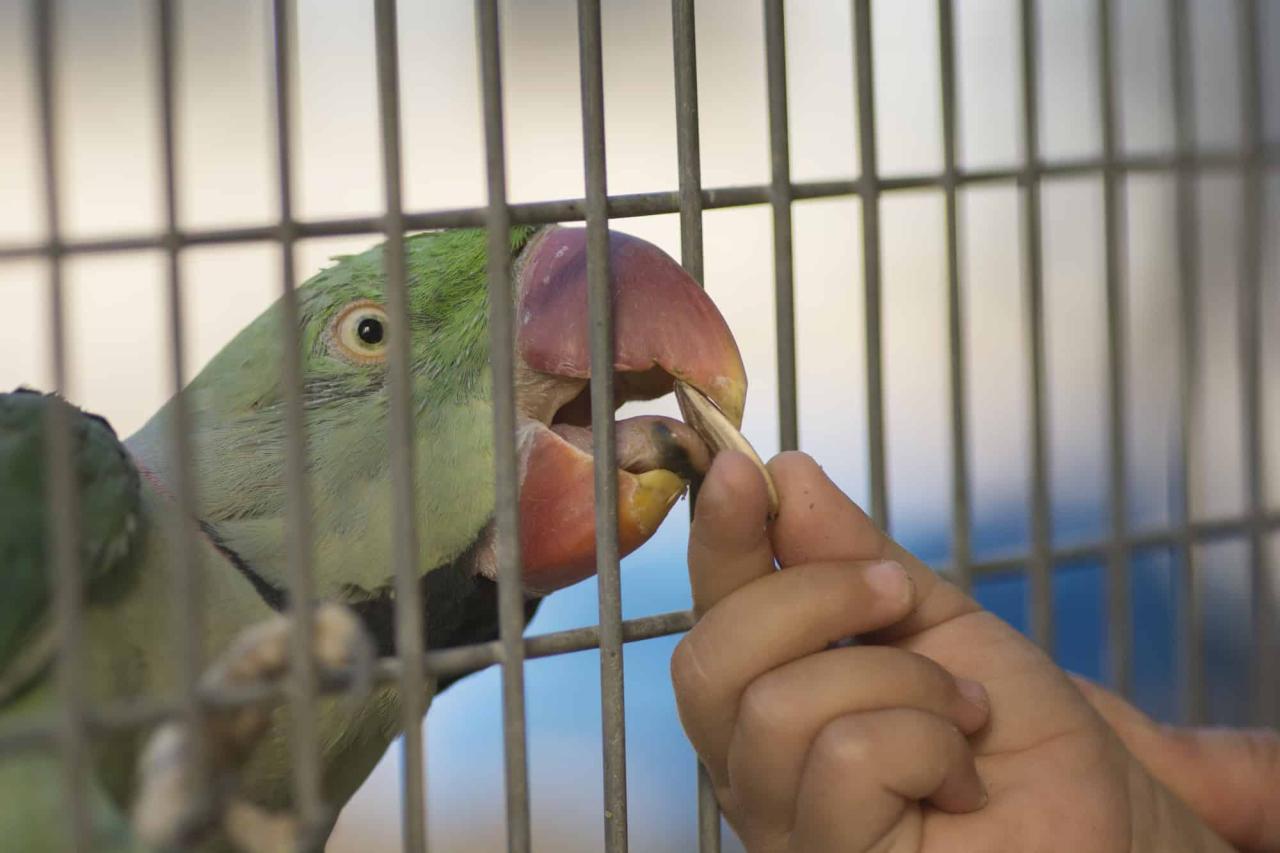
A varied diet is crucial for the well-being of your parakeet, and fruits and vegetables play a vital role in supplementing their seed-based diet. These additions provide essential vitamins, minerals, and antioxidants, promoting overall health and a vibrant plumage. Incorporating these nutritional powerhouses into their daily routine can significantly enhance their quality of life.Providing a diverse range of fruits and vegetables helps ensure your parakeet receives a balanced intake of essential nutrients.
These foods offer a natural source of vitamins, minerals, and antioxidants that are not readily available in seed-based diets alone. Remember to always supervise your parakeet while they are eating and ensure that the portions are appropriate for their size and activity level.
Safe Fruits and Vegetables
A wide selection of fruits and vegetables can be offered to parakeets, enriching their dietary experience and promoting good health. These options provide essential nutrients, and by rotating the choices, you can maintain their interest and ensure a varied intake.
- Berries (strawberries, blueberries, raspberries, cranberries): These small fruits are packed with antioxidants and offer a delightful treat for parakeets. They can be served whole or cut into small, manageable pieces.
- Melons (watermelon, cantaloupe, honeydew): These hydrating fruits provide essential vitamins and minerals. They should be cut into small, bite-sized pieces to prevent choking hazards. Care should be taken to remove any seeds or rind.
- Citrus fruits (orange, grapefruit, lemon): Citrus fruits contain vitamin C, beneficial for immune function, but should be offered in moderation. Always remove any seeds or pith.
- Apples (without seeds): Apples are a good source of fiber and antioxidants. Remove the core and cut into small pieces. Always supervise your parakeet.
- Bananas (without peel): Bananas are a good source of potassium. Offer small, manageable pieces, ensuring no choking hazards.
- Carrots (cooked): Carrots are a great source of vitamin A, which supports eye health. They should be cooked to soften them, and always remove any dirt or debris.
- Spinach (cooked): Spinach provides essential vitamins and minerals. It should be cooked to reduce the oxalic acid content, which can interfere with calcium absorption. Provide in moderation.
- Broccoli (cooked): Cooked broccoli is a good source of vitamins and fiber. Always remove any stems or tough parts and cut into small, manageable pieces.
Preparing and Serving Fruits and Vegetables
Proper preparation is crucial to ensure your parakeet’s safety and enjoyment. Always wash fruits and vegetables thoroughly before offering them to your bird. This step removes any pesticides or dirt.
- Washing: Thoroughly wash all fruits and vegetables under running water to remove any dirt or residue. Pay special attention to produce with tough exteriors.
- Cutting: Cut fruits and vegetables into small, manageable pieces to prevent choking. The size should be appropriate for your parakeet’s beak and swallowing ability.
- Serving: Offer fresh, prepared fruits and vegetables in a shallow dish or on a small plate. Avoid dishes that are too deep, which could make it harder for your parakeet to access the food.
Importance of Washing and Preparation
Thorough washing and preparation of fruits and vegetables is critical for parakeet health. This prevents the ingestion of harmful substances like pesticides and bacteria. Proper preparation also minimizes the risk of choking hazards.
| Fruit/Vegetable | Benefits |
|---|---|
| Strawberries | Antioxidants, vitamins |
| Blueberries | Antioxidants, vitamins |
| Carrots | Vitamin A, fiber |
| Spinach | Vitamins, minerals |
| Broccoli | Vitamins, fiber |
| Apples | Fiber, antioxidants |
Supplements and Treats
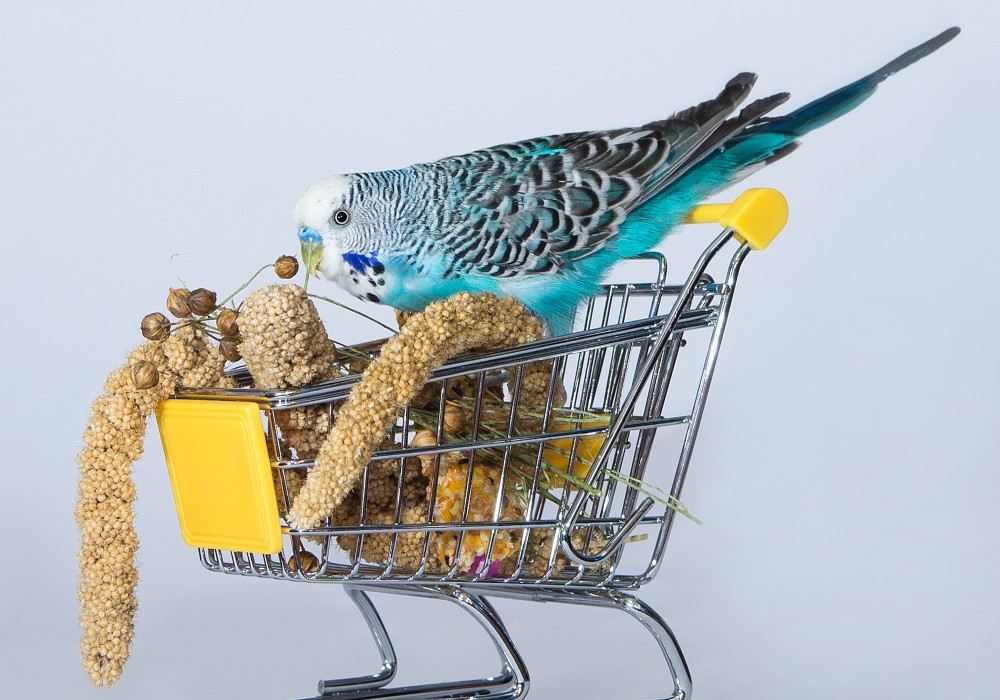
Parakeets, like all animals, have specific nutritional needs. While a well-balanced diet of seeds, fruits, and vegetables typically provides most of these needs, certain supplements might be necessary in specific circumstances. Treats, while enjoyable for your feathered friend, should be offered in moderation. Understanding when and how to use supplements and treats is crucial for maintaining a healthy and happy parakeet.A well-formulated diet comprising a variety of seeds, fresh produce, and occasional treats typically meets the nutritional requirements of a parakeet.
However, certain situations, like illness or specific dietary requirements, may necessitate the addition of supplements. Always consult with an avian veterinarian before introducing any supplements to your parakeet’s diet.
Supplement Necessity
Parakeets generally do not require dietary supplements if they receive a varied diet. However, some situations may warrant supplementation. For example, a parakeet recovering from illness or experiencing a dietary deficiency might benefit from a short-term supplement. Consult a veterinarian for specific recommendations. Supplements should never replace a well-balanced diet.
Treats in Moderation
Treats can be a valuable part of a parakeet’s enrichment, providing both mental and physical stimulation. However, treats should always be offered in moderation. Too many treats can lead to obesity and other health problems. It’s essential to balance the nutritional value of treats with the overall diet.
Safe and Healthy Treats
A variety of safe and healthy treats can be offered to parakeets in moderation. These include small pieces of cooked, unsalted vegetables like carrots, sweet potato, or zucchini. Fresh, small amounts of berries, melons, and apples can also be given occasionally. Ensure all treats are cut into small, manageable pieces. Avoid treats that are potentially harmful, like chocolate, avocado, or onion.
Introducing New Foods
Introducing new foods gradually is crucial. Begin by offering a tiny amount of the new food alongside the parakeet’s regular diet. Monitor the parakeet’s reaction and adjust accordingly. If the parakeet shows any signs of discomfort, discontinue the new food. This approach helps prevent digestive upset.
Safe Treats Table
| Treat | Nutritional Value (approximate) | Notes |
|---|---|---|
| Small pieces of cooked carrots | Vitamins, minerals, fiber | Remove any seasonings or spices. |
| Small pieces of cooked sweet potato | Vitamins, fiber, antioxidants | Ensure no added sugar or salt. |
| Small pieces of cooked zucchini | Vitamins, minerals, water | Remove any seasonings or spices. |
| Small pieces of berries (strawberries, blueberries) | Antioxidants, vitamins | Offer in small amounts. |
| Small pieces of melon (cantaloupe, honeydew) | Vitamins, water | Offer in small amounts. |
| Small pieces of apple (without core or seeds) | Vitamins, fiber | Offer in small amounts. |
Feeding Techniques and Tools
Proper feeding techniques are crucial for ensuring the health and well-being of your parakeet. Choosing the right methods and tools not only delivers nutrition effectively but also minimizes stress and promotes a positive feeding experience for your feathered friend. Understanding different feeding approaches allows you to tailor your approach to your parakeet’s specific needs and preferences.Effective feeding goes beyond simply placing food in a bowl.
It involves understanding your parakeet’s natural foraging behaviors and providing a comfortable and enriching experience. This section will explore various feeding methods, highlighting the optimal tools for each and strategies to prevent food waste.
Hand-Feeding
Hand-feeding, a popular method for parakeets, fosters a strong bond between you and your bird. It allows for direct interaction and helps in identifying any dietary issues or preferences early on. By using your hands to present food, you can ensure your parakeet receives the right amount and type of food. However, it requires patience and consistency, as parakeets may take time to adjust.
Hand-feeding can be used to introduce new foods, especially fruits and vegetables.
Bowl Feeding
Bowl feeding is a straightforward and widely used method for providing food to parakeets. It’s an excellent option for beginners and for daily feeding routines. Choosing the right bowl size and shape is crucial for preventing food waste and ensuring your parakeet can access all the food. The proper bowl size and shape directly impact the parakeet’s ability to eat comfortably and efficiently.
Other Feeding Methods
Beyond hand-feeding and bowl feeding, other feeding methods exist, including foraging toys and puzzle feeders. These methods offer enrichment and encourage natural foraging behaviors. Foraging toys can be filled with seeds, pellets, or treats, stimulating your parakeet’s natural foraging instincts. Puzzle feeders provide an engaging way to present food, requiring the bird to work for its meal.
Appropriate Feeding Tools
Selecting the right tools is critical for successful feeding. For example, using a shallow bowl for larger seeds can prevent them from getting stuck or spilled. Using small tongs or tweezers can help deliver small treats or fruits, especially when introducing new foods. The shape and size of feeding tools significantly influence how easily your parakeet can consume its food.
Ideal Food Bowl Size and Shape
The ideal food bowl size for a parakeet is crucial for preventing waste and ensuring accessibility. A bowl that is too large can lead to spillage and waste, while a bowl that is too small may make it difficult for the bird to eat comfortably. The bowl should be shallow enough to allow the parakeet to easily reach all the food, and wide enough to prevent the bird from feeling cramped.
The shape of the bowl should be designed to prevent the food from getting stuck or spilling out.
Preventing Food Waste and Spillage
To minimize food waste and spillage, ensure that the food bowl is placed in a stable location, away from potential sources of disturbance. Regular cleaning of the food bowl and the surrounding area can help prevent the buildup of food particles and unwanted odors. Observe your parakeet’s eating habits and adjust the feeding schedule or portion sizes accordingly.
Thoroughly inspecting the bowl for food waste after each feeding will help you identify any potential problems early.
Table of Feeding Methods and Tools
| Feeding Method | Best Tools | Notes |
|---|---|---|
| Hand-feeding | Tongs, tweezers, small dishes | Fosters bonding, allows precise food delivery |
| Bowl Feeding | Shallow, wide bowls | Easy for daily feeding; appropriate bowl size is essential |
| Foraging Toys | Foraging toys, puzzle feeders | Encourages natural foraging, provides enrichment |
Common Feeding Mistakes

Proper nutrition is crucial for the health and well-being of parakeets. However, pet owners sometimes make mistakes that can negatively impact their feathered companions. Understanding these common errors is essential for providing the best possible care.Incorrect dietary choices can lead to various health problems, ranging from mild discomfort to serious illnesses. A balanced diet is key to ensuring your parakeet thrives.
Overfeeding
Overfeeding is a frequent error that can lead to obesity in parakeets. Obesity can cause numerous health issues, including joint problems, heart disease, and respiratory distress. A parakeet’s nutritional needs are specific, and exceeding those requirements can result in adverse effects.
- Providing excessive amounts of high-calorie treats, such as seeds or nuts, can quickly lead to weight gain.
- A diet that prioritizes seeds over fruits and vegetables contributes to an imbalanced nutrient intake, potentially leading to nutritional deficiencies.
- Parakeets with access to unlimited food will often overeat, even if their daily nutritional needs are met.
Inadequate Variety
A monotonous diet, comprised mainly of seeds, can cause nutritional deficiencies. Parakeets require a diverse range of nutrients to maintain optimal health. Providing a limited diet restricts their access to essential vitamins and minerals.
- A diet consisting primarily of seeds often lacks crucial vitamins and minerals, potentially resulting in skeletal problems, feather loss, and weakened immune systems.
- The nutritional value of seeds is not sufficient to fulfill all of a parakeet’s nutritional requirements.
- A varied diet, including fruits, vegetables, and pellets, provides the necessary nutrients for overall health and well-being.
Ignoring Water Needs
Clean, fresh water is essential for a parakeet’s survival. Dehydration can have severe consequences for their health. Water is crucial for digestion, maintaining body temperature, and carrying nutrients throughout the body.
- A parakeet that consistently lacks access to clean water may experience dehydration, impacting their overall health and potentially leading to serious complications.
- Regularly changing the water in their bowl is critical to preventing the growth of bacteria and maintaining a healthy drinking environment.
- Providing multiple water sources can ensure access to water at all times.
Ignoring Dietary Needs Based on Age and Health
Parakeets’ nutritional requirements change depending on their age and health status. Providing the right balance for their particular needs is essential for optimal care.
- Young parakeets have different nutritional needs than adults.
- Parakeets with pre-existing conditions, such as respiratory problems, may require a specific diet to support their recovery.
- Consult a veterinarian for personalized dietary recommendations based on the parakeet’s age, breed, and any health concerns.
Incorrect Feeding Techniques
Improper feeding techniques can also negatively impact a parakeet’s health. Careful consideration of feeding methods is crucial.
- Feeding too frequently or in large quantities can lead to digestive issues.
- Avoid using large, shallow dishes, as food can become contaminated or spoil quickly.
- Use small, shallow dishes to prevent food from becoming soiled.
Recognizing Malnutrition and Overfeeding
Observing your parakeet’s behavior and appearance is key to identifying potential problems.
- Signs of malnutrition include lethargy, ruffled feathers, and poor appetite.
- Overfeeding is often accompanied by weight gain, difficulty moving, and decreased activity levels.
- Consult a veterinarian for diagnosis and treatment.
Importance of Veterinary Consultation
Regular veterinary checkups are essential for monitoring your parakeet’s health. Veterinarians can provide tailored dietary advice.
- A veterinarian can assess your parakeet’s overall health and identify any underlying issues.
- They can provide personalized recommendations for a balanced diet based on your parakeet’s individual needs.
- Regular check-ups help prevent potential health problems.
Troubleshooting Feeding Issues
Proper nutrition is crucial for the health and well-being of parakeets. Understanding and addressing feeding problems can prevent serious health complications. This section details common issues and effective solutions, empowering you to provide the best possible care for your feathered friend.Addressing dietary concerns promptly can prevent long-term health issues. Early intervention and proactive problem-solving are essential to maintaining your parakeet’s overall health.
Observing your parakeet’s eating habits and identifying potential causes of feeding problems are key steps in providing appropriate care.
Identifying Picky Eating
Parakeets, like many other birds, can exhibit picky eating habits. This can stem from various factors, including boredom, changes in environment, or underlying health concerns. A gradual transition to a new food type is often recommended to avoid sudden rejection.
Refusal to Eat
A parakeet’s refusal to eat can signal a serious issue. This can be a symptom of illness, discomfort, or stress. A complete refusal to eat warrants immediate veterinary attention. It’s important to monitor other symptoms like lethargy, changes in droppings, or unusual behavior alongside the refusal to eat.
Addressing Dietary Issues
Dietary issues in parakeets can stem from a variety of factors. Ensuring a balanced diet with appropriate proportions of seeds, fruits, vegetables, and supplements is crucial. Adjustments to the diet, such as introducing new foods gradually, or altering the feeding schedule, can help.
Recognizing Digestive Problems
Digestive problems, often linked to dietary indiscretions, can manifest in various ways. Changes in droppings, such as diarrhea, constipation, or unusual color, can indicate dietary issues. Also, lethargy, loss of appetite, and ruffled feathers are common symptoms. It is important to understand that the type and frequency of droppings can be indicative of a potential problem.
Identifying Underlying Health Issues
Underlying health problems can significantly impact a parakeet’s appetite. Conditions like respiratory infections, parasites, or metabolic disorders can all contribute to feeding problems. Observing any changes in behavior, such as lethargy, changes in vocalization, or changes in feather condition, can help to pinpoint the root cause of feeding issues. If you suspect an underlying health problem, consulting a veterinarian is essential.
Table of Common Feeding Problems and Solutions
| Feeding Problem | Possible Causes | Solutions |
|---|---|---|
| Picky Eating | Boredom, environmental changes, underlying health issues | Offer a variety of fresh foods. Introduce new foods gradually. Ensure the environment is stimulating. Consult a veterinarian if the problem persists. |
| Refusal to Eat | Illness, stress, discomfort | Provide a small amount of palatable food. Monitor for other symptoms. Consult a veterinarian immediately. |
| Changes in Droppings (e.g., diarrhea, constipation, unusual color) | Dietary indiscretions, infections, parasites | Adjust the diet. Consult a veterinarian if the problem persists. |
| Lethargy, Loss of Appetite | Underlying health issues, stress | Monitor for other symptoms. Consult a veterinarian. |
Water Requirements
Providing access to fresh, clean water is paramount for the health and well-being of parakeets. Proper hydration is crucial for maintaining their overall bodily functions, including digestion, temperature regulation, and nutrient absorption. Dehydration can lead to various health problems, impacting their overall quality of life.Adequate water intake is just as important as a balanced diet. Parakeets, like all birds, are susceptible to dehydration due to their rapid metabolism and high activity levels.
Maintaining a consistent supply of fresh water ensures their bodies can function optimally.
Appropriate Water Containers
The type of water container chosen significantly impacts the ease of access and hygiene. Suitable options include shallow dishes, sipper bottles, and gravity-fed waterers. These choices offer varying degrees of convenience and potential for spillage. Consider the size and temperament of your parakeet when selecting a container.
Frequency of Water Changes
Regular water changes are essential to prevent bacterial growth and maintain hygiene. The frequency of water changes should be based on the type of container used and the number of birds. Ideally, the water should be changed daily, or more frequently if the water appears cloudy or contaminated. This helps prevent the development of harmful bacteria and other microorganisms.
Risks of Contaminated Water and Prevention
Contaminated water can quickly lead to bacterial infections, respiratory illnesses, and other health issues in parakeets. The risk is heightened if the water is stagnant, or if the container isn’t cleaned thoroughly. Keeping the water clean and fresh is crucial to prevent such issues. Regular cleaning of the container, using a mild disinfectant solution, and prompt removal of any debris are essential preventative measures.
Table of Water Container Options
| Water Container | Pros | Cons |
|---|---|---|
| Shallow Dish | Easy to fill and clean, readily accessible | Potential for spills, birds may splash or contaminate the water, risk of water getting soiled by droppings |
| Sipper Bottle | Minimizes spills, keeps water fresh longer, less chance of contamination | Can be challenging for young or inexperienced birds to use, potential for leakage or blockage |
| Gravity-fed Waterer | Always provides fresh water, reduces spills, less chance of contamination, easy to clean | More complex design, potential for leaks or clogs, initial setup can be more challenging |
Preventing Dietary Problems
Proper nutrition is crucial for the well-being of parakeets, just as it is for humans. A consistent and balanced diet can prevent a wide range of health issues. Understanding how to identify potential problems and maintain a healthy diet are vital for keeping your feathered friend happy and thriving.
Preventive Measures for a Healthy Diet
Maintaining a consistent and healthy diet is essential for the long-term health of your parakeet. A balanced diet, tailored to their specific needs, helps prevent various dietary problems. Consistency in feeding practices, proper food storage, and recognizing warning signs are all crucial elements in this process.
- Regular Veterinary Check-ups: Routine veterinary visits allow for early detection of potential dietary issues. Veterinarians can assess your parakeet’s overall health and identify any dietary problems, recommending adjustments if necessary. This proactive approach ensures your parakeet receives the best possible care.
- Consistent Feeding Schedule: Establish a regular feeding schedule to ensure your parakeet receives nourishment at consistent intervals. This predictability can minimize stress and promote healthy eating habits.
- Proper Food Storage: Store fresh fruits and vegetables appropriately to maintain their nutritional value and prevent spoilage. This prevents introducing harmful bacteria or mold into your parakeet’s diet.
- Variety in Diet: Offering a diverse range of seeds, fruits, vegetables, and supplements ensures your parakeet receives a wide array of essential nutrients. This variety is vital for overall health and prevents nutrient deficiencies.
- Monitoring Food Consumption: Pay close attention to your parakeet’s food consumption habits. Notice any sudden changes in appetite, such as decreased or increased intake, as these could indicate underlying issues.
Adapting the Diet for Different Parakeets
Parakeet needs vary based on factors such as age, health condition, and activity level. Adjusting the diet to accommodate these differences is vital for optimal health.
- Age Considerations: Young parakeets have different nutritional requirements than mature birds. Young birds need a diet rich in protein for growth and development, while mature birds may require more focus on maintaining healthy weight and overall health.
- Health Conditions: Parakeets with specific health conditions, such as digestive issues or feather plucking, may require a modified diet. Consult your veterinarian for tailored recommendations.
- Activity Level: More active parakeets may require a slightly higher calorie intake compared to less active birds. This adjustment ensures they have enough energy for their daily activities.
Identifying Warning Signs of Dietary Problems
Recognizing the warning signs of dietary issues allows for prompt intervention and prevents further complications.
- Changes in Appetite: A sudden decrease or increase in appetite can signal a potential dietary problem. Pay attention to any significant shifts from their usual eating patterns.
- Changes in Feather Condition: Changes in feather condition, such as dullness, loss, or discoloration, may indicate nutritional deficiencies or imbalances. This is a critical sign to be aware of.
- Changes in droppings: Abnormalities in droppings, such as unusual color, consistency, or frequency, can be a significant indicator of digestive issues. Consult your veterinarian for accurate diagnosis.
- Lethargy or Weakness: Noticeable lethargy or weakness can indicate a lack of essential nutrients in the diet. This warrants careful attention and possible dietary adjustments.
Summary Table of Preventative Measures
| Preventive Measure | Description |
|---|---|
| Regular Veterinary Check-ups | Routine check-ups allow for early detection of dietary issues. |
| Consistent Feeding Schedule | Establish a regular feeding schedule for predictability. |
| Proper Food Storage | Store fresh foods to maintain quality and prevent spoilage. |
| Variety in Diet | Offer a diverse range of seeds, fruits, vegetables, and supplements. |
| Monitoring Food Consumption | Pay attention to changes in appetite or eating habits. |
Final Wrap-Up

In conclusion, this guide has explored the intricate world of parakeet nutrition, covering everything from foundational dietary principles to troubleshooting common feeding challenges. By understanding the diverse needs of your parakeet, you can ensure a long, healthy, and happy life for your feathered companion. Remember to always consult a veterinarian if you have any concerns about your parakeet’s diet.