Providing parrots with a healthy and varied diet is crucial for their well-being. This comprehensive guide delves into the specifics of feeding parrots fruits, offering expert advice on species-appropriate choices, safe preparation methods, and optimal portion sizes. Discover how to nourish your feathered friend with delicious and nutritious fruits, ensuring a long and happy life.
Understanding the diverse needs of parrot species is key to successful fruit feeding. Different parrot types have varying dietary requirements, which this guide will detail. We’ll explore the nutritional benefits of various fruits and how to prepare them safely for your parrot. Proper preparation and portion control are vital for maintaining their health.
Parrot Species and Dietary Needs
Understanding parrot dietary needs is crucial for their health and well-being. Different parrot species have varying nutritional requirements, and meeting these needs is essential for a long and happy life. This section delves into the specifics of these requirements, taking into account species size, type, and age.
Parrot Species Categorization
Parrots are diverse in size and type, and their dietary needs reflect these differences. Classifying parrots into categories like small, medium, and large, or specific types like macaws, cockatoos, and lovebirds, helps in understanding their respective nutritional requirements.
- Small Parrots (e.g., Lovebirds, Budgies, Parakeets): These smaller parrots often have higher metabolic rates and require a more frequent supply of small, easily digestible foods. Their needs are often more complex than one might initially assume, and vary according to the species. For example, a budgie will have different dietary needs compared to a lovebird.
- Medium Parrots (e.g., Amazons, Pionus): Medium-sized parrots have a slightly higher calorie requirement than small parrots. Their diet should maintain a balanced ratio of nutrients to fuel their active lifestyle. These parrots, while having different specific needs, generally benefit from a more varied diet.
- Large Parrots (e.g., Macaws, Cockatoos): Large parrots require a substantial amount of food to support their large size and often energetic personalities. Their needs for specific nutrients, like calcium and protein, are even higher than medium-sized parrots. Careful consideration should be given to the quantity and quality of food provided.
Dietary Requirements Based on Species
The specific dietary needs of parrots vary greatly depending on the species. A detailed understanding of the particular species is vital for providing appropriate nutrition.
| Species Type | Typical Dietary Requirements | Examples of Suitable Fruits |
|---|---|---|
| Small Parrots | High protein, high-calorie diet, frequent feeding. Small, easily digestible food sources. | Berries, soft fruits like melons, chopped apples. |
| Medium Parrots | Balanced diet with moderate protein, moderate calorie, frequent feeding. | Mangoes, papayas, chopped pears. |
| Large Parrots | High-calorie, high-nutrient diet, less frequent feeding. Variety of fruits, seeds, nuts. | Bananas, oranges, grapes (in moderation). |
Dietary Requirements Based on Age
Parrot chicks have different dietary needs than adult parrots. Chicks require a diet specifically formulated for their rapid growth and development.
- Parrot Chicks: Chicks require a diet high in protein and essential nutrients for healthy growth. Commercial parrot chick food is often formulated to meet these specific needs. This food will vary in content compared to the diet of an adult.
- Adult Parrots: Adult parrots need a balanced diet to maintain their health. This diet should include a variety of fruits, vegetables, seeds, and pellets, adjusted for the parrot’s species size. Careful consideration must be made for the species of the parrot to determine the optimal diet.
Comparing Dietary Needs of Different Parrot Types
Comparing dietary needs across different parrot types highlights the importance of species-specific nutrition. While all parrots benefit from a diverse diet, the specific fruits and vegetables that are beneficial vary considerably. The optimal balance of nutrients will also vary significantly, with species-specific needs being critical to consider.
Examples of Safe and Nutritious Fruits
Choosing the right fruits for your parrot is vital for their health. Some fruits can be harmful, while others offer significant nutritional benefits.
- Berries (e.g., blueberries, raspberries, strawberries): These are generally safe and provide antioxidants.
- Melons (e.g., cantaloupe, watermelon): These are hydrating and can be a healthy treat.
- Citrus fruits (e.g., oranges, grapefruits): Offer vitamin C but should be given in moderation due to potential acidity.
- Bananas: A good source of potassium but can be high in sugar. Should be given in moderation.
Safe Fruits for Parrots
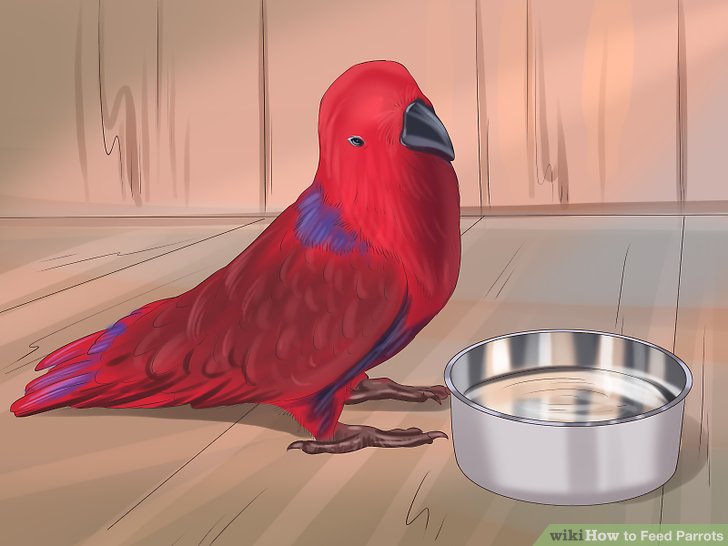
A parrot’s diet should be carefully considered to ensure their health and well-being. Fruits offer a valuable source of vitamins, minerals, and antioxidants, but not all fruits are safe for parrots. This section details safe fruit choices, highlighting nutritional benefits, potential risks, and optimal serving guidelines.Understanding the specific nutritional needs and potential dangers associated with certain fruits is crucial for providing a balanced and safe diet for your feathered friend.
A responsible parrot owner must be aware of the various factors to consider when incorporating fruits into their parrot’s diet.
Safe Fruit Choices for Parrots
Parrots can benefit from a variety of fruits, but careful selection and preparation are essential. The following table provides a comprehensive overview of safe fruits, their nutritional advantages, potential risks, and recommended feeding frequencies. Remember that these are general guidelines; individual parrot needs may vary.
| Fruit Name | Nutritional Benefits | Potential Risks | Recommended Serving Frequency |
|---|---|---|---|
| Berries (strawberries, blueberries, raspberries) | Rich in antioxidants, vitamins C and K, and various minerals. | May cause digestive upset if consumed in excess. Small seeds can be a choking hazard. | 1-2 small portions per week. |
| Apples (without seeds and core) | Good source of vitamin C, fiber, and antioxidants. | Seeds and core contain cyanide. Apples can be hard to digest in large quantities. | 1-2 small slices per week. |
| Bananas | Excellent source of potassium, vitamin B6, and fiber. | High in sugar. Overfeeding can lead to weight gain and digestive issues. | 1-2 small pieces per week. |
| Mangoes (without pit) | Rich in vitamin C, vitamin A, and potassium. | Pit is a choking hazard. Large quantities can cause digestive upset. | 1-2 small chunks per week. |
| Papaya (without seeds) | Good source of vitamin C, vitamin A, and fiber. | Seeds are a choking hazard. | 1-2 small chunks per week. |
| Grapes (without stems) | Good source of antioxidants, potassium, and vitamin K. | Can be toxic in large quantities. Stems can be a choking hazard. | 1-2 small portions per week. |
Nutritional Value of Fruits
Fruits are a valuable component of a parrot’s diet, providing essential vitamins, minerals, and antioxidants. Different fruits offer a spectrum of nutrients. For example, berries are rich in antioxidants, while bananas are excellent sources of potassium. Understanding the specific nutritional value of each fruit can help owners create a balanced and nutritious diet for their parrots.
Fruits provide various vitamins, including Vitamin A, C, and K, vital for maintaining overall health and well-being. They are also rich in minerals such as potassium, calcium, and magnesium, contributing to bone strength and various bodily functions. Antioxidants found in fruits protect cells from damage.
Potential Dangers of Fruits
Certain parts of fruits can pose risks to parrots. Seeds, pits, and stems can be choking hazards. Moreover, some fruits, when consumed in large quantities, can lead to digestive upset or other health issues. Understanding these potential dangers is essential for ensuring your parrot’s safety.
Moderation and Portion Control
It is crucial to emphasize the importance of moderation when introducing fruits into a parrot’s diet. Fruits should be given as a supplement, not a primary food source. Excessive consumption of certain fruits can lead to health problems. Proper portion control is vital for maintaining a healthy weight and preventing digestive issues.
Preparing Fruits for Parrots
Fruits should be thoroughly washed and prepared before feeding. Remove any seeds, pits, or stems that could pose a choking hazard. Cut fruits into small, manageable pieces to prevent choking and make it easier for parrots to consume.
Preparing Fruits for Consumption
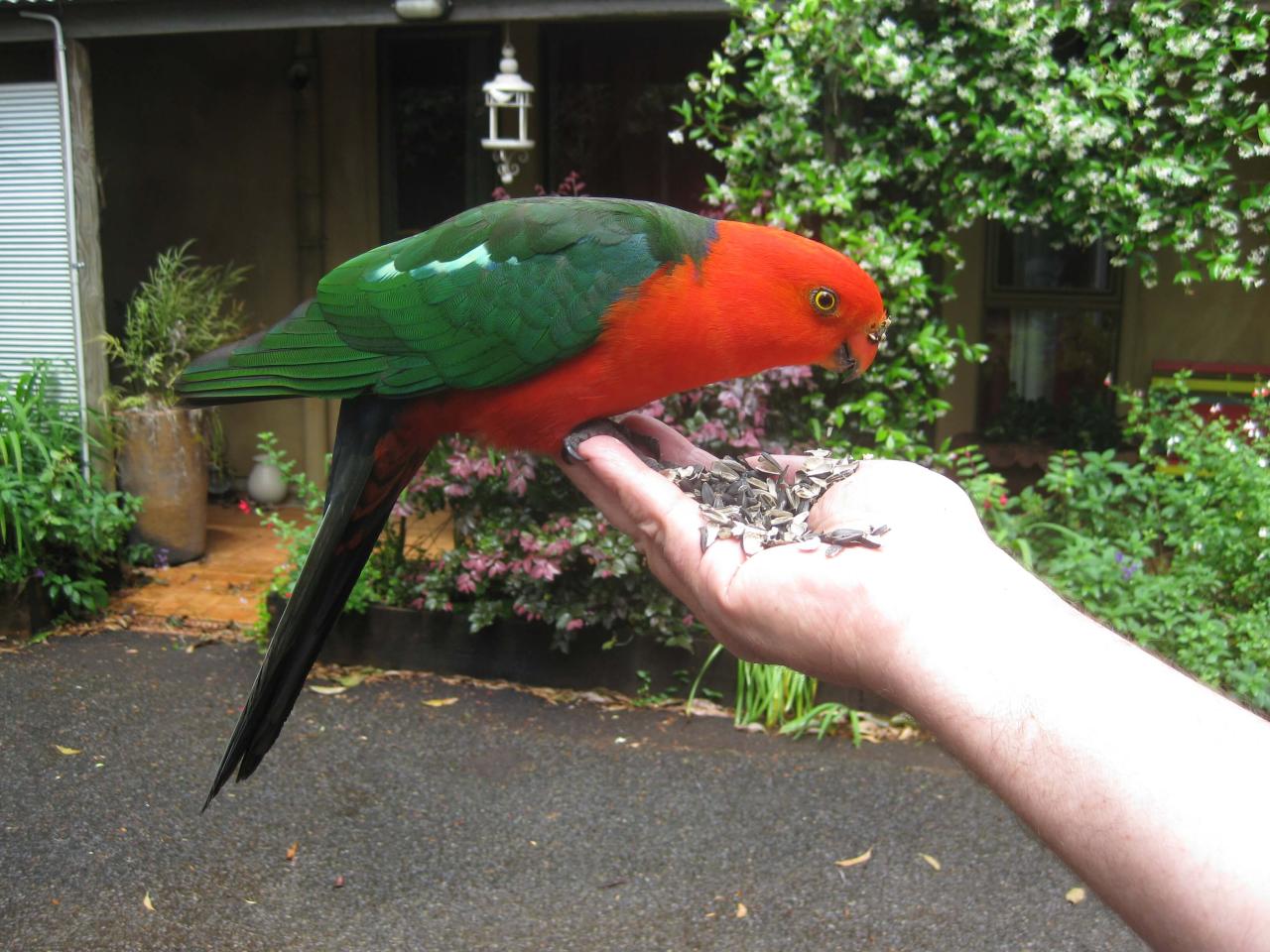
Proper fruit preparation is crucial for ensuring the safety and nutritional value of parrot diets. This involves meticulous steps to remove potential hazards and maximize the benefits for your feathered friend. Thorough cleaning and careful handling minimize the risk of introducing harmful substances or toxins.A well-prepared fruit offering is not only safer but also more appealing to parrots, encouraging consumption and supporting their overall health.
Following these steps will guarantee the best possible outcome for your parrot’s nutritional intake.
Washing Fruits
Thorough washing is essential to remove dirt, dust, and potential pesticide residues. This step is vital for maintaining the health of your parrot. Use cool, potable water and gently scrub the fruit with a soft brush, paying special attention to crevices and areas that may harbor contaminants.
- Rinse thoroughly under running water, ensuring all visible dirt is removed.
- Use a soft-bristled brush to scrub the fruit, particularly in areas like stems and crevices.
- For fruits with tough skins, like melons or citrus, use a vegetable brush to loosen dirt and debris.
Cutting and Removing Harmful Parts
Fruits may contain parts that are harmful or indigestible for parrots. Careful cutting and removal of these parts is vital for parrot safety. The goal is to present the fruit in a way that is both appealing and safe.
- Remove any stems, leaves, or thorns, as these can pose a choking hazard.
- Carefully cut away any damaged or bruised areas to prevent the introduction of bacteria or fungi.
- For fruits with pits or seeds, remove these completely to avoid digestive issues. Examples include plums, cherries, and apricots.
- Thoroughly inspect for any foreign objects, such as insects or debris.
Removing Pesticide Residues
Pesticides can pose a significant health risk to parrots. Minimizing pesticide exposure is crucial for maintaining their well-being.
- When possible, purchase fruits from organic sources to reduce the risk of pesticide residue.
- Thoroughly wash all fruits, even if they appear clean, to eliminate potential pesticide residue.
- Consider using a pesticide-removing solution, if available, according to the product’s instructions. However, this is not a substitute for thorough washing.
Fruit Preparation Methods
Different preparation methods suit different parrot species and preferences. This flexibility allows for varied nutritional intake.
- Slicing: Cut fruits into thin, even slices. This is suitable for fruits like apples, oranges, and bananas.
- Dicing: Cut fruits into small, uniform cubes. This method is ideal for fruits like melons and mangoes.
- Chopping: Cut fruits into larger pieces. This method is suitable for fruits like berries and grapes.
Storing Prepared Fruits
Proper storage is crucial to maintain the quality and safety of prepared fruits.
- Store prepared fruits in airtight containers in the refrigerator. This helps maintain freshness and prevents spoilage.
- Refrigerate prepared fruits within 2 hours of preparation to minimize bacterial growth.
- Discard any prepared fruits that show signs of spoilage, such as mold or discoloration.
Frequency and Portion Sizes
Proper fruit feeding is crucial for parrot health and well-being. Understanding the optimal frequency and portion sizes of various fruits is essential to prevent overfeeding and ensure your parrot receives the necessary nutrients without compromising their digestive system. This section details the recommended approaches for providing fruits to your feathered friend.
Optimal Feeding Frequency and Portion Sizes
Fruit consumption should be considered part of a balanced diet. It’s not a primary food source, but rather a supplement rich in vitamins, minerals, and antioxidants. The ideal frequency and portion sizes vary depending on the parrot’s species, size, and individual needs.
Parrot Size and Fruit Type Considerations
Determining the appropriate fruit portion is contingent upon the parrot’s size and the specific fruit being offered. A larger parrot will generally require a larger portion of fruit compared to a smaller parrot. The type of fruit also influences the appropriate serving size.
| Parrot Size | Fruit Type | Optimal Feeding Frequency (Days/Week) | Typical Portion Size (grams) |
|---|---|---|---|
| Small (e.g., Budgerigar, Cockatiel) | Berries (strawberries, blueberries) | 2-3 | 1-2 |
| Small (e.g., Budgerigar, Cockatiel) | Apples, Bananas | 2-3 | 2-4 |
| Medium (e.g., African Grey, Amazon) | Berries (strawberries, blueberries) | 2-3 | 5-8 |
| Medium (e.g., African Grey, Amazon) | Citrus fruits (oranges, grapefruits) | 1-2 | 5-10 |
| Large (e.g., Macaw) | Mangoes, Papaya | 1-2 | 10-20 |
| Large (e.g., Macaw) | Melons (watermelon, cantaloupe) | 1-2 | 15-25 |
Monitoring Parrot Response to Fruits
Careful observation of your parrot’s response to different fruits is vital. This includes noting any changes in behavior, droppings, or overall health. Parrots can exhibit various signs of digestive upset if they consume too much fruit or an inappropriate type of fruit.
Signs of Overfeeding
Excessive fruit consumption can manifest in several ways. These signs include increased water intake, loose or watery droppings, vomiting, lethargy, or weight loss, despite increased appetite. Changes in droppings, like unusual color or consistency, are often an early indicator of digestive issues.
Adjusting Portion Sizes
The portion sizes of fruit should be adjusted based on the parrot’s individual needs. If a parrot shows signs of digestive upset after consuming a certain fruit, the frequency and portion size should be reduced or the fruit removed entirely from the diet. It is advisable to consult an avian veterinarian for tailored advice if the parrot’s response is unusual or persistent.
Fruit Combinations and Variety
A diverse fruit diet is crucial for the well-being of parrots. Offering a variety of fruits provides essential vitamins, minerals, and antioxidants, contributing to a vibrant and healthy parrot. Beyond the nutritional benefits, a diverse selection also caters to the parrots’ natural foraging instincts, enriching their daily lives.
Safe Fruit Combinations
A well-balanced fruit diet for parrots encompasses a variety of combinations, offering nutritional completeness. These combinations should avoid potential interactions or adverse effects. Careful consideration of the specific needs of the parrot species is essential.
- Berries and Citrus: Combining berries like blueberries, raspberries, and strawberries with citrus fruits like oranges and grapefruits provides a rich source of antioxidants and vitamin C. These fruits, when offered in moderation, contribute to a healthy immune system and vibrant plumage. However, excessive citrus intake can lead to digestive issues. Monitor the parrot’s response to ensure appropriate portion control.
- Melons and Berries: Combining melons like cantaloupe and watermelon with berries like blueberries and raspberries creates a refreshing and nutritious treat. The sweetness of the melons complements the slight tartness of the berries, offering a palatable mix. Ensure the melon is peeled and seeded before offering it to the parrot.
- Apples and Bananas: Apples and bananas, when offered separately, provide a balanced source of vitamins and minerals. Apples, rich in fiber, promote healthy digestion, while bananas contribute potassium and vitamin B6. These fruits can be combined with other options for a complete meal. Ensure the apple is cored and peeled before offering it to the parrot.
Importance of Varied Diet
A varied diet is fundamental for maintaining the overall health of parrots. It ensures that the parrot receives a broad spectrum of nutrients, preventing deficiencies. A single fruit may lack certain vitamins or minerals that are present in other fruits. Rotating fruit types is key to a healthy diet, providing a balanced intake of essential nutrients.
Introducing New Fruits
Introducing new fruits to a parrot’s diet gradually is crucial. This allows the parrot’s digestive system to adapt to the new ingredients. Start with a small amount of the new fruit and observe the parrot’s reaction. Monitor for any digestive upset, such as diarrhea or vomiting. If no issues arise, gradually increase the portion size.
This gradual introduction minimizes potential digestive discomfort.
Safe Fruit Combinations and Potential Interactions
| Fruit Combination | Potential Interactions | Notes |
|---|---|---|
| Citrus fruits (oranges, grapefruits) with stone fruits (peaches, plums) | Slight risk of digestive upset in some parrots. | Monitor for diarrhea or other digestive issues. |
| Avocado | Toxic to parrots. | Never offer avocado. |
| Grapes/Raisins | Potential kidney problems in some birds. | Avoid offering to parrots. |
| Tomatoes | Potential for stomach upset. | Use sparingly, if at all. |
Providing a variety of fruits and vegetables is essential for maintaining the health and well-being of parrots.
Handling and Storing Fruits
Proper handling and storage are crucial for maintaining the freshness and nutritional value of fruits intended for your parrot’s diet. Fresh, high-quality fruits are essential for a healthy parrot, and proper storage techniques ensure they remain appealing and safe for consumption. This section will provide practical guidelines on preserving fruit quality and preventing spoilage.
Optimal Handling Techniques
Fruits should be handled gently to avoid bruising, which can lead to faster deterioration. Thorough washing is essential to remove any dirt, pesticides, or other contaminants. Using a soft brush and cool water is recommended to avoid damaging the fruit’s delicate surface. Patting the fruit dry with a clean cloth ensures a clean and dry environment, preventing the growth of mold or bacteria.
Freshness Preservation
To maximize the lifespan of fruits, promptly refrigerate them after purchase. This slows down the ripening process and reduces the rate of spoilage. Fruits like berries and melon should be stored in separate containers to prevent the transfer of moisture and odors. The specific storage time varies based on the type of fruit. For instance, berries generally last for a few days in the refrigerator, while bananas might only stay fresh for a couple of days.
Storage Containers
Selecting appropriate containers is critical for maintaining fruit freshness and preventing contamination. Airtight containers made of non-toxic materials like glass or BPA-free plastic are ideal. These containers effectively seal in moisture and prevent the spread of odors. Choose containers with secure lids to prevent spills or leaks. Avoid using containers with rough or porous surfaces, which can trap moisture and lead to mold growth.
Clean and Dry Environment
Maintaining a clean and dry environment for fruit storage is paramount to preventing spoilage. Store fruits away from direct sunlight and heat sources, as these can accelerate the ripening process and lead to rapid deterioration. Regularly inspect stored fruits for signs of mold, discoloration, or other signs of spoilage. Discard any affected fruits immediately to prevent the spread of contamination.
Suitable Storage Solutions
- Refrigeration: Most fruits benefit from refrigeration, as it slows down the ripening process and reduces spoilage. Keep fruits separate to avoid cross-contamination and moisture transfer.
- Airtight Containers: Glass or BPA-free plastic containers with tight-fitting lids are ideal for storing fruits in the refrigerator. This helps maintain moisture and prevent odors from transferring to other foods.
- Dedicated Produce Drawer: A dedicated produce drawer in your refrigerator can help maintain a consistent temperature and humidity level, which is crucial for preserving fruit quality.
- Proper Fruit Separation: Some fruits, like bananas and avocados, release ethylene gas as they ripen. Separating these fruits from other fruits in the refrigerator can prevent them from accelerating the ripening of other produce. For example, storing apples and bananas separately prevents the bananas from ripening too quickly.
Troubleshooting Common Issues
Feeding parrots a varied and healthy diet, including fruits, can sometimes present challenges. Understanding potential problems, their causes, and appropriate solutions is crucial for ensuring your parrot’s well-being. This section addresses common issues that may arise and provides guidance on how to address them effectively.
Identifying Digestive Issues
Parrots, like other animals, can experience digestive upset when their diet changes or when they consume foods that are not well-suited for their systems. Symptoms of digestive distress can range from mild discomfort to more severe issues. Careful observation of your parrot’s behaviour is key to identifying potential problems early.
- Diarrhea: Frequent watery droppings, often accompanied by lethargy and loss of appetite, can indicate digestive upset. Potential causes include eating spoiled or improperly stored fruits, consuming fruits they are sensitive to, or overfeeding. Adjusting the fruit portion size, ensuring freshness, and introducing new fruits gradually can help resolve the issue.
- Constipation: Infrequent or hard droppings, coupled with decreased activity and a reluctance to eat, might signify constipation. Causes could include insufficient water intake, eating fruits low in fiber, or a sudden shift in diet. Increasing water access, providing high-fiber fruits like berries or apples, and seeking veterinary advice if symptoms persist are crucial steps.
- Vomiting: Vomiting, particularly if accompanied by other symptoms like lethargy or loss of appetite, could point to an underlying health problem. This may be a reaction to eating spoiled or excessively acidic fruits or an indication of an unrelated health issue. Consulting a veterinarian is essential to determine the cause and initiate appropriate treatment.
Recognizing Fruit Allergies
Some parrots may develop allergic reactions to certain fruits. Understanding the signs of an allergic reaction is vital for providing prompt care.
- Skin Reactions: Inflammation, redness, itching, or swelling around the beak, mouth, or feathers might indicate an allergic reaction. These symptoms are often accompanied by scratching or other signs of discomfort.
- Respiratory Issues: Wheezing, difficulty breathing, or coughing could signify an allergic reaction affecting the respiratory system. This is a serious issue that necessitates immediate veterinary attention.
- Gastrointestinal Distress: Diarrhea, vomiting, or abdominal discomfort can also be signs of a fruit allergy, mimicking digestive upset. If your parrot exhibits these symptoms, consulting a veterinarian is recommended.
Assessing the Need for Veterinary Consultation
If you observe any of the aforementioned symptoms or suspect your parrot might have a fruit-related health problem, it is essential to consult a veterinarian specializing in avian health.
- Persistent Symptoms: If the digestive or allergic reaction symptoms persist despite dietary adjustments, veterinary intervention is essential to identify any underlying health issues.
- Severe Symptoms: Severe symptoms such as difficulty breathing, seizures, or sudden lethargy demand immediate veterinary attention. These are signs of a serious condition requiring urgent care.
- Uncertain Diagnosis: If you are unsure about the cause of your parrot’s symptoms, seeking professional advice from a veterinarian is always recommended.
Additional Considerations
Providing parrots with a varied and healthy diet is crucial for their well-being. Beyond the specific fruits we’ve discussed, there are important factors to consider when integrating fruit into a parrot’s overall dietary plan. These considerations help ensure optimal health and prevent potential issues.
Individual Parrot Needs
Parrots, like all individuals, have unique dietary requirements. Factors such as age, breed, and overall health status can influence how well they process fruits. A parrot with pre-existing health conditions, such as digestive issues or allergies, may react differently to certain fruits than a healthy bird. Careful observation is key. Monitoring their response to new foods is essential.
Allergic Reactions
Introducing new fruits gradually allows for observation of any allergic reactions. Symptoms can include itching, swelling, or changes in behavior. If a reaction occurs, the offending fruit should be removed from the diet. Consult with an avian veterinarian if allergies are suspected. A vet can provide accurate diagnosis and tailored advice.
Digestive Issues
Fruits, while nutritious, can sometimes cause digestive upset in parrots. Some fruits are more likely to induce diarrhea or stomach upset in certain individuals. A gradual introduction of fruits, combined with monitoring their droppings, is important. Regular observation of their stool can reveal potential digestive problems.
Nutritional Supplements
While fruits provide valuable nutrients, they might not always meet all a parrot’s dietary needs. Parrots, especially those with specific dietary requirements, might benefit from additional nutritional supplements. Consult with an avian veterinarian to determine if supplements are necessary and to select appropriate types. A balanced approach that combines fruits with other essential nutrients is crucial.
Monitoring Overall Health
Regularly monitoring a parrot’s overall health is vital. Signs of illness can vary depending on the species, but some common indicators include lethargy, changes in appetite, or unusual droppings. Any noticeable change warrants a visit to an avian veterinarian. Prompt veterinary attention is crucial to ensure the parrot’s well-being.
Balanced Diet Beyond Fruits
Fruits should be part of a balanced diet, not the entire diet. A healthy parrot diet includes a variety of foods beyond fruits, such as seeds, nuts, vegetables, and commercially formulated parrot pellets. This diversity ensures the parrot receives the complete spectrum of nutrients necessary for their health. A diverse diet will promote a healthy parrot.
Potential Interactions with Other Foods
Some fruits might interact with other dietary components, potentially affecting digestion or nutrient absorption. For example, some fruits may lower the bioavailability of certain minerals. A veterinarian or experienced parrot owner can offer valuable insights into potential interactions. Consult with a professional to understand possible implications.
Resources for Further Information
Numerous resources provide valuable insights into parrot nutrition. Reputable avian veterinarians, experienced parrot breeders, and online forums dedicated to parrot care offer information on diet and specific dietary needs. Reliable sources are essential to ensuring the best care for your parrot.
Ending Remarks
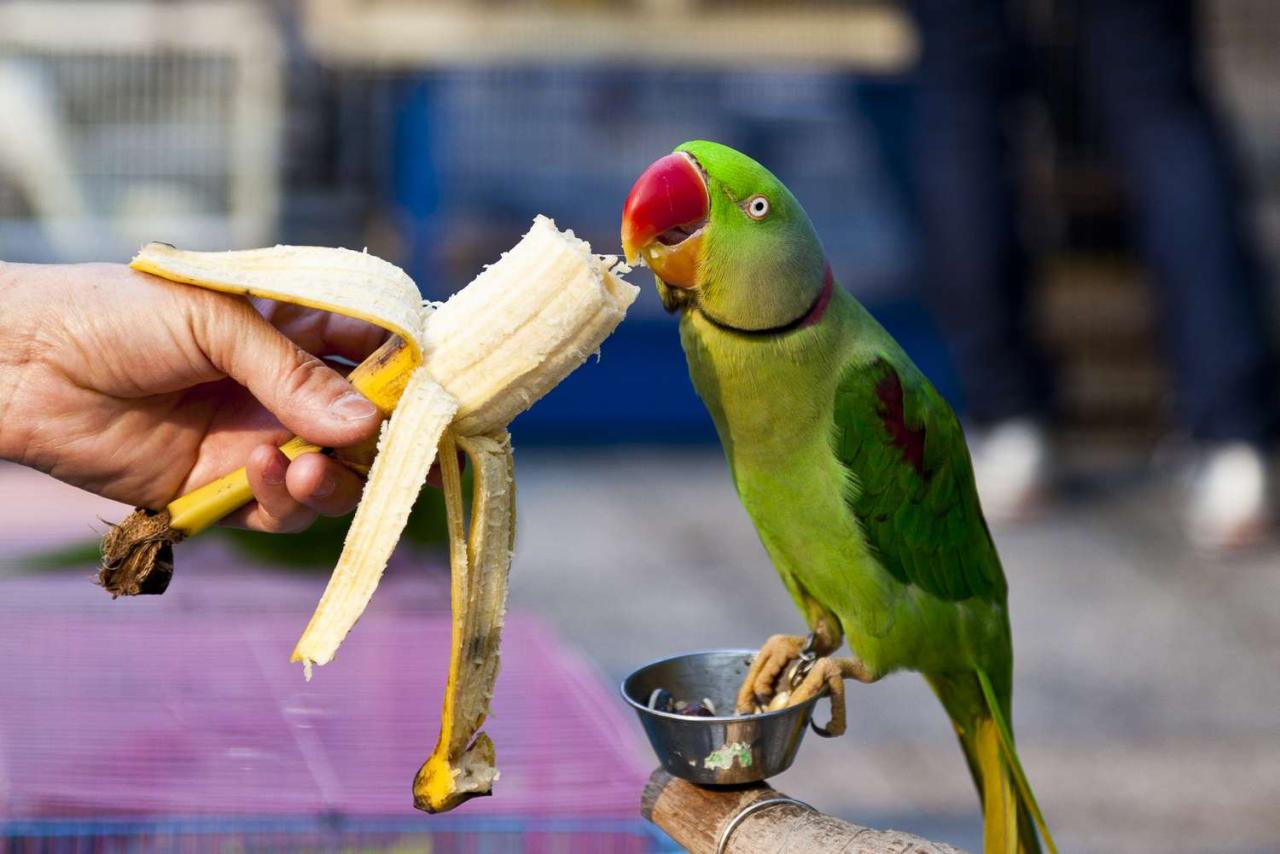
In conclusion, providing parrots with fruits requires careful consideration of their specific needs and preferences. By understanding the diverse nutritional requirements of different parrot species and age groups, selecting safe fruits, and practicing proper preparation and portioning, you can ensure your parrot enjoys a healthy and balanced diet. Remember that a veterinarian’s advice is always recommended for specific dietary concerns.