Providing a balanced and nutritious diet is crucial for the well-being of our feathered companions. This comprehensive guide delves into the art of feeding parrots vegetables, exploring the vital role these nutritious elements play in their daily lives. Understanding the specific nutritional needs of various parrot species and the proper preparation techniques is key to ensuring their health and happiness.
From selecting the safest and most beneficial vegetables to preparing them in appealing ways, this guide will equip you with the knowledge to create a delightful and healthy meal plan for your parrot. We will also discuss the potential risks and how to address any dietary concerns, ensuring optimal parrot health and a long, fulfilling companionship.
Introduction to Parrot Nutrition
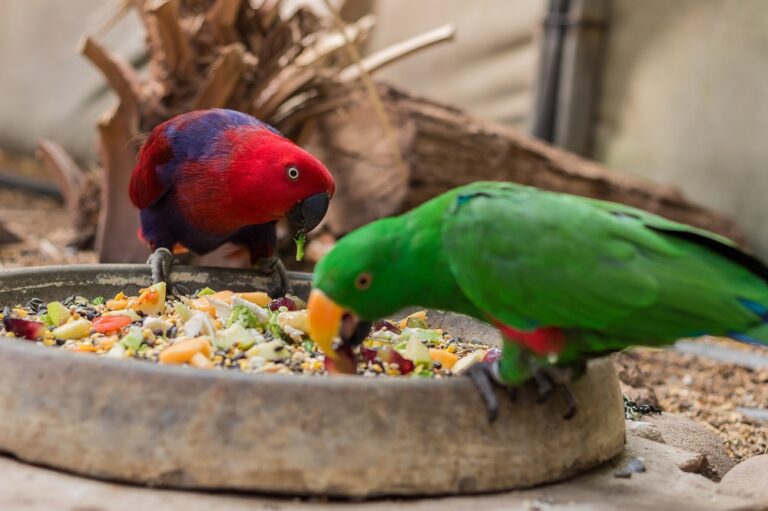
Parrots, with their vibrant colours and captivating personalities, require a carefully balanced diet to thrive. A significant component of this diet, often overlooked, is the inclusion of fresh vegetables. These nutritious additions provide essential vitamins, minerals, and antioxidants vital for maintaining their overall health and well-being. A diverse vegetable intake can contribute to a parrot’s vibrant plumage, strong immune system, and healthy digestive function.Vegetables offer a wide array of nutritional benefits, exceeding the provision of basic sustenance.
They act as a crucial source of vital nutrients that are difficult to obtain from seed-based diets alone. The inclusion of various vegetable types in a parrot’s diet can effectively address nutritional gaps and enhance their overall health.
Importance of Vegetables in Parrot Diets
A balanced diet for parrots encompasses a variety of foods, with vegetables playing a critical role. They contribute significantly to the nutritional needs of these fascinating birds, offering a wealth of essential nutrients. Parrots, like other birds, have unique digestive systems that require a diverse range of nutrients to function optimally. Vegetables provide a natural and digestible source of vitamins, minerals, and antioxidants, supporting their immune system and overall health.
Nutritional Benefits of Vegetables
Vegetables are not just a tasty addition to a parrot’s diet; they provide numerous crucial nutrients. These nutrients support the parrot’s physical health and well-being. For instance, dark leafy greens are excellent sources of Vitamin A, crucial for maintaining healthy vision and skin. Other vegetables provide essential minerals like calcium and potassium, vital for strong bones and healthy muscle function.
Antioxidants present in various vegetables help protect against cell damage, further contributing to a robust immune system.
Diverse Range of Vegetables Suitable for Parrots
Parrots can enjoy a wide selection of vegetables, providing them with a varied and nutritious diet. This variety is important to ensure they receive a comprehensive range of vitamins and minerals. Safe vegetables for parrots include leafy greens, colorful bell peppers, carrots, and many others. Offerings should be thoroughly washed and cut into appropriate sizes to prevent choking hazards.
Vegetable Types and Nutritional Values
A table showcasing the nutritional value of various vegetables for parrots is presented below. This table provides a quick reference for choosing suitable vegetables and understanding their nutritional contributions.
| Vegetable Type | Vitamins | Minerals | Other Benefits |
|---|---|---|---|
| Spinach | Vitamin A, Vitamin C, Vitamin K | Iron, Calcium, Magnesium | Excellent source of antioxidants; promotes healthy digestion. |
| Carrots | Vitamin A | Potassium, Vitamin K | Supports healthy vision and provides fiber. |
| Bell Peppers (various colours) | Vitamin C, Vitamin A | Potassium, Vitamin K | Rich in antioxidants; contributes to vibrant plumage. |
| Broccoli | Vitamin C, Vitamin K, Folate | Potassium, Calcium, Iron | Provides fiber and supports healthy digestion. |
| Cucumber | Vitamin K, Vitamin C | Potassium, Magnesium | Provides hydration and aids in digestion. |
Choosing the Right Vegetables
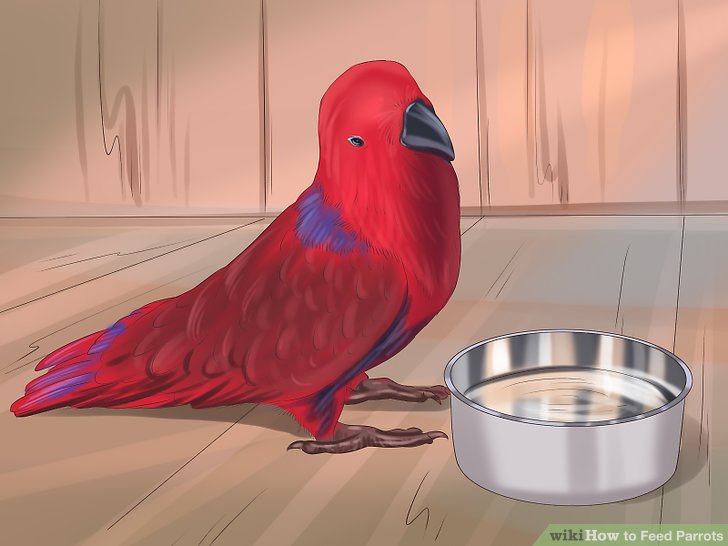
A crucial aspect of parrot nutrition is selecting the appropriate vegetables. Parrots, like humans, require a diverse diet to obtain the necessary vitamins, minerals, and nutrients for optimal health. This section details safe and beneficial vegetable choices, highlighting nutritional differences and potential dislikes among parrot species.Understanding the nutritional value and preferences of various vegetables is vital for providing parrots with a balanced and enjoyable diet.
This knowledge empowers parrot owners to make informed decisions about their feathered companions’ dietary needs.
Safe Leafy Greens for Parrots
Leafy greens are an excellent source of vitamins, minerals, and fiber for parrots. They contribute to digestive health and overall well-being. It is important to note that not all leafy greens are suitable for parrots.
- Kale: A good source of vitamin K, vitamin C, and calcium. Parrots generally enjoy kale, and it’s a nutritious addition to their diet.
- Spinach: High in vitamins A and K, and iron. While parrots can consume spinach, it’s not recommended as a primary food source due to its potential oxalic acid content, which can interfere with calcium absorption. Offer it sparingly.
- Romaine Lettuce: A low-calorie option with some vitamins and minerals. A good choice for occasional treats, but not a primary food source.
- Collard Greens: A rich source of vitamin A and other nutrients. Parrots may enjoy the taste and texture of collard greens.
Safe Fruits and Other Vegetables
Fruits and other vegetables offer a variety of flavors and textures, appealing to the palate of many parrots. However, some fruits and vegetables can cause digestive issues or contain harmful substances.
- Carrots: Excellent source of beta-carotene, converting to vitamin A in the body. Parrots generally enjoy the taste and texture of carrots.
- Sweet Potatoes: A good source of vitamin A and other nutrients. Parrots can enjoy sweet potatoes, but avoid overfeeding.
- Bell Peppers (various colors): Provide vitamins A and C. Parrots often find the colors and textures appealing. Offer various colors for a diverse nutritional intake.
- Broccoli: A good source of fiber, vitamin C, and other nutrients. Parrots may enjoy broccoli florets, but it’s important to offer it in moderation.
Vegetables Parrots Might Dislike
Some vegetables, despite being safe, might not be palatable to all parrots. This is a factor to consider when creating a diverse diet.
- Celery: While safe, some parrots may not enjoy the taste or texture of celery.
- Asparagus: A potentially less-appealing vegetable for some parrots.
- Mushrooms: While safe for parrots, the flavor and texture may not be liked by all.
Nutritional Value Comparison
The nutritional content of vegetables varies significantly. This table highlights the potential nutritional benefits of different vegetable types.
| Vegetable Type | Key Nutrients | Nutritional Value (Approximate) |
|---|---|---|
| Kale | Vitamin K, Vitamin C, Calcium | High |
| Spinach | Vitamin A, Vitamin K, Iron | Moderate |
| Carrots | Beta-Carotene (Vitamin A), Fiber | High |
| Sweet Potatoes | Vitamin A, Fiber | Moderate |
| Bell Peppers | Vitamin A, Vitamin C | Moderate |
Vegetables to Avoid
Some vegetables pose risks to parrots’ health due to their composition or potential for digestive upset.
- Avocado: Contains persin, a toxin harmful to birds.
- Onions and Garlic: Contain compounds that can damage red blood cells.
- Potatoes (raw): Contain solanine, which can cause digestive upset.
- Rhubarb: Contains oxalic acid, which can interfere with calcium absorption.
Preparing Vegetables for Parrots
Proper vegetable preparation is crucial for parrot health and enjoyment. A significant portion of a parrot’s diet should consist of fresh, nutritious vegetables. Careful handling and preparation ensure optimal nutritional value and prevent potential risks. This section will detail the steps involved in preparing vegetables safely and effectively for your feathered friend.
Washing Vegetables Thoroughly
Thorough washing of vegetables is paramount to remove potential contaminants and pesticides. Parrots are susceptible to harmful substances that can be present on produce. Washing removes these residues, ensuring a healthier meal for your parrot. Use cool, running water to rinse vegetables thoroughly. A gentle scrub with a vegetable brush can further enhance the removal of dirt and debris.
Chopping Vegetables Appropriately
Parrots have delicate beaks, so appropriate vegetable sizes are essential for safe consumption. Vegetables should be cut into small, manageable pieces that your parrot can easily grasp and eat without difficulty. Avoid large, hard pieces that could pose a choking hazard. Smaller, bite-sized pieces encourage proper chewing and digestion. For example, carrots can be cut into thin strips or small cubes, while leafy greens can be chopped into smaller pieces.
Risks of Feeding Raw Vegetables
While raw vegetables are generally safe for parrots, some raw vegetables can contain compounds that may cause digestive upset in certain individuals. This is particularly true for vegetables that are high in fiber or have a strong flavor. Observe your parrot’s reaction to different vegetables. If your parrot experiences any digestive discomfort after eating raw vegetables, consult with a veterinarian.
Making Vegetables Appealing
Parrots, like humans, have preferences. To encourage your parrot to consume a wider variety of vegetables, try offering them in different ways. Mix vegetables with other parrot-safe foods, such as fruits or seeds. Adding a small amount of a favorite fruit or a sprinkle of parrot-safe seasoning can enhance the appeal.
Step-by-Step Guide to Preparing Vegetables for Parrots
- Gather your vegetables. Choose a variety of vegetables that your parrot enjoys or that you want to introduce.
- Rinse the vegetables thoroughly under cool, running water. Use a vegetable brush to remove any dirt or debris.
- Cut the vegetables into small, manageable pieces. Consider the size and shape of your parrot’s beak when determining the appropriate cut size.
- Offer the prepared vegetables to your parrot. Observe your parrot’s reaction to different vegetables.
- Store any leftover vegetables in an airtight container in the refrigerator for up to three days.
Incorporating Vegetables into a Parrot’s Diet
Introducing new foods to a parrot’s diet requires careful consideration and a gradual approach to prevent digestive upset. A balanced diet, including a variety of vegetables, is crucial for maintaining a parrot’s health and well-being. Gradual introduction allows the parrot’s digestive system to adapt to new nutrients and fiber types.
Gradual Introduction of New Vegetables
A gradual introduction of new vegetables minimizes the risk of digestive distress. Start by offering small quantities of the new vegetable, mixed with familiar favorites, to assess tolerance. Observe the parrot for any signs of digestive discomfort. If no issues arise, gradually increase the portion of the new vegetable over several days or weeks. This method allows the parrot’s gut flora to adapt and prevents sudden changes in diet that can lead to diarrhea or other digestive issues.
Observe for at least 24 hours after introducing a new vegetable to monitor any reactions.
Sample Weekly Meal Plan
A balanced parrot diet includes a variety of vegetables, fruits, and other essential elements. This sample meal plan provides a framework for incorporating vegetables into your parrot’s weekly diet. Remember to adjust portions based on your parrot’s individual needs and appetite. This meal plan should be used as a guideline, and always consult with an avian veterinarian for personalized dietary recommendations.
| Day | Vegetables (examples) | Other Foods (examples) |
|---|---|---|
| Monday | Spinach, Carrot slices, Bell pepper strips | Mixed seeds, Berries, Apple slices |
| Tuesday | Broccoli florets, Cucumber slices, Peas | Sunflower seeds, Grapes, Banana slices |
| Wednesday | Zucchini, Green beans, Sweet potato cubes | Pumpkin seeds, Mango, Pear slices |
| Thursday | Kale, Parsley, Parsnip | Safflower seeds, Berries, Apple slices |
| Friday | Carrots, Celery, Bell pepper strips | Flax seeds, Strawberries, Pineapple chunks |
| Saturday | Romaine lettuce, Green beans, Bell pepper strips | Mixed nuts, Kiwi, Papaya chunks |
| Sunday | Spinach, Broccoli florets, Peas | Pumpkin seeds, Orange slices, Grapes |
Importance of a Balanced Diet
A balanced parrot diet goes beyond just vegetables. It encompasses a wide range of nutrients from fruits, seeds, nuts, and other elements to ensure comprehensive nutritional support. A balanced diet plays a vital role in maintaining the parrot’s overall health, plumage, and energy levels. Fruits, for example, provide vitamins and antioxidants that complement the nutritional value of vegetables.
Providing a mix of foods, rather than focusing solely on vegetables, ensures the parrot receives all the necessary nutrients for optimal well-being.
Signs of Digestive Issues
Observing your parrot for signs of digestive distress after introducing new vegetables is crucial. These signs can include diarrhea, vomiting, lethargy, loss of appetite, or changes in droppings consistency. If these symptoms persist or worsen, consult with an avian veterinarian immediately. It is essential to note that these signs might also indicate other underlying health issues.
Presenting Vegetables for Varied Feeding Preferences
Parrots have diverse feeding preferences. To cater to these preferences, offer vegetables in various forms. Some parrots might enjoy chopped vegetables, while others prefer whole or sliced ones. Consider offering vegetables in different shapes, sizes, and textures to enhance palatability and encourage consumption. Presenting vegetables as part of a mixed diet, rather than in isolation, can also improve acceptance.
Handling Specific Dietary Needs
Parrots, with their diverse species and individual needs, require tailored dietary approaches. Understanding the specific nutritional requirements of different parrot types, alongside their age and activity level, is crucial for maintaining their health and well-being. This section delves into the nuances of adjusting vegetable portions and selecting appropriate vegetables to address particular health concerns.
Dietary Needs of Different Parrot Species
Various parrot species exhibit unique nutritional requirements. These variations stem from their evolutionary adaptations and their natural diets. For instance, macaws, with their powerful beaks and strong digestive systems, can handle a wider array of fibrous vegetables than smaller species. Lovebirds, on the other hand, require a more delicate balance in their diet, and cockatoos often benefit from a diet rich in certain vegetables for their specific needs.
Adjusting Vegetable Portions
The appropriate portion size of vegetables for parrots is contingent on several factors. Age plays a significant role; younger parrots have higher metabolic rates and require more nutrients per unit of body weight compared to older birds. Similarly, an active parrot engaging in frequent play or flying will burn more calories and consequently need a higher vegetable intake to meet their energy demands.
Therefore, adjustments in vegetable portions are vital for ensuring optimal health.
Vegetables for Specific Health Conditions
Certain vegetables offer specific nutritional advantages for parrots with particular health concerns. For example, leafy greens like spinach and kale are rich in vitamins and minerals, which can support feather health. Alternatively, vegetables rich in antioxidants like carrots and sweet potatoes can be beneficial for managing certain health issues. Specific examples include using broccoli to support digestive health and addressing feather plucking by incorporating vegetables rich in vitamins and minerals.
Consulting a Veterinarian
A veterinarian specializing in avian health remains the most reliable source of advice for tailored dietary recommendations. Veterinarians can assess individual parrot health conditions, consider specific medical needs, and provide personalized advice for dietary adjustments. This professional guidance ensures optimal nutrition and helps address any underlying health concerns.
Dietary Needs Table
| Parrot Species | General Dietary Needs | Specific Vegetable Recommendations | Considerations for Portioning |
|---|---|---|---|
| Macaws | High fiber, varied vegetables | Carrots, broccoli, leafy greens | Larger portions due to size and activity |
| Cockatoos | Balanced diet, including fruits | Broccoli, sweet potatoes, leafy greens | Moderate portions, monitor for potential sensitivities |
| Lovebirds | Small portions, nutrient-dense vegetables | Spinach, kale, bell peppers | Smaller portions, frequent feeding |
Preventing Dietary Issues
A balanced diet is crucial for the well-being of any parrot. While vegetables are essential for a healthy parrot diet, overfeeding or improper introduction can lead to digestive problems and nutritional imbalances. Careful monitoring and a gradual approach are key to ensuring your parrot enjoys the benefits of a vegetable-rich diet without experiencing adverse effects.Understanding the potential pitfalls and proactive measures to address them will allow you to provide the best possible care for your feathered friend.
By being vigilant about your parrot’s reactions to new foods and recognizing the signs of digestive distress, you can maintain a healthy and happy parrot.
Potential Dangers of Overfeeding Vegetables
Parrots, like all animals, have specific nutritional requirements. While vegetables are a vital component of their diet, feeding excessive amounts can disrupt the delicate balance of their digestive systems. This can manifest in various forms of digestive upset, including diarrhea, vomiting, and abdominal discomfort. The specific nutritional composition of each vegetable plays a role; for example, some vegetables are high in fiber, which can cause digestive issues if consumed in large quantities.
Moreover, excess water content in certain vegetables can lead to hydration problems if not balanced with other dietary components.
Monitoring Parrot Reactions to New Vegetables
Introducing new vegetables should always be done gradually. Start with small portions and observe your parrot’s reaction closely. A healthy parrot will display no signs of discomfort or distress after consuming a new vegetable. Observe their droppings for changes in consistency or color, and pay attention to any unusual behavior, such as lethargy, loss of appetite, or changes in their normal activity level.
This gradual introduction allows the parrot’s digestive system to adjust to the new food and minimizes the risk of digestive upset.
Recognizing and Addressing Signs of Digestive Upset
Digestive upset in parrots can manifest in several ways. Changes in droppings, such as loose, watery stools or a change in color (e.g., greenish or yellow), can indicate a problem. Vomiting or regurgitation, lethargy, and loss of appetite are also warning signs that require immediate attention. If you notice any of these symptoms, consult with a veterinarian specializing in avian medicine as soon as possible.
Early intervention is critical to prevent complications. It is essential to document the type and quantity of vegetables fed prior to observing these signs to aid in diagnosing the issue.
Preventing Picky Eating Habits
Parrots, like many animals, can develop picky eating habits. This can be avoided by introducing vegetables in an appealing way. Offer a variety of colors, textures, and flavors. Pairing vegetables with familiar favorites, like fruits, can encourage consumption. Presenting vegetables in interesting ways, such as hiding them in toys or offering them in small portions, can also increase their appeal.
Consistency in offering the vegetable will eventually lead to acceptance. Always remember to maintain a positive and patient approach to prevent your parrot from developing a dislike for vegetables.
Signs to Watch For When Introducing New Vegetables
- Changes in droppings (e.g., loose, watery, unusual color)
- Lethargy or decreased activity level
- Loss of appetite
- Vomiting or regurgitation
- Abdominal discomfort (e.g., restlessness, appearing distressed)
- Diarrhea
- Changes in behavior (e.g., hiding, inactivity)
Visual Aids for Understanding
Visual aids are crucial for effectively conveying information about parrot vegetable nutrition. These tools make complex concepts more accessible and engaging, aiding in the learning process for both parrot owners and enthusiasts. They provide a clear and concise way to understand the safe and unsafe vegetables, nutritional content, preparation methods, and portion sizes for different parrot types.
Safe and Unsafe Vegetables for Parrots
Understanding which vegetables are safe and unsafe for parrots is paramount to maintaining their health. This table Artikels common vegetables, categorizing them as safe or unsafe based on potential toxicity or digestive issues.
| Vegetable | Safe/Unsafe | Notes |
|---|---|---|
| Broccoli | Safe | Offer florets, avoid stems. |
| Carrot | Safe | Provide chopped pieces. |
| Cucumber | Safe | Offer in moderation. |
| Avocado | Unsafe | Highly toxic, avoid completely. |
| Potato | Unsafe | Raw potatoes are not recommended. |
| Tomato | Unsafe | Avoid raw tomatoes, offer cooked sparingly. |
| Onion | Unsafe | Can cause digestive upset, avoid completely. |
Nutritional Content of Vegetables
This table highlights the nutritional value of various vegetables suitable for parrots. Knowing the vitamin and mineral content of vegetables empowers owners to provide a balanced diet.
| Vegetable | Vitamin Content | Mineral Content | Other Notes |
|---|---|---|---|
| Spinach | Vitamins A, C, K | Iron, Calcium | Offer in moderation, possible oxalate content. |
| Bell Peppers | Vitamin C | Vitamin A, Potassium | Varying colors offer different nutrients. |
| Sweet Potato | Vitamin A | Potassium, Vitamin C | A good source of complex carbohydrates. |
| Broccoli | Vitamin C, K | Fiber, Folate | High in fiber, good for digestion. |
| Carrots | Vitamin A | Potassium, Fiber | Good source of beta-carotene. |
Correct Preparation of Vegetables
Proper preparation ensures that vegetables are safe and palatable for parrots. This table provides a visual guide on how to prepare various vegetables.
| Vegetable | Preparation Method | Image Description |
|---|---|---|
| Broccoli | Wash and chop into small florets. Remove tough stems. | A picture of washed broccoli florets, separated from the stem, neatly arranged on a white plate. |
| Carrot | Wash and chop into small, thin strips or matchsticks. | A picture of a peeled and chopped carrot, showcasing small, uniform pieces, arranged in a small, white bowl. |
| Spinach | Wash thoroughly, dry gently, and chop into small pieces. | A picture of washed and dried spinach leaves, chopped into small pieces, in a clear container. |
Portion Sizes for Parrots
Portion sizes vary based on the parrot species and size. This table serves as a general guideline for feeding vegetables.
| Parrot Species/Size | Vegetable Portion Size (per feeding) | Notes |
|---|---|---|
| Small Parrots (e.g., Budgies) | A small handful of chopped vegetables | Monitor for signs of overfeeding. |
| Medium Parrots (e.g., Cockatiels) | A slightly larger handful of chopped vegetables | Observe eating habits and adjust portions accordingly. |
| Large Parrots (e.g., Macaws) | A substantial handful of chopped vegetables | Parrots of this size may need more than smaller birds. |
Ideal Appearance of Prepared Vegetables
Well-prepared vegetables should be fresh, free of dirt, and cut into appropriate sizes. The vegetables should appear clean, free from mold or other signs of spoilage, and cut into bite-sized pieces that are easy for the parrot to consume without choking hazards. Properly prepared vegetables are crucial for their nutritional value and safety.
Concluding Remarks
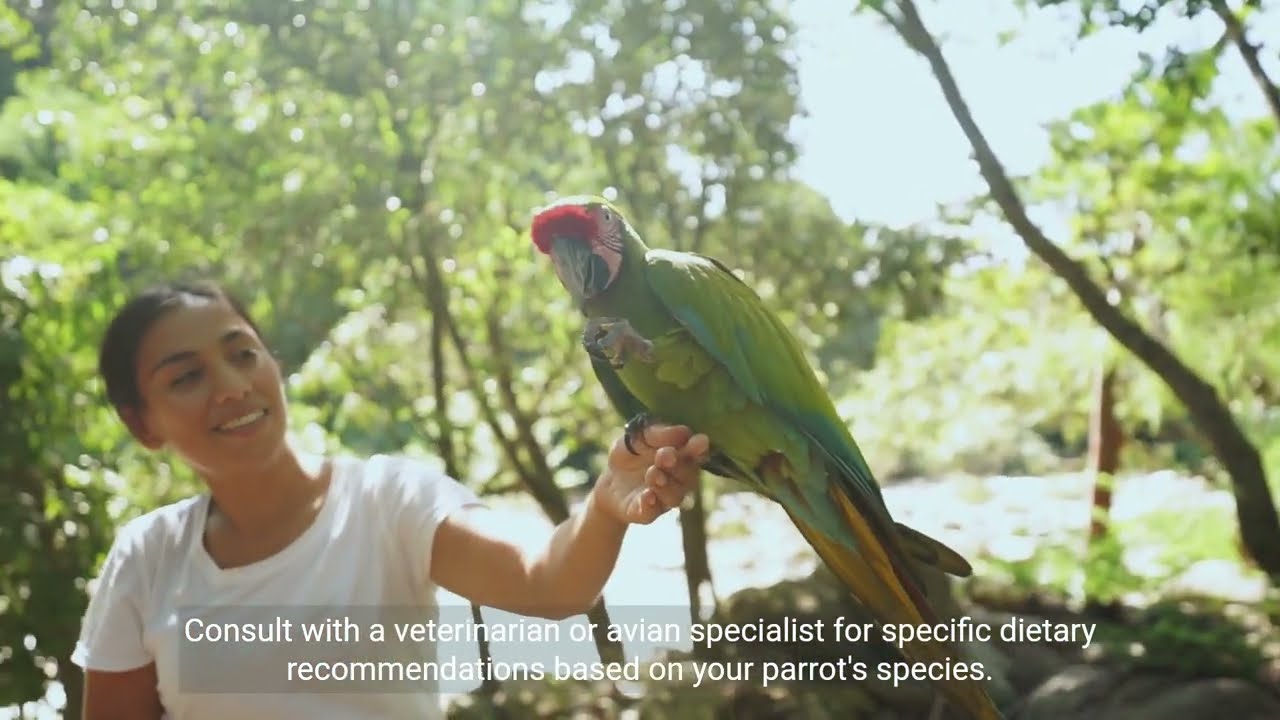
In conclusion, feeding parrots vegetables is a multifaceted process requiring careful consideration of their unique needs. By understanding the nutritional benefits, proper preparation methods, and species-specific dietary requirements, you can ensure your parrot receives the optimal nourishment for a healthy and vibrant life. Remember, a balanced diet, including vegetables, fruits, and other elements, is paramount to their overall well-being.
This guide provides a comprehensive framework to create a healthy and enriching dietary experience for your parrot. Consult with a veterinarian for personalized advice and guidance.