Introducing birds to each other can be a rewarding experience, but careful planning and execution are essential for their well-being. This guide provides a structured approach to successful introductions, covering crucial aspects from initial preparation to post-introduction care. Understanding the nuances of various bird species and their individual personalities is paramount to a positive outcome. The information presented here aims to equip bird owners with the knowledge and tools to navigate this process effectively and safely.
This guide delves into the practical considerations for introducing birds, from creating a secure environment to selecting appropriate introduction methods. It also highlights the importance of monitoring interactions and adapting the process based on the birds’ reactions. The unique needs of different bird species are also addressed, ensuring a comprehensive understanding of the challenges and solutions involved.
Introduction and Preparation
Proper introduction procedures are crucial for the well-being and safety of birds. A carefully planned and executed introduction minimizes stress, promotes positive associations, and fosters harmonious coexistence between birds. Successful introductions often depend on understanding the individual bird’s temperament, age, and previous experiences. Different bird species require distinct approaches, as their social behaviors and needs vary significantly.Successful introductions require a methodical approach that considers the birds’ personalities, ensuring a smooth and stress-free integration.
The success rate of introductions can be significantly improved by carefully considering individual bird characteristics and species-specific needs. For example, a shy finch might require a gradual introduction, while a bold parrot might benefit from a more assertive yet controlled method.
Introduction Methods for Different Bird Species
Understanding the nuances of various bird species is vital for successful introductions. The introduction method must be tailored to the specific needs of each species, accounting for their inherent behaviours and social structures. For example, finches, known for their social interactions, may be introduced in a group setting, while solitary raptors may require individual introductions in a controlled environment.
Factors to Consider When Choosing an Introduction Method
Several factors should be considered when selecting an introduction method for birds. The birds’ personalities, ages, and previous experiences significantly influence the best approach. Birds with previous negative experiences might need more gradual introductions to build trust. Young birds often require a more sheltered and controlled environment, whereas older birds might adapt more quickly to new surroundings.
Consider the birds’ individual temperament and response to stimuli during the introduction process.
Species Compatibility During Introduction
Compatibility between bird species varies significantly. The following table highlights some common species and their potential compatibility during introductions, including considerations for temperament, introduction methods, and potential issues. Careful observation and adjustment of the introduction method are crucial to ensure the safety and well-being of all birds.
| Species | Temperament | Introduction Method | Potential Issues |
|---|---|---|---|
| Finches (e.g., Zebra Finch) | Generally social and adaptable, but can be easily stressed | Group introductions in a spacious enclosure with gradual exposure to each other. | Potential for aggression, pecking order conflicts, and territorial disputes. Overcrowding can lead to stress and injury. |
| Parrots (e.g., African Grey) | Intelligent, social, and often demanding. Individual personalities vary significantly. | Individual introductions in a neutral enclosure with gradual exposure to each other. A gradual introduction to shared resources is important. | Potential for aggression, territorial disputes, and dominance issues. Careful monitoring for signs of stress is essential. |
| Raptors (e.g., Owls) | Solitary, often with specific hunting and territorial behaviors. | Individual introductions in a large, enclosed area, allowing for independent exploration and avoiding forced interaction. | Potential for aggression, injury, and difficulty in establishing trust. It is often necessary to create a gradual and safe introduction process. |
Creating a Safe Environment
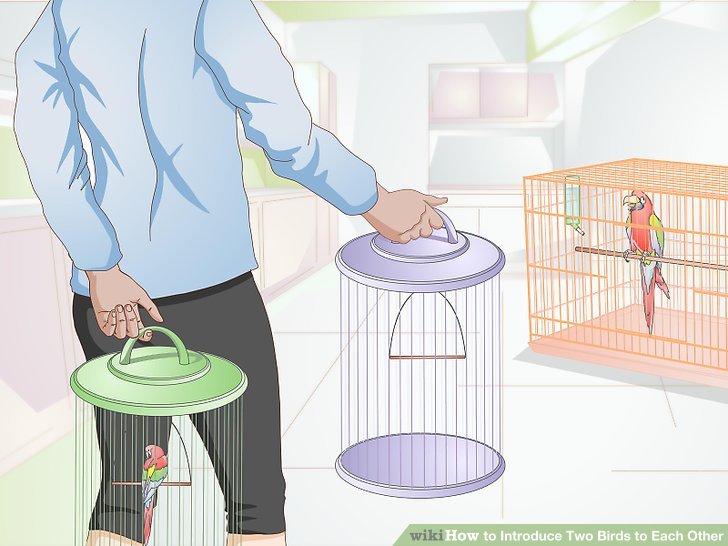
A crucial aspect of introducing birds to each other is establishing a secure and controlled environment. This minimizes stress and potential harm, allowing birds to adapt to the new presence in a positive way. A carefully designed space, free from excessive noise and distractions, is essential for a successful introduction. This section details the necessary precautions and recommendations for creating such a space.A safe and controlled environment is paramount during the introduction process.
Proper preparation reduces the likelihood of injury or stress for the birds involved. This proactive approach fosters a positive and successful outcome.
Designing the Introduction Space
Careful planning and preparation are essential for creating a suitable introduction space. The space should be large enough to allow the birds ample room to move without feeling cramped. It should be well-ventilated and free from drafts. A dedicated introduction space prevents interference from other pets or household activities.
Precautions to Prevent Injury or Stress
To prevent injury or stress during introductions, it is crucial to take several precautions. Secure the introduction space to prevent escapes. Birds should not be able to injure themselves by hitting walls or obstacles. Supervise the birds closely during the introduction process. Early signs of distress, such as feather ruffling or excessive vocalization, indicate the need for separation.
Observe for any aggressive behavior. Immediate intervention is crucial if aggression occurs.
Minimizing Noise and Distractions
Minimizing noise and distractions is vital for a successful introduction. Keep the volume of household noises to a minimum. Reduce any visual distractions. Sudden noises or movements can startle birds and disrupt the introduction process. Using soft lighting can also contribute to a calm atmosphere.
Setting Up the Introduction Space
A properly set-up introduction space significantly contributes to the success of the introduction process. The space should be well-lit, but not overly bright. Use soft lighting to create a calming atmosphere. Keep the area free from clutter. Introduce a suitable substrate, such as soft bedding or a carpeted floor, to make the area comfortable.
Equipment for the Introduction Space
Appropriate equipment is necessary for the controlled introduction. Consider using dividers or partitions made of solid, non-reflective materials, such as sturdy cardboard boxes or temporary partitions. These dividers will allow for gradual exposure while providing a sense of security.
Using Separating Materials
Initially, use temporary dividers to separate the birds. Cardboard boxes, or temporary partitions, are suitable options. These materials allow for gradual exposure without direct contact. The goal is to establish a sense of familiarity and safety before allowing them to interact more freely.
Gradual Exposure
Gradual exposure is crucial to avoid overwhelming the birds. Begin with short, supervised periods of visual contact. Gradually increase the time of exposure as the birds demonstrate a positive response. Observe the birds closely for signs of stress or aggression. Short introductions are more effective than long, potentially stressful ones.
Remember that each bird’s reaction and tolerance levels will differ. Observe each bird closely and adjust the introduction process accordingly.
Introduction Methods
Introducing birds to each other requires careful planning and execution to ensure the safety and well-being of all individuals. A variety of methods exist, each with its own set of advantages and disadvantages. Understanding these methods and implementing them appropriately is crucial for successful introductions.Effective introductions rely on creating a supportive environment that minimizes stress and promotes positive interactions.
The method selected should be tailored to the specific needs of the birds involved, taking into account their personalities, species, and previous experiences.
Gradual Introduction
This method involves a slow and staged introduction, allowing birds to acclimate to each other’s presence gradually. It’s particularly suitable for birds that might be hesitant or wary of strangers.The process typically begins with visual contact from a safe distance, followed by auditory contact, and then gradually increasing the duration and proximity of interactions. The birds should be separated by a barrier initially to allow them to observe each other without feeling pressured.
As they become more comfortable, the barrier can be reduced or removed. The timing of each stage is critical, and the introduction should be paused if any signs of aggression or distress are observed. The key is patience and careful observation. For instance, a gradual introduction might involve placing the birds in separate cages positioned close together, allowing them to see and hear each other before removing the barriers.
Supervised Contact
This method involves direct interaction under controlled conditions. A supervising person or animal handler monitors the birds’ interactions, intervening if necessary to prevent aggression or injury.This approach can be effective for birds that are not overly shy or aggressive, as it allows for a more immediate assessment of their compatibility. The handler needs to be trained to recognize subtle cues of discomfort or aggression, and to intervene quickly and appropriately.
Supervision is crucial to prevent any potential negative outcomes. For example, the birds could be placed in a large enclosure with a barrier that allows the handler to quickly intervene if needed. This setup enables direct interaction while providing a controlled environment.
Scent Introduction
This method involves introducing the scents of the birds to each other before any visual or physical contact. This is often a preliminary step to assess compatibility.The scent introduction can involve placing cloths or objects that have been in contact with the birds in the vicinity of the other bird. This allows the birds to familiarize themselves with each other’s scents without direct interaction.
It can help determine if there is a strong aversion or attraction based solely on the scent. This is particularly valuable for birds that may be more sensitive to visual or auditory stimuli. For instance, fabric samples from each bird’s cage could be placed near each other in a neutral area, allowing the birds to become familiar with the scents.
Summary Table of Introduction Methods
| Method | Description | Advantages | Disadvantages |
|---|---|---|---|
| Gradual Introduction | Slow, staged introduction allowing birds to acclimate gradually. | Reduces stress, allows for observation of reactions. | Can be time-consuming, may not be suitable for all birds. |
| Supervised Contact | Direct interaction under controlled conditions. | Quick assessment of compatibility, allows for intervention. | Requires experienced handler, potential for stress if not managed carefully. |
| Scent Introduction | Introduction of scents before visual or physical contact. | Non-invasive, assesses compatibility without direct interaction. | Doesn’t provide complete picture of compatibility, may not be conclusive. |
Monitoring and Observation

Careful monitoring during the introduction process is crucial for the well-being of both birds. This allows for prompt intervention if issues arise, preventing escalation of stress or aggression and ensuring a positive outcome for all involved. Observing the birds’ behavior and reacting accordingly is paramount to a successful introduction.
Importance of Continuous Observation
Constant vigilance during introductions is vital. Even seemingly insignificant changes in behavior can indicate underlying stress or aggression. By closely monitoring their interactions, you can identify potential problems early and implement appropriate solutions. A proactive approach ensures that the birds are comfortable and safe throughout the process.
Key Behaviors to Observe
Observing a range of behaviors is essential. Note the birds’ body language, vocalizations, and overall demeanor. Are they exhibiting signs of stress, such as ruffled feathers, pacing, or avoiding each other? Are they interacting peacefully, engaging in mutual preening, or exhibiting aggression, such as chasing or pecking? Record these observations meticulously.
Potential Warning Signs of Stress or Aggression
Recognizing warning signs is key to successful introductions. These signs can vary but often include changes in posture, vocalizations, and overall demeanor. Birds exhibiting signs of stress may show ruffled feathers, rapid wing flapping, or rapid panting. Aggression may manifest as chasing, pecking, or hissing. Note the specific behavior, its frequency, and duration.
Understanding the subtle nuances of bird communication is essential to recognizing these signs early.
Adapting the Introduction Process
Adapting the introduction process is crucial. If birds exhibit signs of aggression or stress, immediately separate them. Consider altering the introduction environment, reducing the introduction time, or even postponing the introduction. Be flexible and adaptable. A measured approach allows you to modify the introduction based on the birds’ responses, promoting their safety and well-being.
Addressing Potential Issues
Addressing potential issues promptly is critical. If aggression or stress is observed, immediately separate the birds. Provide each bird with a safe space to retreat. Assess the environment for any potential stressors and adjust accordingly. Observe the birds for any signs of improvement or escalation.
Signs of Positive Interactions
Positive interactions are characterized by mutual displays of comfort and cooperation. These might include mutual preening, sharing of food, or exhibiting relaxed postures in each other’s presence. Birds exhibiting these signs are generally comfortable with each other. These positive interactions are essential indicators of successful introductions.
Post-Introduction Care
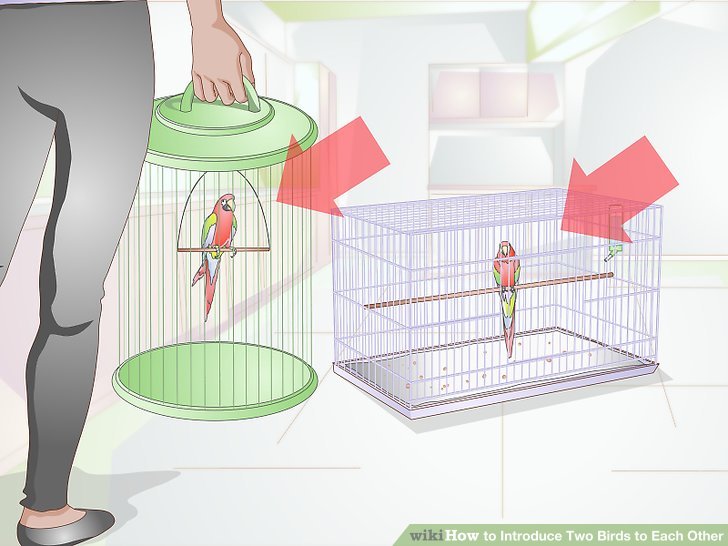
Following the introduction of birds, ongoing care and vigilance are crucial for their well-being and successful integration. Careful monitoring and adjustments to their environment are essential to ensure a harmonious coexistence. The initial period after introduction is often the most critical, and proactive measures will significantly contribute to a positive outcome.Proper post-introduction care involves not only attentive observation but also a proactive approach to address any emerging challenges or potential conflicts.
Understanding the specific needs of each bird species and adapting the environment accordingly will enhance their comfort and safety. This includes providing ample space, appropriate foraging opportunities, and maintaining a consistent routine.
Sustaining a Positive Environment
The environment plays a pivotal role in the birds’ adaptation and interaction after introduction. Creating a safe space where they can comfortably coexist is paramount.
- Adjusting Space and Resources: Observe the birds’ behavior closely. If one bird consistently displays aggressive behavior, increasing the available space or providing dedicated foraging areas may help alleviate the tension. For instance, introducing additional perches or strategically placed branches can offer escape routes and alternative resting spots, reducing competition. Ensure that each bird has its own territory, if possible.
If one bird seems particularly stressed, consider temporary separation with the use of partitions or secure enclosures, gradually reintroducing them as their behavior improves.
- Consistent Routine: Maintaining a consistent daily routine, including feeding and water access times, will provide a sense of predictability and reduce stress. This predictability can be a powerful tool for creating a sense of security and routine.
- Monitoring Interactions: Regular observation is vital to detect any signs of conflict or discomfort. Pay attention to body language, vocalizations, and feeding patterns. Signs of stress, such as feather plucking, loss of appetite, or hiding, should prompt immediate intervention. A bird’s behavior can provide valuable insights into its needs and emotional state.
Introducing Additional Birds
Carefully planned introductions are essential for a positive outcome. The process should never be rushed, and gradual integration is key.
- Gradual Integration: When introducing additional birds, proceed gradually. Initial interactions should be brief and supervised. Allow the birds time to adjust to each other’s presence before increasing interaction duration. Observe their responses to each other. A gradual introduction allows for the establishment of a hierarchy and a better understanding of each bird’s personality.
- Consider Species Compatibility: Different bird species have varying social needs and temperaments. Some species may be more compatible than others. Thorough research into the specific species involved can help determine the likelihood of a harmonious relationship.
Maintaining Well-being
Providing adequate sustenance and a safe environment are crucial aspects of post-introduction care.
- Nutrition and Hydration: Ensure all birds have access to fresh, high-quality food and clean, fresh water at all times. The nutritional needs of each bird species must be considered, and feeding schedules must be adjusted accordingly. A balanced diet is crucial for maintaining good health and preventing stress. Adjusting feeding schedules can be necessary, especially if there is competition over resources.
- Patience and Consistency: Patience is paramount during the post-introduction period. Do not expect immediate harmony. The birds will need time to adjust to each other’s presence. Consistency in care and monitoring is equally important. Regular observation and attentive care will significantly contribute to a successful outcome.
Specific Species Considerations
Introducing birds of different species requires tailored approaches, as individual needs and temperaments vary significantly. Understanding these nuances is crucial for a successful introduction and ensures the well-being of all birds involved. Careful observation and adaptation of the introduction process to each species’ specific requirements will contribute to a positive outcome.
Parrot Introductions
Parrots, renowned for their intelligence and complex social structures, present unique challenges and opportunities during introductions. Their diverse personalities and varying degrees of social needs must be considered. A gradual introduction, allowing for initial observation and assessment of their reactions, is key. Enhancing their environment with appropriate toys and perches can help reduce stress. Visual and auditory cues from the resident bird can be minimized to prevent triggering aggression.
Finch Introductions
Finches, known for their vibrant colors and often delicate nature, require a gentle and measured introduction. Finches are often territorial and prone to stress. A spacious enclosure with multiple perches and hiding spots can ease the transition. Careful monitoring for signs of aggression, such as chasing or pecking, is essential. The introduction should be conducted in a calm, controlled environment to minimize disturbance.
Cockatoo Introductions
Cockatoos, with their distinctive personalities and potential for aggression, require a highly cautious approach. Their vocalizations and powerful beaks can be intimidating. A large enclosure, offering ample space for each bird, is crucial. Initial introductions should be short and supervised. Using visual barriers and auditory distractions can help reduce stress and allow the birds to acclimate to each other’s presence.
Comparative Analysis of Introduction Methods
Different bird species exhibit varied responses to introduction methods. Parrots, with their complex social dynamics, often benefit from a gradual introduction with minimized stressors. Finches, with their tendency towards territoriality, require a calm and spacious environment. Cockatoos, due to their potentially aggressive nature, necessitate a very cautious and supervised introduction.
Potential Challenges and Solutions
Challenges during introductions can range from aggression to fear and stress. Understanding the species’ unique characteristics and applying appropriate methods are vital for resolving these issues. For instance, aggression between parrots can be mitigated by providing ample space and visual barriers. In finches, introducing a new bird too quickly might lead to territorial disputes. Offering a comfortable space with ample hiding spots can alleviate this concern.
Cockatoos might react negatively to loud noises or sudden movements. Maintaining a quiet and controlled environment will be beneficial.
Table of Guidelines for Specific Bird Species
| Species | Key Considerations | Introduction Method | Post-Introduction Care |
|---|---|---|---|
| Parrots | Intelligence, social structure, varying personalities | Gradual introduction, minimizing stressors, providing enrichment | Regular observation, addressing any signs of distress, providing appropriate toys |
| Finches | Delicate nature, territorial tendencies | Gentle introduction, spacious enclosure with hiding spots, careful monitoring | Maintaining a calm environment, offering hiding places, addressing any signs of aggression |
| Cockatoos | Potential for aggression, loud vocalizations | Cautious and supervised introduction, large enclosure, visual barriers, minimizing stressors | Maintaining a quiet environment, allowing time for acclimation, offering appropriate toys |
Final Summary
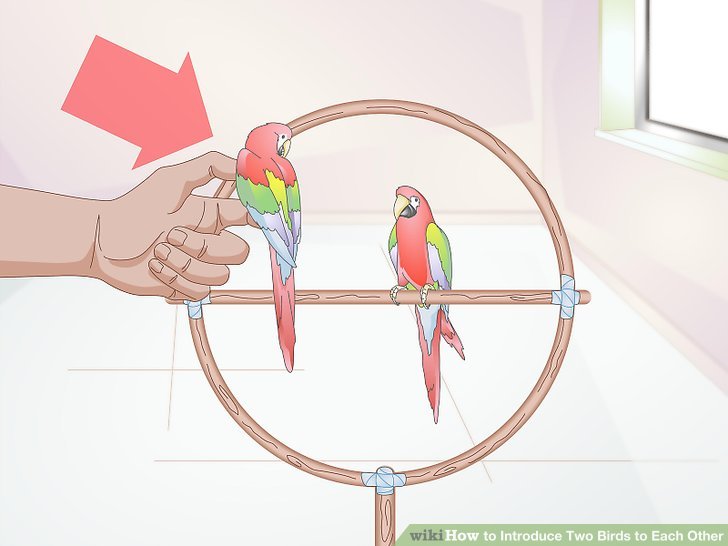
In conclusion, introducing birds to each other requires a thoughtful and multifaceted approach. Careful preparation, a controlled environment, appropriate introduction methods, and diligent monitoring are crucial for a positive outcome. By understanding the individual needs of each bird species and adapting to their reactions, owners can foster harmonious cohabitation. Patience and consistent care are key to ensuring a successful and stress-free introduction process for all birds involved.