Recognizing the subtle signs of illness in birds is crucial for their well-being. From subtle behavioral changes to physical alterations, this guide provides a comprehensive overview of how to identify potential health issues in avian companions. Understanding bird anatomy and common illnesses is essential for providing timely and appropriate care.
This comprehensive guide explores various symptoms, from changes in appetite and activity levels to unusual droppings and feather conditions. It delves into the specifics of different bird species and illnesses, offering a nuanced understanding of what constitutes normal and abnormal behavior. By recognizing these indicators, you can take the necessary steps to ensure the bird’s health and well-being.
Identifying Common Sick Bird Symptoms
Recognizing the subtle signs of illness in birds is crucial for their well-being. Birds often mask their distress, making early detection challenging. A keen eye and understanding of typical avian behaviors are essential tools in identifying potential health problems. By familiarizing yourself with the common symptoms and behaviors associated with illness, you can take proactive steps to ensure the bird’s health and seek veterinary care when necessary.Understanding normal behaviors for different species is key to identifying abnormal ones.
This knowledge allows for a more accurate assessment of a bird’s health, distinguishing between natural behaviors and signs of illness. A healthy bird exhibits a wide range of activities and displays unique characteristics based on its species. A thorough understanding of these nuances is essential for proper care.
Visible Signs of Illness
Observing a bird’s physical characteristics, behavior, and changes in appearance can provide valuable clues about its health status. Changes in appetite, posture, and overall demeanor can signal underlying issues. Detailed observation over time is crucial to detect subtle shifts that may indicate an illness.
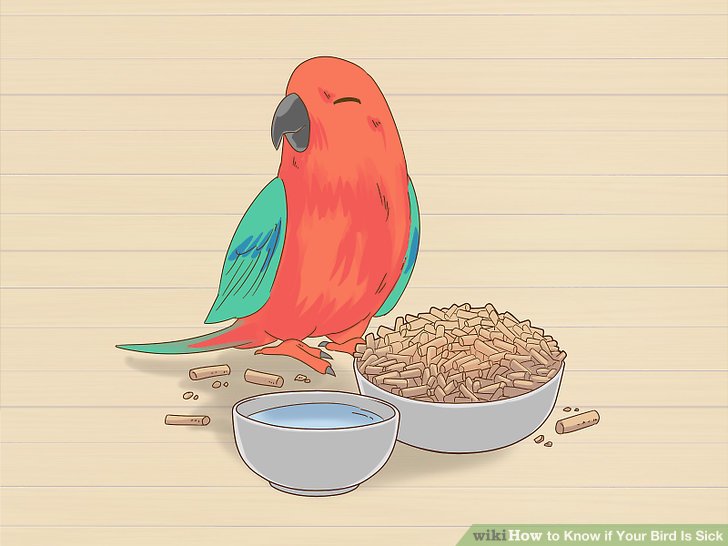
- Changes in appetite: A significant decrease or increase in eating habits can indicate illness. A bird that used to eat voraciously might suddenly lose interest in food, while another might be excessively hungry. These changes can be caused by a variety of factors, including infections, parasites, or digestive issues.
- Changes in posture and movement: A bird exhibiting stiffness, tremors, or difficulty in flying or walking could be experiencing muscle or neurological problems. Observe the bird’s ability to perch, its balance, and its response to stimuli.
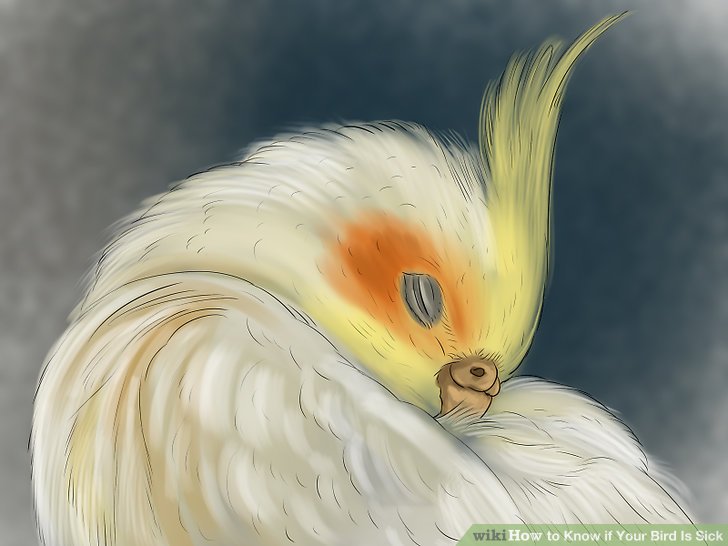
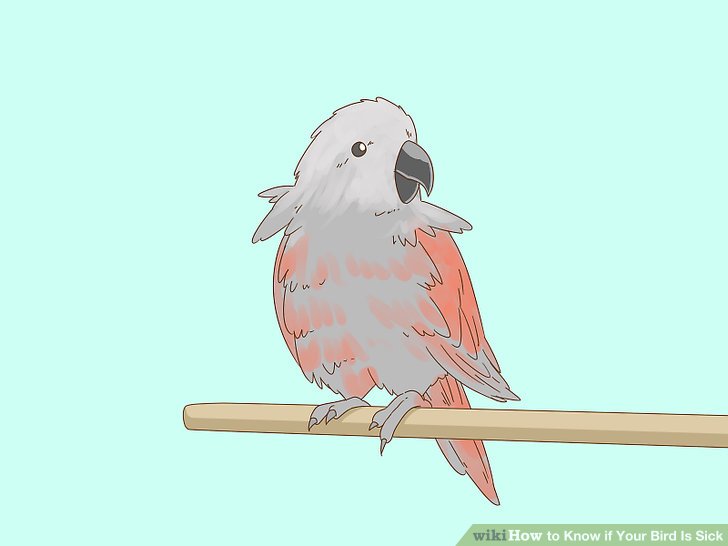
- Changes in feather condition: A bird with ruffled, dull, or matted feathers might be unwell. Plucking, broken, or missing feathers could also indicate illness or stress. Feather condition is highly species-dependent; understanding the normal appearance of the bird’s plumage is crucial.
- Changes in droppings: Unusual color, consistency, or frequency of droppings could signal an issue with the bird’s digestive system or other internal organs. For example, diarrhea or bloody droppings are significant indicators of illness.
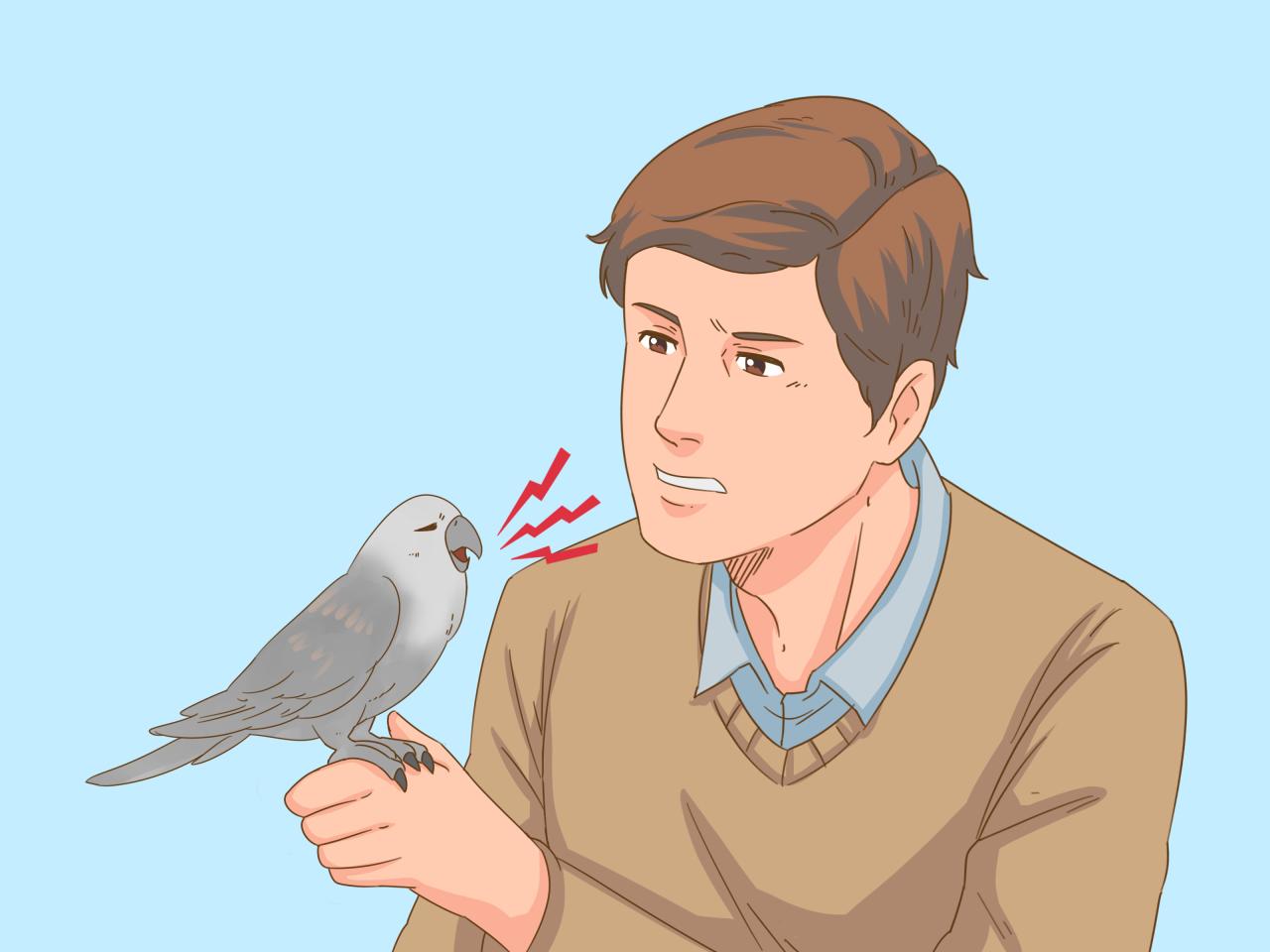
- Changes in vocalization: A bird that usually sings or calls frequently might become quiet or make unusual sounds. Changes in vocalization can indicate pain, discomfort, or respiratory problems. Note any unusual vocalizations and frequency changes.
Behavioral Changes
A bird’s behavior is a critical indicator of its health. Abnormal behaviors can signify various health problems. Comparing the bird’s behavior to its typical patterns can help you identify deviations.
- Changes in activity level: A bird that is usually active might become lethargic or inactive. Conversely, excessive activity can also be a sign of illness, especially if it appears agitated or restless.
- Changes in social interaction: A bird that is normally social might withdraw from its flock or exhibit aggressive behavior towards other birds. A lack of interaction can suggest illness or stress.
- Changes in sleeping patterns: Unusual sleeping habits, such as sleeping in unusual places or sleeping more than usual, might indicate illness. Note if the bird is sleeping with eyes closed and resting normally.
Differentiating Normal and Abnormal Behaviors
Developing a method for distinguishing between natural behaviors and signs of illness is essential. Understanding the typical behaviors of the bird species and individual characteristics is crucial for recognizing any deviations.
| Symptom | Description | Potential Cause |
|---|---|---|
| Loss of Appetite | Bird stops eating or significantly reduces food intake. | Infection, stress, digestive issues, or injury. |
| Lethargy | Bird is unusually inactive and sluggish. | Infection, illness, or injury. |
| Feather Plucking | Bird excessively pulls out its feathers. | Stress, parasites, or neurological disorders. |
| Difficulty Breathing | Labored or rapid breathing. | Respiratory infections, tumors, or trauma. |
| Unusual Droppings | Changes in color, consistency, or frequency. | Digestive problems, parasites, or infections. |
A detailed observation over time is necessary to determine whether the bird’s behavior is normal or a sign of illness. Monitoring the bird’s behavior and physical characteristics is essential for identifying early signs of illness and ensuring timely intervention. Consult with a veterinarian if you suspect your bird is unwell.
Understanding Bird Anatomy and Physiology
A thorough understanding of a bird’s anatomy and physiology is crucial for recognizing signs of illness. Knowing how a healthy bird’s systems function allows us to identify deviations that may indicate a health problem. This section will detail the respiratory, digestive, and nervous systems, highlighting their normal operation and potential dysfunctions in a sick bird.
Respiratory System
The avian respiratory system is remarkably efficient, designed for flight and high-energy demands. It’s a unique closed-loop system with unidirectional airflow through the lungs. This system maximizes oxygen uptake. Air sacs, connected to the lungs, play a vital role in this process. They store air, facilitating continuous gas exchange, even during exhalation.
- Air Sacs: These thin-walled sacs extend throughout the body, expanding and contracting to facilitate airflow. Their presence aids in reducing the bird’s overall weight. Distension or abnormal shape of the air sacs can indicate respiratory issues. For example, a bird with pneumonia might exhibit abnormal air sac expansion.
- Lungs: The lungs themselves are relatively small and compact. Air flows through parabronchi, tiny tubes within the lungs, facilitating gas exchange. Abnormal sounds, such as wheezing or rattling, could signal lung problems.
Digestive System
A bird’s digestive system is highly specialized to process food quickly and efficiently, supporting the energy demands of flight. It consists of a beak, esophagus, crop, proventriculus, gizzard, and intestines.
- Crop: This expandable pouch temporarily stores food before it moves to the proventriculus. Abnormal crop distension or refusal to feed could be a symptom of digestive issues. Crop impaction is a common problem, especially in birds fed unsuitable food.
- Proventriculus (Stomach): This glandular stomach produces digestive juices. Changes in appetite and the consistency of droppings can indicate issues in this part of the system. A bird with a bacterial infection in the proventriculus might exhibit anorexia.
- Gizzard: The gizzard is a muscular part of the stomach that grinds food. Problems here can lead to difficulty in eating or digesting food. A bird with a gizzard disorder may exhibit regurgitation.
- Intestines: The intestines absorb nutrients from the food. Changes in the consistency of droppings, such as diarrhea or constipation, are indicators of intestinal problems.
Nervous System
The nervous system regulates all bodily functions, including flight, feeding, and social interactions. The brain is relatively large compared to other animals, reflecting the complex behaviors of birds. The spinal cord runs the length of the body, controlling peripheral nerves that connect to muscles and sensory organs.
- Brain: The brain coordinates sensory input, motor output, and higher-level functions. A bird with neurological problems might exhibit tremors, paralysis, or changes in behavior. For example, a bird with a brain tumor could show uncharacteristic aggression or fear.
- Spinal Cord: The spinal cord transmits nerve impulses between the brain and the rest of the body. Damage to the spinal cord can cause paralysis or impaired coordination.
- Peripheral Nerves: These nerves connect the central nervous system to the rest of the body. A bird with peripheral nerve damage may exhibit weakness, tremors, or difficulty in performing certain movements.
Assessing Different Types of Illness
Identifying the specific illness affecting a bird is crucial for providing appropriate care. A thorough understanding of the various symptoms and how they manifest across different types of illnesses is vital for timely intervention and successful treatment. Careful observation and record-keeping of symptoms, alongside knowledge of the bird’s history, can greatly assist in diagnosis.Different illnesses in birds can exhibit overlapping symptoms, making accurate diagnosis challenging.
However, by recognizing patterns and nuances in the signs and symptoms, along with the bird’s overall health status, a more informed assessment can be made.
Respiratory Infections
Respiratory infections are common in birds and can range from mild to severe. These infections often present with noticeable breathing difficulties. The symptoms can include labored breathing, nasal discharge, sneezing, and coughing. Birds may also show signs of lethargy and decreased appetite. Respiratory infections can be caused by various bacteria and viruses, highlighting the importance of consulting a veterinarian for proper diagnosis and treatment.
Digestive Issues
Digestive problems in birds are frequently encountered and can stem from a variety of factors, including diet, parasites, and infections. Signs of digestive distress include changes in droppings (e.g., diarrhea, mucus, or blood in the droppings), vomiting, and loss of appetite. Dehydration can also accompany these symptoms. It’s crucial to note the consistency and color of the droppings to gain insights into the possible cause of the problem.
Careful observation of the bird’s eating habits and the quality of the food being provided is essential.
Parasitic Infestations
Parasitic infestations, such as mites, lice, and intestinal worms, are common in birds. These parasites can cause a variety of symptoms, including itching, feather loss, and lethargy. Birds may exhibit restlessness and preen excessively in response to the irritation. Identifying the specific parasite involved is crucial, as different treatments are required for each type of infestation. Detailed examination of the bird’s feathers and skin is often necessary to spot the parasites directly.
Injuries
Injuries in birds can range from minor scrapes to broken bones. Visible signs of injury include bleeding, swelling, and deformity. Birds with injuries may exhibit lameness, difficulty in movement, or noticeable pain responses. In some cases, the bird might hide or appear withdrawn. Immediate attention is crucial for injuries, as they can quickly lead to further complications.
Understanding the bird’s environment and potential sources of injury is vital in preventing future incidents.
Comparison of Symptoms
| Illness Type | Key Symptoms |
|---|---|
| Respiratory Infections | Labored breathing, nasal discharge, sneezing, coughing, lethargy, decreased appetite |
| Digestive Issues | Changes in droppings (diarrhea, mucus, blood), vomiting, loss of appetite, dehydration |
| Parasitic Infestations | Itching, feather loss, restlessness, excessive preening |
| Injuries | Bleeding, swelling, deformity, lameness, difficulty moving, pain responses |
Understanding the nuances of these symptoms is crucial in differentiating between illnesses and enabling prompt and appropriate treatment. It is vital to record specific details about the symptoms, such as the duration and severity, to aid in diagnosis. Thorough observation and documentation of symptoms can contribute significantly to the success of treatment plans.
Recognizing Specific Signs of Distress
Observing subtle changes in a bird’s behavior and physical characteristics is crucial for early detection of illness. Recognizing these signs of distress allows for prompt intervention, potentially saving the bird’s life. By understanding the typical behaviors and appearance of healthy birds, we can more readily identify deviations that signal distress.
Behavioral Changes
Understanding normal bird behaviors is essential for recognizing any changes that could indicate illness or distress. These behaviors can range from subtle reductions in activity to more pronounced alterations in vocalizations. Changes in behavior often precede more visible physical symptoms, making proactive monitoring crucial.
- Reduced Activity: A bird that is normally active and engaged in its environment might exhibit reduced movement, spending more time resting or appearing lethargic. This could be a sign of a wide range of issues, from mild illness to more serious conditions. A bird that typically enjoys foraging or bathing might spend less time engaged in these activities.
- Lethargy: A bird showing lethargy might appear sluggish and unresponsive to stimuli. It may have difficulty maintaining its posture or appear less alert. This can be an indication of various conditions, from nutritional deficiencies to more serious infections.
- Changes in Vocalization: Birds have specific vocal patterns. A change in their usual chirps, songs, or calls might suggest discomfort or illness. A sudden cessation of vocalization or a change in pitch or volume can be significant indicators. For instance, a usually boisterous bird becoming quiet could signal distress.
Feather Condition
The condition of a bird’s feathers provides valuable insights into its overall health. Changes in feather condition can be indicative of a range of issues. Inspecting the feathers regularly allows for early detection of potential problems.
- Ruffled Feathers: Feathers that appear ruffled or dishevelled, rather than smooth and sleek, can suggest discomfort, stress, or illness. This might be caused by physical ailments or environmental factors.
- Loss of Feathers: The absence of feathers in areas where they should be present can be a significant sign of illness or a parasitic infestation. The loss of feathers can be progressive and indicate underlying health issues.
- Unusual Discoloration: Changes in the color of feathers can be caused by various factors, from stress to underlying health conditions. Any unusual discoloration should be noted and considered in the overall assessment.
Abnormal Droppings
Bird droppings can provide crucial clues about their health status. Changes in consistency, color, or frequency can be significant indicators of illness.
- Changes in Consistency: A change in the consistency of droppings from the usual firm or pasty state to watery or liquid consistency might indicate a digestive issue or infection.
- Changes in Color: Variations in the color of droppings, such as an unusually dark or bright color, can suggest a problem with the bird’s digestive system or liver function. A sudden change from the usual color is important to note.
- Frequency of Droppings: An increase or decrease in the frequency of droppings can be a sign of illness or stress. A notable increase or decrease should be evaluated in conjunction with other symptoms.
Importance of Immediate Action
Prompt and decisive action is crucial when observing signs of illness in a bird. Delaying treatment can significantly impact the bird’s well-being and, in many cases, lead to irreversible consequences. Recognizing the urgency of the situation and taking appropriate steps is vital for maximizing the chances of a positive outcome.
Potential Consequences of Delayed Treatment
Delayed treatment for sick birds can exacerbate existing conditions and lead to complications. A simple respiratory infection, if left untreated, can progress to pneumonia, potentially causing organ damage or even death. Similarly, a seemingly minor injury, if not addressed promptly, can become infected, leading to further complications. Furthermore, delayed treatment can impact the bird’s immune system, making it more vulnerable to secondary infections.
Examples of such consequences include worsening symptoms, organ failure, and ultimately, death. It is important to remember that each bird’s situation is unique, and the severity of potential complications depends on the specific illness, the bird’s overall health, and the promptness of intervention.
Prioritizing Immediate Action
Assessing the bird’s condition is the first critical step in prioritizing immediate action. This involves carefully observing the bird’s behaviour, noting any changes in its usual activities, and paying attention to its physical appearance. Does the bird show signs of lethargy, loss of appetite, or difficulty breathing? Is its plumage ruffled or dull? Identifying specific symptoms helps in determining the severity of the situation and guides appropriate actions.
If the bird exhibits severe symptoms, such as complete inactivity, labored breathing, or significant loss of weight, immediate veterinary attention is imperative.
Seeking Help
If you suspect your bird is sick, reaching out to a qualified avian veterinarian is essential. Many avian veterinarians have specific expertise in bird care, and they can accurately diagnose the problem and recommend the best course of action. Consult your local avian veterinary clinic or specialist for prompt help. Avian vets often have experience with specific bird species, and they can provide tailored treatment plans to address the particular needs of the bird.
Providing information about the bird’s history, diet, and recent environment will also be beneficial for the veterinarian to assess the situation. Do not hesitate to call your veterinarian for guidance even if you are uncertain about the severity of the situation.
Immediate Veterinary Attention for Severe Cases
Some situations demand immediate veterinary intervention. Symptoms such as complete inactivity, difficulty breathing, tremors, seizures, and significant changes in behaviour warrant immediate veterinary attention. These signs may indicate life-threatening conditions requiring urgent treatment. Prompt consultation with an avian veterinarian is critical in such instances. Examples of conditions requiring immediate intervention include severe respiratory distress, neurological issues, or significant trauma.
Delayed treatment in these situations can lead to severe complications or even death.
Seeking Veterinary Care
Seeking veterinary care for a sick bird is crucial for its well-being and recovery. Prompt and appropriate veterinary intervention can significantly improve the chances of a positive outcome. A qualified avian veterinarian possesses specialized knowledge and experience in the unique needs of birds, enabling them to provide the best possible care.Avian veterinarians understand the complexities of bird anatomy, physiology, and behavior, as well as the varied diseases and ailments that can affect birds.
Their expertise extends beyond diagnosing and treating common illnesses; they can also offer preventative care, advice on husbandry, and long-term management strategies to ensure the bird’s health and happiness.
Finding a Qualified Avian Veterinarian
Finding a veterinarian specializing in avian care is vital. Online searches using s like “avian veterinarian,” “exotic bird vet,” or “bird vet near me” can yield a list of potential candidates. Checking online reviews and testimonials from other bird owners can provide valuable insights into a veterinarian’s experience and approach. Additionally, contacting local avian societies or animal shelters can often provide referrals to qualified professionals.
Preparing for a Veterinary Visit
Thorough preparation for a veterinary visit maximizes the effectiveness of the consultation and aids in accurate diagnosis. Collecting a comprehensive history of the bird is paramount. Details like the bird’s age, breed, and any known medical conditions are crucial. A detailed account of the bird’s diet, living environment, and any recent changes or stressors should also be provided.
This comprehensive information allows the veterinarian to develop a more accurate understanding of the bird’s overall health status.
Collecting Information About the Bird’s History
Gathering information about the bird’s history involves a meticulous approach. Record the bird’s age, breed, and any known medical conditions. Note any recent changes in behavior, appetite, or droppings. Details about the bird’s diet, including types of food and feeding schedule, are significant. Describe the bird’s living environment, including cage size, materials, and social interactions with other birds.
Also, document any recent stressors or environmental changes that might have influenced the bird’s health.
Essential Information for the Veterinarian
A structured approach to sharing information with the veterinarian streamlines the consultation and facilitates a more accurate diagnosis. This table provides a comprehensive guide to the essential details to share with the avian veterinarian.
| Category | Specific Information |
|---|---|
| Bird’s Profile | Age, breed, sex, any known medical conditions |
| Dietary Habits | Types of food, feeding schedule, any recent changes in appetite |
| Living Environment | Cage size, materials, temperature, humidity, social interactions |
| Behavioral Changes | Any recent changes in behavior, such as lethargy, aggression, or changes in vocalization |
| Recent Events | Any recent stressors, environmental changes, or interactions with other animals |
| Symptoms | Specific signs of illness, such as breathing difficulties, lethargy, changes in droppings, or changes in behavior |
Home Care for Minor Illnesses
Providing appropriate care at home can significantly improve a sick bird’s chances of recovery. This involves creating a supportive environment, ensuring proper nutrition and hydration, and closely monitoring the bird’s condition. A proactive approach is crucial in managing minor illnesses and preventing complications.
Creating a Supportive Environment
A comfortable and stress-free environment is vital for a sick bird’s recovery. Maintaining a quiet and familiar space minimizes stress and allows the bird to focus on healing. Avoid loud noises, sudden movements, or disturbances. This is particularly important for birds exhibiting signs of anxiety or discomfort. The enclosure should be clean and free of potential hazards.
Removing any potentially harmful items or materials is essential. Ensuring proper temperature regulation is crucial. Maintain a consistent temperature range within the bird’s normal comfort zone. This prevents further stress and promotes healing.
Maintaining a Clean and Healthy Environment
Regular cleaning and disinfection of the cage and surrounding areas are essential to prevent the spread of infections. A clean environment reduces the risk of secondary infections and promotes the bird’s overall well-being. Use mild, bird-safe disinfectants and thoroughly rinse all surfaces to avoid any residue that could harm the bird. This includes cleaning food and water bowls, perches, and toys.
Discard soiled bedding or nesting materials promptly and replace them with fresh, clean ones.
Providing Appropriate Nutrition and Hydration
Adjusting the diet to meet the bird’s specific needs is important during illness. Offer easily digestible foods that are high in nutrients and calories to support the bird’s recovery. A variety of soft, mashed, or easily-swallowed foods may be helpful. Offer a high-quality, formulated diet for birds with compromised appetites or digestive issues. Ensure a fresh supply of clean water is readily available at all times.
If the bird is having trouble drinking, consider offering a shallow dish or using a dropper to deliver water directly to its beak.
Monitoring the Bird’s Progress and Seeking Veterinary Care
Regularly observe the bird’s condition, paying close attention to any changes in its behavior or symptoms. Note the frequency of eating, drinking, and defecating. Document any changes in activity levels, vocalizations, or posture. Keep a detailed record of observations, including dates, times, and descriptions of symptoms. If the bird’s condition worsens, shows no improvement after a few days, or exhibits new symptoms, seek veterinary care immediately.
A veterinarian specializing in avian medicine is best equipped to provide a diagnosis and recommend appropriate treatment.
Preventing Future Illnesses
A proactive approach to avian health involves understanding and implementing preventative measures. By creating a suitable environment and providing a balanced diet, you significantly reduce the risk of your feathered companions contracting illnesses. Consistent hygiene practices are equally crucial for maintaining a healthy habitat.Maintaining a bird’s well-being requires a multi-faceted approach that considers their unique needs. A clean, safe environment, a nutritious diet, and appropriate hygiene practices form the cornerstone of preventive care.
These strategies minimize the likelihood of disease outbreaks and promote a healthy lifestyle for your birds.
Creating a Clean and Safe Environment
A clean and safe environment is paramount to preventing bird illnesses. This encompasses more than just a clean cage; it includes appropriate enrichment and stress reduction. A safe environment minimizes exposure to pathogens and promotes overall well-being.
- Cage Cleaning and Maintenance: Regular cleaning of the cage and accessories is essential. This involves removing waste, soiled bedding, and food debris. Use appropriate cleaning solutions and tools to avoid introducing harmful chemicals or irritants to your birds. Disinfecting surfaces with a suitable avian-safe solution regularly helps eliminate bacteria and viruses. A routine cleaning schedule helps maintain hygiene and prevents the buildup of harmful microorganisms.
- Proper Cage Placement: The placement of the cage affects the bird’s health. Avoid placing it in drafty areas, near direct sunlight, or in high-traffic areas where potential hazards exist. A quiet, stable environment reduces stress and supports their natural behaviors.
- Enrichment and Stimulation: Providing stimulating toys and activities prevents boredom and promotes mental well-being. This can include foraging toys, climbing structures, and interactive games to satisfy their natural instincts. Mental stimulation helps reduce stress, which can significantly impact a bird’s immunity.
Providing a Nutritious Diet
A balanced and varied diet is critical for maintaining a bird’s immune system and overall health. Providing a balanced diet minimizes nutritional deficiencies that can make birds more susceptible to illness. Variety is key, and specific dietary needs depend on the species.
- High-Quality Commercial Bird Foods: Select a high-quality commercial bird food formulated for your bird’s species and age. Look for foods rich in essential nutrients, vitamins, and minerals. These foods should provide a baseline nutritional requirement for the bird’s needs.
- Supplements and Treats: Supplements and treats can enhance a bird’s diet, but they should never replace a balanced commercial food. Consult with a veterinarian to ensure supplements are appropriate for your bird’s species and health. Small amounts of healthy treats can be incorporated as part of a balanced diet, such as mealworms, berries, or fruits, but always in moderation.
- Fresh Water: Fresh, clean water should always be available. Change the water daily and ensure the water source is easily accessible. Clean water prevents dehydration and illness.
Maintaining Appropriate Hygiene
Proper hygiene practices protect birds from potential pathogens and promote a healthy environment. Consistent hygiene practices are vital in maintaining a healthy bird habitat.
- Hand Washing: Always wash your hands thoroughly before and after handling your birds to prevent transferring pathogens. This simple step can significantly reduce the risk of spreading illness. Hand hygiene is critical in maintaining overall cleanliness.
- Preventing Cross-Contamination: Avoid cross-contamination of food and water sources. Clean and disinfect feeding and watering equipment regularly to prevent the spread of bacteria and viruses. Prevent the mixing of foods or water from different birds, and make sure that feeding areas are not contaminated with fecal matter.
- Regular Cleaning of Accessories: Regularly clean and disinfect perches, toys, and other cage accessories. Clean these items at least weekly to eliminate bacteria and viruses that could cause illness.
Final Thoughts
In conclusion, this guide provides a practical framework for identifying sick birds. By understanding the common symptoms, the underlying causes, and the importance of immediate action, you can empower yourself to provide the best possible care. Early detection and prompt veterinary intervention are crucial for successful treatment and recovery. Remember that this guide serves as a starting point; consultation with a qualified avian veterinarian remains essential for accurate diagnoses and tailored treatment plans.