Protecting avian life is crucial for maintaining a healthy ecosystem. This guide delves into the essential knowledge and practical steps needed to ensure the safe flight of birds. From understanding their unique needs and flight patterns to mitigating human-induced threats, we explore a range of strategies to foster a safer environment for these remarkable creatures.
This comprehensive guide addresses the full spectrum of bird safety, from the intricacies of bird anatomy and physiology to the crucial role of community engagement. It explores the challenges birds face in urban environments and provides detailed insights into bird-safe landscaping and design. Further, it offers practical advice on handling injured birds and creating bird-friendly habitats.
Understanding Bird Safety
Birds, with their remarkable adaptations for flight, face a multitude of challenges in their daily lives. Understanding their anatomy, physiology, flight patterns, and the threats they encounter is crucial for ensuring their safety. This section delves into the factors influencing avian flight safety, providing a comprehensive overview for a better understanding of their needs.Bird flight is a complex interplay of physical attributes and environmental conditions.
From the intricate structure of their wings to the delicate balance of air currents, various elements contribute to the success or failure of their aerial journeys. Protecting these magnificent creatures requires a deep understanding of these complex factors.
Bird Anatomy and Physiology for Flight
Bird anatomy is exquisitely designed for flight. Hollow bones reduce weight, powerful pectoral muscles provide the necessary thrust, and specialized feathers create lift and control. The intricate structure of their respiratory system enables efficient oxygen intake during sustained flight. These physical adaptations allow birds to perform aerial feats beyond the capabilities of most other animals.
Typical Flight Patterns and Behaviors
Birds exhibit diverse flight patterns depending on species and purpose. Migratory birds, for instance, undertake long-distance journeys, often following specific routes and utilizing prevailing winds. Songbirds typically display shorter, more erratic flights, focused on foraging and territory defense. Raptor flight patterns, characterized by powerful soaring and hunting dives, exemplify the diversity in avian aerial strategies. Understanding these patterns is crucial to recognizing potential threats.
Common Threats to Birds During Flight
Numerous factors pose risks to birds during flight. Collisions with structures like buildings and power lines are significant threats, particularly for migratory birds. Predators, such as hawks and owls, actively hunt birds in flight, making predation a constant risk. Pollution, including chemical contaminants in the air, can negatively impact birds’ health and flight abilities. Climate change, altering wind patterns and food availability, also poses an increasing threat.
Environmental Factors Influencing Bird Safety During Flight
Environmental conditions play a vital role in bird safety. Strong winds can disorient birds, leading to exhaustion and collisions. Adverse weather conditions, like storms and heavy rain, disrupt flight patterns and increase the risk of injury or death. The availability of food and water resources during flight is also crucial. Disturbances from human activities, such as noise pollution and habitat loss, further complicate the birds’ journey.
Comparison of Flight Characteristics Across Bird Types
| Bird Type | Wing Shape | Flight Style | Typical Threats |
|---|---|---|---|
| Raptors (Hawks, Eagles) | Pointed, powerful wings | Soaring, hunting dives | Collisions, human disturbance, habitat loss |
| Songbirds (Sparrows, Warblers) | Rounded, smaller wings | Short, erratic flights, foraging | Collisions, predation, habitat loss |
| Waterfowl (Ducks, Geese) | Streamlined wings, webbed feet | Sustained flight, long migrations, aquatic foraging | Collisions, hunting, habitat loss |
This table highlights the diverse flight characteristics across various bird types, emphasizing the varying adaptations and threats they face. Each species has unique adaptations to its environment, which contribute to its survival strategies.
Preventing Hazards for Birds in Flight
Protecting avian populations necessitates understanding and mitigating the risks they face, particularly in human-dominated environments. Birds, often navigating complex landscapes, are vulnerable to collisions with structures, disturbances from human activities, and altered habitats. This section explores common threats and actionable strategies to ensure safe passage for these feathered travelers.
Common Human Activities Posing Risks to Birds
Human activities frequently create hazards for birds in flight. Understanding these risks allows us to implement preventative measures. Many activities disrupt natural flight patterns and can lead to collisions.
- Recreational Activities: Activities like boating, fishing, and using recreational vehicles near water bodies or open spaces can startle birds, causing them to fly erratically and potentially collide with obstacles.
- Construction and Development: Construction projects and urban development often result in habitat loss and fragmentation, leading to increased competition for resources and potentially unsafe flight corridors.
- Agricultural Practices: Pesticide use, monoculture farming, and other agricultural practices can negatively impact bird populations by reducing food sources and altering natural habitats. This can lead to stress and vulnerability during flight.
- Light Pollution: Intense artificial light sources can disorient birds, particularly at night, disrupting their natural navigation systems and increasing the risk of collisions with buildings or other structures.
Urban Environments and Bird Flight Safety
Urbanization significantly alters bird flight paths and poses unique challenges. The dense concentration of buildings, roads, and other human-made structures creates a complex and often hazardous environment for birds.
- Increased Collision Risk: The abundance of buildings and windows in urban areas presents a substantial risk of collisions. Birds often mistake windows for open spaces, leading to fatal injuries.
- Habitat Fragmentation: Urban development fragments natural habitats, reducing available food sources and nesting sites, and forcing birds to fly through more challenging, human-altered landscapes.
- Noise Pollution: High levels of noise pollution can disrupt bird communication, navigation, and breeding cycles, making them more vulnerable to collisions and other dangers.
Strategies for Reducing Collisions with Windows and Buildings
Bird collisions with windows remain a critical concern in urban environments. Strategies to mitigate this risk focus on making windows less visually appealing and more detectable to birds.
- Window Treatments: Employing specific treatments can help birds avoid collisions. This includes using decals, films, or specialized coatings on windows to make them less reflective and more visible.
- Building Design: Modifying building designs to incorporate features that minimize bird strikes can be beneficial. Strategies such as incorporating vegetation and avoiding large, unobscured glass facades are examples.
- Bird-Safe Landscaping: Strategic placement of vegetation can help guide birds away from windows and provide safe landing spots.
The Role of Landscaping in Creating Safe Bird Habitats
Careful landscaping can enhance bird safety and create more welcoming environments. This approach promotes natural behaviors and minimizes dangers.
- Providing Food Sources: Planting native trees and shrubs that provide birds with essential food sources, such as berries, seeds, and insects, can attract birds and reduce their need to fly through potentially hazardous areas.
- Creating Safe Nesting Sites: Including nesting boxes, shrubs, and other suitable nesting materials in landscaping designs encourages birds to stay in the area, reducing their need to venture into dangerous urban environments.
- Protecting Existing Habitats: Preserving existing natural areas and minimizing disturbances to those areas can create more secure and less hazardous spaces for birds to live and travel.
Bird-Safe Window Treatments
Various options are available to mitigate the risks associated with window collisions.
| Type of Treatment | Description | Effectiveness |
|---|---|---|
| Decals | Visually disruptive decals placed on windows. | Moderate to High. Effectiveness depends on the design and placement. |
| Films | Transparent films applied to windows that scatter light. | High. Reduces reflectivity and makes windows more noticeable. |
| Window Coatings | Specialized coatings that change the reflectivity of windows. | High. Creates a visual barrier for birds. |
| Bird-Repellent Netting | Mesh netting placed over windows or areas prone to bird strikes. | High. Physically blocks birds from accessing windows. |
Protecting Birds During Migration
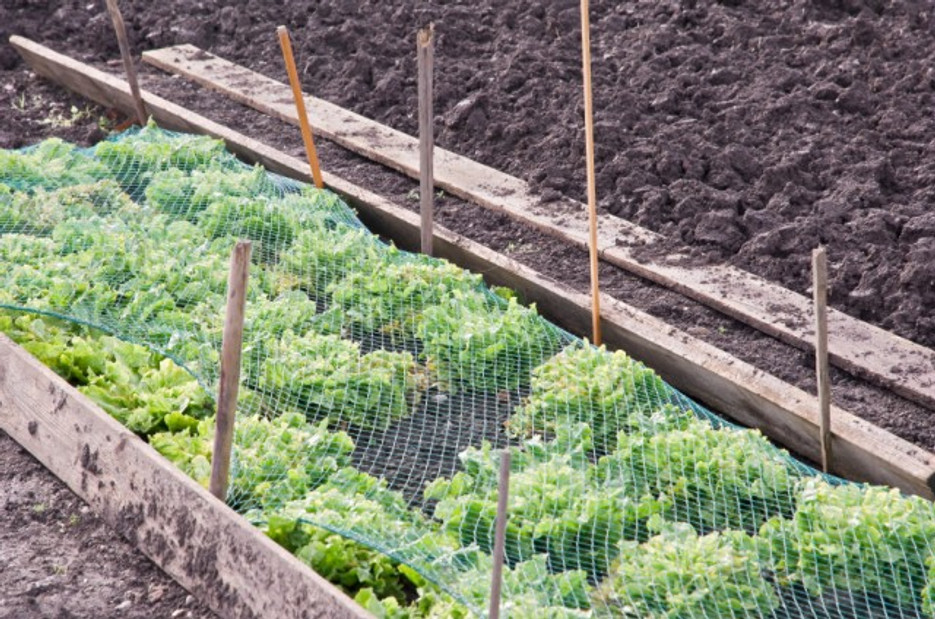
Migration is a crucial life cycle stage for many bird species, demanding incredible physical endurance and navigational skills. Birds undertake these journeys across vast distances, often encountering significant challenges that can jeopardize their survival. Understanding these challenges and implementing protective measures is paramount for ensuring the continued health of avian populations.The arduous journey of migration exposes birds to numerous perils, ranging from harsh weather conditions and geographical obstacles to human-induced dangers.
Protecting these vulnerable travelers requires a multifaceted approach that addresses both natural and anthropogenic threats. Strategies for bird conservation during migration must prioritize habitat preservation and mitigation of human-induced risks.
Challenges Faced During Migration
Birds face numerous challenges during their migratory journeys. These challenges include unfavorable weather conditions, such as strong winds, storms, and extreme temperatures. Furthermore, geographical barriers, such as mountain ranges and large bodies of water, can pose significant obstacles to their progress. The depletion of resources along the migratory routes, such as food and water sources, can further hinder their survival.
Importance of Migratory Bird Sanctuaries
Migratory bird sanctuaries play a vital role in safeguarding bird populations during their journeys. These designated areas provide safe havens for birds, offering respite from predators and harsh environmental conditions. They also offer crucial stopover points where birds can replenish their energy reserves before continuing their migration. Sanctuaries often have dedicated staff and resources to monitor bird populations and address any emerging threats.
Human-Induced Dangers During Migration
Human activities significantly impact bird populations during migration. Collisions with human-made structures, such as power lines, wind turbines, and buildings, are a major cause of mortality. Habitat destruction and fragmentation along migration routes lead to reduced food availability and nesting sites. Pollution from various sources, including pesticides and industrial emissions, can also have detrimental effects on birds’ health and survival.
Light pollution disrupts natural navigation patterns and can lead to disorientation and collisions.
Strategies for Protecting Birds During Migration
Various strategies can be implemented to safeguard birds during their migratory routes. These include the establishment and maintenance of migratory bird sanctuaries. The development of wind turbine designs that minimize bird strikes and the use of bird-safe lighting are important measures. Promoting sustainable land use practices, which protect natural habitats along migration routes, is also crucial. Public awareness campaigns can educate people about the importance of bird conservation and encourage responsible behavior.
Stricter regulations regarding the use of pesticides and other harmful substances can further reduce threats.
Migratory Routes of Common Bird Species
| Bird Species | Primary Migratory Route |
|---|---|
| Canada Goose | North America, crossing the Atlantic Ocean |
| American Robin | North America, often over the Atlantic Ocean |
| Monarch Butterfly | North America, over thousands of miles, crossing multiple states |
| Whooping Crane | North America, across the central and eastern parts of the United States and Canada |
| Arctic Tern | Arctic to Antarctic regions, covering the longest migration routes |
Safe Handling and Release of Birds
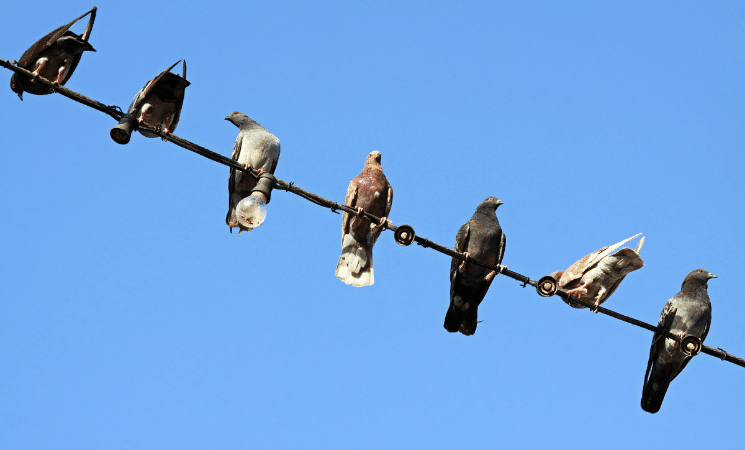
Protecting injured birds requires careful handling and consideration for their well-being. Approaching these situations with sensitivity and knowledge of proper procedures is crucial to ensure the best possible outcome for the bird and minimize potential harm. A systematic approach, including safe transportation and rehabilitation strategies, is essential for successful reintroduction.
Proper Procedures for Safely Handling Injured Birds
To prevent further injury to the bird, it is essential to approach it cautiously and gently. Use soft, non-abrasive materials for containment. Avoid sudden movements or loud noises that could startle or frighten the bird. Careful observation of the bird’s behavior, such as its posture, breathing, and vocalizations, provides valuable insight into its condition. This initial assessment helps determine the necessary level of care and the best course of action.
Safe Transportation of Birds
Secure and appropriate containers are crucial for transporting injured birds. These containers should provide adequate ventilation and prevent the bird from injuring itself against the sides or escaping. The container should be appropriately sized to accommodate the bird comfortably and prevent unnecessary stress. Proper temperature regulation within the container is important to maintain the bird’s body temperature and prevent overheating or hypothermia.
Bird Rehabilitation Procedures
Rehabilitating injured birds is a complex process requiring specialized knowledge and resources. The rehabilitation plan should address the bird’s specific needs, such as nutritional requirements, environmental enrichment, and appropriate medical care. Provision of a safe and stimulating environment is vital for the bird’s recovery. Monitoring the bird’s progress and adjusting the rehabilitation plan as needed are crucial to ensure its successful return to the wild.
Release Procedures for Birds
The release of a rehabilitated bird into the wild must be carefully planned and executed. The release site should be suitable for the bird’s species, providing a safe environment with sufficient food and shelter. Consideration of the bird’s prior environment and the local conditions at the release site are crucial. Gradually acclimating the bird to the environment before release is essential to minimize stress and enhance the chances of successful reintegration.
Supervised observation after release is recommended to monitor the bird’s adaptation to its new environment.
Steps to Take if a Bird is Found Injured
This table Artikels the crucial steps to take when encountering an injured bird. Following these procedures will greatly enhance the bird’s chances of recovery and successful return to the wild.
| Step | Action |
|---|---|
| 1. Assess the situation safely | Observe the bird from a distance, ensuring your own safety and the bird’s. Avoid touching the bird unless necessary. |
| 2. Gently approach and contain the bird | Use soft materials to gently capture the bird. Minimize stress and ensure no further injury occurs. |
| 3. Transport the bird to a suitable rehabilitation facility | Use a secure container with proper ventilation and temperature regulation. Avoid overcrowding or putting the bird in direct sunlight or extreme temperatures. |
| 4. Contact an avian veterinarian or wildlife rehabilitator | Seek professional guidance for the most appropriate care based on the bird’s condition. |
| 5. Follow the rehabilitation plan | Ensure the rehabilitation facility provides a tailored plan that includes medical care, nutritional support, and environmental enrichment. |
| 6. Monitor the bird’s progress | Regular observation is crucial to assess the bird’s recovery and adapt the plan accordingly. |
| 7. Release the bird carefully | Choose a suitable release site that matches the bird’s species and environmental needs. Gradual acclimation and supervised observation post-release are important. |
Creating Bird-Friendly Environments
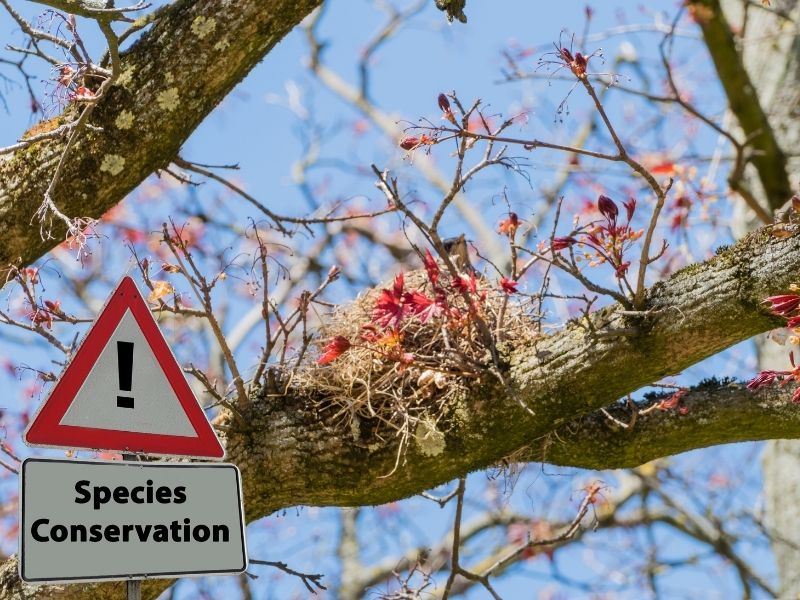
Encouraging avian biodiversity in our surroundings is vital for their well-being and our enjoyment of nature. Creating bird-friendly environments involves thoughtful consideration of the habitats that support their needs. This includes providing appropriate food, water, shelter, and minimizing threats from human activities.A well-designed bird-friendly environment promotes healthy bird populations and contributes to a more balanced ecosystem. By understanding the requirements of different bird species, we can create spaces that encourage their flourishing.
Plants that Attract Birds
A variety of plants provide essential food and shelter for birds. Their nutritional value and structural elements contribute to the overall health of the avian community.
- Berries and Fruits: Many birds rely on berries and fruits as a crucial part of their diet, particularly during migration and winter. Species like hawthorn, elderberry, and serviceberry are excellent choices. The availability of these fruits directly impacts bird populations.
- Flowers and Seeds: Flowering plants and seed-bearing plants provide nectar and seeds, which are important sources of energy. Plants like sunflowers, zinnias, and coneflowers are particularly attractive to various bird species.
- Evergreen Trees and Shrubs: These plants offer year-round cover and nesting sites. Species like pine, juniper, and holly are valuable additions to a bird-friendly garden.
Providing Bird Feeders and Water Sources
Consistent access to food and water is critical for bird survival, especially during challenging periods.
- Bird Feeders: Providing bird feeders with high-quality, appropriate seed mixes ensures birds have a reliable food source. Regular cleaning and replenishment are essential to prevent disease transmission.
- Water Sources: Fresh, clean water is crucial for drinking and bathing. Providing shallow dishes or birdbaths ensures birds have a reliable source of hydration.
Avoiding Pesticides and Herbicides
The use of pesticides and herbicides poses a significant threat to birds, impacting their health and food sources.
Minimizing the use of these harmful chemicals is crucial for maintaining a healthy environment for birds. Natural pest control methods should be prioritized whenever possible. This approach protects birds and supports a sustainable ecosystem.
Creating Birdhouses and Nesting Sites
Providing nesting sites offers birds a safe place to raise their young, protecting them from predators and harsh weather conditions.
- Birdhouses: These structures provide shelter and privacy for birds to raise their young. Proper placement and design are essential for attracting specific species.
- Nesting Boxes: These structures can mimic natural cavities, offering safe nesting spots for cavity-nesting birds.
Creating a Bird-Safe Garden: A Step-by-Step Approach
Designing a bird-friendly garden involves careful planning and execution.
- Choose a Location: Select a location that receives ample sunlight and has suitable space for plants, feeders, and water sources.
- Select Appropriate Plants: Choose plants that attract birds, ensuring a variety of food and shelter options. Consider the needs of different bird species.
- Install Bird Feeders and Water Sources: Place feeders and water sources in accessible locations, ensuring they are easily accessible and regularly maintained.
- Create Nesting Sites: Provide birdhouses or nesting boxes in strategic locations, considering the preferences of different bird species.
- Minimize Pesticide Use: Adopt natural pest control methods to avoid harming birds and maintaining a healthy ecosystem.
- Maintain the Garden Regularly: Regularly clean bird feeders and water sources, and maintain plants to prevent the buildup of pests and diseases.
Educating the Public on Bird Safety
Public awareness is crucial for bird conservation. By understanding the threats birds face, individuals can take actionable steps to protect them. Educating the public fosters a sense of responsibility and encourages community participation in bird conservation efforts. This understanding extends beyond simply appreciating birds to actively preventing harm and promoting their well-being.Effective education programs can empower individuals to make informed decisions about their interactions with birds, minimizing human-induced threats.
These programs need to be accessible, engaging, and tailored to diverse audiences. A multifaceted approach, encompassing various communication channels and educational materials, can significantly enhance public understanding and promote responsible bird-watching practices.
Importance of Public Education
Public education plays a pivotal role in fostering a culture of bird conservation. By disseminating knowledge about bird safety, we can encourage individuals to avoid harmful practices and actively contribute to their protection. This knowledge empowers people to make informed choices about their interactions with birds, thus mitigating risks and creating a more harmonious coexistence between humans and avian life.
Understanding the challenges birds face, such as habitat loss, pollution, and human-induced threats, allows individuals to become active participants in safeguarding bird populations.
Effective Educational Resources
Various educational resources can effectively communicate bird safety messages to diverse audiences. These resources range from informative websites and brochures to engaging workshops and interactive exhibits. These tools can convey critical information about bird behavior, migration patterns, and the threats they face, fostering a deeper understanding of their needs and vulnerabilities.
Examples of Educational Resources
- Informative Websites and Social Media Platforms: Dedicated websites and social media accounts can provide easily accessible information about bird safety, featuring articles, videos, and interactive maps. For instance, the Cornell Lab of Ornithology offers comprehensive resources on bird identification, behavior, and conservation, fostering a strong foundation for public understanding. Similarly, well-designed social media campaigns can reach wider audiences and disseminate crucial safety messages in an engaging format.
- Educational Brochures and Pamphlets: Clear and concise brochures and pamphlets, distributed in parks, community centers, and libraries, can effectively disseminate vital information on bird safety and responsible birdwatching. These resources can offer practical advice on how to minimize disturbance to birds and how to avoid common hazards. Local birdwatching groups can play a significant role in distributing these materials.
- Workshops and Presentations: Workshops and presentations offered at schools, community centers, and local nature organizations provide an opportunity for direct interaction and Q&A sessions. These interactive learning environments foster a deeper understanding of bird safety and encourage active participation in conservation efforts.
- Interactive Exhibits and Displays: Museums and nature centers can use interactive exhibits to illustrate bird migration routes, common hazards, and responsible birdwatching practices. These displays can engage visitors of all ages and create a memorable learning experience.
Methods for Communicating Bird Safety Messages to Diverse Audiences
Effective communication strategies are essential to reach diverse audiences and ensure the message resonates across various communities. Tailoring communication methods to different age groups and cultural backgrounds is crucial to maximize engagement and impact.
- Accessibility and Inclusivity: Educational materials should be accessible to people with diverse learning styles and needs. This includes providing resources in multiple languages and formats (e.g., audio versions, large print). Making information easily understandable is key.
- Engaging Visuals: Incorporating engaging visuals, such as photographs and videos, can enhance understanding and make information more appealing. Using clear, concise language is equally important for diverse audiences.
- Interactive Experiences: Interactive tools, such as quizzes and games, can engage audiences of all ages and help reinforce learning. These activities can make bird safety information more enjoyable and memorable.
- Partnerships with Community Organizations: Collaboration with local community organizations and groups can expand the reach of educational efforts. These partnerships can help tailor messages to specific communities and ensure wider dissemination of information.
Role of Community Involvement in Bird Conservation
Community involvement is paramount for successful bird conservation. Engaging local communities in conservation efforts can create a sense of ownership and responsibility. This fosters a collective effort to protect birds and their habitats. Citizen science projects, for instance, empower individuals to contribute valuable data about bird populations and behavior, aiding conservationists in understanding and addressing challenges.
Educational Resources Table
| Resource Type | Description | Target Audience | Example |
|---|---|---|---|
| Websites/Social Media | Online platforms for accessible information | General public | Cornell Lab of Ornithology |
| Brochures/Pamphlets | Printed materials for concise information | Community members | Local park brochures on bird safety |
| Workshops/Presentations | Interactive learning sessions | School groups, community members | Birdwatching workshops at local centers |
| Interactive Exhibits | Visual displays in museums or nature centers | Families, students | Displays illustrating bird migration routes |
Case Studies and Examples
Understanding bird safety requires examining real-world situations where successful interventions and detrimental impacts have been observed. These examples illuminate effective strategies for protecting birds and highlight the crucial role of human actions in shaping avian populations. Analyzing these case studies provides valuable insights into the multifaceted challenges and opportunities in safeguarding bird life.
Successful Bird Rescue and Rehabilitation Efforts
Numerous organizations dedicated to bird rescue and rehabilitation have documented remarkable successes in returning injured or orphaned birds to health. These efforts often involve meticulous care, including specialized diets, supportive environments, and expert veterinary attention. Successful stories often feature the swift and efficient response of dedicated individuals and organizations, enabling the timely intervention necessary for a positive outcome.
- The Peregrine Falcon Rehabilitation Program in the UK has consistently shown high success rates in treating injured peregrine falcons, demonstrating the effectiveness of specialized care and dedicated personnel.
- Several wildlife rehabilitation centers in North America regularly receive injured songbirds, successfully rehabilitating them and returning them to the wild, showcasing the importance of coordinated efforts in bird rescue and care.
Examples of Bird-Safe Urban Design
Urban environments can pose significant threats to birds, but thoughtful design can mitigate these risks. Implementing bird-safe design principles can incorporate elements such as bird feeders, nesting boxes, and landscaping choices that are compatible with bird needs. Examples of such designs emphasize creating safe havens for birds within urban landscapes.
- Cities incorporating bird-safe landscaping, such as the inclusion of native plant species, provide critical habitat and resources for avian species within urban environments.
- Construction projects that incorporate bird-safe design elements, including nest boxes and protected areas, mitigate the negative impacts of urban development on bird populations.
Examples of Successful Community Programs to Protect Birds
Community involvement is vital in protecting bird populations. These programs often involve education initiatives, citizen science projects, and collaborative efforts to enhance bird habitats. The success of such programs hinges on the active participation of community members and their commitment to conservation.
- The “Adopt-a-Bird” program in several communities encourages local residents to participate in bird conservation efforts through habitat monitoring and reporting of sightings, demonstrating the power of community engagement.
- Citizen science projects focused on bird migration patterns allow researchers to collect critical data, enriching our understanding of bird populations and the challenges they face.
Case Studies of the Impact of Human Actions on Bird Populations
Human activities have demonstrably affected bird populations. Deforestation, habitat loss, and pollution are all factors contributing to declines in bird species. Understanding these negative impacts is crucial for implementing effective conservation strategies.
- Studies in agricultural regions have revealed the negative impact of pesticide use on bird populations, emphasizing the need for responsible pesticide application and sustainable agricultural practices.
- The decline of the population of the Whooping Crane in North America is a stark example of the devastating impact of habitat loss and human intervention on a species’ survival.
Detailed Description of a Specific Bird Species and its Challenges in an Urban Environment
The House Sparrow, a common urban bird, faces unique challenges in densely populated areas. Competition for resources, predation from urban predators, and habitat loss are common issues. Understanding these issues is crucial for implementing targeted conservation efforts.
- The House Sparrow, despite its resilience, often experiences competition for food sources from other urban birds and mammals. This competition for resources can negatively affect their survival and reproduction rates.
- Urban predators such as cats, rats, and even larger birds of prey pose a threat to the House Sparrow’s survival in densely populated areas.
- Habitat loss and fragmentation within urban areas often lead to smaller, isolated populations of House Sparrows, making them more vulnerable to environmental changes and impacting their ability to maintain genetic diversity.
Summary
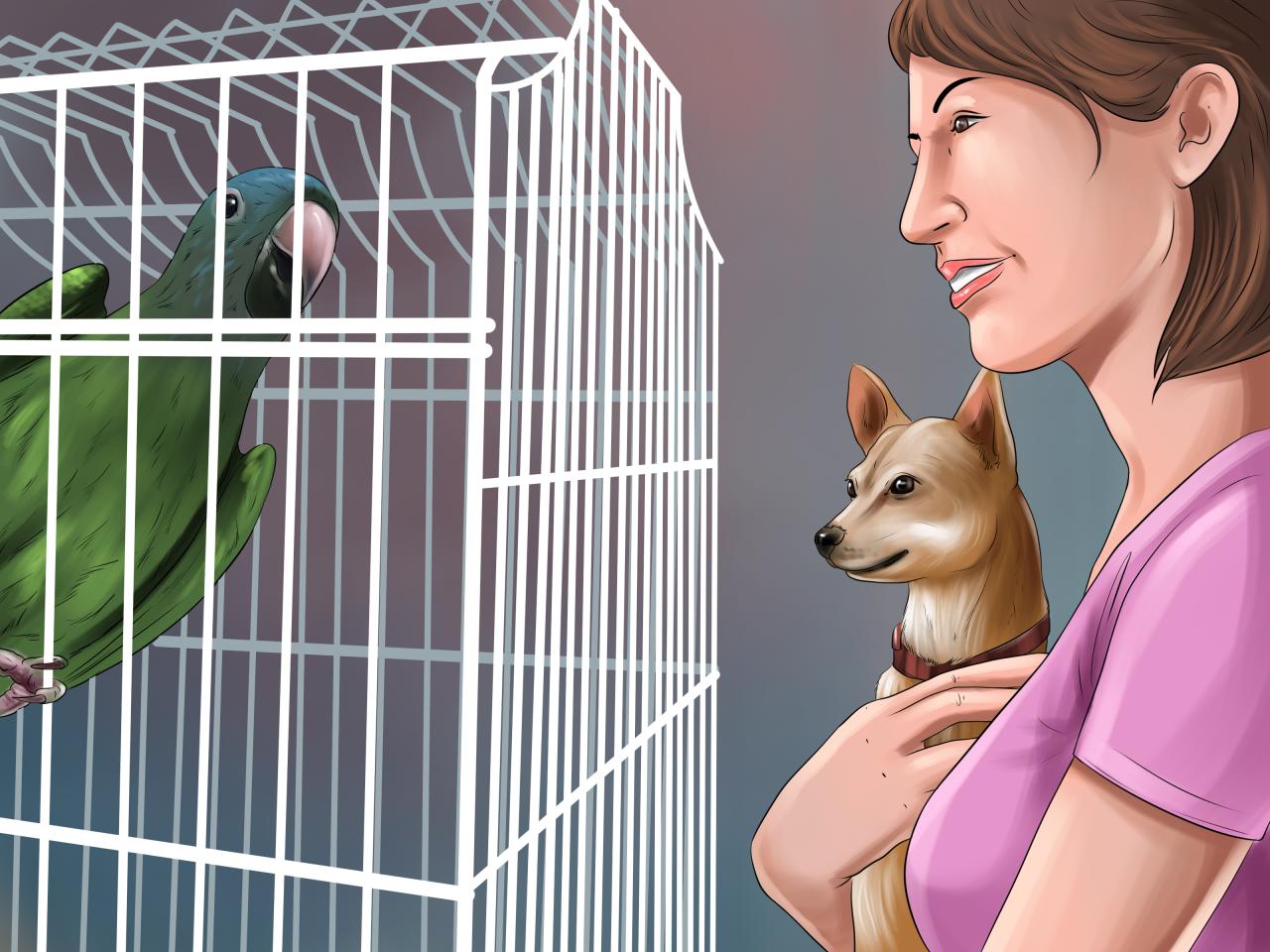
In conclusion, this comprehensive guide has illuminated the multifaceted nature of bird safety. By understanding the intricate relationship between birds and their environment, and by implementing the strategies Artikeld here, we can actively contribute to a safer future for avian populations. The key lies in understanding the challenges they face and taking proactive steps to mitigate human-induced risks.