Bird diseases can significantly impact the health and well-being of avian populations. This comprehensive guide provides a detailed approach to preventing these diseases, covering crucial aspects such as hygiene, nutrition, vaccinations, environmental factors, monitoring, and quarantine procedures. Understanding these preventative measures is vital for maintaining healthy and thriving bird communities.
The guide will delve into practical strategies, from establishing proper hygiene practices in bird enclosures to recognizing early signs of illness. We’ll also explore the role of nutrition and vaccination in bolstering bird immunity and discuss environmental factors that contribute to disease spread. This comprehensive approach will equip readers with the knowledge necessary to protect birds from a variety of diseases.
Introduction to Bird Diseases
Bird diseases encompass a wide spectrum of ailments affecting avian species, ranging from mild infections to severe, life-threatening conditions. These diseases can manifest in various forms, impacting birds’ physical health, behavior, and overall well-being. The types of diseases can include bacterial infections, viral infections, parasitic infestations, and nutritional deficiencies. The consequences of these diseases can be devastating, potentially leading to significant mortality rates within bird populations, particularly in vulnerable groups like nestlings and young birds.The prevention of bird diseases is paramount for maintaining healthy bird populations.
Effective preventative measures safeguard the well-being of individual birds and contribute to the overall health of avian communities. Proactive measures can reduce the spread of diseases, promoting resilience in the face of potential outbreaks and supporting the ecological balance of bird species.
Common Signs and Symptoms of Bird Diseases
Recognizing the early signs of disease is crucial for prompt intervention and treatment. Symptoms can vary greatly depending on the specific disease and the bird’s overall health. Common signs often include changes in appetite, ruffled feathers, lethargy, abnormal droppings, breathing difficulties, and unusual vocalizations. Careful observation and awareness of normal bird behavior are essential for identifying potential issues.
Classification of Bird Diseases
Understanding the different types of bird diseases and their characteristics is vital for effective prevention and management. This knowledge aids in identifying potential threats and implementing targeted control measures. The table below provides a concise overview of common bird diseases, their symptoms, potential causes, and prevention methods.
| Disease Type | Symptoms | Cause | Prevention Methods |
|---|---|---|---|
| Bacterial Infections (e.g., Avian Pox, Salmonella) | Loss of appetite, lethargy, nasal discharge, swelling, skin lesions, diarrhea | Contaminated food and water, stress, close contact with infected birds | Ensure clean food and water sources, quarantine sick birds, maintain good hygiene, avoid overcrowding |
| Viral Infections (e.g., Avian Influenza, Newcastle Disease) | Sudden death, respiratory distress, neurological symptoms, diarrhea, egg production problems | Contact with infected birds or contaminated materials, poor sanitation | Isolate infected birds, implement strict biosecurity measures, vaccinate susceptible birds, maintain hygiene |
| Parasitic Infections (e.g., Coccidiosis, Lice) | Diarrhea, weight loss, anemia, skin irritation, feather loss | Exposure to parasitic organisms, poor hygiene, contaminated environment | Provide clean and sanitary living conditions, deworming treatments, use appropriate pest control measures |
| Nutritional Deficiencies (e.g., Vitamin A deficiency) | Slow growth, feather problems, poor egg production, eye problems, neurological problems | Inadequate diet, lack of essential nutrients in the food | Provide a balanced diet with all essential nutrients, ensure sufficient access to food and water, appropriate supplementation where needed |
Hygiene and Sanitation Practices
Maintaining meticulous hygiene and sanitation is paramount in preventing the spread of bird diseases. A clean and disinfected environment minimizes the risk of pathogens thriving and infecting your feathered companions. Proper cleaning and disinfection protocols are crucial for the health and well-being of all birds in the enclosure.Comprehensive hygiene practices encompass more than just routine cleaning. It involves the careful management of waste materials, regular bedding replacements, and consistent disinfection of surfaces to break the chain of infection.
This proactive approach safeguards your birds from a wide range of diseases.
Crucial Hygiene Practices for Bird Enclosures
A clean and sanitary environment is the cornerstone of disease prevention. Regular cleaning and disinfection of bird enclosures are essential to eliminate pathogens and prevent the buildup of disease-causing agents. This includes proper cleaning and disinfection of all surfaces, including cages, perches, feeders, waterers, and any other items that come into contact with the birds.
- Regular Cleaning and Disinfection: Routine cleaning and disinfection are vital for maintaining a healthy environment. This involves meticulously cleaning all surfaces in contact with birds, ensuring all visible debris and fecal matter are removed. This prevents the buildup of bacteria and viruses that can lead to disease outbreaks.
- Bedding Replacement: Regularly replacing bedding materials is critical. Old bedding can harbor pathogens, and replacing it with fresh material significantly reduces the risk of disease transmission. The frequency of bedding changes should be tailored to the specific needs of the birds and the environment.
- Waste Management: Proper waste management is essential. Regular removal of waste materials and thorough disinfection of the area where waste is collected is critical to prevent the accumulation of disease-causing organisms.
Step-by-Step Guide to Cleaning Bird Cages
Following a standardized cleaning procedure is key to ensuring thorough disinfection. This systematic approach prevents the spread of pathogens and protects your birds from disease.
- Preparation: Gather all necessary supplies, including cleaning solutions, brushes, and protective gear (gloves, mask). Ensure the cleaning area is well-ventilated.
- Removal of Birds: Carefully remove the birds from the enclosure to a safe, separate area. This prevents the birds from coming into contact with cleaning solutions or potentially harmful materials.
- Cleaning Surfaces: Thoroughly clean all surfaces of the cage using warm water and a mild, bird-safe cleaning solution. Focus on areas where birds perch, eat, and drink.
- Disinfection: Apply a suitable disinfectant to all surfaces, following the product instructions carefully. Allow the disinfectant to remain on the surfaces for the recommended contact time to effectively kill pathogens.
- Drying: Thoroughly dry all surfaces before returning the birds to their enclosure. This prevents the growth of mold and bacteria.
- Bedding Replacement: Replace the bedding with fresh, clean material.
- Return Birds: Once the cage is completely dry and disinfected, return the birds to their enclosure. Ensure all food and water sources are clean and replenished.
Cleaning Solutions Comparison
Selecting appropriate cleaning solutions is critical for effective disease prevention. Different solutions have varying degrees of effectiveness against specific pathogens.
| Cleaning Solution | Effectiveness | Safety for Birds | Notes |
|---|---|---|---|
| Mild dish soap | Good for general cleaning | Generally safe | Use a diluted solution; avoid harsh chemicals. |
| Bleach solution (1:10 dilution) | Effective against a broad range of pathogens | Safe in diluted form | Follow manufacturer instructions; extremely corrosive when undiluted. |
| Specialized Avian Disinfectants | High effectiveness against avian pathogens | Bird-safe formulations | Consult product label for specific instructions. |
| Vinegar Solution | Good for removing mineral deposits and sanitizing | Generally safe | Diluted solutions are safe; strong concentrations can damage surfaces. |
Nutritional Management
Proper nutrition plays a crucial role in bolstering a bird’s immune system, making them more resilient to various diseases. A balanced diet provides the essential nutrients required for optimal health, growth, and reproduction, ultimately reducing susceptibility to infections. Understanding nutritional requirements and implementing appropriate feeding strategies is vital for maintaining healthy bird populations.
The Role of Nutrition in Bird Immunity
A well-balanced diet, rich in essential vitamins, minerals, and amino acids, is fundamental to a bird’s immune function. These nutrients support the development and activity of immune cells, allowing the body to effectively combat pathogens. A deficiency in any essential nutrient can compromise the bird’s immune response, increasing their vulnerability to disease.
Identifying Nutritional Deficiencies and Their Connection to Disease
Recognizing signs of nutritional deficiencies is crucial for proactive disease prevention. Symptoms can vary depending on the specific nutrient lacking and the bird species. For instance, a lack of Vitamin A can manifest as poor feather condition and increased susceptibility to respiratory infections. Similarly, a deficiency in calcium can lead to weakened bones, making birds more prone to fractures and other injuries.
Careful observation of a bird’s overall health, including physical appearance, behavior, and activity levels, can help identify potential deficiencies.
Types of Bird Food and Their Nutritional Value
A variety of commercial bird foods and supplementary feed options are available, each with unique nutritional profiles. Seed mixes, formulated specifically for different bird species, provide a source of carbohydrates, protein, and fats. Supplements like mealworms, fruits, and vegetables provide essential vitamins and minerals, contributing to a well-rounded diet. The nutritional value of a particular food source can vary based on factors like the quality of ingredients and processing methods.
Comparing Bird Food Options for Different Species
Different bird species have varying nutritional needs. For instance, finches thrive on a diet primarily consisting of seeds, while parrots require a more varied diet incorporating fruits, vegetables, and nuts. The specific nutritional requirements of different bird species should be carefully considered when selecting a diet. Understanding the natural feeding habits of a bird species can guide the selection of appropriate food.
Nutritional Needs of Different Bird Types
| Bird Type | Primary Food Source | Key Nutritional Needs |
|---|---|---|
| Finches | Seeds, small insects | High in carbohydrates, protein, and fats; vitamins A, D, and E |
| Parrots | Fruits, vegetables, nuts, seeds | High in vitamins, minerals, and protein; calcium, phosphorus, and essential fatty acids |
| Canaries | Seeds, fruits, vegetables | High in vitamins and minerals, including Vitamin A, carotenoids, and calcium |
| Chickens | Grain, pellets, insects | High in protein, carbohydrates, vitamins, and minerals; calcium, phosphorus, and vitamin D |
Note: This table provides a general overview. Specific nutritional needs may vary based on the age, health, and activity level of the bird. Consult with an avian veterinarian or experienced bird keeper for personalized recommendations.
Vaccination and Immunization
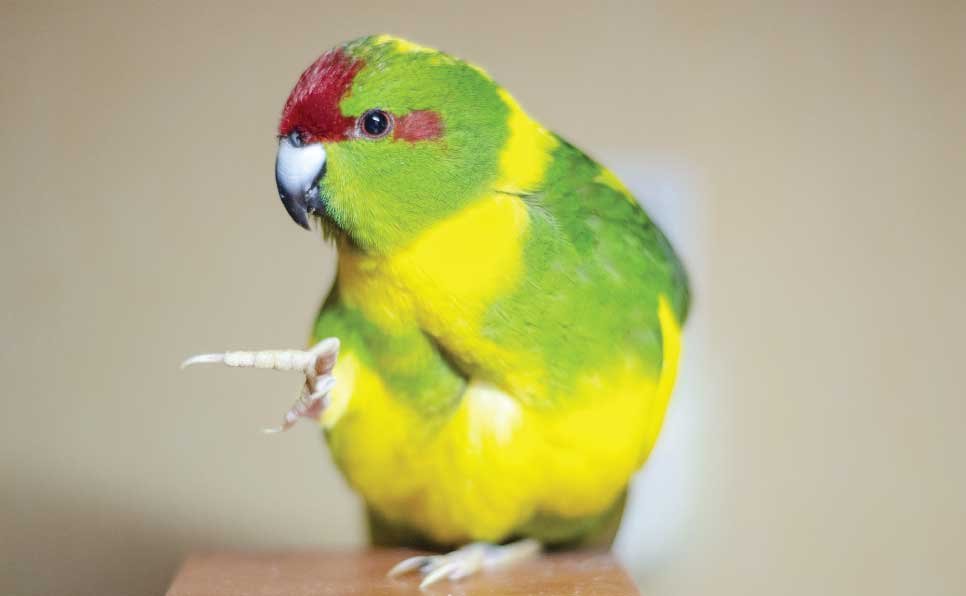
Vaccination plays a crucial role in safeguarding avian health by stimulating the immune system to develop defenses against specific diseases. This proactive approach significantly reduces the risk of outbreaks and mitigates the severity of infections in flocks. Proper vaccination protocols, when implemented correctly, can dramatically decrease the economic losses associated with avian diseases.
Significance of Vaccinations
Vaccination is a cornerstone of preventive medicine in avian populations. It induces immunity against various pathogens, thereby protecting birds from disease. This preventive measure is more cost-effective than treating already established diseases. It minimizes the impact on production, maintaining healthy flocks and reducing the spread of diseases to other birds and beyond.
Veterinary Consultation for Vaccination Schedules
Consulting a qualified veterinarian is essential for establishing tailored vaccination schedules. Veterinarians possess expertise in avian health and can assess individual flock needs based on factors like breed, age, environment, and prior disease exposure. This personalized approach ensures optimal protection and minimizes potential adverse effects. A veterinarian can provide crucial guidance on the appropriate vaccines, dosages, and administration methods.
Potential Side Effects and Management
Vaccinations, like any medical intervention, may occasionally cause mild side effects in birds. These may include localized reactions at the injection site, such as swelling or redness, or systemic reactions such as lethargy, loss of appetite, or mild fever. Monitoring birds closely after vaccination is crucial. Veterinary guidance is essential for appropriate management of these side effects.
Mild reactions often resolve on their own within a few days. However, persistent or severe reactions warrant immediate veterinary attention.
Types of Vaccines Available for Different Bird Species
A wide array of vaccines are available for diverse avian species, targeting various pathogens. The choice of vaccine depends on the specific disease threat and the characteristics of the bird species. Live attenuated vaccines, inactivated vaccines, and recombinant vaccines are some of the different types used. These vaccines work by introducing a weakened or inactivated form of the pathogen, triggering an immune response without causing the full-blown disease.
Each type has its advantages and disadvantages in terms of efficacy, safety, and cost.
Common Bird Diseases and Corresponding Vaccines
| Disease | Vaccine | Notes |
|---|---|---|
| Newcastle Disease | Newcastle Disease Vaccine | A highly contagious viral disease, often causing respiratory and neurological symptoms. Effective vaccines are available for prevention. |
| Avian Influenza (AI) | Avian Influenza Vaccine | Highly contagious viral disease causing respiratory and neurological issues, with significant economic impact. Vaccination strategies vary by subtype and location. |
| Gumboro Disease (Infectious Bursal Disease) | Gumboro Disease Vaccine | A highly contagious viral disease primarily affecting young birds. Vaccination is crucial for prevention and mitigation. |
| Marek’s Disease | Marek’s Disease Vaccine | A highly contagious viral disease affecting the nervous system, leading to significant mortality and morbidity. Vaccination is crucial for preventing widespread infection. |
| Infectious Bronchitis | Infectious Bronchitis Vaccine | A highly contagious viral disease causing respiratory issues and other symptoms. Specific strains of vaccines are available to prevent outbreaks. |
Vaccination is a critical aspect of preventative care in avian health management.
Environmental Factors
Proper environmental management is crucial for preventing the spread of bird diseases. Maintaining a healthy and safe environment minimizes stress on birds, bolstering their immune systems and reducing their susceptibility to various pathogens. This section will detail environmental factors impacting avian health and Artikel steps to create a suitable habitat.
Environmental Factors Contributing to Disease Spread
Environmental factors significantly influence the prevalence and transmission of bird diseases. These factors include inadequate sanitation, improper waste management, overcrowding, and exposure to environmental hazards. Poor hygiene practices create ideal breeding grounds for disease-causing organisms. Conversely, optimal environmental conditions can help maintain healthy birds, reducing their risk of infection.
Role of Stress and Environmental Hazards
Stress significantly weakens birds’ immune systems, making them more vulnerable to disease. Environmental hazards, such as extreme temperatures, inadequate shelter, and exposure to toxins, further exacerbate this vulnerability. Prolonged stress can lead to immunosuppression, reducing the body’s ability to fight off infections. Exposure to pollutants and heavy metals can also compromise avian health.
Creating a Healthy and Safe Environment
A healthy and safe environment for birds involves several crucial elements. These include maintaining appropriate temperature and humidity levels, ensuring adequate shelter and space, and implementing rigorous sanitation and waste management protocols. Regular cleaning and disinfection of bird enclosures, as well as the removal of any potential sources of contamination, are essential to minimizing disease risk.
Importance of Maintaining Optimal Temperature and Humidity Levels
Optimal temperature and humidity are critical for avian health. Birds are highly susceptible to thermal stress, which can severely impact their immune systems. Fluctuations in temperature and humidity can lead to discomfort and illness. Maintaining consistent temperature and humidity within the recommended ranges is essential for maintaining healthy birds. For example, poultry often require specific temperature ranges to prevent chilling or overheating, and improper humidity can lead to respiratory issues.
Environmental Stressors Weakening Bird Immune Systems
Numerous environmental stressors can weaken bird immune systems. These include inadequate shelter, overcrowding, exposure to loud noises, and improper nutrition. For instance, a lack of adequate shelter during inclement weather can lead to hypothermia or exposure to pathogens. Similarly, overcrowded conditions can increase the transmission of diseases through direct contact.
Relationship Between Environmental Factors and Bird Diseases
| Environmental Factor | Impact on Bird Health | Potential Bird Diseases |
|---|---|---|
| Inadequate Sanitation | Creates breeding grounds for pathogens. | Respiratory infections, gastrointestinal disorders. |
| Overcrowding | Increases transmission of diseases through direct contact. | Psittacine beak and feather disease, avian influenza. |
| Extreme Temperatures | Causes thermal stress, weakens immune system. | Heat stroke, hypothermia, respiratory issues. |
| Exposure to Toxins | Damages internal organs, compromises immune function. | Poisoning, various organ damage-related diseases. |
| Inadequate Shelter | Increases vulnerability to environmental stressors, exposure to pathogens. | Fungal infections, respiratory illnesses, frostbite. |
| Lack of Water | Causes dehydration, stress, weakening of the immune system. | Diarrhoea, organ failure. |
Disease Monitoring and Early Detection
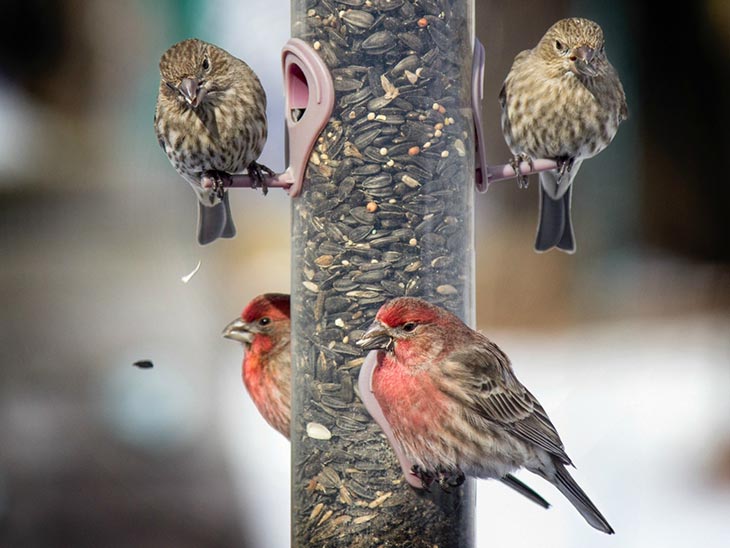
Regular monitoring of bird health is crucial for preventing the spread of diseases and ensuring the well-being of your flock. Early detection of illness allows for prompt intervention, potentially saving birds’ lives and limiting the impact on the entire flock. By establishing a routine observation schedule and recognizing the subtle signs of disease, you can significantly improve the overall health and productivity of your birds.Effective disease management relies heavily on proactive observation and rapid response.
A vigilant eye and an understanding of normal bird behavior are vital to identifying deviations that could signal an emerging health issue. Thorough record-keeping of observations, along with a quick understanding of typical disease symptoms, can lead to swift and targeted treatment, preventing further disease spread.
Importance of Regular Monitoring
Regular monitoring provides a baseline for assessing bird health. By establishing a routine observation schedule, you can identify deviations from normal behavior and appearance that may indicate the onset of disease. This proactive approach allows for early intervention, minimizing the risk of serious health problems and maximizing the chances of successful treatment.
Role of Observation in Early Detection
Careful observation is paramount in recognizing early signs of illness. Familiarizing yourself with the normal behaviors of your birds, such as their feeding patterns, social interactions, and physical activity, is key. Any noticeable changes, such as lethargy, loss of appetite, or unusual vocalizations, should be noted and investigated. Understanding normal variations in behavior allows you to identify deviations more easily.
Recognizing Early Warning Signs of Disease
Early warning signs of disease often manifest as subtle changes in behavior or physical appearance. These signs may include reduced appetite, ruffled feathers, lethargy, nasal discharge, watery eyes, or changes in droppings. A detailed understanding of these signs, along with the knowledge of specific disease symptoms, can aid in timely intervention. Regularly comparing birds to their normal state can help identify these subtle changes quickly.
Documenting Observations and Recording Findings
Maintaining detailed records of your observations is essential for tracking the health of your birds. A dedicated notebook or digital platform can be used to record the date, time, and specific observations made for each bird. Notes should include any changes in behavior, physical appearance, or other relevant details. These records provide valuable data for understanding trends and identifying potential disease outbreaks.
This documented history can be invaluable in diagnosing illnesses.
Bird Health Monitoring Checklist
- Date and Time of Observation
- Bird Identification (e.g., tag number, location)
- Appetite (good, decreased, absent)
- Activity level (normal, decreased, lethargic)
- Feather condition (smooth, ruffled, matted)
- Water intake (normal, decreased)
- Presence of nasal discharge, eye discharge, or diarrhea
- Any unusual vocalizations or behaviors
- Any other notable observations
This checklist provides a framework for consistent and comprehensive bird health monitoring. It ensures that no critical detail is overlooked during observations. Employing this structure promotes efficient and effective recording of bird health information.
Common Disease Symptoms and Corresponding Actions
| Symptom | Possible Disease | Action |
|---|---|---|
| Loss of appetite | Various infections, stress | Isolate the bird, monitor for other symptoms, consult a veterinarian |
| Lethargy | Infectious diseases, nutritional deficiencies | Isolate the bird, monitor for other symptoms, consult a veterinarian |
| Diarrhea | Bacterial or viral infections | Isolate the bird, provide fresh water and electrolytes, consult a veterinarian |
| Nasal or ocular discharge | Respiratory infections | Isolate the bird, provide fresh water, consult a veterinarian |
| Feather pecking | Stress, nutritional deficiencies, or disease | Assess the cause of stress, provide appropriate nutrition, consult a veterinarian if necessary |
This table summarizes common disease symptoms and their corresponding actions. It provides a quick reference guide for addressing potential health issues. By knowing how to respond to various symptoms, you can act promptly to mitigate disease spread.
Quarantine Procedures
Implementing effective quarantine procedures is crucial for preventing the spread of avian diseases within and between flocks. A well-structured quarantine protocol isolates suspected or confirmed cases, limiting the potential for healthy birds to contract infections. This approach minimizes economic losses and maintains public health.
Importance of Isolating Sick Birds
Prompt isolation of sick birds is paramount to preventing the rapid spread of contagious diseases. Early detection and immediate separation from the main flock significantly reduce the risk of infection to other birds. This proactive measure safeguards the overall health of the flock and minimizes the impact of an outbreak.
Appropriate Quarantine Procedures for Preventing Disease Spread
Quarantine procedures should adhere to stringent protocols to effectively prevent disease transmission. These procedures involve specific steps for isolating and managing affected birds. Proper hygiene and sanitation within the quarantine area are essential to minimize the risk of cross-contamination.
Step-by-Step Guide on Setting Up a Quarantine Area
Establishing a dedicated quarantine area is essential for preventing the spread of avian diseases. The quarantine area should be physically separated from the main flock area, ideally with a separate entrance and exit to minimize cross-contamination.
- Selection of Location: Choose a location that is geographically isolated from the main flock and easily accessible for monitoring and cleaning. Avoid areas prone to pests or other environmental stressors.
- Quarantine Facility Design: Design the quarantine facility with adequate space for the birds, providing for appropriate environmental conditions, including temperature, humidity, and ventilation. The space must be large enough to house birds comfortably, promoting good air circulation to prevent humidity buildup.
- Equipment and Supplies: Acquire necessary equipment such as cages, feeders, waterers, and cleaning supplies. Ensure these items are dedicated to the quarantine area and not used elsewhere.
- Hygiene and Sanitation Procedures: Implement stringent hygiene and sanitation protocols within the quarantine area. Regular cleaning and disinfection are essential to minimize the spread of pathogens.
- Monitoring and Record Keeping: Regularly monitor the quarantined birds for signs of illness. Maintain detailed records of observations, treatments, and outcomes.
Necessity of Keeping Quarantined Birds Separate from Healthy Birds
Maintaining strict separation between quarantined and healthy birds is critical to prevent the transmission of infectious diseases. The potential for transmission between flocks, even in the absence of obvious symptoms, necessitates complete separation to safeguard the health of the healthy birds.
Duration of Quarantine Periods for Different Diseases
The duration of quarantine periods depends on the specific avian disease. The quarantine period should be determined by the incubation period of the disease, which is the time it takes for clinical symptoms to appear after infection.
- Highly Contagious Diseases: Diseases like avian influenza and Newcastle disease require prolonged quarantine periods, often extending to several weeks or even months, to ensure no further spread occurs.
- Less Contagious Diseases: Diseases with shorter incubation periods might require shorter quarantine periods, but these should still be sufficient to ensure that any possible infection has run its course.
Quarantine Protocols for Various Bird Species
The specific quarantine procedures may vary depending on the species of bird. Factors like size, behavior, and susceptibility to specific diseases influence the design of the quarantine area.
| Bird Species | Quarantine Period (Days) | Specific Considerations |
|---|---|---|
| Chickens | 21-42 | Susceptible to a wide range of diseases, including respiratory infections. |
| Ducks | 21-42 | Often exhibit a broader range of clinical signs than chickens, potentially impacting the quarantine duration. |
| Parrots | 28-56 | Require specific environmental conditions and can be prone to certain viral diseases. |
| Pigeons | 21-42 | Prone to respiratory infections, requiring careful observation and monitoring. |
Preventing Disease Transmission
Effective disease prevention hinges on minimizing contact between healthy and sick birds. Understanding the routes of transmission and implementing proactive measures are crucial for maintaining the well-being of avian populations. A multifaceted approach, encompassing hygiene, sanitation, and careful management of environmental factors, is essential for successful disease prevention.
Methods for Preventing Disease Transmission Between Birds
Preventing the spread of avian diseases requires a comprehensive strategy that targets various transmission pathways. Proper hygiene and sanitation practices are fundamental, as are the appropriate handling of sick birds and the disinfection of shared resources. Understanding the specific transmission mechanisms for each disease is crucial for targeted interventions.
- Avoiding Contact with Sick Birds: Isolating sick birds is paramount. Direct contact with visibly ill birds should be strictly avoided. This includes minimizing close proximity, physical handling, and shared resources, such as feeders and water sources.
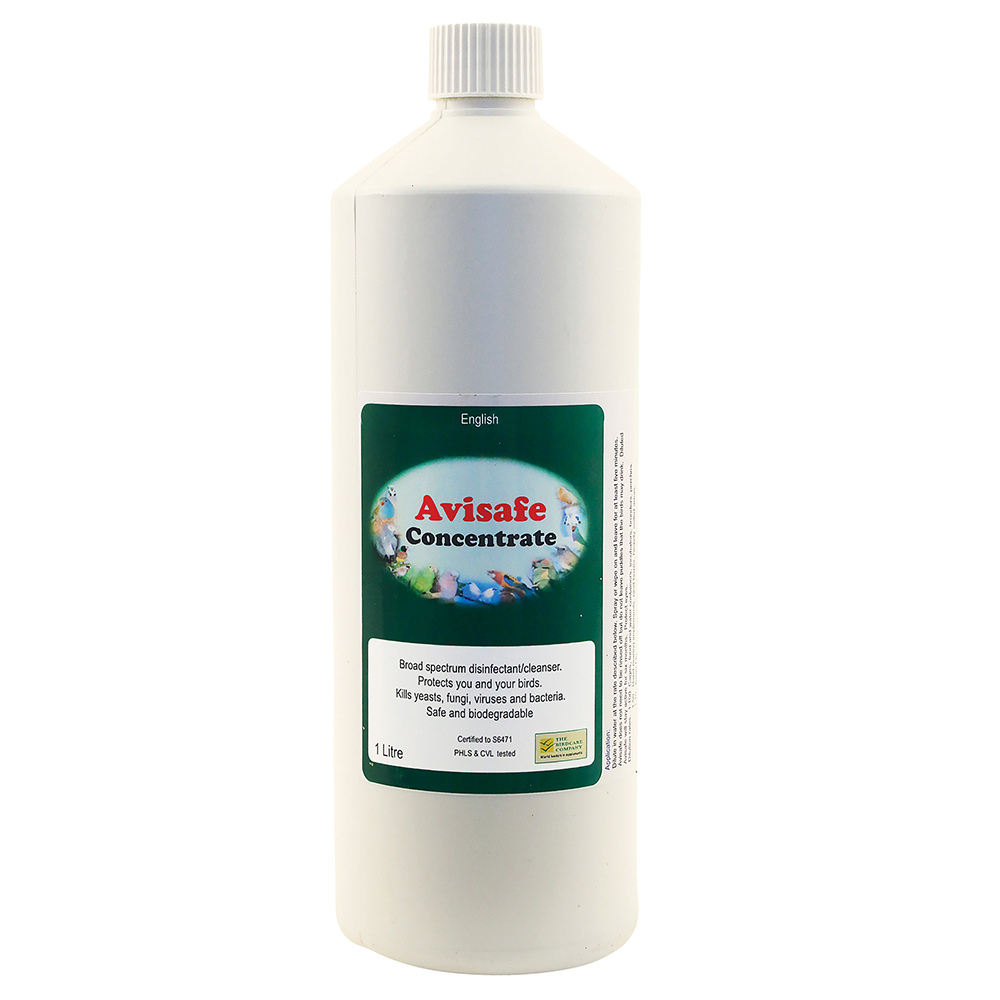
- Disinfection of Shared Items: Regular and thorough disinfection of shared items like feeders, water bowls, and perches is vital. Appropriate disinfectants, following manufacturer instructions, should be used to eliminate pathogens. Thorough cleaning and drying of surfaces are also important for preventing the build-up of disease-causing organisms.
- Vector Management: Vectors, such as insects, rodents, and other animals, can transmit diseases. Implementing measures to control these vectors, such as using traps or insecticides, reduces the risk of disease spread. Proper waste disposal and maintaining clean surroundings are also important components of vector management.
Limiting the Number of Birds in an Enclosure
Overcrowding in enclosures creates stressful conditions, which weakens birds’ immune systems, making them more susceptible to diseases. Maintaining appropriate bird density in enclosures minimizes the risk of disease transmission. This can be achieved through proper enclosure design and management practices.
- Reducing Stress and Spread: A reduced bird density in an enclosure directly impacts stress levels. A decrease in stress levels leads to a stronger immune response, which is crucial for combating diseases. A larger enclosure, allowing for more space per bird, can greatly reduce the transmission rate of pathogens.
Flow Chart for Preventing Disease Transmission
This flowchart Artikels the key steps to prevent disease transmission in avian populations.
| Step | Action |
|---|---|
| 1 | Identify potential disease sources. This involves recognizing and identifying sick birds or potential vectors of disease. |
| 2 | Isolate sick birds immediately. Separate sick birds from the healthy population to prevent further transmission. |
| 3 | Thoroughly disinfect shared items. Use appropriate disinfectants on feeders, water bowls, and perches to eliminate pathogens. |
| 4 | Control vectors. Implement strategies to reduce the presence of vectors that carry diseases, such as insects and rodents. |
| 5 | Maintain appropriate bird density. Ensure that the number of birds in an enclosure is proportionate to the space available to minimize stress and reduce the spread of diseases. |
| 6 | Monitor bird health regularly. Regularly observe birds for signs of illness and promptly address any concerns. |
Treatment and Management of Birds
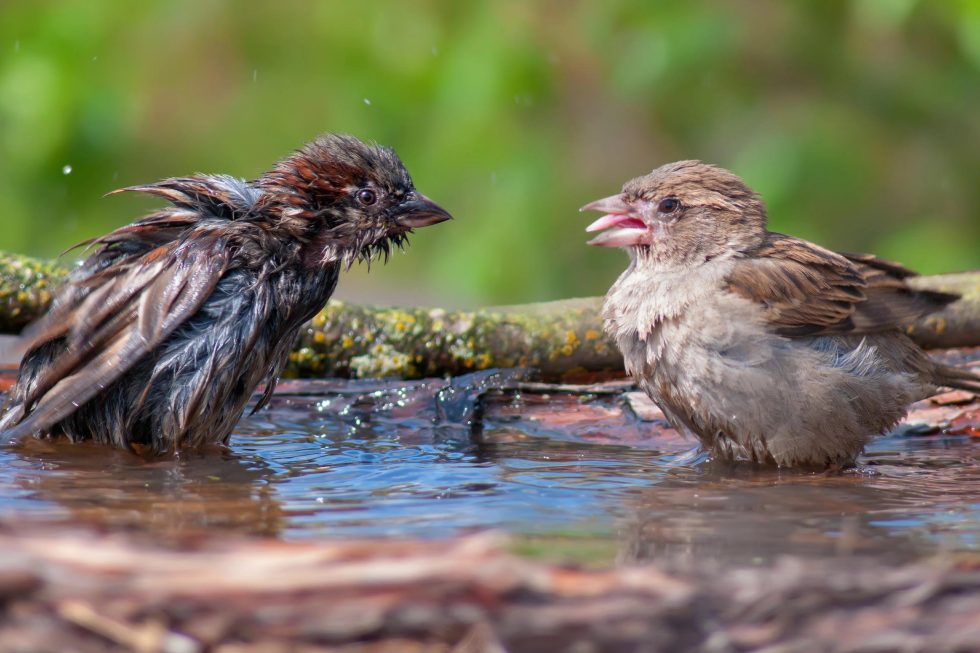
Proper treatment and management of sick birds are crucial for their well-being and recovery. A multifaceted approach, combining veterinary care, at-home supportive care, and prompt recognition of worsening conditions, significantly improves the chances of a successful outcome. Early intervention is key to minimizing the impact of diseases and maximizing the bird’s chances of recovery.
The Role of Veterinary Care
Veterinary care is essential for accurate diagnosis and appropriate treatment of bird diseases. Veterinarians are equipped with specialized knowledge, diagnostic tools, and a range of medications tailored for avian species. They can identify the specific disease, differentiate it from other conditions, and prescribe the most effective treatment plan. This expertise is vital, as bird diseases can mimic human ailments, and misdiagnosis can lead to ineffective or even harmful treatment.
Moreover, veterinarians can provide preventative measures, such as vaccinations, to reduce the risk of future infections.
Providing Basic Care for Sick Birds
Maintaining a supportive environment for sick birds is paramount. Ensure a quiet, stress-free space, free from loud noises or disturbances. Providing a warm, draft-free environment is crucial. Regular monitoring of body temperature and appetite, alongside observation for any changes in behavior or droppings, is vital. Offer a nutritious diet, adjusting it according to the bird’s needs and any restrictions prescribed by the veterinarian.
Cleanliness is critical, ensuring a sanitary environment to prevent secondary infections.
Recognizing When Veterinary Care is Necessary
Observing subtle changes in a bird’s behavior or appearance can signal the need for immediate veterinary attention. Rapidly progressing symptoms, such as difficulty breathing, lethargy, loss of appetite, or significant changes in droppings, warrant immediate consultation. Sudden shifts in temperament, such as aggression or withdrawal, may indicate underlying illness. Severe or persistent symptoms that do not improve with basic care necessitate veterinary evaluation.
Importance of Consulting a Veterinarian for Diagnosis and Treatment
Consulting a veterinarian is critical for accurate diagnosis and effective treatment. Veterinarians possess the specialized knowledge and diagnostic tools to identify the specific disease and its severity. Self-treating can delay proper treatment, potentially worsening the condition. The complexity of avian physiology and the diverse range of diseases necessitate expert guidance.
Importance of Following Veterinary Recommendations
Following the veterinarian’s treatment plan meticulously is essential for a positive outcome. Adhering to prescribed medications, dosages, and frequency is crucial for efficacy. Failure to follow these recommendations can lead to treatment failure, disease progression, or adverse reactions. Close communication with the veterinarian about the bird’s response to treatment is vital.
Table of Bird Diseases, Symptoms, and Treatments
| Disease | Symptoms | Treatments |
|---|---|---|
| Psittacine beak and feather disease (PBFD) | Feather loss, beak abnormalities, lethargy, and weight loss | Supportive care, antiviral medications, and potentially palliative care |
| Avian influenza (AI) | Respiratory distress, lethargy, and diarrhea | Antiviral medications, supportive care, and isolation |
| Aspergillosis | Respiratory distress, coughing, and nasal discharge | Anti-fungal medications, supportive care, and environmental control |
| Candidiasis | Oral and/or skin lesions, and difficulty eating | Anti-fungal medications, dietary adjustments, and environmental improvements |
| Coccidiosis | Diarrhea, weight loss, and lethargy | Anti-parasitic medications, supportive care, and dietary changes |
Note: This table provides a brief overview. Specific symptoms and treatment plans may vary depending on the severity and type of the disease. Consult a veterinarian for personalized guidance.
Summary
In conclusion, preventing bird diseases requires a multifaceted approach encompassing hygiene, nutrition, vaccination, environmental considerations, and vigilant monitoring. By understanding the factors contributing to disease transmission and implementing proactive measures, we can significantly improve the health and longevity of bird populations. This guide offers a roadmap for creating a safe and healthy environment for birds, empowering individuals to contribute to their well-being.