Understanding and preventing feather plucking in birds is crucial for their well-being. This comprehensive guide explores the multifaceted reasons behind this distressing behavior, from environmental stressors to potential medical issues. We’ll delve into the intricate details of each factor, offering practical strategies and insightful solutions to help you create a nurturing and supportive environment for your feathered friend.
This guide provides a detailed breakdown of the causes of feather plucking, encompassing environmental, nutritional, social, and medical factors. By understanding these contributing elements, you can effectively address the root cause of the problem and implement appropriate preventative measures to promote your bird’s health and happiness.
Understanding Feather Plucking
Feather plucking, a distressing behavior in avian companions, can stem from a variety of factors, both environmental and internal. Recognizing the potential causes and symptoms is crucial for providing appropriate care and preventing further distress. Understanding the motivations behind this behavior allows for more effective intervention and ensures the well-being of the feathered friend.
Reasons for Feather Plucking
Feather plucking in birds is a complex issue, often resulting from a combination of stressors and underlying conditions. Birds may pluck their feathers due to a perceived need to alleviate discomfort, stress, or anxiety. This behavior can be a sign of a deeper issue, demanding a thorough evaluation to identify the root cause.
Types of Feather Plucking Behaviors
Various types of feather plucking behaviors exist, each potentially signifying different underlying causes. Differentiating these behaviors is vital for determining the most appropriate course of action.
- Preening-related plucking: This involves excessive preening that leads to feather loss. It is often a sign of boredom or anxiety. This can be observed when the bird is not getting enough environmental enrichment or is experiencing emotional stress. A lack of stimulation can lead to repetitive behaviors, such as excessive preening, that can result in feather loss.
- Aggressive plucking: This involves the bird aggressively pulling out its feathers. It may be a sign of stress or aggression toward itself, or it may be indicative of pain or injury, requiring veterinary intervention. This behavior can be observed in birds subjected to harsh environmental conditions or those experiencing discomfort.
- Plucking for comfort: This type of plucking often occurs when the bird is experiencing pain or discomfort. For instance, a bird with an injury might pluck feathers around the affected area to alleviate the sensation. This type of plucking is often accompanied by other signs of distress, such as lethargy or changes in appetite.
Link Between Feather Plucking and Medical Conditions
Certain medical conditions can contribute to feather plucking in birds. These conditions can range from nutritional deficiencies to infections or parasites. It is essential to consider these possibilities when evaluating the behavior.
- Nutritional deficiencies: A lack of essential nutrients can lead to feather plucking. Birds with inadequate protein, vitamins, or minerals in their diet might experience discomfort, leading to self-soothing behaviors like feather plucking.
- Infections or parasites: Infections and parasites can cause itching, pain, and discomfort, which can prompt birds to pluck their feathers. These conditions often manifest alongside other symptoms, such as lethargy, loss of appetite, or changes in droppings.
- Skin conditions: Skin conditions, such as dermatitis or fungal infections, can cause intense itching and discomfort, prompting the bird to pluck its feathers. These conditions often manifest with redness, scaling, or lesions on the skin.
Common Signs and Symptoms
Observing the signs and symptoms of feather plucking is crucial for early intervention and diagnosis. Recognizing these signs can aid in determining the appropriate course of action.
| Feather Plucking Behavior | Potential Causes | Typical Signs/Symptoms |
|---|---|---|
| Preening-related plucking | Boredom, anxiety, stress | Excessive preening, ruffled feathers, self-isolating behaviors |
| Aggressive plucking | Stress, aggression, pain, injury | Visible distress, agitation, reluctance to interact |
| Plucking for comfort | Pain, injury, discomfort | Lethargy, changes in appetite, limping, specific location plucking |
Preventing Feather Plucking – Environmental Factors
Birds, like humans, can experience stress and anxiety. A stressful environment can manifest in destructive behaviors, such as feather plucking. Understanding the environmental factors that contribute to this behavior is crucial in developing effective preventative measures. A stimulating and enriching environment is paramount in promoting a bird’s well-being and reducing the likelihood of feather plucking.A well-designed environment that caters to a bird’s natural instincts and needs can significantly reduce stress.
This includes providing appropriate space, suitable materials, and opportunities for natural behaviors. Conversely, a monotonous or unstimulating environment can lead to boredom, anxiety, and potentially, feather plucking.
Environmental Factors Contributing to Feather Plucking
Environmental factors play a significant role in triggering feather plucking behavior in birds. A lack of stimulation, inadequate space, and inappropriate social interactions can contribute to stress and anxiety. Insufficient environmental enrichment is a significant risk factor. This can result in boredom, frustration, and ultimately, feather plucking.
Importance of a Stimulating and Enriching Environment
A stimulating and enriching environment is crucial for a bird’s mental and physical well-being. It provides opportunities for natural behaviors, reduces boredom, and minimizes stress. This, in turn, reduces the likelihood of destructive behaviors like feather plucking. Enrichment activities should be tailored to the individual bird’s species and personality.
Examples of Suitable Enrichment Activities
Providing appropriate enrichment activities is vital in preventing feather plucking. These activities should be varied and tailored to the specific bird species. For instance, foraging toys can stimulate a bird’s natural instincts and promote mental engagement. Climbing structures and perches offer opportunities for exercise and exploration.
- Foraging Toys: These toys encourage natural foraging behaviors, stimulating birds mentally and physically. Different types of foraging toys, such as those with hidden treats or puzzle-like designs, are effective. Parrots, for example, often thrive with toys that challenge their problem-solving skills.
- Climbing Structures and Perches: Providing various climbing opportunities and perches allows birds to exercise and explore their surroundings. This promotes natural behaviors and prevents boredom. Different species have different climbing preferences; for example, macaws may appreciate large, sturdy branches for climbing and play.
- Interactive Toys: Toys that involve puzzles, levers, or other interactive elements can stimulate a bird’s curiosity and engagement. This can be a great way to maintain mental stimulation and prevent boredom.
Enrichment Activities Table
The following table compares various enrichment options for birds, categorizing them based on the type of stimulation they provide:
| Enrichment Option | Visual Stimulation | Auditory Stimulation | Tactile Stimulation |
|---|---|---|---|
| Foraging Toys | Yes (objects and colors) | No | Yes (manipulation) |
| Climbing Structures | Yes (height and patterns) | No | Yes (grip and texture) |
| Interactive Toys | Yes (changing positions and patterns) | No | Yes (manipulation and tactile feedback) |
| Mirrors | Yes (reflection) | No | No |
| Bird Baths | Yes (water reflection) | No | Yes (bathing) |
Designing a Safe and Secure Enclosure
A safe and secure enclosure is crucial in preventing stress and feather plucking. The enclosure should be spacious enough to accommodate the bird’s natural behaviors. Adequate perches, nesting areas, and hiding places are vital. The design should also minimize potential stressors such as loud noises, sudden movements, or the presence of other animals. A properly designed enclosure will prevent injuries and promote relaxation, which helps reduce the likelihood of feather plucking.
Preventing Feather Plucking – Nutritional Factors
![Feather plucking in Pet Parrots [bird health] — Prego Dalliance Sanctuary](https://ayumi.web.id/wp-content/uploads/2025/09/aid9095595-v4-728px-Stop-Feather-Plucking-in-Lovebirds-Step-7.jpg "Feather plucking in Pet Parrots [bird health] — Prego Dalliance Sanctuary")
Proper nutrition plays a crucial role in maintaining a bird’s overall health, including the health of their feathers. A balanced diet, tailored to the specific needs of each species, is essential for preventing feather plucking. Inadequate nutrition can lead to various health issues, including feather problems, making a balanced diet a vital preventative measure.A balanced diet for birds provides the necessary nutrients for healthy feather growth and overall well-being.
This includes proteins, essential fatty acids, vitamins, and minerals. These nutrients are crucial for feather formation, structure, and maintenance. Furthermore, a bird’s nutritional needs can vary depending on their age, activity level, and health status.
Nutritional Needs of Different Bird Species
Different bird species have varying nutritional requirements. Understanding these differences is critical for ensuring proper care. Parrots, for example, require a diet rich in fruits, vegetables, and nuts to meet their specific nutritional needs. Seed-eating birds, on the other hand, might need more seeds and grains in their diet. Understanding these variations ensures that the diet is tailored to the bird’s specific needs.
High-Quality Bird Food and Supplements
High-quality bird foods and supplements can significantly promote healthy feather growth. Commercial bird foods often contain a blend of seeds, grains, fruits, and vegetables. These foods should be supplemented with fresh fruits, vegetables, and other treats to ensure a diverse and balanced diet. Furthermore, specific supplements may be necessary to address particular nutritional deficiencies. Consult an avian veterinarian for recommendations tailored to your bird’s needs.
Examples of High-Quality Bird Food
High-quality commercial bird foods are available in various forms, including seed mixes, pellets, and formulated diets. These foods often contain a blend of nutrients, making them convenient for bird owners. Examples of high-quality bird food brands include Harrison’s, Zupreem, and Roudybush. These brands are known for their balanced nutritional content, often incorporating a range of ingredients to ensure comprehensive nutrient coverage.
Remember that these are just examples, and the best choice depends on the specific needs of your bird.
Comparison of Bird Food Options
| Bird Food Type | Nutritional Benefits | Potential Risks |
|---|---|---|
| Seed Mixes | Relatively inexpensive, readily available. May provide some essential nutrients. | Can be unbalanced, lacking certain crucial nutrients. May contain high levels of fat, causing weight gain. Can cause issues with feather health if not supplemented with other food types. |
| Pellets | Often formulated to meet specific nutritional requirements, balanced diet. | Can be expensive. Some birds may not readily accept pellets as their primary food source. |
| Commercial Diets | Specifically formulated to meet the needs of certain bird species, ensuring a balanced nutritional profile. | Can be expensive. Some birds may not readily accept the diet, necessitating a gradual transition. |
Preventing Feather Plucking – Social Factors
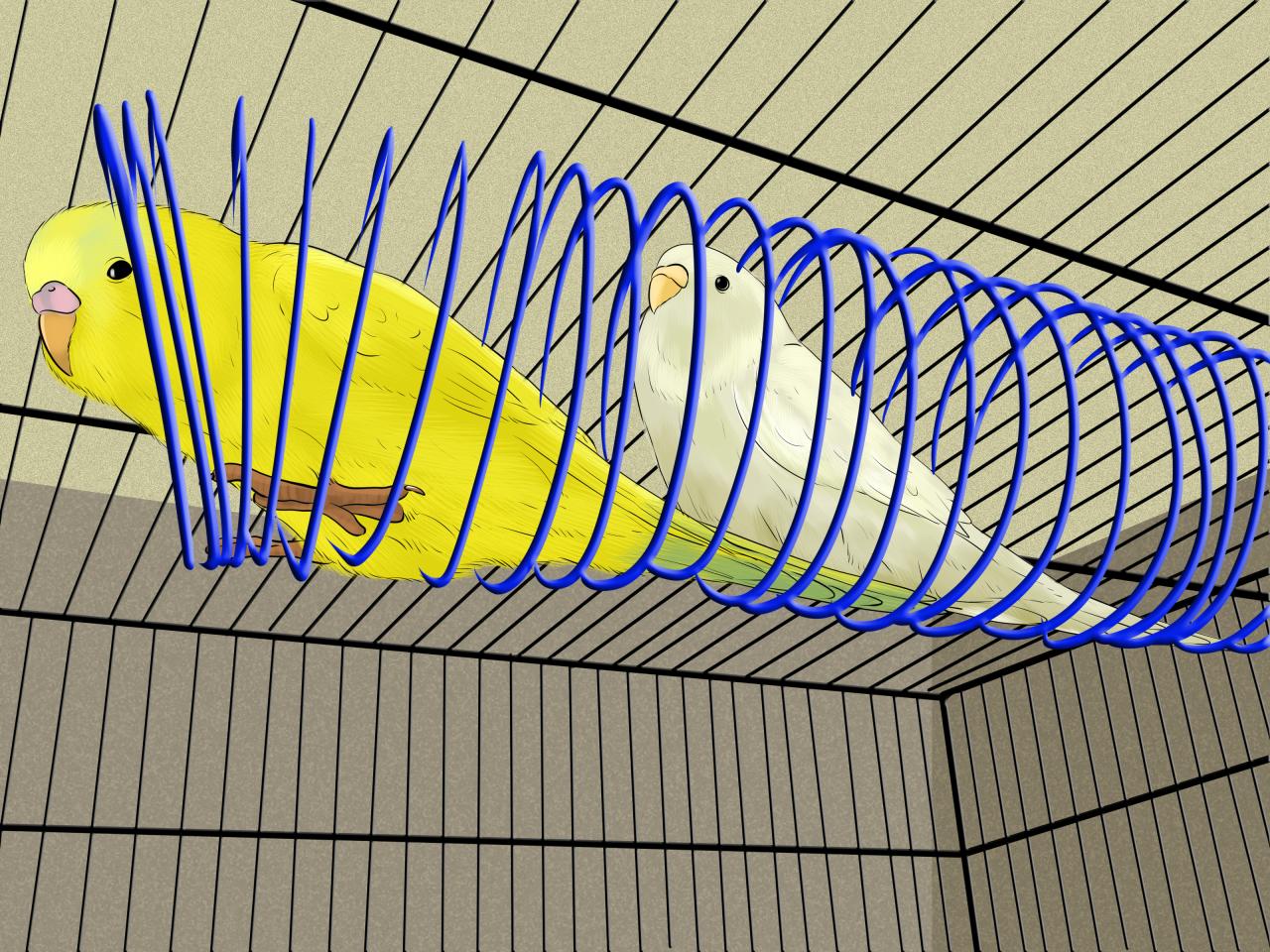
Social interactions play a crucial role in a bird’s well-being and can significantly influence behaviors like feather plucking. Understanding the social dynamics within a flock or pair is essential for preventing this distressing behavior. Negative social interactions, such as aggression, competition, or bullying, can trigger or exacerbate feather plucking. A supportive and enriching social environment is vital for the mental and physical health of avian companions.Social conflicts among birds manifest in various ways, often impacting feather integrity and overall health.
Proper social grouping and pairing are vital in creating a supportive environment, reducing the likelihood of aggression and promoting a harmonious social structure. Different species and even individuals within a species exhibit varying social needs, thus tailoring social arrangements to specific requirements is paramount.
Identifying Social Conflicts
Social conflicts can be subtle or overt, ranging from subtle displays of aggression to outright physical attacks. Observing the birds’ body language is key to identifying potential issues. Indicators include puffed-up feathers, aggressive postures (like raised crests or wings), chasing behavior, and direct attacks. Understanding the species-specific communication signals and interpreting their interactions is critical for accurate assessment.
Addressing Social Conflicts
Identifying the root cause of social conflict is the first step toward effective intervention. Factors such as inadequate space, limited resources, or an imbalance in the social hierarchy contribute to conflict. Providing sufficient space and resources for each bird to express their needs and satisfy their instincts is crucial. Modifying the environment to alleviate stress factors is often an effective approach.
If aggression persists, separating the birds or introducing buffers in the environment can be considered. However, this is a temporary measure, and addressing the underlying issues is crucial for long-term solutions.
Importance of Proper Social Grouping and Pairing
Appropriate social grouping and pairing are crucial for preventing feather plucking. Species-specific social structures dictate the optimal number of birds in a group. For example, some species thrive in larger flocks, while others prefer smaller pairings or even solitary living. Understanding the natural social dynamics of the bird species is vital for creating a suitable environment. Careful consideration of compatibility is essential.
Introducing new birds should be done cautiously and gradually, to allow for acclimation and minimize the risk of conflict.
Comparison of Social Structures
Different social structures impact feather plucking behavior. Flocks of similar species may have different social hierarchies, leading to different levels of conflict. Monogamous species, where a pair bond is strong, may exhibit less feather plucking if the bond is healthy. Conversely, species with complex social hierarchies or those in unstable flocks are at greater risk. It’s important to understand how the bird’s natural social structure affects their behaviour.
Potential Social Conflicts and Intervention Strategies
| Potential Social Conflict | Intervention Strategy |
|---|---|
| Aggressive displays, chasing | Adjust cage/habitat size, provide enrichment items, consider separate cages or dividers. |
| Dominance disputes | Monitor interactions, observe for patterns, offer alternative resources to minimize competition. |
| Resource competition (food, water, perches) | Ensure ample resources, provide multiple feeding/watering stations, adjust locations for perches. |
| Introduction of new birds | Gradually introduce new birds, monitor for signs of aggression, provide ample space. |
| Imbalance in social hierarchy | Assess the social dynamics, consider introducing buffers, consult avian behavior experts. |
Preventing Feather Plucking – Medical Factors
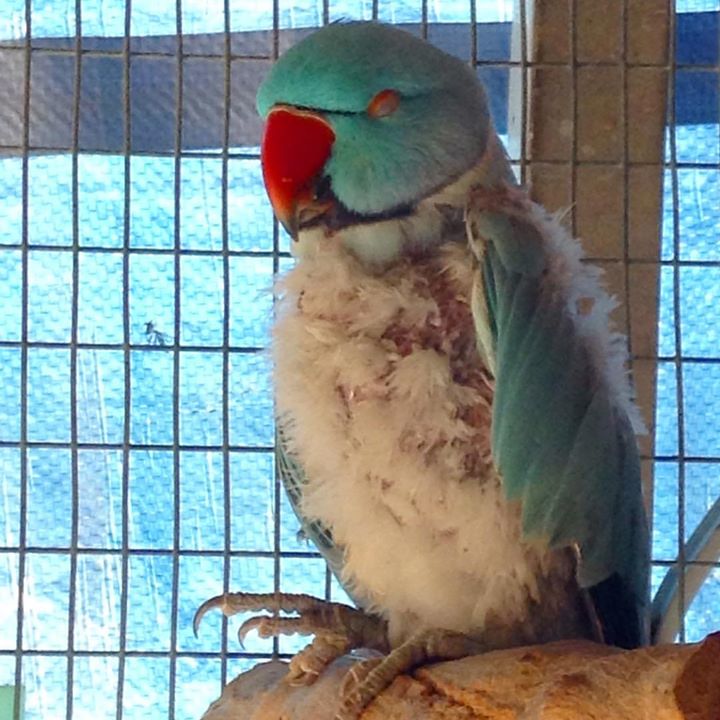
Feather plucking in birds can sometimes be a symptom of an underlying medical condition. Addressing these conditions is crucial for the bird’s well-being and to prevent further damage. A thorough veterinary evaluation is essential to determine if a medical issue is contributing to the plucking behavior.Understanding the potential medical causes of feather plucking, along with appropriate treatments, is vital for successful intervention and management.
Veterinary care is critical in this process, as they can diagnose the root cause and recommend tailored treatment plans.
Importance of Veterinary Care
Veterinary care is paramount in identifying and addressing underlying medical issues that may be contributing to feather plucking. A veterinarian can conduct a comprehensive physical examination, order necessary diagnostic tests, and develop a personalized treatment plan. This approach ensures that the plucking behavior is not a symptom of a more serious condition, such as an infection or hormonal imbalance, and that appropriate treatment is provided.
Early detection and intervention are key to minimizing the impact on the bird’s health and promoting recovery.
Common Medical Conditions
Several medical conditions can trigger or exacerbate feather plucking behavior in birds. These include, but are not limited to:
- Nutritional deficiencies: Inadequate intake of essential vitamins and minerals can disrupt the bird’s hormonal balance and contribute to stress and anxiety, which can manifest as feather plucking. Specific deficiencies may impact the bird’s health in various ways, leading to a range of behavioral issues.
- Infections: Infections, such as bacterial or fungal infections, can cause discomfort and itching, prompting the bird to pluck its feathers to alleviate the irritation. These infections can affect different parts of the bird’s body, and their severity varies greatly. For example, a fungal infection can cause localized irritation, leading to intense scratching, whereas a systemic infection can impact the entire body, causing widespread discomfort.
- Parasites: Parasites, such as mites or lice, can infest a bird’s skin, leading to intense itching and discomfort, thus prompting feather plucking as a response. The presence of these parasites can be evident through visible signs like skin irritation, or by observing the bird’s behavior, which often includes excessive scratching.
- Hormonal imbalances: Imbalances in hormones, such as thyroid or adrenal hormones, can impact feather growth and health, contributing to feather plucking. Hormonal imbalances can cause a variety of symptoms, some subtle, others more pronounced, and may manifest in various ways depending on the specific imbalance.
- Pain or injury: Birds experiencing pain from injuries or conditions like arthritis or gout may exhibit feather plucking as a way to alleviate discomfort. Pain can be localized or widespread, and its intensity can vary greatly depending on the underlying condition. A common example is a sprain or fracture in a wing, causing pain and prompting the bird to pluck feathers around the injured area.
Common Treatments
Treatments for medical causes of feather plucking vary depending on the underlying condition. Veterinary professionals will diagnose the specific cause and recommend the most suitable course of action.
- Medication: Antibiotics, antifungals, or antiparasitics may be prescribed to address infections or infestations. These medications target specific pathogens or parasites, aiming to eradicate the source of discomfort.
- Nutritional supplementation: Dietary supplements or changes to the bird’s diet can help address nutritional deficiencies. These adjustments are tailored to meet the bird’s specific nutritional needs.
- Pain management: Analgesics may be administered to alleviate pain associated with injuries or conditions like arthritis. Pain management is vital in ensuring the bird’s comfort and preventing further damage.
- Hormonal regulation: Hormonal imbalances may require medication to restore balance and promote healthy feather growth. These medications are tailored to address the specific hormonal disruption.
Recognizing Potential Underlying Medical Issues
Careful observation of the bird’s behavior, including changes in feather condition and other symptoms, can help identify potential underlying medical issues. Changes in appetite, activity levels, or overall demeanor can also be indicators. A gradual deterioration in the bird’s health should prompt immediate veterinary consultation.
Summary Table
| Medical Issue | Symptoms | Recommended Treatments |
|---|---|---|
| Nutritional deficiencies | Loss of appetite, lethargy, feather discoloration | Dietary adjustments, nutritional supplements |
| Infections (bacterial/fungal) | Inflammation, swelling, lethargy, loss of appetite | Antibiotics, antifungals |
| Parasites (mites/lice) | Itching, scratching, feather damage | Antiparasitics |
| Hormonal imbalances | Changes in feather growth, abnormal behavior | Hormonal medications, dietary adjustments |
| Pain/injury | Lethargy, reluctance to move, feather plucking at a specific location | Analgesics, injury care |
Management Strategies for Feather Plucking
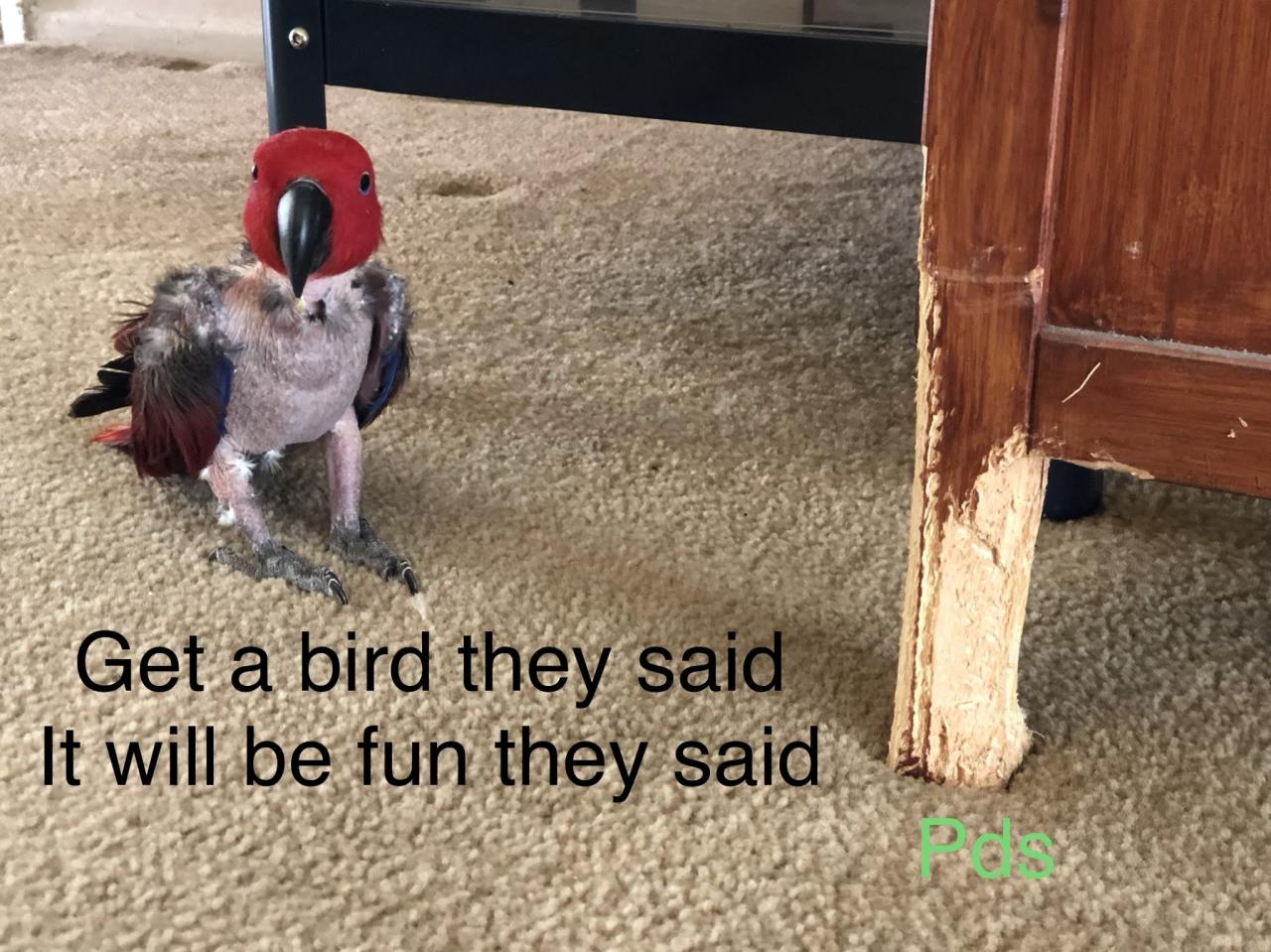
Feather plucking, a distressing behavior in birds, often stems from a complex interplay of environmental, nutritional, social, and medical factors. Effective management requires a multifaceted approach, focusing on addressing the root causes and providing a supportive environment. Early intervention is crucial to minimize feather loss and promote the bird’s overall well-being.A comprehensive management strategy for feather plucking goes beyond simply treating the symptoms.
It necessitates a thorough understanding of the bird’s individual needs and predisposing factors. This involves carefully observing the bird’s behavior, adjusting the environment, and providing appropriate enrichment. Proactive measures to prevent feather plucking can significantly improve the bird’s quality of life and promote recovery.
Environmental Management Strategies
Environmental factors significantly influence a bird’s behavior. A calm and predictable environment can reduce stress, a common trigger for feather plucking. Consistent routines and a secure enclosure are crucial.
- Creating a Predictable Routine: Establish a regular feeding schedule, playtime, and rest periods. This consistency reduces anxiety and promotes a sense of security. For example, feeding at the same time each day and providing a quiet, dark space for rest at the same time each night can be very helpful.
- Enhancing the Living Space: Provide ample space to explore and engage in natural behaviors, such as perching, foraging, and dust bathing. Sufficient perches of varying heights and textures are essential for birds to feel comfortable and secure. A variety of toys and branches will help keep the bird stimulated and occupied.
- Minimizing Stressors: Identify and eliminate potential stressors, such as loud noises, sudden movements, or the presence of other birds or pets that cause undue stress. This might include using soundproofing materials or creating separate spaces for different birds or pets.
Nutritional Management Strategies
Nutritional imbalances can contribute to feather plucking. A balanced diet with appropriate protein, vitamins, and minerals is essential for feather health and overall well-being.
- Providing a Balanced Diet: Ensure the bird receives a complete and balanced diet formulated for their specific species and age. A varied diet with fresh fruits, vegetables, and protein sources can support feather health and reduce the likelihood of nutritional deficiencies.
- Monitoring for Deficiencies: Regular monitoring for signs of nutritional deficiencies is important. This includes observing feather quality, overall health, and behavior. A vet can advise on appropriate dietary supplements or adjustments.
- Supplementation: If deficiencies are suspected, dietary supplements may be necessary. However, always consult a veterinarian to determine the appropriate type and dosage of supplements to avoid any adverse effects.
Social Management Strategies
Social interactions play a crucial role in a bird’s well-being. Inappropriate social interactions can lead to stress and potentially feather plucking.
- Monitoring Social Interactions: Observe the bird’s interactions with other birds or pets. Excessive aggression, bullying, or lack of social engagement can contribute to stress and potentially lead to feather plucking. If possible, separate birds or pets that are displaying aggressive behavior.
- Providing Appropriate Companions: Ensure the bird has suitable social companions, if appropriate for the species. A companion can provide social stimulation and reduce stress. Always carefully introduce new birds or pets, and monitor their interactions.
Medical Management Strategies
Underlying medical conditions can sometimes contribute to feather plucking.
- Consulting a Veterinarian: If plucking persists despite environmental and behavioral adjustments, consult a veterinarian. A physical examination can rule out underlying medical conditions, such as parasites, infections, or hormonal imbalances. A vet can diagnose and treat any medical conditions and adjust the management strategy accordingly.
- Medication Management: If a medical condition is identified, follow the veterinarian’s prescribed medication regimen carefully. This includes the dosage, frequency, and duration of treatment.
Importance of Early Intervention
Early intervention in feather plucking can prevent significant feather loss and associated stress. Addressing the issue promptly often leads to a more positive outcome for the bird.
Summary of Management Strategies
| Management Strategy | Effectiveness |
|---|---|
| Environmental Management | High – Addresses stress and creates a safe environment. |
| Nutritional Management | Moderate – Addresses underlying deficiencies. |
| Social Management | Moderate – Addresses social stress. |
| Medical Management | High – Addresses underlying medical issues. |
Preventing Feather Plucking – Addressing Stressors
Feather plucking in birds is a complex behavior often stemming from underlying stress. Understanding and mitigating stressors in a bird’s environment is crucial for preventing this destructive habit and promoting overall well-being. A supportive and non-threatening environment is key to fostering a healthy and happy bird.Identifying and reducing stress factors is essential for addressing feather plucking. Recognizing the signs of stress and implementing strategies to alleviate them can dramatically improve the bird’s physical and mental health.
By creating a calming environment, we can encourage the bird to engage in positive behaviors and reduce the likelihood of self-harm.
Common Stressors in Birds
A bird’s perception of stress can vary greatly from our own. Factors like changes in routine, social interactions, and environmental alterations can trigger stress responses. Identifying these triggers is vital for creating a more comfortable and predictable environment.
- Changes in Routine: Birds thrive on consistency. Sudden shifts in feeding schedules, playtime, or daily activities can disrupt their routines and induce stress. For example, a change in the time of day food is offered or the location of the bird’s cage can cause significant stress. Maintaining a stable and predictable routine minimizes these disruptions.
- Social Interactions: Birds are social creatures, but social dynamics can be complex. Introducing new birds to an established flock, or the presence of aggressive or bullying birds, can be highly stressful. Proper introductions and maintaining a balanced social structure can alleviate these concerns.
- Environmental Changes: The bird’s environment plays a critical role in its well-being. Changes in lighting, temperature, noise levels, or even the addition of new objects can create stress. A quiet, consistent environment is vital for minimizing these disruptions.
- Lack of Enrichment: Boredom can be a significant stressor. Birds need mental and physical stimulation. A lack of toys, perches, or other enrichment activities can lead to boredom and anxiety, which might manifest as feather plucking.
Reducing Stress-Inducing Factors
Creating a supportive environment for birds involves understanding their needs and addressing potential stressors. A careful approach to their care, including attention to their daily routine, social interactions, and environmental factors, is crucial.
- Consistent Routine: Establish a predictable daily schedule for feeding, playtime, and interactions. This consistency provides a sense of security and reduces uncertainty.
- Social Compatibility: Observe interactions between birds and ensure they are compatible. Introduce new birds gradually and carefully to prevent conflict. Consider the temperament and size of the bird when choosing a cage mate. Observation of the bird’s body language and responses can help in understanding their social needs.
- Stable Environment: Maintain a constant environment, including temperature, lighting, and noise levels. Minimize sudden changes and avoid loud noises or jarring sounds. Consider the use of calming music or white noise.
- Enrichment Activities: Provide a variety of toys, perches, and foraging opportunities to keep the bird engaged and stimulated. This can include puzzle feeders, foraging toys, and interactive play opportunities.
Stress Reduction Techniques
Techniques to reduce stress and anxiety in birds can range from simple adjustments to more involved approaches. These strategies aim to create a calmer and more predictable environment for the bird.
- Positive Reinforcement: Rewarding positive behaviors with treats or attention can reinforce calm and desirable actions.
- Calming Music: Soft, calming music or white noise can help reduce anxiety in some birds. Consider playing calming sounds in the bird’s environment.
- Environmental Enrichment: Adding stimulating objects, such as climbing structures or branches, can help distract the bird and promote healthy activity.
Table of Common Stressors and Reduction Strategies
| Stressors | Suggested Strategies for Reduction |
|---|---|
| Changes in routine | Maintain a consistent daily schedule |
| Social conflicts | Monitor interactions, introduce new birds gradually, and provide sufficient space |
| Environmental changes | Maintain stable temperature, lighting, and noise levels |
| Lack of enrichment | Provide stimulating toys, perches, and foraging opportunities |
Creating a Supportive Environment
A supportive environment for birds requires understanding their individual needs and sensitivities. Providing a safe, predictable, and stimulating space minimizes stress and promotes well-being. This involves considering factors like the bird’s personality, preferences, and history when creating the environment.
Closure
In conclusion, preventing feather plucking in birds requires a holistic approach, addressing environmental, nutritional, social, and medical factors. By providing a safe, stimulating, and nurturing environment, ensuring proper nutrition, and identifying and addressing any underlying medical conditions, you can effectively manage this behavior and contribute to the overall well-being of your avian companion. Early intervention and a commitment to understanding the bird’s unique needs are key to successful prevention.