Traveling offers wonderful opportunities to experience diverse landscapes and cultures, but it’s crucial to be mindful of the impact our journeys have on the natural world, especially on birds. This guide provides practical strategies for minimizing disturbance and ensuring responsible travel practices that support avian conservation.
From understanding bird behavior to selecting sustainable transportation and accommodation, this comprehensive resource equips travelers with the knowledge and tools to appreciate the beauty of birds while safeguarding their well-being and habitats.
Bird Identification and Behavior During Travel
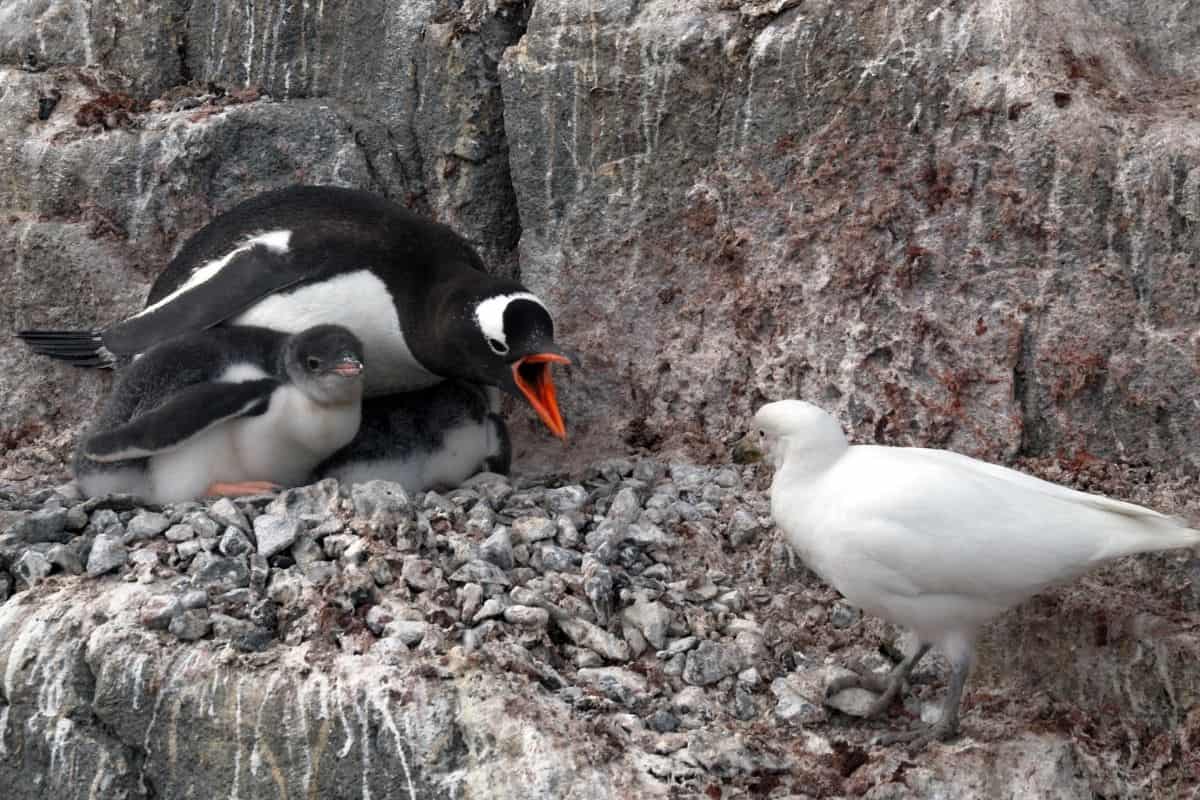
Understanding bird species, their migratory patterns, and typical behaviors is crucial for effective conservation strategies during travel. Knowledge of these factors allows travelers to identify vulnerable species and take precautions to minimize potential harm. This section details common bird species encountered during travel, focusing on their migratory habits and potential vulnerabilities. It also highlights the importance of recognizing these behaviors to develop and implement responsible travel practices.
Common Bird Species Encountered During Travel
Numerous bird species are encountered during travel, with varying migratory patterns and behaviors. Understanding these characteristics allows for better identification and protection. Common migratory birds include songbirds, shorebirds, raptors, and waterfowl. Songbirds, such as warblers and thrushes, often undertake long-distance migrations, frequently crossing vast geographical areas. Shorebirds, such as sandpipers and plovers, are often found in coastal and wetland environments and exhibit seasonal movements.
Raptors, including eagles and hawks, are known for their aerial prowess and migration patterns. Waterfowl, such as ducks and geese, frequently travel across bodies of water and exhibit significant migratory movements.
Vulnerable Bird Species During Travel
Certain bird species are more vulnerable during travel due to various factors, such as their specific migratory routes, limited resources along the way, and potential human-induced threats. Species exhibiting slow flight speeds, like shorebirds, or those with large populations concentrated in particular areas, are particularly susceptible. Also, species that rely on specific habitats along their migration routes, such as wetlands or forests, face risks if these habitats are degraded or destroyed.
Vulnerable species include the American Kestrel, which is a small falcon, and the Piping Plover, a small shorebird, which nests on beaches. These species face threats such as habitat loss and human disturbance during their migrations.
Importance of Understanding Bird Behaviors for Protection
Recognizing bird behaviors during travel is paramount for implementing effective protection strategies. Understanding their migratory routes, preferred habitats, and feeding habits helps anticipate their needs and minimize potential harm. This knowledge is essential for implementing mitigation measures, such as establishing protected areas along migration corridors and reducing human disturbance in key habitats. For instance, if a particular species is known to congregate in specific wetland areas during migration, travelers can avoid these areas during sensitive times.
This understanding will aid in minimizing the impact of human activity on these species and their habitats.
Comparison of Migratory Patterns
| Species Name | Migration Route | Typical Travel Times | Vulnerability |
|---|---|---|---|
| American Kestrel | North America | Spring: March-April, Fall: August-October | High; susceptible to habitat loss and human disturbance |
| Piping Plover | Coastal areas of North America | Spring: March-May, Fall: August-October | High; vulnerable to habitat loss and human disturbance during breeding and migration |
| Canada Goose | North America, Eurasia | Spring: March-April, Fall: August-September | Moderate; vulnerable to collisions with vehicles and human disturbance |
| Common Tern | Coastal areas worldwide | Spring: March-April, Fall: August-October | Moderate; vulnerable to habitat loss and human disturbance |
This table illustrates the migratory patterns of different bird species, highlighting their varying routes, typical travel times, and relative vulnerability during these journeys. It underscores the diverse range of migratory behaviors among birds and emphasizes the importance of tailored protection strategies for each species.
Minimizing Disturbance During Travel
Minimizing disturbance to birds during travel is crucial for their well-being and for ensuring a positive experience for both travelers and avian life. Understanding and practicing strategies to reduce noise and light pollution, especially during sensitive periods like breeding seasons, significantly contributes to the conservation of bird populations. This section details practical steps travelers can take to minimize their impact on birds throughout their journeys.Minimizing disturbance during travel involves conscious effort to avoid direct interactions and reduce the negative impacts of noise and light pollution.
By understanding how different travel activities affect birds and adopting appropriate strategies, travelers can significantly lessen their impact on the delicate ecosystems they encounter. This approach ensures a harmonious coexistence between humans and birds during travel experiences.
Strategies for Minimizing Noise Pollution
Careful consideration of noise levels is vital for bird welfare, particularly during sensitive periods like nesting. Excessive noise can disrupt birds’ communication, foraging, and breeding behaviors. The following strategies are designed to reduce noise pollution in various travel scenarios.
- Driving: Maintain a safe and moderate speed, especially in areas known for bird activity. Avoid sudden braking or acceleration. Use the car’s radio or music at a reasonable volume, and consider turning it off in sensitive areas.
- Hiking: Walk quietly and avoid shouting or making sudden noises. Be mindful of your pace and presence; avoid running or jogging. Keep dogs on a leash and ensure they are under control.
- Camping: Limit the use of loud equipment such as generators, loudspeakers, or power tools. Keep campfires small and contained to minimize smoke and noise pollution. Use quiet outdoor activities, such as observing birds or reading, instead of loud ones.
Strategies for Minimizing Light Pollution
Light pollution disrupts birds’ natural circadian rhythms and can negatively affect their navigation and foraging patterns. Dimming or controlling outdoor lighting, particularly during nighttime hours, is a crucial strategy.
- Driving: Dim headlights when appropriate and unnecessary, especially at night in areas with known bird populations. Use low-beam headlights as much as possible.
- Hiking: Carry a headlamp or flashlight to minimize light disturbance in the night. Avoid using high-powered flashlights or other light sources during nighttime bird observation.
- Camping: Use strategically placed and shielded lighting around campsites. Avoid using bright lights that directly face the sky.
Minimizing Disturbance During Bird Breeding Seasons
Bird breeding seasons are particularly sensitive periods. Disturbances during this time can disrupt nesting, egg laying, and chick rearing. Travelers should be especially cautious during these periods.
- Avoid traveling through areas known for bird nesting during breeding seasons. Choose alternative routes or reschedule travel if possible.
- Be aware of nesting sites. Do not approach nests or attempt to observe them from a close distance.
- Maintain a quiet and respectful demeanor during bird observation. Avoid sudden movements or loud noises.
Checklist for Minimizing Disturbance During Bird Observation
This checklist provides a practical guide for minimizing disturbance during bird observation activities.
| Action | Description |
|---|---|
| Observe from a distance | Maintain a safe distance from birds, avoiding close approaches. |
| Remain quiet | Avoid shouting, sudden movements, or other loud noises. |
| Minimize light use | Use low-intensity lights or avoid lights entirely, especially at night. |
| Keep pets under control | Ensure pets are leashed and under control to avoid startling birds. |
| Respect nesting sites | Avoid approaching nests or disturbing nesting areas. |
Safeguarding Bird Habitats During Travel
Protecting bird habitats is crucial for their survival and the health of our planet. Traveling responsibly and minimizing our environmental footprint is vital to ensure these habitats remain vibrant and resilient for future generations. Our actions, both big and small, during our travels can have a profound impact on the delicate ecosystems birds depend on.Careful consideration of our choices, from accommodation to transportation, can significantly reduce the negative impacts of travel on bird habitats.
This involves understanding the environmental pressures these habitats face and adopting practices that minimize disturbance and promote their conservation.
Importance of Respecting Bird Habitats
Bird habitats are complex ecosystems that support a vast array of species. These habitats provide crucial nesting sites, foraging grounds, and migratory corridors for birds. Respecting these environments involves recognizing the interconnectedness of life within them and appreciating the vital role birds play in maintaining ecological balance. Disrupting or damaging these habitats can have cascading effects on entire ecosystems.
Environmental Impacts of Travel on Bird Habitats
Travel, while offering opportunities for exploration and connection, can introduce significant environmental pressures on bird habitats. Construction of new roads, resorts, and other infrastructure can fragment habitats, isolating populations and reducing access to vital resources. Pollution from vehicles and air travel contributes to air and water contamination, impacting bird health and reproduction. Increased human presence, even through seemingly benign activities, can disrupt bird behaviors, potentially affecting nesting and feeding patterns.
Noise pollution from traffic and other human activities can also negatively affect bird communication and breeding success.
Choosing Sustainable Accommodation and Transportation
Choosing eco-conscious options for accommodation and transportation is a vital step towards minimizing the negative impact of travel on bird habitats. Opting for accommodations that prioritize sustainable practices, such as using renewable energy sources and minimizing water usage, is essential. Similarly, selecting eco-friendly transportation options, such as trains or buses, reduces the carbon footprint and the associated pollution compared to air travel.
These choices directly contribute to protecting bird habitats by reducing the environmental pressures associated with travel.
Potential Threats to Bird Habitats and Mitigation Strategies
Several threats to bird habitats can arise during travel. Habitat destruction due to construction, pollution from vehicles, and increased human presence are major concerns. Mitigation strategies include supporting sustainable tourism initiatives, advocating for responsible development practices, and educating travelers about the importance of minimizing disturbance to birds and their habitats. Responsible planning and construction, minimizing the use of pesticides, and advocating for sustainable transportation infrastructure are also crucial steps.
Sustainable Travel Practices for Bird Habitats
| Practice | Description | Impact |
|---|---|---|
| Choosing Eco-Friendly Accommodation | Select accommodations that prioritize sustainability, such as those using renewable energy, minimizing water usage, and employing eco-friendly cleaning products. | Reduces the environmental footprint of accommodation and minimizes disturbance to surrounding habitats. |
| Selecting Sustainable Transportation | Prioritize trains, buses, or cycling over air travel whenever possible to reduce carbon emissions and air pollution. | Reduces pollution and noise disruption to bird habitats. |
| Minimizing Disturbance | Respecting wildlife and their habitats by staying on marked trails, maintaining a safe distance from birds, and refraining from feeding them. | Reduces stress on birds and allows them to maintain natural behaviors. |
| Supporting Conservation Efforts | Choose destinations and tour operators that support local conservation initiatives and contribute to habitat protection. | Directly supports the protection of bird habitats and their biodiversity. |
Protecting Birds from Collisions with Structures
Protecting birds during travel requires careful consideration of the environments they encounter. A significant threat to avian populations arises from collisions with structures, which can have devastating impacts on their survival and overall well-being. Understanding these hazards and implementing mitigation strategies are crucial for ensuring bird safety along travel routes.Collisions with structures, including buildings, power lines, and wind turbines, are a leading cause of bird mortality.
These structures often pose unexpected obstacles to birds’ flight paths, particularly during migration or foraging. The unpredictability and often rapid nature of these collisions underscore the importance of proactive measures to reduce their frequency and severity.
Common Hazards for Birds During Travel
Collisions with structures pose a substantial threat to bird populations, often leading to fatal outcomes. Several factors contribute to this danger, including the structure’s size, shape, color, and visibility against the background. Birds may also be disoriented by their proximity to structures, especially if these are located in areas where they are not accustomed to encountering such obstacles.
Further, the structure’s location within a bird’s migratory or foraging route plays a significant role in the risk of collision.
Bird-Safe Building Design Strategies
Implementing bird-safe building design strategies can dramatically reduce the risk of collisions. These strategies often involve altering the structure’s design to minimize its visibility and apparent presence to birds. For instance, incorporating building materials that blend seamlessly with the surrounding environment can help reduce the structure’s prominence. Also, careful consideration of building height and placement in relation to bird flight paths can reduce the likelihood of collisions.
Building designs should ideally avoid abrupt changes in elevation or abrupt projections that could cause birds to veer off course or cause them to be trapped.
Impact of Wind Turbines and Power Lines on Bird Populations
Wind turbines and power lines are significant sources of bird mortality due to collisions. The large size and rotating nature of wind turbines can create fatal hazards for birds flying in their vicinity. Power lines, with their inherent verticality and continuous presence, also pose a significant risk. Birds may mistake them for natural obstacles or become disoriented by their presence, leading to collisions.
The density of power lines within a bird’s migratory route significantly contributes to the overall mortality rate.
Strategies for Reducing Bird Collisions with Structures
Various strategies can effectively reduce bird collisions with structures. These include altering the structure’s design and appearance, modifying its location to avoid known bird flight paths, and installing deterrent devices to prevent birds from approaching the structure. Strategies may also include establishing buffers or vegetation around the structure to mitigate the bird’s perceived proximity to the structure. Effective communication and collaboration between architects, developers, and bird conservationists are crucial for implementing these strategies.
Creating Bird-Safe Environments During Travel: A Guide
This guide Artikels actionable steps to create bird-safe environments along travel routes:
- Assess Existing Structures: Identify structures along bird migration routes, such as buildings, power lines, and wind turbines, that pose a collision risk.
- Employ Bird-Safe Design Principles: Integrate bird-safe design principles into the construction and maintenance of new and existing structures. These principles might include using bird-friendly materials and designs that minimize visibility and abrupt changes in elevation.
- Minimize Wind Turbine Impacts: Strategically place wind turbines to minimize their impact on bird flight paths. Consider using appropriate mitigation measures, such as installing deterrent devices or altering turbine designs.
- Protect Power Line Habitats: Reduce the density of power lines in areas frequented by birds. Consider alternatives to power lines where possible. For existing lines, use bird-safe technologies or mitigation techniques.
- Implement Bird-Safe Technologies: Utilize technologies that can help deter birds from colliding with structures. This includes installing visual deterrents, such as reflective materials or specific color schemes.
Supporting Bird Conservation Efforts
Supporting bird conservation efforts is crucial for the long-term health of bird populations and the ecosystems they inhabit. Understanding the vital role of conservation organizations and actively participating in their work can significantly contribute to bird preservation. This includes making informed decisions about products and activities that impact birds, thereby minimizing negative impacts on their habitats and well-being.
Role of Bird Conservation Organizations
Bird conservation organizations play a vital role in protecting avian species and their habitats. These organizations conduct critical research, monitor populations, and advocate for policies that support bird conservation. Their work is essential for understanding the threats birds face, developing effective strategies to address these threats, and ensuring the long-term survival of various species. They often lead conservation efforts on the ground, working directly with local communities to implement practical solutions and raise awareness.
Supporting Local Bird Conservation Efforts
During travel, supporting local bird conservation efforts is a meaningful way to contribute to bird preservation. This can involve volunteering your time at local wildlife sanctuaries or nature reserves, making donations to reputable organizations, or purchasing locally sourced products that prioritize sustainable practices. Another impactful approach is to participate in local birdwatching tours and activities, thereby supporting the economic well-being of communities that rely on ecotourism.
This also promotes environmental awareness among visitors.
Informed Choices Regarding Bird-Related Products and Activities
Making informed choices regarding bird-related products and activities is critical to minimize negative impacts. Prioritize products and activities that are sustainable and ethically sourced. Research and choose products that are not harming birds or their habitats. This includes avoiding products made from endangered species or products that use harmful chemicals that impact bird health. Support responsible ecotourism practices and choose tours that minimize disturbance to bird habitats and populations.
Examples of Bird Conservation Organizations
Numerous organizations actively engage in bird conservation efforts. These organizations often focus on specific species or habitats, employing a variety of strategies to address conservation challenges. Their work is essential in ensuring the long-term survival of birds and the ecological balance of the planet.
Comparison of Bird Conservation Organizations
| Organization Name | Mission | Key Activities |
|---|---|---|
| Audubon Society | To conserve and restore natural habitats for birds and other wildlife. | Bird monitoring, habitat restoration, advocacy, education, and research. |
| National Audubon Society | To conserve and restore natural habitats for birds and other wildlife across North America. | Protecting and restoring wetlands, promoting sustainable practices, supporting local communities, and conducting research. |
| BirdLife International | To conserve birds and their habitats worldwide. | Supporting conservation efforts in over 120 countries, coordinating research, advocating for policy changes, and raising awareness. |
| The Cornell Lab of Ornithology | To advance ornithological research and education for the benefit of birds and humanity. | Research on bird behavior, ecology, and conservation, development of citizen science programs, and educational outreach. |
Emergency Response and First Aid for Injured Birds
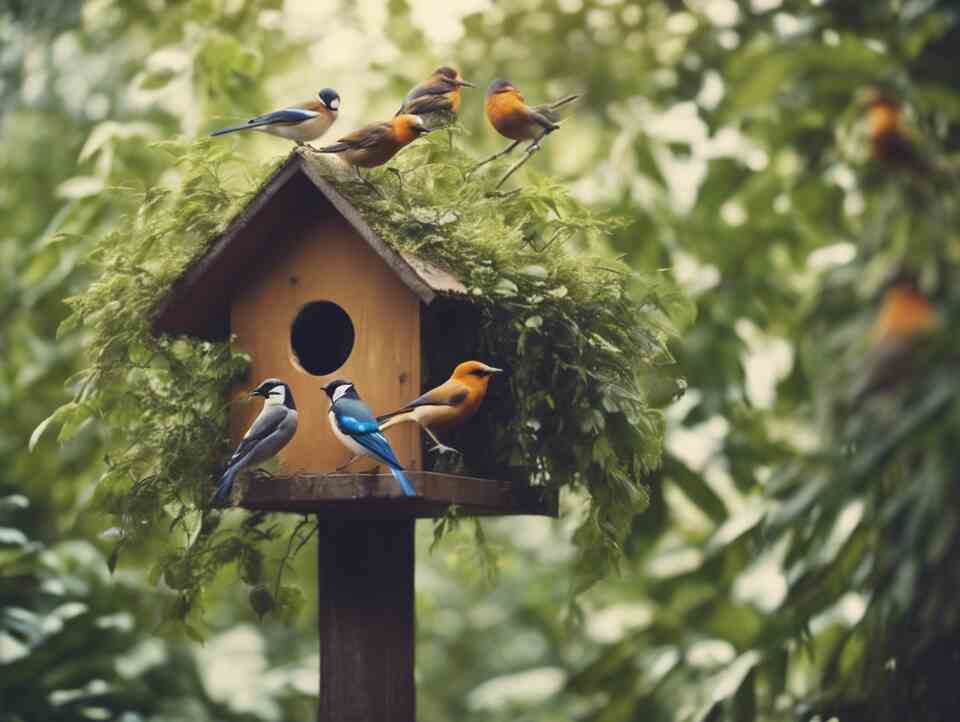
Responding to injured birds during travel requires careful consideration and swift action. Knowing how to identify signs of distress and provide appropriate care can significantly increase the chances of a positive outcome. This section details the critical steps for handling injured birds, from initial assessment to transport for veterinary care.Understanding the signs of common bird injuries and illnesses is crucial for prompt intervention.
Proper handling and transportation techniques are equally vital to prevent further harm to the bird and ensure its safety during transit. By following the guidelines Artikeld below, you can play a vital role in assisting injured birds during your travels.
Assessing the Injured Bird
Proper assessment is the first step in providing appropriate care. Determining the extent of the injury is paramount to choosing the correct course of action. A thorough evaluation helps in deciding whether immediate first aid is needed or if the bird requires immediate veterinary attention.
Safe Handling Techniques
Handling injured birds requires utmost care to avoid causing further harm. Birds are delicate creatures, and mishandling can lead to more severe injuries. Gentle handling is crucial to ensure the bird’s comfort and well-being.
- Use soft, non-abrasive materials, such as a soft cloth or paper towel, to support and handle the bird. Avoid squeezing or grabbing the bird tightly.
- Support the bird’s body with both hands, ensuring proper posture and preventing stress.
- Avoid touching the bird’s eyes or mouth unnecessarily. Direct contact can introduce infections.
- Protect the bird from further injury by keeping it in a secure, quiet, and darkened environment during transport.
Transporting Injured Birds
Transporting injured birds to veterinary care requires careful planning and preparation. The goal is to minimize stress and ensure the bird’s safety during transit. The method of transport should be chosen based on the severity of the injury and the distance to the veterinary facility.
- Use a suitable container for transporting the bird. This should be large enough for the bird to move around comfortably but small enough to prevent it from escaping or injuring itself.
- Provide a secure, comfortable environment within the container. A soft lining of cloth or paper towel can offer cushioning and reduce stress. A cardboard box with a soft lining is a good example of a safe transport container.
- Cover the container to reduce stress and prevent the bird from seeing or feeling the outside environment.
- Ensure the container is properly secured to prevent any movement during transport. The container should be properly padded or placed in a carrier to protect the bird during transit.
Common Bird Injuries and Illnesses
Recognizing common injuries and illnesses is essential for timely intervention. Early detection often leads to more effective treatment and improved outcomes. Knowledge of these conditions is vital for determining the level of care needed.
- Wing Injuries: Broken wings, torn wing feathers, or injured flight muscles can result from collisions with structures or falls. These can lead to difficulty in flight and landing. Observe for wing drooping, lameness, or difficulty in flapping.
- Head Injuries: Head trauma, such as from falling or collisions, can cause severe injuries. Observe for lethargy, head tilt, and difficulty in maintaining balance.
- Feather Loss: Loss of feathers can occur due to stress, disease, or injuries. Observe for bald patches, ruffled feathers, and difficulty in maintaining body temperature.
- Gastrointestinal Issues: Birds can suffer from digestive problems, such as obstructions or infections. Symptoms can include lethargy, lack of appetite, and abnormal droppings.
Providing Basic First Aid
Providing basic first aid involves supporting the bird’s breathing, controlling bleeding, and administering supportive care. These actions can make a crucial difference in the bird’s survival and recovery. Basic first aid is important until the bird can be taken to a veterinary clinic.
- Control bleeding, if necessary, using a clean, soft cloth or cotton ball.
- Provide warmth if the bird is cold. Keep the bird in a warm, quiet environment.
- Offer fluids carefully using a dropper or syringe. Avoid forcing the bird to drink.
- Monitor vital signs such as breathing rate and heart rate. Changes in these signs can indicate a more serious condition.
Bird-Friendly Travel Planning
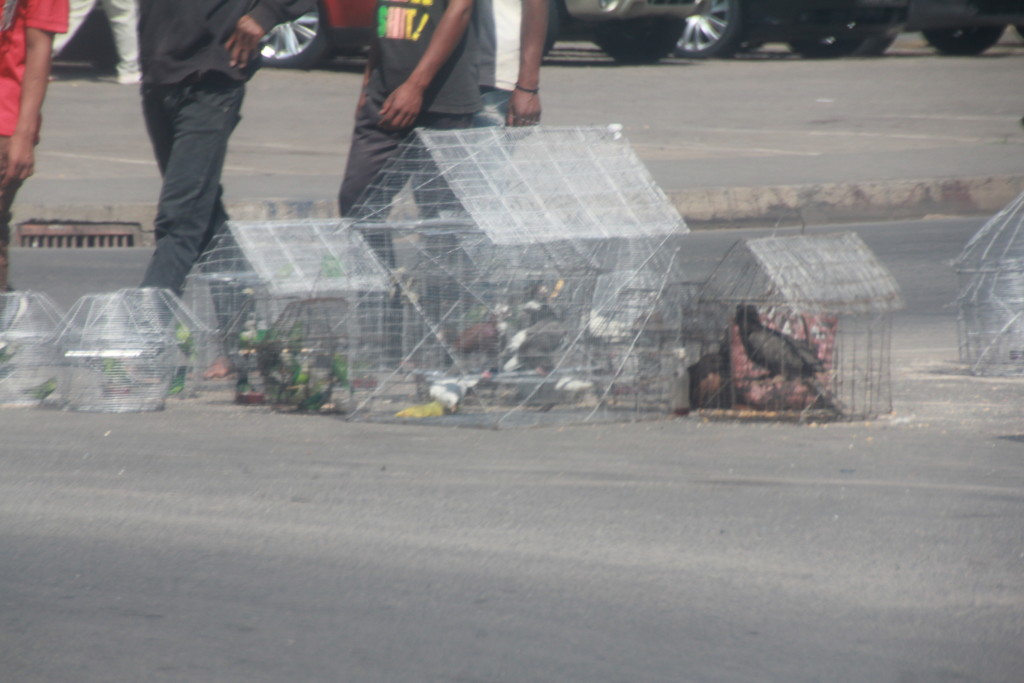
Embarking on a journey with a mindful approach towards avian conservation is a rewarding experience. By incorporating bird-friendly principles into your travel plans, you can significantly reduce your environmental footprint and contribute to the well-being of these magnificent creatures. This section Artikels strategies for creating a positive impact on birds during your travels.Effective bird-friendly travel planning necessitates a conscious effort to consider the impact of your itinerary on local bird populations.
This includes carefully selecting destinations, accommodations, and transportation methods. By understanding the needs of birds in the areas you visit, you can minimize disruptions and support their survival.
Selecting Bird-Friendly Destinations
Choosing destinations with strong avian conservation efforts in place is crucial. Researching protected areas, national parks, and wildlife sanctuaries that actively safeguard bird habitats can help ensure your travels have a positive impact. Consider destinations known for specific bird species or migration patterns, allowing you to witness remarkable biodiversity.
Integrating Bird Conservation into Itineraries
Bird-watching excursions can be seamlessly integrated into existing travel plans. Visiting nature reserves, wetlands, or coastal areas during migratory seasons can offer unparalleled opportunities to observe birds in their natural habitats. Furthermore, consider incorporating visits to local bird sanctuaries or research stations to deepen your understanding of conservation efforts.
Bird-Friendly Accommodation and Transportation
Selecting eco-conscious accommodations and sustainable transportation options can greatly reduce your environmental footprint. Look for hotels or guesthouses that prioritize sustainable practices, reducing their impact on local ecosystems. Opt for public transportation, cycling, or walking whenever possible. These choices minimize your carbon footprint and support local communities.
Planning Bird-Watching Trips
Effective planning enhances the enjoyment of bird-watching experiences and minimizes disruption. Choose a time of year that aligns with peak bird migration or breeding seasons. Researching the local bird species, their behaviors, and preferred habitats beforehand will significantly enrich your observations. Using reliable bird identification guides and binoculars will enhance your experience.
Checklist for a Bird-Friendly Travel Experience
- Destination Research: Identify areas with strong avian conservation efforts. Research local bird species, migration patterns, and potential habitats. Contact local conservation organizations for recommendations.
- Accommodation Selection: Prioritize eco-friendly accommodations that minimize environmental impact and support local communities. Consider sustainability certifications.
- Transportation Choice: Opt for public transportation, cycling, or walking whenever feasible. Minimize reliance on private vehicles. Support local transportation options.
- Minimizing Disturbance: Plan your bird-watching activities carefully, avoiding sensitive areas or times. Keep a respectful distance from birds. Avoid using flash photography, loud noises, or disturbing nesting sites.
- Respectful Bird-Watching Practices: Utilize reliable bird identification guides and binoculars to enhance your observations and minimize disturbance. Learn about local bird behaviors and respect their space.
- Support Conservation Efforts: Consider donating to local conservation organizations or purchasing products from sustainable businesses that support avian conservation.
Conclusion
In conclusion, protecting birds during travel requires a multifaceted approach. By understanding their behaviors, minimizing our impact on their habitats, and supporting conservation efforts, we can ensure a harmonious coexistence between human travel and avian populations. This guide provides a practical roadmap for responsible bird-friendly travel, enabling everyone to enjoy their adventures while respecting the natural world.