Protecting birds from harmful fumes requires a multifaceted approach, encompassing the identification of sources, understanding habitat vulnerabilities, and implementing effective mitigation strategies. This guide delves into the complex relationship between human activities, industrial emissions, and avian health, providing actionable steps for reducing the impact of fumes on bird populations.
From understanding the chemical composition of various fumes to examining the specific physiological effects on different bird species, this comprehensive guide explores the science behind fume-related bird harm. It examines the vulnerability of different habitats and migration patterns to fume exposure, highlighting the interconnectedness of environmental factors and avian well-being.
Identifying Fume Sources Affecting Birds
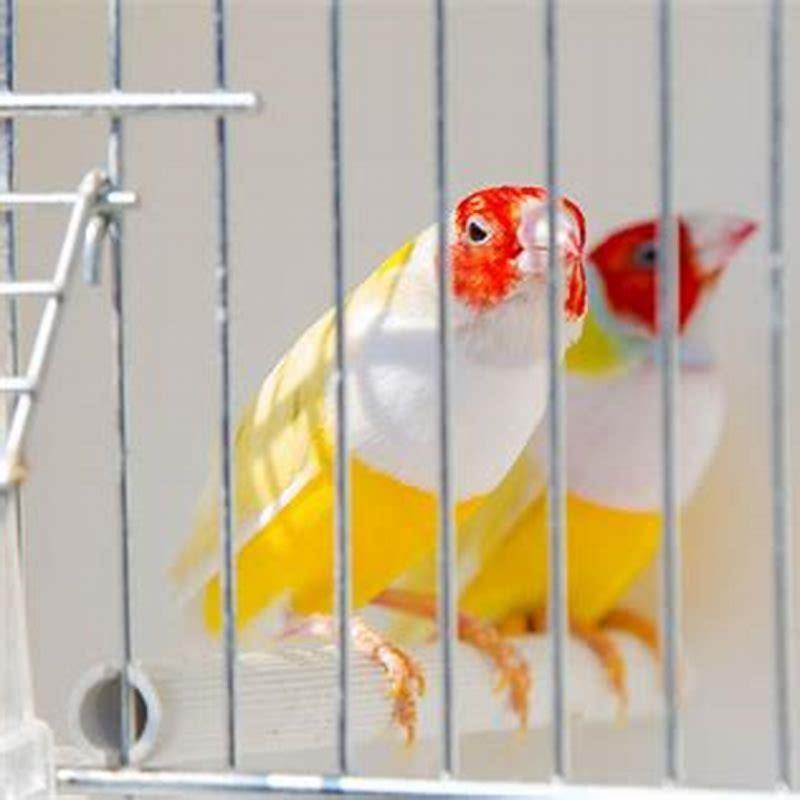
Understanding the sources and compositions of fumes harmful to birds is crucial for effective conservation strategies. Identifying these sources allows for targeted mitigation efforts and the development of preventative measures to protect avian populations from environmental hazards. This section delves into the diverse origins of these fumes, their chemical makeup, and their specific impacts on bird physiology.Many different types of fumes can pose significant threats to birds, from industrial emissions to agricultural byproducts.
Understanding these various sources and their effects on bird health is vital to implementing effective conservation strategies.
Common Fume Sources
Various human activities generate fumes that can negatively impact birds. Understanding these sources allows for the development of targeted solutions.
- Industrial Emissions: Manufacturing processes often release various chemicals into the atmosphere. Examples include sulfur dioxide (SO 2), nitrogen oxides (NO x), and volatile organic compounds (VOCs). These fumes can originate from power plants, factories, and refineries.
- Agricultural Activities: Agricultural practices, particularly pesticide application, contribute to fume exposure for birds. Pesticide fumes contain various organic compounds, including organophosphates and pyrethroids. These fumes can drift and impact birds in surrounding areas.
- Domestic Sources: Everyday activities like the use of certain cleaning products, paints, and solvents can release fumes containing volatile organic compounds (VOCs). These fumes, though less concentrated than industrial emissions, can still accumulate and affect birds over time, particularly in densely populated areas.
Chemical Compositions of Representative Fumes
The chemical makeup of fumes varies significantly depending on the source. Understanding these compositions is critical to assessing their impact on birds.
- Industrial Emissions: Sulfur dioxide (SO 2), a common industrial emission, is a corrosive gas that can irritate the respiratory system. Nitrogen oxides (NO x) contribute to acid rain and respiratory problems. Volatile organic compounds (VOCs), a broad category of organic chemicals, can have various impacts, some potentially carcinogenic.
- Agricultural Activities: Pesticide fumes often contain organophosphates, which can cause cholinergic effects, affecting nerve function. Pyrethroids, another class of pesticides, can disrupt the nervous system. These chemicals can be highly toxic to birds at certain concentrations.
- Domestic Sources: Cleaning products and solvents frequently contain volatile organic compounds (VOCs), including benzene, toluene, and xylene. These chemicals can affect the respiratory system and potentially have other adverse effects.
Physiological Effects on Birds
Exposure to fumes can have immediate and long-term effects on birds. The severity of these effects depends on the concentration, duration, and type of fume.
- Acute Exposure: High concentrations of fumes can cause immediate respiratory distress, leading to difficulty breathing, and potentially death. Damage to the respiratory system, eyes, and skin is also possible.
- Chronic Exposure: Prolonged exposure to lower concentrations of fumes can lead to chronic health issues. These can include weakened immune systems, reproductive problems, and developmental abnormalities in offspring. Chronic exposure can also result in respiratory problems and impaired cognitive function.
Specific Locations of Fume Threats
Fume exposure can be a significant threat in specific areas with concentrated industrial or agricultural activities.
- Industrial Zones: Areas near industrial plants and refineries frequently experience high levels of industrial emissions. These areas often have lower bird populations and increased mortality rates due to exposure.
- Agricultural Regions: Agricultural regions where pesticide application is common can experience elevated fume levels, especially during application periods. Birds nesting or foraging in these areas are particularly vulnerable.
- Urban Environments: Urban environments, while not always having significant industrial emissions, can have concentrated domestic sources of fumes. The combination of multiple sources can increase exposure risk to birds.
Comparative Impact on Bird Species
Different bird species exhibit varying sensitivities to fumes.
| Fume Type | Bird Species | Impact |
|---|---|---|
| Industrial Emissions (SO2) | Songbirds | Respiratory distress, reduced reproductive success |
| Agricultural Fumes (Organophosphates) | Raptor Species | Neurological impairment, reduced hunting success |
| Domestic Fumes (VOCs) | Passerines | Respiratory problems, reduced immune response |
Bird Habitat Vulnerability to Fumes
Certain bird habitats are more susceptible to fume exposure due to a confluence of factors. These vulnerabilities stem from the proximity to industrial zones, the concentration and type of fumes released, and the birds’ life cycle stages. Understanding these factors is crucial for implementing effective mitigation strategies.
Factors Influencing Habitat Vulnerability
Bird habitats near industrial areas, transportation hubs, and agricultural operations are particularly vulnerable. Proximity to emission sources directly correlates with higher fume exposure. The types of industries present and their emission profiles further influence the nature and severity of the threat. Furthermore, the density of bird populations in a given area plays a critical role in determining the potential impact of fume exposure.
Relationship Between Migration Patterns and Fume Concentration
Migratory birds face varying levels of fume exposure depending on their route and the time of year. Regions with high industrial activity or frequent transportation routes experience higher fume concentrations, especially during peak seasons for migratory birds. Birds following specific migration corridors encounter sustained fume exposure, leading to potential health consequences. The specific migratory routes and timing of migration are key factors in understanding the potential risks.
For instance, the concentration of fumes along major flyways can be significantly higher than in areas with less industrial activity, potentially causing respiratory distress and impacting the birds’ ability to navigate and find food.
Impact of Topography on Fume Dispersion
The topography of an area plays a significant role in fume dispersion and the subsequent impact on birds. Valley-like formations or areas with low-lying terrain can trap fumes, creating localized high-concentration zones. Wind patterns and altitude also affect the dispersal of fumes, impacting the vulnerability of specific bird habitats. This is particularly true for mountainous regions, where winds can carry fumes to higher elevations, affecting bird populations in these areas.
For example, a valley surrounded by industrial plants may experience high concentrations of fumes, posing a significant risk to nesting birds within the valley.
Human Activities and Fume Pollution
Human activities near bird habitats contribute significantly to fume pollution. Industrial emissions, vehicle exhaust, and agricultural practices release various types of fumes into the atmosphere, affecting nearby bird populations. The concentration and composition of these fumes can vary depending on the specific activities and the environmental conditions. For instance, deforestation or urban sprawl can lead to increased exposure for birds living in or migrating through the area.
Table: Bird Habitat Vulnerability to Fumes
| Bird Habitat Type | Susceptibility to Fumes | Specific Examples |
|---|---|---|
| Coastal Wetlands | High | Coastal industrial areas, refineries, and shipping lanes release fumes that can accumulate in wetland habitats, impacting wading birds and waterfowl. |
| Forest Edges | Moderate | Areas adjacent to logging operations or industrial sites can experience elevated fume concentrations, affecting birds nesting in the forest and those foraging at the edge. |
| Urban Parks | High | Urban areas with high vehicle traffic and industrial emissions can lead to higher fume concentrations in parks, potentially harming birds using these spaces. |
| Agricultural Fields | Variable | Agricultural practices, such as pesticide spraying and fertilizer application, can release fumes that affect birds in the surrounding areas. The susceptibility depends on the type of agricultural practices and the wind patterns. |
Mitigation Strategies for Bird Protection
Protecting avian populations from harmful fumes requires a multifaceted approach. Addressing fume sources, understanding habitat vulnerability, and implementing effective mitigation strategies are crucial steps towards safeguarding bird health and well-being. These strategies must consider the specific characteristics of different fume types and their impact on bird physiology. This section Artikels practical measures to reduce fume exposure for birds, along with examples of environmental controls, technological advancements, and regulatory frameworks.
Practical Measures to Reduce Fume Exposure
Various practical measures can significantly reduce fume exposure for birds. Implementing these measures requires careful consideration of the specific fume source, its characteristics, and the affected bird habitats. These proactive measures can be broadly categorized into source reduction, dispersion control, and habitat modification.
- Source Reduction: Minimizing the emission of fumes at the source is a primary strategy. This involves using cleaner production methods, improved equipment maintenance, and the adoption of alternative technologies that produce fewer or no fumes. For instance, switching from coal-fired power plants to renewable energy sources can drastically reduce air pollution, safeguarding bird populations.
- Dispersion Control: Strategies to control the dispersion of fumes away from bird habitats include implementing air quality monitoring systems, installing emission control technologies (e.g., scrubbers, filters), and strategically positioning industrial facilities to minimize direct exposure to bird habitats.
- Habitat Modification: Modifying bird habitats to increase their resilience to fumes can involve creating protected areas or establishing buffer zones between industrial areas and nesting sites. Planting vegetation that can act as natural filters can also help mitigate the impact of fumes on nearby habitats.
Methods for Reducing Fume Emissions
This table illustrates various methods for reducing fume emissions from different sources, emphasizing the importance of tailored solutions.
| Fume Source | Mitigation Method | Description |
|---|---|---|
| Industrial Plants | Emission Control Technologies | Installing scrubbers, filters, and other technologies to capture or neutralize pollutants before they enter the atmosphere. |
| Transportation | Alternative Fuels | Promoting the use of electric vehicles, biofuels, and other alternative fuels to reduce emissions from vehicles. |
| Agriculture | Controlled Application Techniques | Using precise application methods for fertilizers and pesticides to minimize drift and release into the air. |
| Waste Management | Improved Waste Treatment | Implementing more efficient waste treatment processes to reduce the emission of volatile organic compounds (VOCs) and other harmful fumes. |
Implementing Environmental Controls
Environmental controls play a crucial role in limiting fume dispersion near bird habitats. Strategies include establishing buffer zones, using wind barriers, and managing vegetation to reduce fume concentrations in sensitive areas. Careful consideration of prevailing wind patterns is essential when designing these controls.
Technological Advancements
Technological advancements offer promising solutions for reducing fume pollution. Remote sensing technologies can monitor air quality in real-time, enabling rapid response to pollution events. Bioremediation techniques can utilize microorganisms to break down pollutants in contaminated areas, providing a sustainable solution. Nanotechnology-based filters can capture even microscopic particles, enhancing air purification. These technologies are increasingly being incorporated into environmental management plans to protect birds and other wildlife.
Role of Regulations and Policies
Regulations and policies play a vital role in mitigating fume-related bird harm. Stricter emission standards, mandatory environmental impact assessments, and public awareness campaigns can all contribute to reducing the exposure of birds to harmful fumes. Strong enforcement of these regulations is essential for their effectiveness. International cooperation and knowledge sharing are also crucial in developing and implementing effective strategies for global bird conservation.
Monitoring and Evaluation of Fume Impact
Understanding the impact of fumes on bird populations requires meticulous monitoring and evaluation. This crucial step allows for the assessment of fume levels, the health of exposed bird populations, and the effectiveness of implemented mitigation strategies. By tracking these factors, researchers and conservationists can adapt and refine their approaches to best protect avian species.
Methods for Monitoring Fume Levels
Accurate monitoring of fume levels in areas where birds reside is essential for understanding the potential risks to these sensitive populations. Various methods can be employed, depending on the specific characteristics of the fumes and the available resources. These methods include using air quality monitoring stations equipped with sensors to measure the concentration of specific pollutants, deploying passive samplers to collect data over extended periods, and conducting regular atmospheric assessments using remote sensing techniques.
Data collected from these methods provides crucial baseline information for evaluating the impact of fumes on bird health.
Significance of Data Collection on Bird Populations
Data collection on bird populations exposed to fumes is critical for establishing a comprehensive understanding of the effects of environmental pollutants. By tracking changes in bird populations, their distribution, and their health indicators, researchers can pinpoint the detrimental effects of fume exposure. Such data provides essential evidence for developing effective mitigation strategies and evaluating the long-term success of conservation efforts.
For instance, declines in breeding success or increases in mortality rates within specific bird species exposed to fumes would strongly suggest a negative correlation between fume levels and bird health.
Importance of Long-Term Monitoring
Long-term monitoring is paramount for assessing the effectiveness of mitigation strategies and the persistence of the fume impact. Short-term studies may not capture the full scope of the issue, particularly if fume levels fluctuate or if long-term exposure to lower concentrations of fumes can have cumulative detrimental effects. Monitoring programs should span multiple seasons and years to detect any delayed or subtle impacts on bird populations.
By observing patterns over time, researchers can better understand the long-term consequences of fume exposure and adapt mitigation strategies as needed. For example, a monitoring program spanning five years could reveal that a particular mitigation strategy, while initially effective, becomes less so over time due to changing fume sources or environmental conditions.
Assessing Impact on Bird Health and Reproduction
Assessing the impact of fume exposure on bird health and reproduction requires a multifaceted approach. Monitoring programs should include assessing physiological indicators, such as respiratory rates, weight, and immune function, to detect any adverse effects. Detailed observation of reproductive success, including nestling survival rates and clutch sizes, is crucial for understanding the impact on breeding populations. By integrating these factors, researchers can obtain a holistic picture of the fume’s effects on birds’ health and their ability to sustain their populations.
For instance, reduced clutch sizes in birds exposed to elevated levels of fumes would be a clear indication of reproductive impairment.
Key Indicators for Monitoring Bird Health
| Indicator | Description | Method of Assessment |
|---|---|---|
| Mortality Rates | The frequency of bird deaths in the fume-affected area. | Regular surveys of bird populations and necropsy of deceased birds to identify cause of death. |
| Breeding Success | The number of successful fledglings produced per breeding season. | Monitoring nesting sites, recording the number of eggs laid, hatched, and fledged. |
| Physiological Stress | Changes in body condition, such as weight loss, reduced body mass, or changes in immune function. | Regular measurements of body mass, blood analysis for stress hormones, and behavioral observations. |
| Behavioral Changes | Alterations in foraging patterns, migration routes, or social interactions. | Direct observation of bird behaviors, analysis of GPS tracking data, and comparison with control groups. |
| Respiratory Issues | Signs of respiratory distress, such as wheezing, coughing, or labored breathing. | Direct observation of birds and potentially audio recording of breathing patterns. |
Community Engagement and Awareness

Educating communities about the detrimental effects of fumes on avian populations is crucial for successful conservation efforts. Proactive engagement fosters a sense of shared responsibility, encouraging individuals to actively participate in protective measures. This approach strengthens community ties and promotes long-term solutions for bird protection.Community involvement is not merely about awareness campaigns; it’s about cultivating a culture of respect for avian life.
Successful initiatives require a collaborative approach, empowering individuals to understand the issue, identify solutions, and actively participate in implementation. By fostering a sense of ownership, communities become active partners in safeguarding their feathered neighbors.
Strategies for Educating Communities
Effective communication is key to raising awareness about the dangers of fumes to birds. Utilizing diverse methods, such as public presentations, workshops, and community forums, can disseminate information effectively. Educational materials, including brochures, pamphlets, and online resources, can provide accessible information about the impacts of fumes and preventative measures. Visual aids, such as photographs and videos, can be particularly impactful in illustrating the problem and its potential solutions.
Partnerships with local schools can incorporate bird conservation education into the curriculum, fostering awareness among future generations.
Fostering Community Participation
Community participation in bird protection initiatives can take many forms. Organizing volunteer groups for habitat restoration and monitoring programs empowers individuals to contribute directly to conservation efforts. Encouraging community-led clean-up drives and initiatives to reduce fume emissions can be effective in reducing pollutants near bird habitats. Providing opportunities for community members to participate in research projects can foster a sense of ownership and contribute to a deeper understanding of the issue.
Supporting local birdwatching clubs and organizations can help build a network of engaged individuals passionate about bird conservation.
Role of Local Governments
Local governments play a pivotal role in promoting awareness and implementing protective measures. By integrating bird conservation into local planning and zoning regulations, they can minimize the negative impacts of fumes on bird habitats. Local governments can also allocate resources to support community-based conservation projects and initiatives. Collaborating with businesses to implement emission reduction strategies is crucial.
Providing incentives for businesses to adopt environmentally friendly practices and offering financial assistance for community projects can support the efforts of individuals and organizations dedicated to bird conservation. Public service announcements and campaigns on local media platforms can effectively disseminate crucial information.
Examples of Successful Community-Based Projects
Numerous successful community-based bird conservation projects demonstrate the power of collective action. For example, community groups in [Location 1] have successfully restored degraded wetlands, creating vital habitats for migratory birds. Similar initiatives in [Location 2] have focused on reducing industrial emissions near important bird nesting sites, resulting in improved bird populations. These examples highlight the effectiveness of community-led conservation efforts in addressing localized environmental challenges.
Stakeholder Roles in Bird Fume Protection
The following table summarizes the roles of various stakeholders in protecting birds from fumes.
| Stakeholder | Role |
|---|---|
| Community Members | Participating in awareness campaigns, volunteering in conservation projects, advocating for change, reducing fume emissions |
| Local Businesses | Implementing emission reduction strategies, complying with regulations, investing in sustainable practices |
| Local Governments | Enforcing regulations, providing resources, promoting awareness campaigns, collaborating with businesses and communities |
| Non-governmental Organizations (NGOs) | Providing expertise, funding, and support to community initiatives, conducting research and monitoring |
| Researchers | Monitoring fume impacts on birds, developing mitigation strategies, providing scientific data to inform policies |
Illustrative Scenarios of Fume Impacts

Understanding the impact of fumes on bird populations requires examining specific case studies. These scenarios highlight the intricate relationship between industrial emissions, environmental conditions, and avian health. Analyzing these real-world examples aids in developing effective mitigation strategies for preserving vulnerable bird species.
Case Study: Impact of Industrial Emissions on the Whooping Crane in the Texas Panhandle
The Texas Panhandle, a crucial wintering ground for whooping cranes, faces challenges from industrial emissions. The region’s unique environmental conditions, characterized by extensive agricultural lands and proximity to oil refineries, expose the bird population to a complex mix of fumes.
Environmental Conditions of the Affected Bird Population
The whooping cranes in the Texas Panhandle face a challenging environment. Low-lying areas and prevailing wind patterns trap industrial emissions, potentially leading to elevated concentrations of harmful pollutants near crucial feeding and resting sites. Furthermore, agricultural practices, such as the use of pesticides, can exacerbate the overall environmental stress on the birds. The presence of water bodies and open grasslands, while essential for the cranes, also create ideal conditions for the dispersion of fumes.
Health Effects Observed on the Bird Population
Studies have documented respiratory issues, such as increased rates of coughing and difficulty breathing, in the affected whooping crane population. Further, subtle changes in plumage and reduced egg-laying rates have also been observed, potentially indicating compromised immune systems and reproductive capabilities. These observed impacts highlight the detrimental effects of chronic exposure to industrial fumes.
Mitigation Measures Implemented in this Case Study
Mitigation efforts focused on several key areas:
- Improved Emission Control Technologies: Oil refineries implemented advanced emission control technologies, including scrubbers and catalytic converters, to reduce the release of harmful pollutants. This directly addressed the primary source of fume exposure.
- Establishment of Buffer Zones: Conservation organizations and local authorities worked to establish buffer zones between industrial facilities and crucial bird habitats. These zones acted as a physical barrier, minimizing the direct exposure of whooping cranes to emissions.
- Public Awareness Campaigns: Educating the local community about the importance of bird conservation and the potential impacts of fumes was crucial. This included workshops, community meetings, and educational materials highlighting the interconnectedness of environmental health and avian well-being.
- Monitoring and Data Collection: Regular monitoring of air quality and bird health was established. This allowed for continuous evaluation of the effectiveness of mitigation measures and adjustment as needed.
Successful or Unsuccessful Outcomes of the Mitigation Measures
The implementation of these mitigation strategies demonstrated mixed results. While improvements in air quality were observed, the observed health effects in the whooping crane population did not show a complete reversal. Further research is needed to determine the long-term effectiveness of the implemented measures. However, the combined approach, encompassing technology upgrades, buffer zones, community engagement, and monitoring, presented a substantial step towards safeguarding the affected bird population.
Ultimate Conclusion
In conclusion, safeguarding birds from fume exposure necessitates a holistic approach combining scientific understanding, practical mitigation measures, and community engagement. By implementing the strategies Artikeld in this guide, we can contribute to the preservation of avian biodiversity and promote healthier environments for birds and humans alike. This guide serves as a crucial resource for individuals, organizations, and policymakers seeking to protect bird populations from the detrimental effects of fumes.