Protecting avian populations from predation is a critical aspect of wildlife conservation. This guide provides a comprehensive overview of various strategies to safeguard birds from a range of predators, from common threats to specialized techniques for different species and habitats. We will explore effective methods of habitat modification, nest protection, deterrents, and community engagement to ensure the long-term well-being of bird populations.
Understanding the diverse ways predators hunt, the factors influencing their prey choices, and the vulnerabilities of different bird species is crucial. This detailed analysis will equip readers with the knowledge and tools to develop targeted and effective strategies for protecting birds.
Identifying Predatory Threats
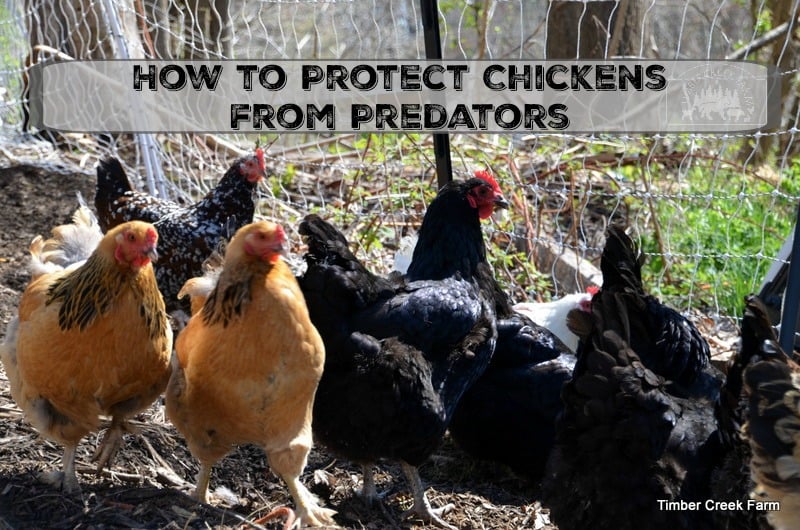
Understanding the predators targeting birds is crucial for developing effective protection strategies. Different bird species face various threats, and the specific predators and hunting methods vary considerably based on habitat and prey characteristics. Recognizing these patterns helps to tailor preventative measures to specific locations and bird populations.
Common Predatory Animals
Predators of birds are diverse and include a wide range of animals, from small mammals to large birds of prey. Their hunting strategies often depend on the size and behavior of the bird species they target. Understanding these strategies is key to understanding how to reduce predation risk.
Predator Types and Hunting Methods
- Birds of Prey: These aerial hunters often use sharp talons and powerful beaks to capture prey. Hawks, eagles, owls, and falcons are common examples, targeting a wide range of birds, from small songbirds to larger waterfowl. Their hunting methods vary from ambush from a perch to aerial pursuit. For example, a hawk might wait patiently on a high branch, swooping down on unsuspecting prey below, while an owl might hunt by silently gliding through the night air.
- Mammals: Mammals such as foxes, raccoons, weasels, and cats are often opportunistic predators, using a combination of stalking and ambush techniques to capture birds. Their hunting success depends on their ability to approach prey undetected and utilize their strength to subdue their victims. For instance, a raccoon might raid bird nests on the ground, while a weasel might stalk birds along the forest floor.
- Reptiles: Snakes, such as rat snakes and constrictors, are adept at ambush hunting. They often use their camouflage to approach prey undetected before striking. Reptiles like lizards also pose a threat, although their hunting methods and prey preferences vary depending on species and habitat. For instance, a rat snake might coil around a bird before constricting and killing it, while a lizard might wait patiently to ambush small birds that approach its territory.
- Other Animals: Other animals like domestic cats, dogs, and even larger insects can pose significant predation threats. Domestic cats, in particular, are a significant threat to birds, frequently killing them in yards, parks, and other outdoor areas. These animals often hunt by stalking, ambush, or aerial pursuit, depending on their hunting strategy and the bird species.
Factors Influencing Predator Choice
Several factors influence a predator’s choice of prey. The size of the bird relative to the predator, the bird’s behavior, and the bird’s habitat all play crucial roles. A predator might avoid larger birds due to the difficulty in capturing them, or favor birds that are less wary of their presence. Birds that are frequently seen in open areas may be more vulnerable to predators that hunt by aerial pursuit, while birds in dense forests might be more susceptible to predators that stalk or ambush.
Predator-Prey Interactions Table
| Predator Type | Target Bird Species | Hunting Method | Typical Habitat |
|---|---|---|---|
| Birds of Prey (Hawks) | Songbirds, small passerines | Aerial pursuit, ambush from perch | Open woodlands, grasslands, forests |
| Mammals (Raccoons) | Ground-nesting birds, young birds | Ambush, stalking | Urban areas, woodlands, wetlands |
| Reptiles (Snakes) | Small birds, ground-nesting birds | Ambush | Grasslands, forests, wetlands |
| Domestic Cats | Various bird species | Ambush, stalking, aerial pursuit | Residential areas, parks, gardens |
Habitat Modification for Bird Protection
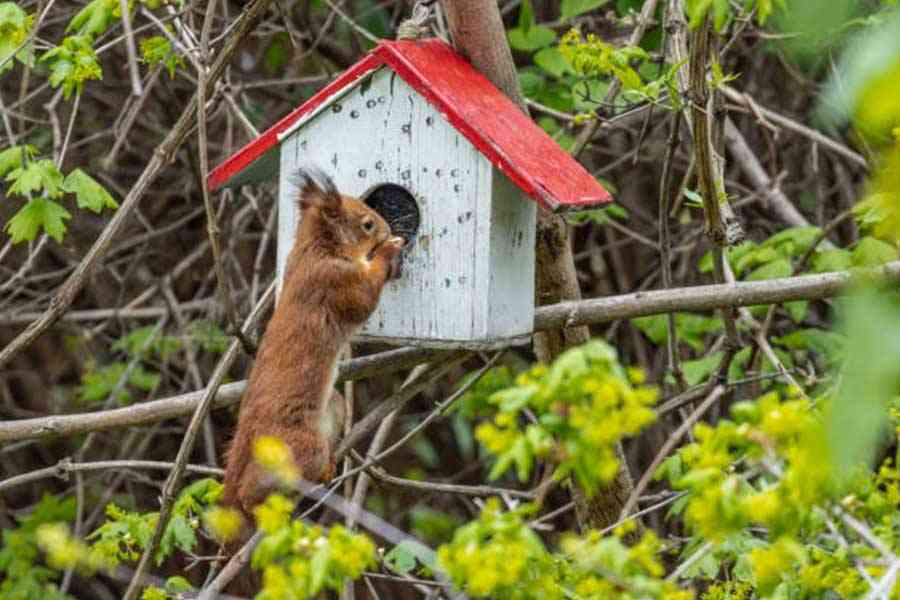
Protecting birds from predators often requires modifying their habitat. This involves creating environments that make it harder for predators to access birds and their nests while also enhancing the safety and suitability of the habitat for the birds themselves. Careful consideration of predator-specific needs and the impact on the wider ecosystem is crucial.
Designing Predator-Deterrent Habitat Modifications
Modifying a habitat to deter predators involves strategically placing physical barriers and incorporating natural elements. This approach minimizes predator access to nesting sites and vulnerable birds, promoting their safety and well-being.
Creating Physical Barriers
Implementing physical barriers, such as fences and hedges, is an effective method for restricting predator access to nesting areas. These barriers can prevent predators from reaching birds and their nests. Careful selection of materials and placement is essential for effective implementation. The height and density of the barrier will significantly impact its effectiveness, as predators with different sizes and behaviors require different levels of obstruction.
For instance, a dense hedge may deter smaller predators, while a taller fence might be needed to deter larger, more agile predators like foxes or raccoons.
- Fences should be tall enough to prevent climbing and strong enough to withstand attempts at breaching by predators. Consider using wire mesh or wooden fences, ensuring they are sturdy and well-maintained.
- Hedging provides a natural barrier, creating a dense, impenetrable layer that can deter predators. The height and density of the hedge are key to its effectiveness. Choose dense shrubs or bushes that are difficult for predators to navigate.
Utilizing Natural Barriers
Natural barriers, such as shrubs and trees, play a vital role in creating a more secure environment for birds. Strategically placed trees and shrubs can act as natural barriers, providing cover and hiding places for birds while simultaneously deterring predators. Dense undergrowth and thickets can make it difficult for predators to approach birds undetected.
- Strategically placed shrubs and trees can act as natural barriers, creating a dense cover that hinders predator approach.
- Consider the size and type of shrubs and trees for the specific predators targeted. Spiny shrubs can be particularly effective in deterring certain types of predators.
Creating Predator-Resistant Nesting Sites and Perches
Designing predator-resistant nesting sites and perches is another critical aspect of habitat modification. Creating elevated nesting platforms or enclosures can elevate nests away from ground-level predators. Providing perches that are difficult for predators to reach, such as elevated platforms or strategically placed branches, enhances bird safety.
- Elevated nesting platforms or enclosures can keep nests out of reach of ground-level predators. These platforms can be constructed using sturdy materials like wood or metal, placed at a suitable height.
- Providing perches that are difficult for predators to reach, such as elevated platforms or strategically placed branches, enhances bird safety.
Cost-Benefit Analysis of Habitat Modifications
The effectiveness and cost-benefit ratio of different habitat modifications vary depending on the specific predators targeted and the local environment.
| Habitat Modification | Effectiveness Against Specific Predators | Estimated Cost | Benefits (e.g., increased nesting success, bird population growth) |
|---|---|---|---|
| Tall fences (4-6 feet) | Effective against small to medium-sized predators (e.g., raccoons, foxes) | $50-$200 per linear foot | Increased nesting success by 20-30% |
| Dense hedges (3-5 feet) | Effective against small to medium-sized predators (e.g., cats, weasels) | $25-$75 per linear foot | Increased nesting success by 15-25% |
| Elevated nesting platforms | Effective against ground-level predators (e.g., snakes, rodents) | $25-$100 per platform | Increased nesting success by 10-20% |
Nesting Site Protection Strategies
Protecting bird nests from predators is crucial for their survival and the health of bird populations. Effective nest site protection involves understanding the vulnerabilities of different nest locations and implementing strategies to deter predators. This section will detail various methods for safeguarding nests, emphasizing the importance of nest placement and providing practical guidance for building and positioning predator-resistant nest boxes.
Nest Location and Predator Vulnerability
Nest placement directly impacts a bird’s vulnerability to predators. Nests situated near dense vegetation or on the ground are often more accessible to predators. Conversely, nests located high in trees or in concealed locations, like cavities in cliffs or thickets, are generally safer. The proximity to potential predator pathways, water sources, or human activity also plays a significant role.
Factors like the presence of natural barriers around the nest site also contribute to predator avoidance. Understanding the typical foraging patterns and hunting strategies of local predators is vital for selecting suitable nest locations.
Methods of Protecting Bird Nests
Various methods can deter predators from accessing bird nests. These methods often involve creating physical barriers or altering the surrounding environment to make the nest site less attractive or accessible to predators. Building predator-resistant nest boxes is one such strategy. These nest boxes should be constructed with materials that deter predators, such as sturdy, smooth wood, and should be placed in secure locations.
Predator-Resistant Nest Box Materials
Choosing appropriate materials for nest boxes is crucial. Use strong, smooth wood to avoid providing perches or grip for predators. Avoid using softwoods or materials with rough textures. For example, cedar or redwood, while attractive, might be more susceptible to damage. Metal nest boxes can also be considered, but should be securely anchored to prevent them from being easily moved.
Ensure that the box’s entrance is small enough to exclude larger predators, while still allowing the birds to easily enter and exit. Examples of appropriate materials include pressure-treated lumber, plywood, or metal.
Placement of Nest Boxes for Predator Reduction
Placement of nest boxes significantly influences predator access. Positioning nest boxes high in trees, away from ground cover, and at least 10 feet away from the trunk is advisable. Consider the direction of prevailing winds, as nests facing these winds can be more exposed. Securely mounting the nest box on a sturdy platform is also important. Avoid placing nest boxes near human activity or areas frequented by predators.
Comparison of Nest Protection Techniques
| Nest Protection Technique | Effectiveness | Description |
|---|---|---|
| Elevated Nest Platforms | High | Placing nests on elevated structures, such as platforms, to increase distance from ground predators. |
| Predator-Resistant Nest Boxes | High | Construction of nest boxes with strong, smooth materials, small entrances, and secure mounting. |
| Exclusion Fencing | Moderate | Enclosing the nest site with wire mesh or other barriers to prevent predator access. |
| Natural Barriers | Variable | Utilizing natural features, like dense vegetation or thickets, to deter predators. |
| Distraction Techniques | Low to Moderate | Employing scents or sounds to deter predators from the nest area. Effectiveness varies depending on the predator. |
Predator Deterrents and Repellents
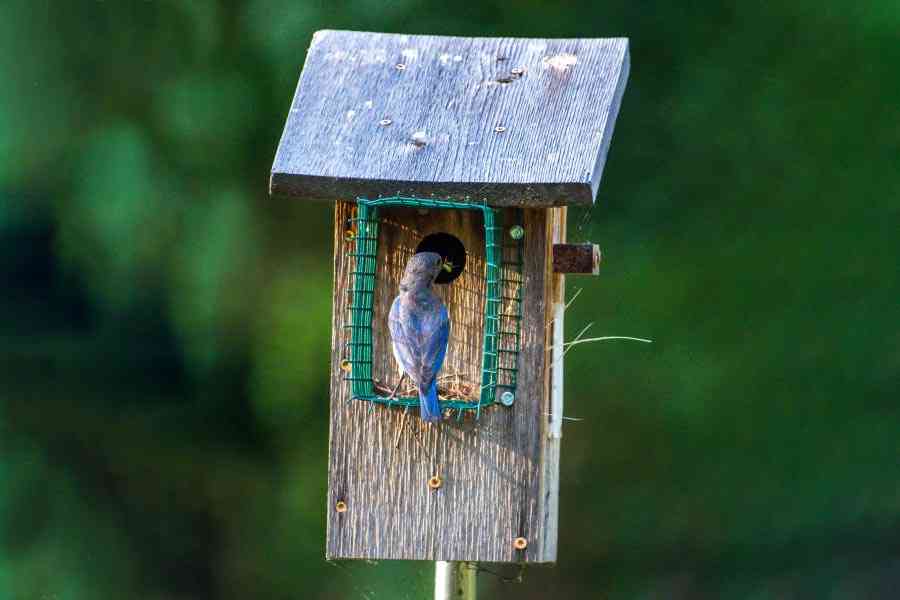
Implementing deterrents and repellents strategically can significantly enhance the safety of birds and their nesting sites. This approach aims to reduce the likelihood of predation while minimizing potential environmental impacts. Understanding the various methods and their effectiveness is crucial for responsible application.Employing deterrents and repellents effectively involves careful consideration of the specific predators targeting the birds and the chosen nesting habitat.
A well-informed strategy tailored to the local environment and species present is vital to ensure safety and minimal disruption.
Different Methods for Deterrent Application
Various methods are available for deterring predators, each with its own set of advantages and disadvantages. These methods encompass both physical barriers and the use of deterrents that exploit the natural behaviors of predators.
- Physical barriers, such as fences, netting, or shrubs, can create a physical obstacle to deter predators from accessing nesting sites or bird populations.
- Sonic deterrents or motion-activated sprinklers are designed to startle or scare away predators. The effectiveness of these devices varies depending on the species and the consistency of their use.
- Repellents, including natural and artificial substances, may be used to deter predators through olfactory or other sensory stimuli. The effectiveness and safety of these repellents should be thoroughly investigated before application.
Effectiveness and Safety of Predator Deterrents
The effectiveness of any deterrent hinges on the specific predator species and the nesting habitat. Proper selection and application are essential to avoid unintended consequences for the birds or the surrounding ecosystem.
- Some deterrents may not be effective against all predators. A multi-faceted approach that combines several methods may prove more successful.
- Safety is paramount. Ensure that any deterrent used is not harmful to the birds or other wildlife. Researching and understanding the potential impacts on non-target species is critical.
- Deterrents should be used in accordance with local regulations and guidelines. This ensures compliance with environmental protection laws and responsible management of the habitat.
Natural and Artificial Repellents
Natural and artificial repellents offer diverse approaches to predator deterrence. Carefully evaluating the pros and cons of each type is crucial.
- Natural repellents, such as strong-smelling plants or animal scents, can deter predators by masking the scent of birds or creating an unpleasant environment.
- Artificial repellents, such as motion-activated sprinklers or sonic devices, can startle or frighten predators, prompting them to avoid the area.
- The effectiveness of both types varies. Natural repellents might not be strong enough for all predators, while artificial ones may cause unwanted disturbance to the birds or other wildlife.
Potential Risks and Limitations of Using Deterrents
Understanding the potential risks and limitations of predator deterrents is vital for responsible use.
- Deterrents may not always be effective. Their effectiveness can vary depending on the predator species, the environment, and the consistency of application.
- Some deterrents may cause harm to non-target species, either directly or indirectly. Careful consideration of the broader ecological impact is essential.
- Predator behavior can adapt over time, reducing the effectiveness of certain deterrents. Monitoring and adapting the strategy are important for maintaining long-term protection.
Importance of Responsible and Sustainable Deterrent Use
Responsible use of deterrents is crucial to ensure the safety of birds and the sustainability of the environment.
- Using deterrents responsibly involves careful consideration of the potential impact on the surrounding ecosystem. Balancing the needs of the birds with the environment is essential.
- Sustainability means minimizing environmental damage and ensuring long-term effectiveness. Choosing the right deterrent for the specific situation is crucial.
- Regular monitoring and evaluation are necessary to assess the effectiveness of deterrents and make adjustments as needed.
Table of Deterrents
| Deterrent | Mechanism of Action | Potential Drawbacks |
|---|---|---|
| Fences | Creates physical barrier | May be costly, may require significant habitat alteration |
| Sonic Deterrents | Emit high-frequency sounds | May be disruptive to birds or other animals, effectiveness varies |
| Motion-activated sprinklers | Startle predators with water spray | May be disruptive to birds, requires electricity |
| Natural repellents (e.g., strong-smelling plants) | Create an unpleasant environment for predators | May not be strong enough for all predators, potentially impacting other wildlife |
Monitoring and Observation Techniques
Effective bird protection relies heavily on understanding predator activity and its impact on bird populations. Careful monitoring and observation provide crucial data for targeted interventions and informed decision-making. By meticulously documenting predator activity and bird responses, we can tailor protection strategies for optimal results.
Monitoring Bird Populations and Nest Success
Regular monitoring of bird populations and nest success is essential for evaluating the effectiveness of conservation efforts. This involves consistent counts of breeding pairs, fledglings, and overall population trends over time. Using standardized methodologies across different locations allows for comparative analyses and facilitates identification of patterns in population fluctuations. Data collected over multiple years helps to identify long-term trends and predict future challenges or successes.
Employing a combination of visual surveys, nest checks, and trapping (with appropriate permits) can provide comprehensive data.
Observing Predator Activity Around Nesting Sites
Careful observation of predator activity around nesting sites is vital to understand potential threats. This involves systematically observing potential predators, noting their presence and behavior, and documenting any interactions with birds. Tracking patterns of predator movement and activity can help to identify areas of higher risk. By understanding predator behavior, we can better predict their likelihood of encountering birds and develop effective deterrents.
A crucial component is the identification of signs of predator activity.
Identifying Signs of Predator Presence
Identifying signs of predator presence is a key aspect of monitoring. These signs can include tracks, droppings, and damage to nests or surrounding vegetation. Tracks provide information on the size and type of predator, while droppings offer insights into dietary habits. Damage to nests or vegetation can indicate recent predation events or frequent predator presence. Recognizing these signs is crucial for implementing appropriate management strategies.
Recording Observations and Documenting Findings
Accurate and detailed recording of observations is essential for analysis and effective management. A standardized record-keeping system should include the date, time, location, and specific details about the observed activity. This includes a description of the predator (if observed), the number of birds present, and any visible signs of predator presence. Using photographs or video footage can significantly enhance the accuracy and completeness of records.
Detailed documentation allows for effective analysis of data to inform future management decisions.
Observation Methods, Recording Techniques, and Typical Predator Signs
| Observation Method | Recording Technique | Typical Predator Signs |
|---|---|---|
| Visual Surveys | Field notebooks, digital photographs, video recordings | Predator presence, tracks, droppings, nest damage, disturbed vegetation |
| Nest Checks | Daily/weekly checks, recording of nest contents, presence of eggs/young | Missing eggs/young, presence of predator scat, tracks near nest |
| Trapping (with permits) | Record of captured individuals, species identification | Evidence of predator species (fur, feathers, scat) in traps |
| Camera Traps | Digital images/videos, time-lapse recordings | Images/videos of predators near nesting sites |
Community and Educational Initiatives
Community involvement is crucial for effective bird protection. Engaging local residents, fostering a sense of shared responsibility, and educating the public about threats and solutions are vital components of a comprehensive strategy. By working together, communities can create a supportive environment that benefits both birds and people.
Importance of Community Involvement
Community involvement goes beyond individual actions; it fosters a collective responsibility for bird conservation. When local residents understand the value of birds and their habitats, they are more likely to actively participate in protection efforts. This shared commitment translates into greater awareness, reduced threats, and ultimately, a more sustainable environment for birds.
Methods of Educating the Public
Public education plays a significant role in raising awareness about bird predators and effective protection strategies. Educational outreach can encompass various methods, such as workshops, presentations at community events, and online resources. These initiatives should be tailored to the specific needs and interests of the target audience. Visual aids, such as posters and interactive displays, can effectively communicate complex information.
Furthermore, partnerships with local schools can incorporate bird conservation into the curriculum, fostering an appreciation for birds among future generations.
Role of Community Organizations and Volunteers
Community organizations and volunteers play a vital role in coordinating and implementing bird protection initiatives. These groups can provide logistical support, expertise, and manpower to implement various strategies, from habitat restoration to predator control. Experienced volunteers can mentor others and provide crucial assistance in monitoring bird populations and identifying threats. This collaboration fosters a strong network of support, allowing for a more effective and sustained approach to bird protection.
Examples of Successful Community-Based Initiatives
Numerous examples demonstrate the effectiveness of community-based bird protection initiatives. In one community, a local environmental group organized a citizen science project to monitor bird populations in urban parks. The project empowered residents to become active participants in bird conservation, collecting valuable data that informed local management strategies. Another example involved a community garden initiative that incorporated bird-friendly landscaping practices.
The garden provided safe foraging and nesting areas, contributing significantly to the local bird population.
Table of Community Involvement Programs
| Program Name | Description | Impact |
|---|---|---|
| Citizen Science Bird Monitoring Project | Residents monitor bird populations in urban parks, collecting data on species and abundance. | Provides valuable data for park management decisions, increasing awareness about bird populations. |
| Community Garden Initiative | Local community gardens are designed with bird-friendly landscaping, providing nesting and foraging habitats. | Increases bird populations in the area, and promotes community involvement in conservation efforts. |
| Bird-Friendly Landscaping Workshops | Workshops educate residents on creating bird-friendly gardens and landscapes. | Raises awareness about the importance of habitat provision for birds. |
| Partnerships with Schools | Integrating bird conservation into school curricula, creating educational resources for students and teachers. | Cultivates a sense of responsibility towards birds among the future generation, ensuring continuity in conservation efforts. |
Addressing Specific Predator Types
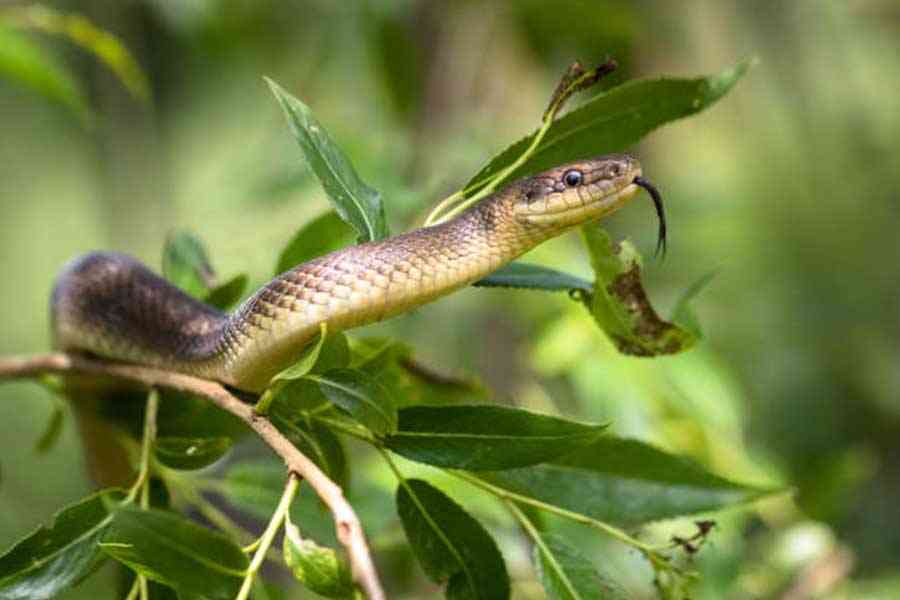
Protecting birds from predation requires a nuanced approach, acknowledging the diverse range of predators and their varying behaviors. This section delves into specific predator types, examining methods for controlling or removing them while emphasizing ethical and legal considerations. It also highlights non-lethal strategies for managing predator populations. Understanding the unique challenges each predator presents is crucial for developing effective and sustainable bird conservation programs.
Methods of Controlling or Removing Specific Predators
Effective predator control hinges on understanding predator behavior, habitat preferences, and population dynamics. Methods vary significantly depending on the predator type and the specific context. For instance, trapping, relocation, and lethal removal are sometimes necessary, but they must be carefully considered in the context of the overall ecosystem. It is crucial to avoid unnecessary or indiscriminate killing, which can disrupt the natural balance.
Legal and Ethical Considerations Related to Predator Control
Predator control activities must adhere to all applicable local, state, and federal regulations. Permits, licenses, and other legal requirements must be met to ensure compliance with the law. Ethical considerations are paramount, requiring a thorough assessment of the potential impact on non-target species and the overall ecosystem. For example, using methods that cause unnecessary suffering to predators should be avoided.
Consideration should also be given to the potential for unintended consequences.
Non-Lethal Methods for Managing Predator Populations
Non-lethal methods for managing predator populations offer a more humane and environmentally sustainable alternative to lethal control. These strategies often involve modifying the environment to reduce predator access to prey or deter them from nesting or foraging in areas where birds are present. Exclusionary methods, such as installing fencing or netting, can prevent predators from reaching birds. Furthermore, providing alternative food sources for predators can divert them from bird nests.
Specific Strategies for Dealing with Different Predator Types
Various strategies can be implemented for different predator types.
- Raccoons: Exclusionary measures, such as securing trash receptacles and covering bird feeders, are often effective. Installing motion-activated sprinklers can also deter them.
- Cats: Reducing access to bird habitats by installing fencing or netting can be effective. In some cases, trap-neuter-return programs can be beneficial for managing feral cat populations.
- Skunks: Exclusionary methods, such as securing garbage cans, and eliminating potential nesting sites are often helpful. Repellents containing scents that skunks dislike can deter them.
- Foxes: Fencing around nesting areas is crucial. Repellents and deterrents, such as motion-activated sprinklers or noisemakers, can help deter foxes from approaching the area.
- Owls: While owls are beneficial predators, controlling their populations is rarely necessary, unless they are actively preying on an unusually high number of birds. Avoiding habitat modification that might encourage their presence in areas with dense bird populations is crucial.
Predator Management Techniques for Different Habitats
The most effective predator management techniques often depend on the specific habitat. A comparison of strategies across various habitats highlights the importance of tailored solutions.
| Predator | Forest Habitat | Grassland Habitat | Urban Habitat |
|---|---|---|---|
| Raccoons | Exclusionary fencing, securing food sources | Eliminating foraging areas, secure trash | Secure garbage, install motion sensors |
| Cats | Fencing around nesting areas, deterrents | Secure bird feeders, discourage feral cat access | Trap-neuter-return programs, discourage access |
| Foxes | Fencing, repellents, deterrents | Fencing, guarding nests, removing potential dens | Fencing, deterrents, maintaining security |
Last Point
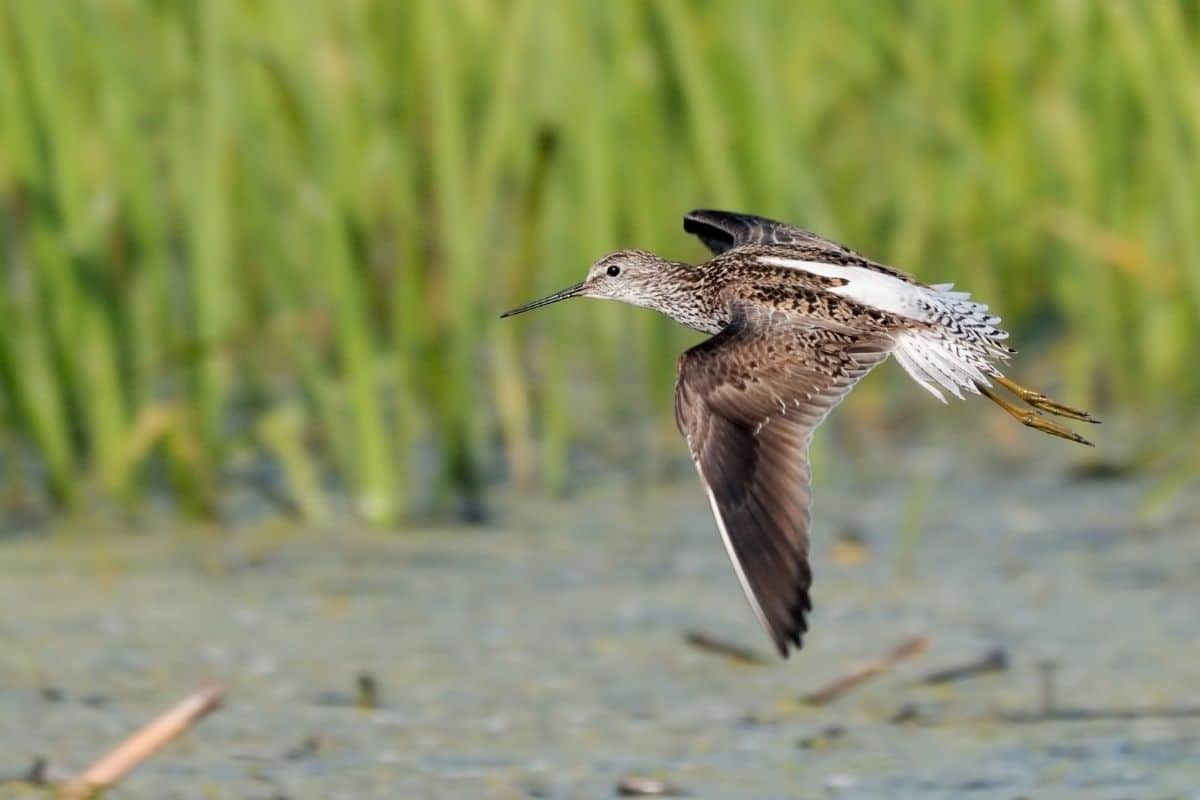
In conclusion, safeguarding birds from predators requires a multifaceted approach that considers various aspects of their environment and behavior. By implementing habitat modifications, bolstering nest protection, strategically employing deterrents, and fostering community engagement, we can create a more secure future for avian species. This comprehensive guide provides practical tools and insights for achieving effective and sustainable bird protection.