Keeping your feathered friend happy and healthy requires more than just food and water. A stimulating environment, including regularly rotated toys, is crucial for their well-being. This guide provides a comprehensive approach to rotating bird toys, ensuring your bird experiences a dynamic and engaging lifestyle. Understanding the importance of variety and the specific needs of your bird species will maximize their enjoyment and mental stimulation.
This in-depth exploration will cover essential aspects of bird toy rotation, from the fundamental reasons behind it to practical tips and detailed schedules. We’ll delve into various toy types, rotation strategies tailored to different species, and troubleshooting common challenges faced by bird owners.
Introduction to Bird Toy Rotation
Rotating bird toys is crucial for a bird’s overall well-being. A bird’s natural inclination is to explore and interact with its environment. Providing a variety of toys ensures mental stimulation, prevents boredom, and encourages natural behaviors. A lack of stimulation can lead to behavioral issues, stress, and even depression in birds.Regular toy rotation is essential for maintaining a healthy and happy bird.
A stale environment can lead to a bird becoming apathetic and less engaged. The novelty of new toys encourages exploration, problem-solving, and the development of essential cognitive skills. This, in turn, contributes to a happier and more balanced bird.
Importance of Mental Stimulation
Mental stimulation is vital for a bird’s psychological well-being. Birds are intelligent creatures capable of complex learning and problem-solving. Providing a variety of toys allows them to exercise these skills, preventing boredom and encouraging healthy cognitive development. A lack of mental stimulation can lead to behavioral problems, such as feather plucking or destructive behaviors.
Preventing Boredom
A bird’s natural curiosity and desire to explore can quickly wane if the environment remains static. Introducing new toys regularly prevents boredom, which can negatively impact their emotional and physical well-being. By changing toys, you provide consistent stimulation and keep their interest piqued. For example, a bird accustomed to a single foraging toy might lose interest quickly, leading to reduced activity and potential health issues.
Common Mistakes in Bird Toy Selection
Many owners make mistakes in selecting bird toys. Some common errors include: choosing toys that are too simple, failing to consider the bird’s size and species, and selecting toys that are unsafe or easily damaged. These choices can lead to a lack of engagement and, in some cases, injuries.
| Mistake | Explanation | Solution |
|---|---|---|
| Selecting toys too simple | Toys lacking complexity fail to challenge the bird’s cognitive abilities. | Choose toys with multiple components, textures, and levels of difficulty. |
| Ignoring species and size | Large toys for small birds can be dangerous, while toys too small for larger birds may be ineffective. | Choose toys appropriate for the bird’s size and species. |
| Unsafe or easily damaged toys | Toys made of toxic materials or with easily detachable parts pose a risk to the bird’s health. | Select toys made of safe, non-toxic materials and durable enough to withstand the bird’s play style. |
Creating a Rotating Schedule
A well-structured schedule for rotating bird toys ensures a constant stream of engagement and prevents boredom. The frequency of rotation depends on the bird’s individual needs and the complexity of the toys. A basic schedule should include a clear rotation system to avoid leaving toys out for too long.
- Start with a simple schedule: Begin with a basic rotation schedule, gradually increasing the frequency as the bird demonstrates interest in the toys.
- Consider the bird’s personality: Some birds prefer more frequent changes, while others might enjoy a longer rotation period. Observe your bird’s behavior and adjust the schedule accordingly.
- Include a variety of toys: A rotating schedule should include different types of toys to cater to diverse interests and behaviors. This might include foraging toys, climbing toys, and interactive puzzles. A mix of textures and materials also encourages exploration.
- Keep a log: Maintaining a log of the toys used and when they were rotated can help track engagement and identify patterns.
Types of Bird Toys and Rotation Strategies
Rotating bird toys is crucial for maintaining a stimulating and enriching environment. A well-designed rotation schedule caters to a bird’s diverse needs, promoting physical and mental well-being. By understanding different toy types and species-specific preferences, bird owners can create a dynamic play experience that prevents boredom and fosters a healthy bond.
Comparing Bird Toy Types and Rotation Frequency
Understanding the various types of bird toys and their corresponding functions is vital for a well-rounded rotation schedule. Different toys cater to different needs, and proper rotation ensures variety and prevents monotony.
| Toy Type | Rotation Frequency | Reasoning |
|---|---|---|
| Foraging Toys | Weekly | These toys encourage natural foraging behaviors, stimulating problem-solving and mental engagement. Regular rotation keeps the bird interested and prevents the toys from becoming less appealing. Examples include foraging balls, puzzle feeders, and scatter feeders. |
| Climbing Toys | Bi-weekly | Climbing toys provide essential exercise and mental stimulation. A bi-weekly rotation allows for the bird to explore new perches and climbing opportunities, preventing the bird from getting bored with the same perches and encouraging physical activity. |
| Chewing Toys | Monthly | Chewing toys are vital for maintaining healthy beak and jaw development. Replacing these toys monthly ensures a variety of textures and materials. This also helps to prevent the spread of bacteria and mold by periodically replacing the toy, given the potential for bacterial growth and mold formation. |
| Swinging Toys | Bi-weekly | Swinging toys cater to a bird’s innate desire to swing and play. A bi-weekly rotation provides variety in swinging styles and heights, keeping the bird engaged. |
| Interactive Toys | Weekly | These toys stimulate problem-solving and cognitive abilities. A weekly rotation ensures that the bird is presented with new challenges and puzzles. Examples include puzzle toys that require the bird to manipulate levers or uncover food. |
Rotation Strategies for Different Bird Species and Personalities
Tailoring a rotation schedule to a bird’s individual needs and personality is key to maintaining engagement and preventing boredom. The specific strategy and frequency will vary depending on the bird’s species, age, and activity level.
| Species | Strategy | Frequency | Notes |
|---|---|---|---|
| Parrots | Variety-based | Weekly | Parrots are highly intelligent and enjoy a wide variety of toys. A weekly rotation ensures they are challenged and engaged. |
| Finches | Foraging-focused | Bi-weekly | Finches thrive on foraging activities. Bi-weekly rotation of foraging toys ensures they can utilize their natural foraging instincts. |
| Canaries | Interactive-based | Weekly | Canaries often benefit from toys that provide interactive play, stimulating their cognitive abilities. A weekly rotation of these toys keeps them engaged. |
| Cockatiels | Combination | Bi-weekly | Cockatiels enjoy a balance of foraging, climbing, and interactive toys. A bi-weekly rotation that includes all these types is ideal. |
Considering Age and Activity Level
A bird’s age and activity level significantly influence the rotation schedule. Young birds require toys that stimulate their growth and development. Older birds may benefit from toys that encourage gentle exercise and interaction. A bird’s energy levels also play a role, with more active birds needing more frequent rotations.
Environmental Enrichment and Mental Health
Environmental enrichment is paramount for a bird’s mental health. A stimulating environment reduces stress and promotes natural behaviors. This is accomplished through a diverse range of toys and activities that keep birds mentally engaged. This can be achieved through varied textures, colors, and challenges, ensuring their mental health and well-being.
Practical Tips for Rotating Bird Toys
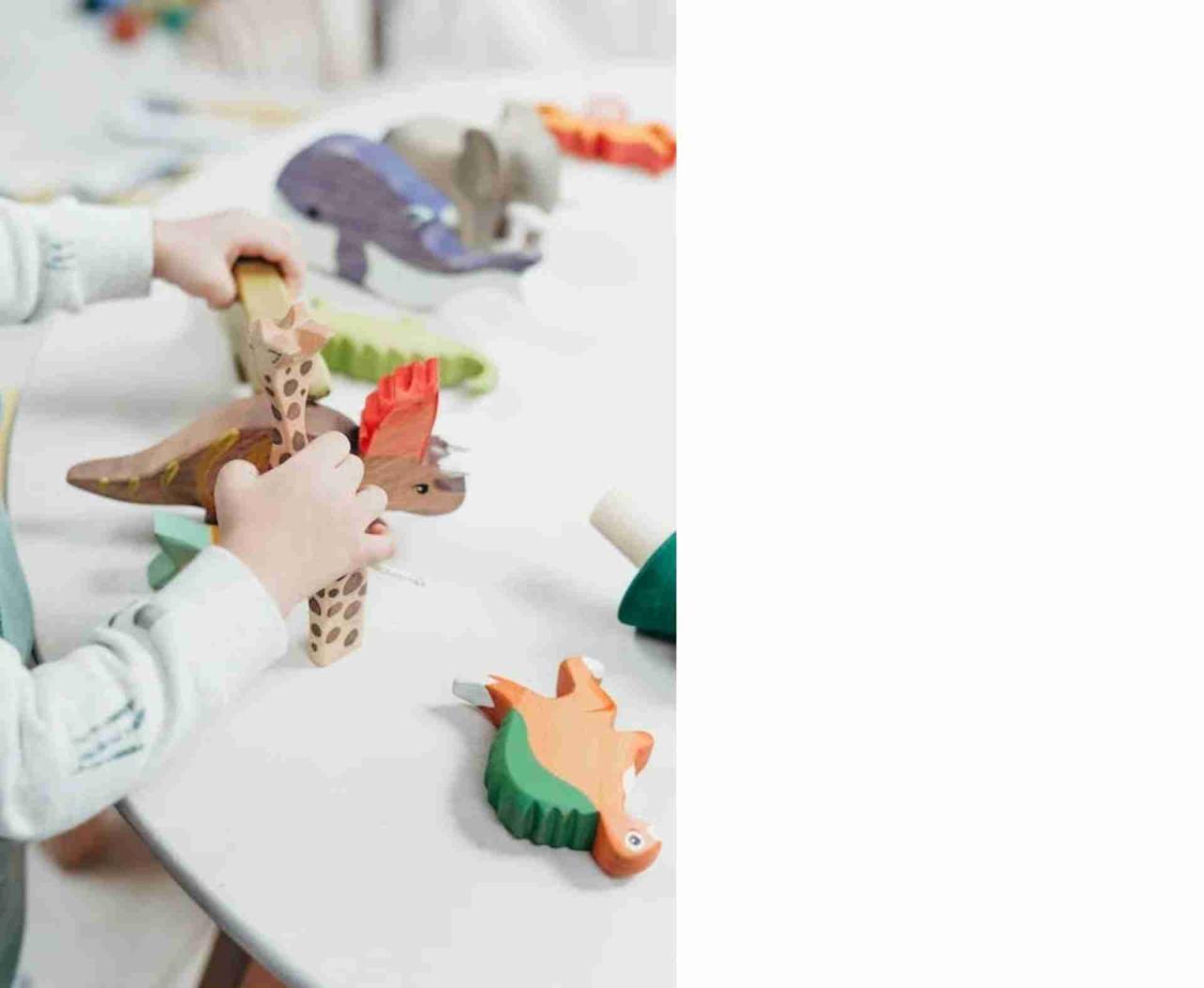
Implementing a regular rotation of bird toys is crucial for maintaining your feathered friend’s mental and physical well-being. A varied and stimulating environment is key to preventing boredom and promoting natural foraging behaviors. This section provides practical guidance on effectively implementing a rotation schedule, optimizing storage, and selecting toys that are easily rotated.
Creating a Rotation Schedule
A well-structured rotation schedule ensures that your bird experiences a fresh array of toys on a regular basis. Consistency is key to success; establish a schedule that suits your lifestyle and your bird’s needs. A weekly or bi-weekly rotation is generally recommended.
- Establish a Consistent Schedule: Determine a specific day or days of the week for toy changes. This routine will signal your bird that new challenges are coming. For example, a weekly rotation could involve swapping toys every Sunday evening.
- Note Down Toys and Rotation Dates: Maintain a log or calendar to track which toys are in use and when they were last rotated. This helps you maintain a balanced rotation and prevent over-familiarity with certain toys.
- Incorporate Variety: Don’t just swap toys; introduce a new type of play material periodically to keep your bird engaged. For instance, you could rotate a plush toy with a puzzle toy, or a foraging toy with a mirror.
- Observe Your Bird’s Reactions: Pay attention to your bird’s responses to the new toys. If they show interest and engagement, the rotation schedule is working well. If they seem disinterested, adjust the schedule or introduce a different type of toy.
Storage and Organization
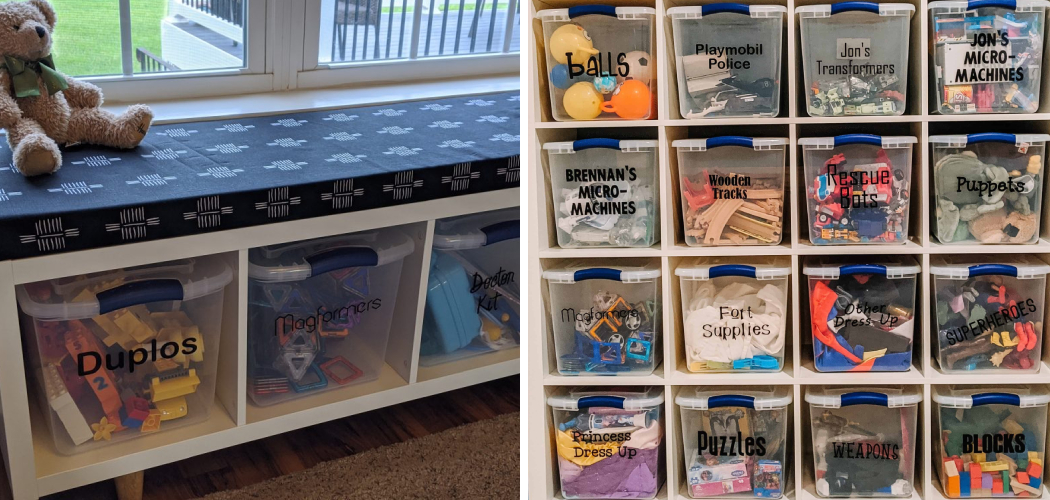
Efficient storage and organization are essential for a smooth toy rotation process. Clear storage solutions, categorized and labelled, are vital for rapid access and for maintaining cleanliness.
- Designated Storage Area: Designate a specific, easily accessible area for storing bird toys. This area should be clean, dry, and out of reach of other pets or children. A cabinet, a drawer, or a designated shelf in the bird’s room work well.
- Categorization and Labeling: Categorize toys by type (e.g., foraging, climbing, chewing) or by the material they are made from. Use labels to indicate the type of toy, its age appropriateness for the bird, and the rotation date. This allows for quick and easy selection of toys.
- Easy Access and Visibility: Store toys in a manner that allows you to see them all easily. This helps in visualizing the rotation schedule and ensuring that you choose the appropriate toys for the rotation.
- Regular Cleaning: Clean and disinfect bird toys regularly to prevent the build-up of bacteria or fungi. This is especially important for toys that have been used by your bird and can easily harbor pathogens. Use mild cleaning solutions and always follow the manufacturer’s instructions.
Selecting Rotatable Toys
The selection of bird toys that can be rotated efficiently impacts the success of the rotation process.
- Consider Durability and Safety: Choose toys made from durable, non-toxic materials that are resistant to wear and tear. This ensures the toys will last through the rotation process and are safe for your bird to interact with.
- Variety in Material and Shape: Select toys that vary in texture, shape, and size to cater to your bird’s diverse play needs. A collection of wooden toys, metal toys, and plush toys can be a good starting point.
- Consider Your Bird’s Personality: Observe your bird’s preferences and choose toys that match their interests. If your bird is a climber, consider providing toys that allow for climbing and exploration. If your bird enjoys foraging, choose toys that encourage foraging behaviors. For example, a bird that loves to chew may benefit from tough, durable toys.
Factors to Consider When Choosing Toys
Careful consideration of these factors can significantly impact the success of your bird’s toy rotation.
| Factor | Description |
|---|---|
| Material | Ensure toys are made from non-toxic, durable materials suitable for birds. |
| Size | Select toys that are appropriate for your bird’s size and beak to prevent injury. |
| Shape and Texture | Provide toys with diverse shapes and textures to stimulate exploration and foraging behaviors. |
| Safety Features | Prioritize toys with secure fastenings and no small parts that could be ingested. |
| Engagement Potential | Choose toys that encourage interaction, problem-solving, and physical activity. |
Creating a Rotation Schedule
A well-structured rotation schedule is crucial for maintaining a parrot’s mental stimulation and preventing boredom. A varied and engaging environment is vital for a happy and healthy bird. A rotation schedule, carefully planned and executed, caters to the bird’s natural curiosity and promotes its overall well-being.
Sample Rotation Schedule for a Small Parrot
A sample rotation schedule for a small parrot demonstrates the principles of variety and frequency. This schedule is a template and should be adapted to your specific parrot’s needs and preferences.
- Week 1: Focuses on foraging toys. These toys stimulate natural foraging behaviors, encouraging your parrot to search for treats and engage in problem-solving. For example, foraging tubes filled with seeds, puzzle feeders, or foraging balls.
- Week 2: Introduces manipulative toys. These toys encourage interaction, dexterity, and fine motor skills. For instance, bells, mirrors, small wooden blocks, or rope toys.
- Week 3: Features social interaction toys. Parrots are social creatures, so toys that encourage interaction with you or other birds are beneficial. For example, toys that allow for mimicry or play. These could include hanging toys, play gyms, or mirrors.
- Week 4: Includes enrichment toys, and toys to encourage exploration. Toys that provide opportunities for climbing, hiding, or exploring their surroundings are essential. Examples are climbing bars, hollow logs, and hidey-holes.
Visual Representation of the Schedule
A visual representation, such as a calendar or chart, aids in planning and tracking the rotation. This method provides a clear overview of the toys in use and allows for easy adjustments.
| Week | Toy Category | Specific Toy Examples |
|---|---|---|
| 1 | Foraging | Foraging tubes, puzzle feeders, foraging balls |
| 2 | Manipulative | Bells, mirrors, small wooden blocks, rope toys |
| 3 | Social Interaction | Hanging toys, play gyms, mirrors |
| 4 | Enrichment | Climbing bars, hollow logs, hidey-holes |
Incorporating New Toys
New toys can be incorporated into the rotation, but it’s crucial to introduce them gradually. Start by introducing the new toy for a short period, say 15-30 minutes, to assess the bird’s reaction. If the bird shows interest and engages with the toy positively, gradually increase the time it spends with the new toy. This allows the bird to adjust to the novelty without feeling overwhelmed.
Gradual Changes in the Rotation Schedule
Significant changes to the rotation schedule should be made gradually. A sudden shift can cause stress and anxiety in the bird. Introducing new toys or altering existing ones gradually ensures the bird maintains its sense of security and predictability. This allows for a smooth transition and minimizes disruption. For example, rather than replacing all foraging toys with manipulative toys at once, you could swap one foraging toy per week with a manipulative toy.
Troubleshooting Common Issues
Bird toy rotation, while beneficial, can sometimes present challenges. Understanding common issues and their solutions is key to ensuring your feathered friend enjoys their toys and maintains optimal well-being. This section provides strategies for addressing potential problems and maintaining a stimulating environment for your avian companion.Many birds, like humans, have preferences. A bird that initially enjoys a new toy might lose interest quickly, while another might exhibit a preference for certain textures or materials.
Recognizing these tendencies and adapting the rotation strategy accordingly can significantly improve engagement.
Identifying Lack of Engagement
A bird that isn’t interacting with its rotated toys might be experiencing boredom, or the toys may not be stimulating enough for their needs. The reasons for lack of engagement can be varied and require careful observation.
- Environmental Factors: The bird’s environment plays a significant role in their interaction with toys. A quiet, dimly lit cage might deter exploration, while a vibrant, stimulating area with ample space will likely encourage interaction. Ensure the bird’s environment is enriched and conducive to play.
- Sensory Input: Birds have diverse sensory needs. Some toys may not offer sufficient tactile, visual, or auditory stimulation. Rotate toys with varied textures, colors, and sounds to keep things interesting. Consider toys that encourage foraging or problem-solving.
- Health Concerns: A bird experiencing physical discomfort or illness might not engage with toys. Consult a veterinarian if you notice a change in your bird’s behavior, appetite, or energy levels, as these could be indicative of underlying issues.
- Introduction Method: How the new toys are introduced can impact engagement. Avoid overwhelming the bird with too many new toys at once. Gradually introduce new toys, allowing the bird to explore and familiarize itself with the new items.
Motivating Interaction with New Toys
Encouraging engagement with rotated toys requires a multifaceted approach. Positive reinforcement techniques, paired with careful observation, are crucial in motivating birds to explore and interact with new toys.
- Positive Reinforcement: Rewarding desirable behaviors with treats, praise, or attention can encourage exploration and interaction with new toys. A bird that successfully manipulates a new toy, for instance, should be rewarded promptly and consistently.
- Exploration Time: Allow the bird dedicated time to explore new toys without pressure. Observe the bird’s natural curiosity and encourage exploration by presenting toys in different locations within the cage.
- Variety in Toy Types: Introducing toys with different textures, sizes, and functionalities is crucial. Rotating toys that provide varied sensory experiences, such as toys that mimic foraging or puzzle-solving, is often effective.
- Social Interaction: For social birds, interactions with other birds or human companions can be motivating. Providing opportunities for social interaction can increase engagement with toys.
Addressing Persistent Avoidance of Certain Toys
Some birds consistently ignore or avoid specific toys. Identifying the reasons behind this avoidance is essential to addressing the issue effectively.
- Fear or Anxiety: Certain toys might trigger fear or anxiety in the bird. Avoid forcing the bird to interact with toys that appear to cause distress. Gradually introduce these toys in a low-stress environment. Consider toys that evoke positive memories.
- Negative Associations: The bird might have a negative association with a specific toy, perhaps from a previous negative experience. Try to remove the negative association by associating the toy with positive experiences, such as treats or interactions.
- Sensory Overload: Overly stimulating toys or a sudden shift in sensory input could cause avoidance. If the bird consistently avoids a toy, consider removing it from the cage and reintroducing it later, perhaps paired with less stimulating items.
Visual Aids and Examples
A well-designed visual aid can significantly enhance the understanding and implementation of a bird toy rotation schedule. Visual representations, such as infographics and diagrams, make complex information more accessible and engaging, leading to improved adherence to the rotation plan. This section provides examples of effective visual aids to support the rotation process.
Infographic for a Bird Toy Rotation Schedule
A visually appealing infographic can effectively illustrate the bird toy rotation schedule. The infographic should clearly display the days of the week, the corresponding bird toys, and a brief description of each toy. Using vibrant colors, icons, and concise text, the infographic should be easily understood at a glance. A sample infographic could use a calendar-style layout with each day of the week representing a column.
Different colored boxes or shapes could visually represent the different bird toys. For example, a red box might signify a foraging toy, a blue box a puzzle toy, and a green box a rope toy. A key explaining the different colors and toy types should be included.
Labeled Storage System for Bird Toys
A well-organized storage system is crucial for efficient toy rotation. A labeled storage system ensures that toys are easily accessible and reduces the risk of confusion. This system will promote consistency in the rotation schedule. A labeled storage system can be as simple as clearly labeled bins or drawers. Each bin or drawer should be designated for a specific type of bird toy, such as foraging, puzzle, or climbing toys.
The labels should be large enough and clearly visible. Using different colors for different toy categories can further enhance the visual appeal and organization of the system. Consider using clear plastic bins or containers to easily view the toys and their placement.
Illustrating the Importance of Variety in Toy Types
Variety in bird toys is essential for maintaining a stimulating environment. Birds, like humans, require a diverse range of experiences to remain engaged and happy. Providing a variety of toys helps to prevent boredom and encourages natural behaviors. A visual representation of a bird interacting with various toys would effectively communicate this. For example, an image showcasing a bird engaging with a foraging toy, a puzzle toy, and a climbing toy would highlight the importance of variety.
This visual aid can be a series of photographs or a composite image. The visual should show a happy and active bird interacting with a diverse range of toys, emphasizing the importance of choice and stimulation.
Bird Interacting with Different Toys in a Stimulating Environment
A compelling example of a bird interacting with various toys in a stimulating environment would showcase the importance of a rotating schedule. Imagine a brightly lit cage with a variety of toys. A parrot might be seen actively foraging in a seed-filled puzzle toy, then moving to a climbing toy, and finally interacting with a colorful, moving toy.
The image or video could illustrate a parrot enjoying the different textures, challenges, and opportunities offered by each toy. This demonstrates how a rotating schedule can enhance a bird’s cognitive and physical well-being. The visual should highlight the bird’s natural behaviors, like foraging, climbing, and playing, showcasing a happy and engaged bird within its enriched environment.
Closing Notes
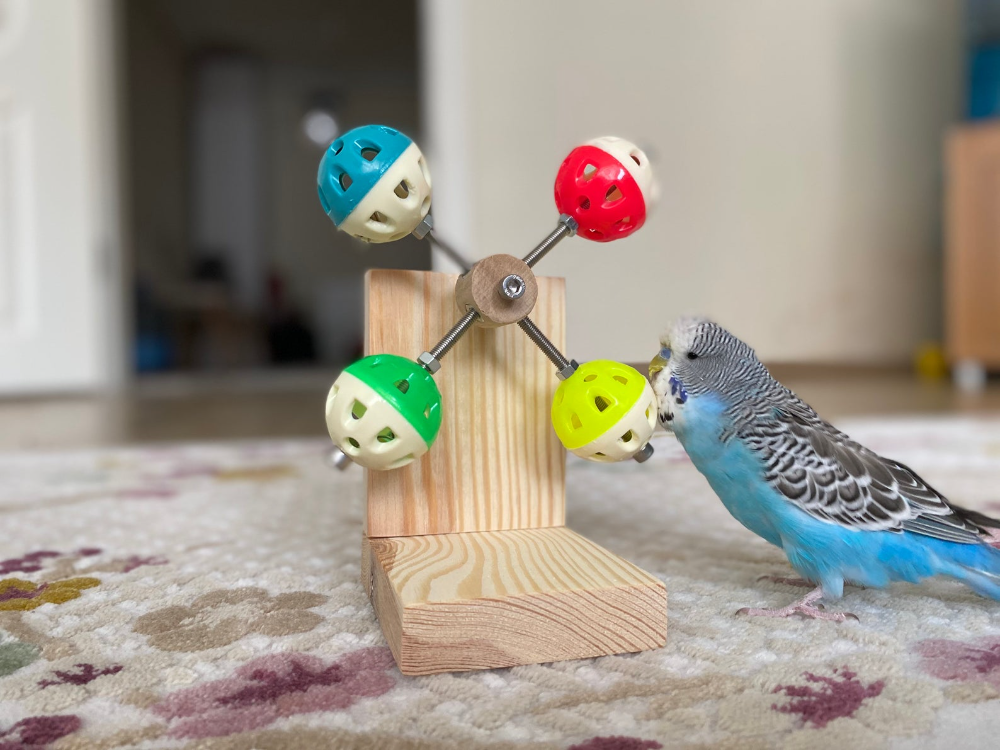
In conclusion, rotating bird toys is a vital aspect of avian care, promoting mental stimulation and preventing boredom. By understanding your bird’s needs and implementing a well-structured rotation schedule, you can create a truly enriching environment. Remember to adapt the provided guidelines to your specific bird’s personality and preferences for optimal results. This guide serves as a practical resource, equipping you with the knowledge to provide the best possible care for your feathered companion.