Bird harnesses offer a valuable tool for bird owners, enabling a range of activities from safe transport to specialized training. This guide delves into the intricacies of harness selection, application, and maintenance, providing practical steps for ensuring the well-being and optimal experience for both you and your feathered friend.
From understanding the various types of bird harnesses to mastering the techniques for secure attachment, this comprehensive resource provides a detailed overview of the essential aspects involved in harness use. It also addresses crucial safety precautions and troubleshooting tips, ensuring a smooth and enjoyable experience for your avian companion.
Introduction to Bird Harnesses
Bird harnesses are specialized equipment designed for birds, offering various benefits in different contexts. They come in diverse types, each tailored to specific purposes, such as training, safety, or providing mobility assistance. Understanding the different types and materials used is crucial for selecting the most suitable harness for your avian companion. The correct harness choice can significantly impact a bird’s well-being and safety.Bird harnesses serve multiple purposes, from ensuring the safety of birds during outdoor activities to facilitating training and mobility.
They are vital tools for responsible bird ownership, allowing owners to interact with their feathered friends in a safe and controlled manner. This section will detail the fundamental purposes of bird harnesses and the varied materials used in their construction.
Types of Bird Harnesses
Bird harnesses are categorized based on their intended function. These include training harnesses, safety harnesses, and harnesses for mobility assistance. Each type is designed with specific features and materials to cater to distinct needs. Choosing the appropriate harness depends on the bird’s temperament, activities, and any specific medical needs.
Materials Used in Bird Harness Construction
The materials used in bird harnesses are crucial for comfort, safety, and durability. Different materials offer varying degrees of breathability, flexibility, and strength. The proper material selection ensures the harness fits snugly without causing discomfort or constriction.
- Nylon: Nylon is a popular choice for its durability and resistance to tearing. It’s lightweight and relatively inexpensive, making it suitable for basic harnesses. However, it can be less breathable than other materials, potentially leading to overheating in hot environments.
- Polyester: Polyester is another durable option, often used in harnesses requiring a higher level of strength. Its water resistance is an advantage, but breathability might be a concern, similar to nylon.
- Soft, breathable fabrics: Some harnesses utilize soft fabrics like cotton or specialized mesh materials for enhanced breathability. These are often preferred for birds in warmer climates or for extended wear. However, these fabrics might not be as durable as nylon or polyester.
Comparison of Bird Harness Types
The following table compares different types of bird harnesses, highlighting their intended use and key features. This comparative analysis aids in selecting the appropriate harness for specific situations.
| Harness Type | Intended Use | Key Features | Materials Commonly Used |
|---|---|---|---|
| Training Harness | Used for teaching birds new behaviors, such as leash walking or specific tricks. | Lightweight, adjustable, often includes specific attachment points for training aids. | Nylon, polyester, or soft, breathable fabrics |
| Safety Harness | Essential for outdoor activities like flying or taking a bird to the vet. Provides protection against falls or accidents. | Stronger construction, often includes secure buckle closures and shock-absorbing features. | Nylon, polyester, reinforced materials |
| Mobility Harness | Aids birds with mobility issues, like wing injuries or arthritis, to move safely. | Adjustable design, often with padding for comfort and support. | Soft, breathable fabrics, padded nylon |
Choosing the Right Harness
Selecting the appropriate harness is crucial for ensuring your bird’s safety and comfort during training or outdoor activities. A poorly fitted or unsuitable harness can cause discomfort, injury, and hinder the bird’s natural behavior. Careful consideration of several factors, including species-specific needs and individual bird characteristics, is essential for a positive experience.Careful selection and proper fitting are vital for a comfortable and safe experience.
Choosing the right harness is not just about size; it encompasses understanding the bird’s personality and the intended use. This involves meticulous measurement and a comprehensive understanding of the bird’s specific needs.
Factors to Consider When Selecting a Harness
Several key factors should be considered when choosing a harness for your bird. These include the bird’s size, species, personality, and the intended use of the harness. A harness designed for a small finch will be vastly different from one suitable for a large parrot.
- Bird Size: The harness’s size must precisely match the bird’s body measurements to ensure a secure and comfortable fit. Oversized harnesses can be hazardous, while undersized harnesses may not provide sufficient support or stability. A harness that’s too tight can restrict movement, and one that’s too loose can easily come off, posing a risk of the bird becoming lost or injured.
- Species: Different bird species have varying physical characteristics and behaviors. Some species, such as macaws, have stronger necks and require harnesses with robust attachment points to prevent injury. Small birds, like finches, require a more delicate approach with lightweight and adaptable harnesses. Thorough research into your bird’s species will guide you towards the appropriate harness style.
- Personality: Some birds are more apprehensive or reactive than others. A bird with a more timid or nervous disposition might benefit from a harness that is more easily adjustable and allows for gradual adaptation. A bird known for being playful or energetic may require a harness with a more secure fastening system to prevent it from escaping.
- Intended Use: The intended use of the harness will dictate the specific requirements. For simple observation or short outings, a lightweight harness might suffice. If the bird will be engaged in more demanding activities, such as flight training or long-distance carrying, a more robust and secure harness is necessary.
Proper Sizing and Fitting
Accurate measurement is paramount for a well-fitting harness. A properly fitted harness ensures the bird’s comfort and prevents potential harm. Incorrect sizing can cause undue stress and discomfort, leading to behavioral issues or injuries.
- Measuring a Bird for a Harness: Carefully measure the bird’s chest circumference, taking care not to constrict the bird. Use a soft tape measure, and ensure the measurement is accurate. The chest measurement is a key determinant for the correct harness size. The wingspan of the bird should also be measured if the harness includes wing straps, as this will affect the fit of the wings.
Measurements should be precise and taken with care to avoid discomfort or injury.
Suitable Harness Types for Different Bird Species
The table below Artikels different bird species and their corresponding suitable harness types. Choosing the right harness type is essential for the bird’s safety and well-being. Note that these are general guidelines, and individual bird needs may vary.
| Bird Species | Suitable Harness Type |
|---|---|
| Finches, Canaries | Lightweight, adjustable harnesses with a gentle and secure closure |
| Parrots (small) | Lightweight harnesses with strong, yet flexible, attachment points |
| Parrots (medium) | Harnesses with robust, adjustable straps and secure closures |
| Macaws, Large Birds of Prey | Robust harnesses with reinforced attachment points and safety features |
Harnessing Techniques
Proper harnessing is crucial for the bird’s safety and comfort, allowing for enjoyable interactions and preventing injury. Careful consideration must be given to the bird’s size, species, and temperament. A well-fitted and securely fastened harness enables a safe and positive experience for both the bird and the handler.Effective harnessing involves a methodical approach, ensuring a comfortable and secure fit.
The steps Artikeld below detail the process, highlighting potential challenges and solutions to optimize the bird’s experience.
Procedure for Putting on a Bird Harness
This section details the step-by-step process for safely securing a harness on a bird. Following these instructions precisely minimizes stress and discomfort for the bird.
- Preparation is Key: Ensure the bird is calm and in a familiar environment. A quiet, enclosed space, free from distractions, is ideal. Have all necessary equipment readily available, including the harness, safety pins, and any necessary tools. The bird should be handled gently, respecting its natural behaviours.
- Harness Inspection: Carefully inspect the harness for any damage or loose parts. Ensure all straps and buckles are in good working order and that the fit is appropriate for the bird’s size and shape.
- Positioning the Harness: Gently place the harness on the bird, ensuring the chest strap is snug but not constricting. The positioning should align with the bird’s natural posture. The legs of the bird should not be constrained or placed in an unnatural position.
- Securing the Harness: Secure the harness using the appropriate buckles and fasteners. Ensure that the straps are not twisted or overly tight. The buckles should be fastened tightly but not so tightly that it restricts breathing or blood flow. Double-check each fastening to ensure a secure fit. A proper fit is crucial for preventing discomfort and injury.
- Post-Harness Check: Observe the bird’s behavior after securing the harness. If the bird shows signs of distress or discomfort, adjust the harness or remove it. If discomfort persists, consult an avian veterinarian.
Securing the Harness Safely and Comfortably
This section focuses on ensuring the harness is secured safely and comfortably, maximizing the bird’s well-being.
- Adjusting the Harness: Adjust straps to achieve a snug but not constricting fit. The harness should not restrict the bird’s movement or breathing. Careful adjustments prevent discomfort and ensure a positive experience for the bird.
- Proper Buckle Placement: Ensure all buckles are fastened correctly and securely, avoiding any risk of slippage or accidental release. The buckles should be fastened snugly but not overly tight. Incorrect placement of buckles can lead to discomfort and possible injury.
- Monitoring Bird’s Reactions: Continuously monitor the bird’s response to the harness. Any signs of distress, such as struggling, hissing, or attempts to remove the harness, indicate that adjustments are needed. Observe for any signs of stress or discomfort, which might suggest that the harness needs readjustment or even removal.
Potential Problems and Solutions During Harnessing
This section addresses potential difficulties encountered during harnessing, offering practical solutions to mitigate stress for the bird.
- Bird Resistance: If the bird resists the harness, try a different approach. A gradual introduction, coupled with positive reinforcement, might help. A positive approach, coupled with patience and gentleness, is key. Use treats or other rewards to encourage cooperation.
- Incorrect Fit: If the harness doesn’t fit correctly, it may cause discomfort or injury. Ensure that the harness is properly adjusted to the bird’s body size and shape. A correctly fitting harness ensures safety and prevents discomfort.
- Harness Damage: Inspect the harness regularly for damage. Replace damaged harnesses immediately to ensure the bird’s safety. Inspect the harness for wear and tear and replace it as needed.
Harness Attachment Points and Activities
This table demonstrates the suitability of various harness attachment points for different bird activities. Choosing the appropriate attachment point is crucial for ensuring safety and preventing injury.
| Attachment Point | Suitable Activities | Considerations |
|---|---|---|
| Chest Strap | Walking, short flights, observation | Avoid activities involving extensive flying or high-speed movements. |
| Leg Loops | Training, basic flying, gentle exercise | Ensure the loops are appropriately sized to prevent discomfort. |
| Wing Loops | Flying, acrobatic displays | Use with caution, only for birds trained for flying. |
Safety Precautions
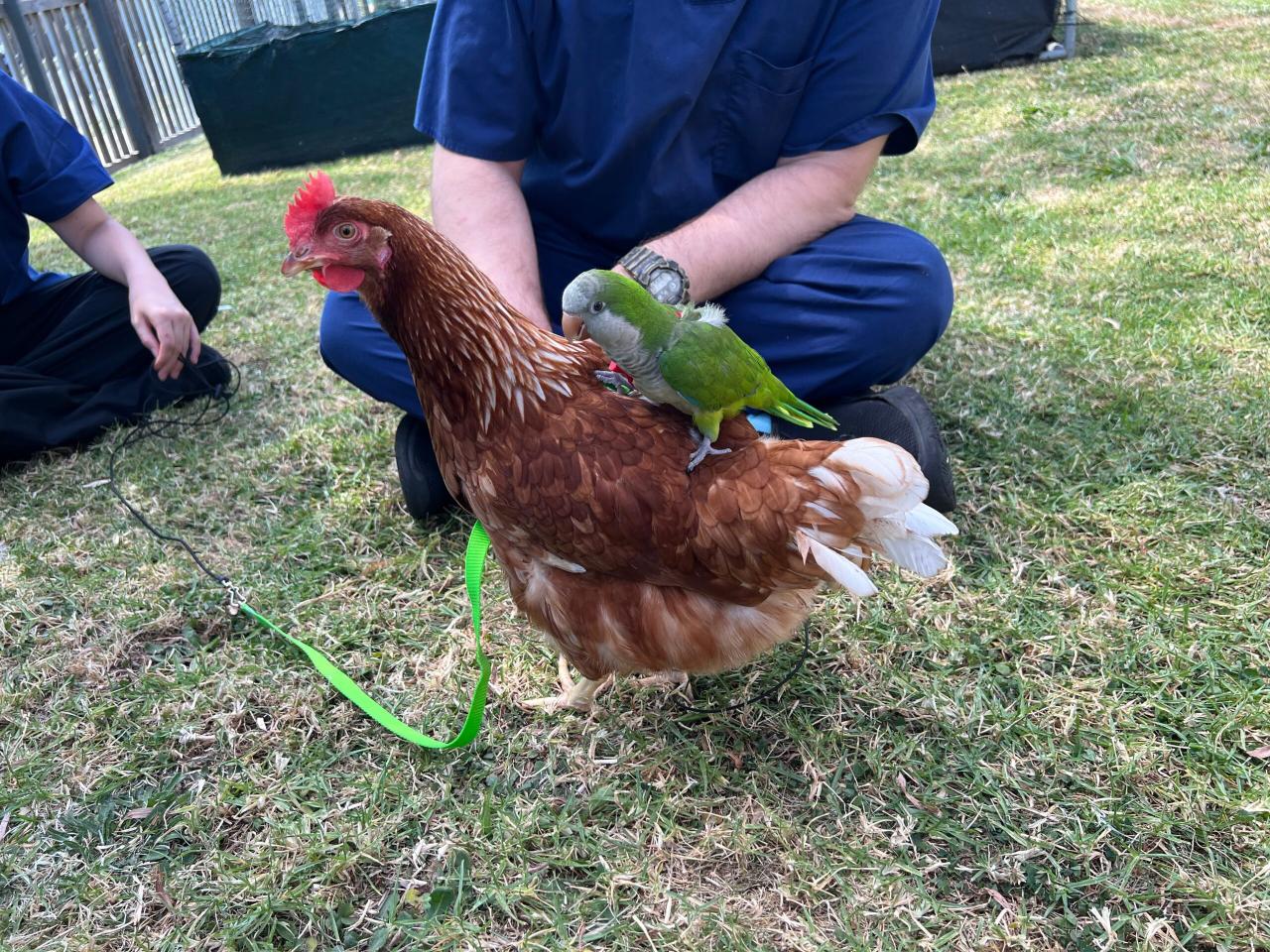
Proper use of a bird harness is crucial for both the bird’s well-being and the handler’s safety. Implementing stringent safety measures minimizes risks and ensures a positive experience for the avian companion. These precautions encompass identifying potential hazards, maintaining the harness’s integrity, and understanding appropriate handling techniques.Understanding potential hazards and implementing mitigation strategies are paramount in ensuring a safe environment for birds using harnesses.
Regular checks and prompt response to potential problems are vital.
Identifying and Mitigating Potential Hazards
Careful observation of the bird’s environment is essential to identify potential hazards. Potential hazards include objects that could injure the bird if it becomes entangled, such as thin wires, small branches, or tight spaces. A thorough assessment of the bird’s surroundings is critical to minimize the risk of entanglement or injury. For example, a bird in a harness should not be taken near a cat or other predator.
Ensuring Harness Comfort and Safety
The harness should never cause discomfort or injury to the bird. The fit of the harness should be snug but not restrictive. The straps should not be overly tight, and the adjustment mechanisms should be checked frequently to prevent tightening over time. Inspect the harness for any signs of wear and tear, such as frayed straps or broken buckles.
Ensure that the harness does not impede the bird’s ability to move freely or breathe.
Regular Harness Checks and Maintenance
Regular inspection of the harness is critical to maintaining its integrity and ensuring the bird’s safety. The harness should be checked before each use for any damage, such as loose stitching, frayed straps, or broken buckles. These checks should be part of a routine. A simple visual inspection can reveal potential issues. Replace any worn or damaged parts immediately to prevent accidents.
Safe Harness Removal Procedures
Safe removal of the harness is essential to prevent injury to the bird and the handler. The process should be smooth and controlled. Before removing the harness, ensure the bird is calm and relaxed. Carefully release the straps and buckles, ensuring no part of the harness catches or restricts the bird’s movement. Grasp the bird gently and carefully, supporting its body as you remove the harness.
A gentle and controlled approach is key to avoiding any distress or injury to the bird.
Bird Training with Harnesses
Harness training offers a valuable tool for avian rehabilitation and enrichment, and even for teaching specific behaviors. Properly implemented, harness training can significantly improve a bird’s confidence and understanding of commands, leading to a more rewarding interaction between bird and owner. It allows for controlled, safe exploration and engagement in activities that would otherwise be impossible or dangerous.Harness training is a crucial aspect of avian care, particularly for rehabilitation.
It provides a structured approach to helping birds regain lost skills or learn new ones, facilitating their return to a healthy and thriving environment. A well-structured training regimen can build trust and cooperation between the bird and handler, crucial for positive outcomes.
Positive Reinforcement Techniques
Positive reinforcement, a cornerstone of effective training, is essential when using a harness. Rewarding desired behaviors reinforces the connection between the action and the positive consequence. This method builds trust and encourages the bird to associate the harness with pleasant experiences. Specific rewards can range from treats and praise to favorite toys or engaging activities. Consistency in the reward system is vital for the bird to understand the expected response.
Gradual Introduction of the Harness
Introducing the harness to a bird should be a gradual process, beginning with brief, positive interactions. The bird should experience the harness as a comforting and safe tool, not a source of fear or stress. Initially, the bird should be allowed to explore the harness without any pressure to wear it. This allows the bird to become familiar with the feel and sound of the harness, fostering a sense of security.
The gradual introduction method builds trust and allows the bird to acclimate to the harness at its own pace. This process can take days, weeks, or even months depending on the bird’s personality and experience.
Teaching Specific Behaviors
Harness training enables the teaching of various behaviors, such as basic obedience commands, flight training, and even environmental exploration. Teaching a bird to step onto the harness, to stay on the harness, and to respond to specific cues like “stay,” “come,” or “fly” can all be achieved with consistency and positive reinforcement. Careful consideration of the bird’s individual needs and capabilities is vital for developing a successful training program.
This method involves rewarding the bird for desired behaviors, using clear and consistent cues, and adjusting the training to the bird’s response.
Methods for Teaching Specific Behaviors Using Harnesses
- Basic Obedience Commands: Begin with simple commands like “step up” or “step down.” Use a treat as a reward for stepping onto the harness, praising the bird. Gradually increase the distance and duration of the steps. A consistent routine builds confidence and trust.
- Flight Training: With a properly fitted harness, birds can learn to fly with a handler. Start with short, supervised flights in safe, enclosed areas. Rewarding successful flight attempts strengthens the connection between the bird and the handler. This technique requires careful monitoring of the bird’s comfort and safety.
- Environmental Exploration: Harness training allows birds to explore their environment in a controlled manner. This is particularly valuable for rehabilitated birds to acclimate to their new surroundings. Rewarding interactions with the environment reinforces positive exploration. Introduce a bird to different sights, sounds, and smells in a structured, controlled setting.
Summary Table of Bird Training Techniques Using Harnesses
| Training Technique | Description | Positive Reinforcement | Gradual Introduction |
|---|---|---|---|
| Basic Obedience | Teaching commands like “step up,” “step down.” | Treats, praise | Short, positive interactions |
| Flight Training | Learning to fly with a handler. | Treats, praise, positive cues | Short, supervised flights |
| Environmental Exploration | Controlled exploration of the environment. | Treats, praise, positive engagement | Controlled introduction to new stimuli |
Troubleshooting Common Issues
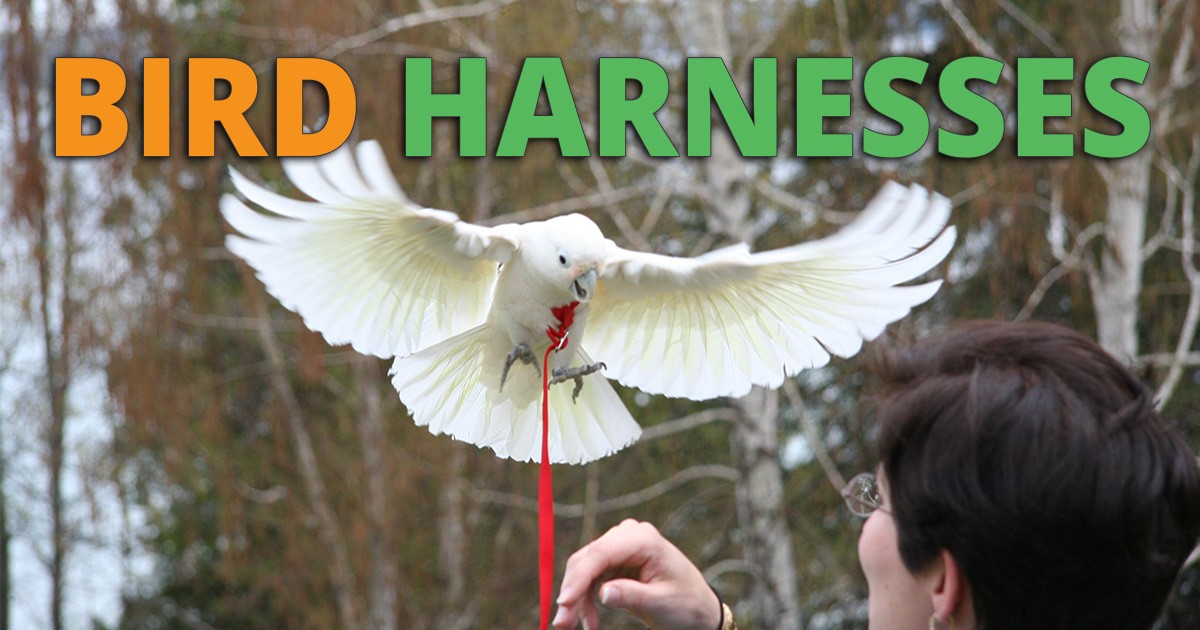
Proper harness use is crucial for a bird’s safety and well-being. Addressing potential problems promptly is vital to maintaining a positive experience. This section Artikels common issues, their diagnosis, and effective solutions.Harness use, like any activity involving a bird, requires attentive observation and proactive problem-solving. Understanding potential issues allows for swift and appropriate intervention, preventing discomfort or injury to the bird.
Harness Fitting Issues
Incorrect harness fit can lead to discomfort, injury, or even escape attempts. Careful inspection and adjustment are essential.A poorly fitted harness may rub against sensitive areas, leading to skin irritation or sores. Tightness can restrict breathing and movement, while looseness compromises the harness’s effectiveness. The proper fit ensures the harness securely and comfortably supports the bird without hindering its natural behaviors.
Adjust straps and buckles until the harness sits snugly without putting undue pressure on any part of the bird’s body.
Discomfort and Irritation
Birds might exhibit signs of discomfort or irritation, such as ruffled feathers, reluctance to move, or vocalization. These indicators require immediate attention.Observe the bird’s behavior closely for any signs of discomfort. A bird that appears distressed or agitated may be experiencing irritation or pain from the harness. Check the harness’s contact points on the bird’s body for signs of redness, abrasions, or other irritation.
Adjust the harness as needed to ensure a comfortable fit.
Escape Attempts
Birds are naturally inclined to explore and escape, which can happen with harnesses. Understanding the causes and appropriate responses are key.Birds attempting to remove the harness may exhibit behaviors such as flapping wings, struggling, or biting at the harness. These actions are often instinctive and do not indicate malicious intent. Identify the reason behind the escape attempts.
A poorly fitted harness, a perceived threat, or even curiosity can trigger these responses.
Table of Common Harness Problems and Solutions
| Problem | Diagnosis | Solution |
|---|---|---|
| Harness too tight | Bird shows signs of distress, struggles to breathe, or exhibits discomfort. | Loosen the harness straps and buckles. Ensure the harness fits snugly without constriction. |
| Harness too loose | The harness slips or moves, offering little support, and the bird may feel insecure. | Tighten the harness straps and buckles. Ensure the harness is properly secured and provides adequate support. |
| Harness rubbing | Bird shows signs of irritation, such as ruffled feathers or biting at the harness. Inspect the contact points. | Adjust the harness to minimize friction. Use padding or protective materials to cushion the harness at contact points. |
| Escape attempts | Bird consistently attempts to remove the harness, flapping wings, struggling, or biting at the harness. | Check the harness fit and adjust as necessary. Ensure the harness is securely fastened and appropriate for the bird’s size and breed. Consider environmental factors that might be contributing to the bird’s discomfort or fear. |
Harness Types and Uses
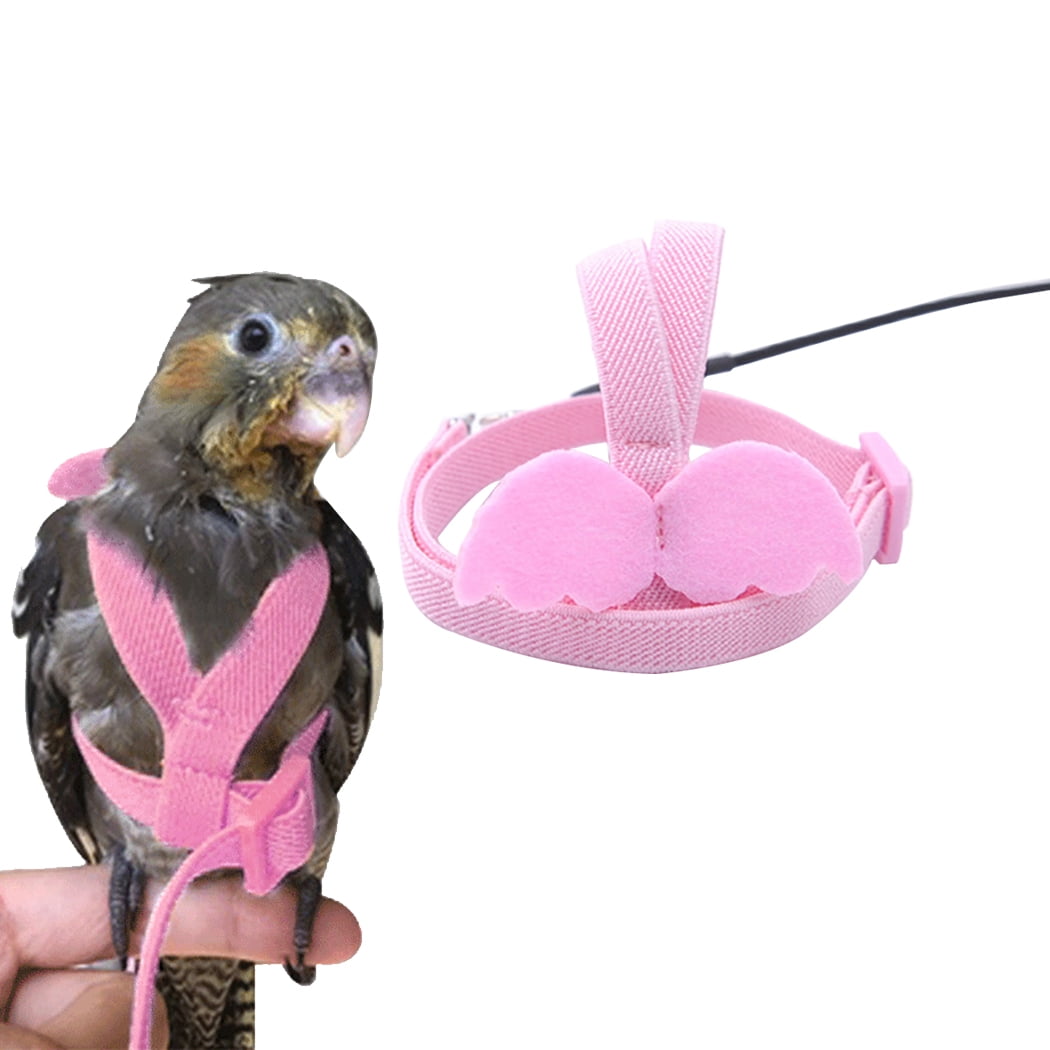
Bird harnesses come in a variety of designs, each tailored to specific needs and activities. Understanding the different types and their intended use is crucial for selecting the appropriate harness for your avian companion. This section will explore the key features and suitability of various harness designs for different bird activities.
Flight Training Harnesses
These harnesses are meticulously designed for controlled flight training. Their primary purpose is to provide a secure and comfortable method for guiding and monitoring the bird’s flight path. Essential features include lightweight, breathable materials to minimize discomfort during extended flights, and adjustable straps for precise fit and control. The design also incorporates attachment points for leashes or tethers to allow for safe and controlled movement.
For instance, harnesses with multiple attachment points allow for various flight training exercises, such as controlled turns and gradual altitude changes.
Mobility Harnesses
These harnesses are specifically developed to enhance a bird’s freedom and mobility. They are designed to allow the bird to explore its environment while remaining safe and secure. A key feature is a lightweight and comfortable design that does not impede the bird’s natural movements. Mobility harnesses often feature a more relaxed fit compared to flight training harnesses, enabling the bird to move freely.
For instance, a mobility harness could be used for birds who enjoy exploring outdoor enclosures or indoor spaces.
Restraint Harnesses
These harnesses are designed for situations where restraint is necessary, such as during veterinary procedures or for preventing escape. They feature secure, yet gentle, fastening mechanisms to prevent the bird from escaping. The design is crucial for the bird’s comfort and safety during procedures. A key consideration is the material used, ensuring it is non-irritating and does not restrict the bird’s breathing.
For example, these harnesses might be employed during a bird’s health check or when a bird is being transported.
Table of Harness Types
| Harness Type | Features | Intended Use |
|---|---|---|
| Flight Training | Lightweight, breathable materials; adjustable straps; multiple attachment points | Guiding and monitoring bird’s flight path during training exercises. |
| Mobility | Lightweight, comfortable; relaxed fit; allows natural movement | Enhancing bird’s freedom and mobility while keeping it safe and secure. |
| Restraint | Secure, gentle fastening mechanisms; non-irritating materials; ensures comfort and safety during procedures. | Necessary during veterinary procedures or to prevent escape. |
Examples of Birds Using Harnesses
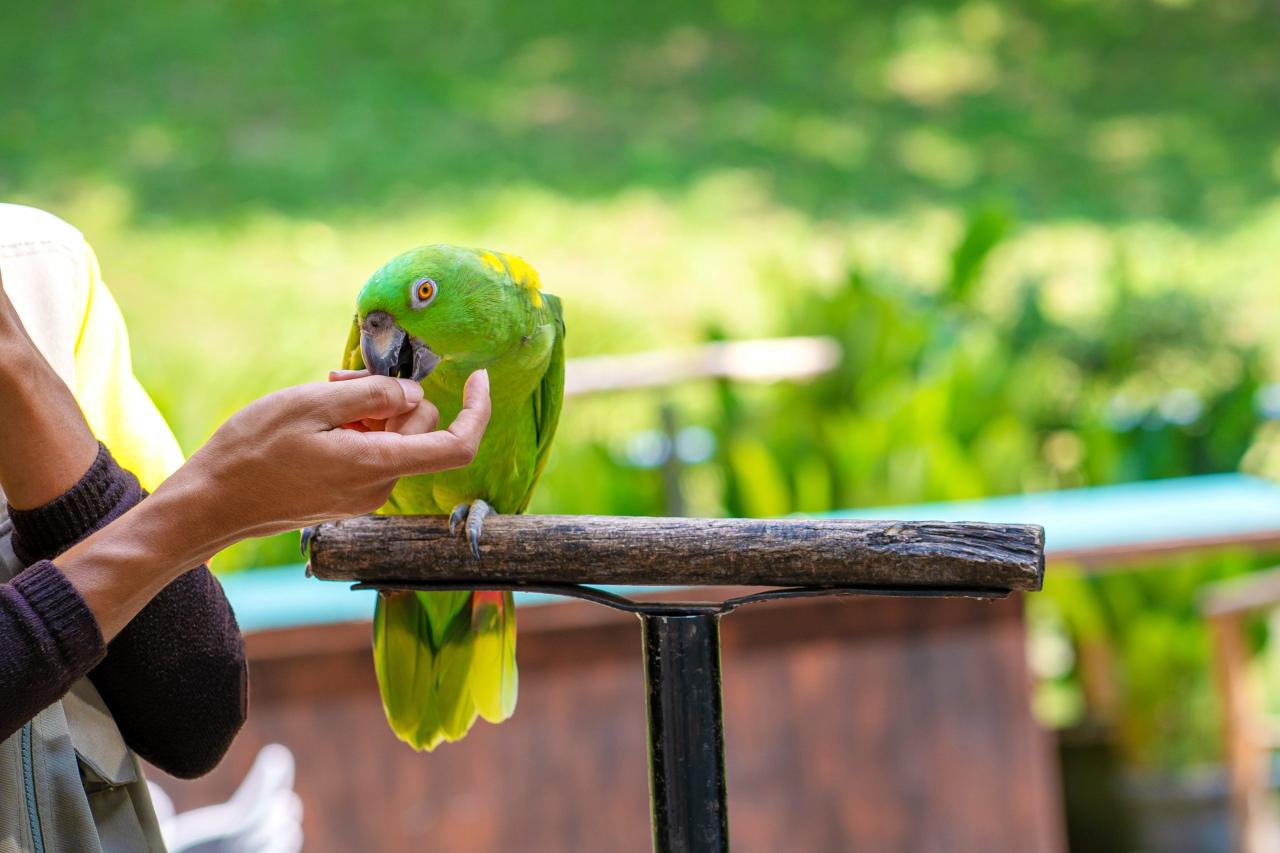
Harnessing provides a valuable tool for bird welfare and interaction. From rehabilitation to training and showcasing, harnesses enable a safe and controlled environment for birds to explore and engage with their surroundings. Careful consideration of species, training goals, and harness type is essential for successful and ethical use.Harness use allows for a safe and controlled environment, facilitating rehabilitation, training, and demonstrations.
This enables the observation and interaction with birds in a way that is beneficial to both the bird and the handler. Choosing the appropriate harness is crucial for the bird’s comfort and safety.
Rehabilitating Injured Birds
Injured birds often require specialized care to regain their strength and mobility. Harnesses play a vital role in this process. By providing a secure yet adjustable support system, harnesses allow rehabilitators to safely guide birds through critical recovery stages. Careful monitoring and adjustments ensure the harness doesn’t impede the bird’s healing.
- Species: Injured songbirds, raptors, waterfowl.
- Training Goals: Regaining flight muscles, encouraging movement, preventing further injury.
- Harness Type: Lightweight, adjustable harnesses designed for rehabilitation, often with specialized features for specific injuries. These harnesses may include lightweight materials and easily adjustable straps for proper fit.
Training for Bird Shows
Harnesses facilitate participation in bird shows, enabling birds to perform various tasks. Careful training with positive reinforcement methods is crucial to ensuring the bird’s comfort and success. The harness acts as a tool to allow the bird to safely interact with the environment and showcase its natural abilities.
- Species: Parrots, cockatoos, macaws, and other intelligent birds.
- Training Goals: Teaching tricks, performing dances, and demonstrating natural behaviors.
- Harness Type: Durable, lightweight harnesses designed for long periods of wear, featuring secure attachments and appropriate adjustability for the bird’s comfort.
Training for Environmental Awareness
Birds are sensitive to environmental changes. Harness use can be crucial for training birds to identify and react to various environmental factors. This is particularly useful for research purposes or to promote the bird’s adaptation to specific environments. The harnesses provide a controlled platform to observe and train the birds’ response to changes.
- Species: Birds of prey, waterfowl, and birds exhibiting specific ecological behaviors.
- Training Goals: Identifying environmental threats, navigating specific terrain, and adapting to new conditions.
- Harness Type: Lightweight, durable harnesses that minimize interference with natural behaviors, providing accurate tracking and monitoring. These harnesses allow researchers to track the bird’s progress and reactions.
Bird Rehabilitation Success Stories
Numerous stories highlight the success of harnesses in bird rehabilitation. One example involves a rehabilitated hawk that, with the help of a custom-designed harness, regained its flight muscles after a severe injury. This example demonstrates how harnesses are not only a tool for safety but also for enabling the bird to regain its natural capabilities.
- Species: Variety of birds, including raptors and songbirds.
- Training Goals: Regaining mobility and flight capabilities after injuries.
- Harness Type: Customized harnesses, incorporating specific needs and adjustments, allowing for proper fit and support.
Harness Maintenance and Care
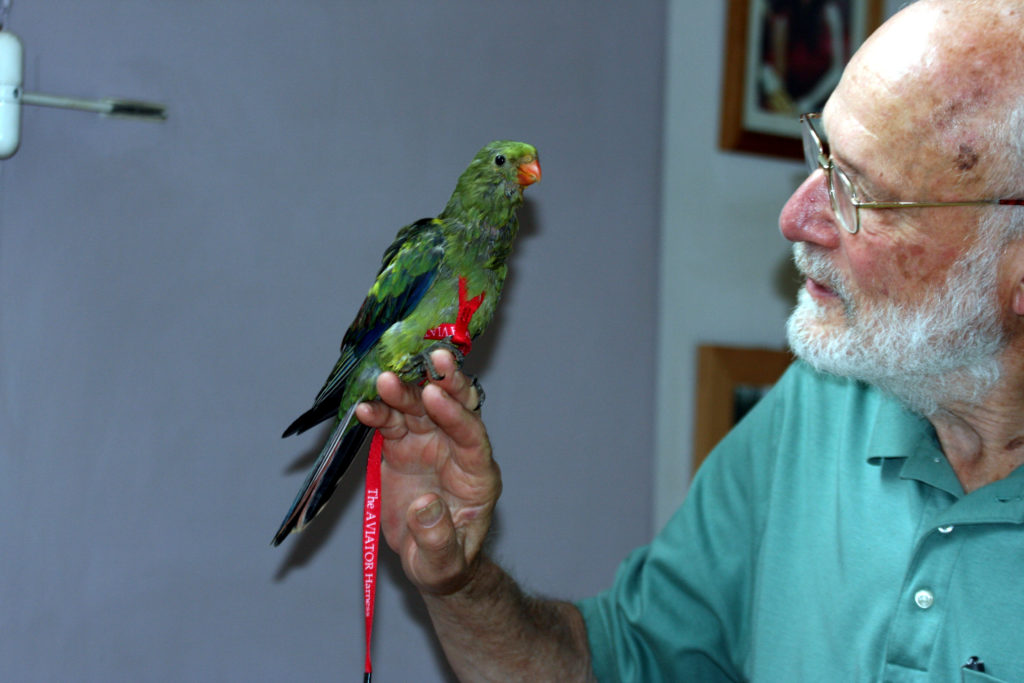
Proper maintenance of a bird harness is crucial for ensuring its longevity and your bird’s safety and comfort. Regular inspection and cleaning prevent the harness from becoming worn, damaged, or a breeding ground for bacteria, which could harm your feathered friend. Following a consistent maintenance schedule can greatly extend the harness’s lifespan and prevent potential accidents.Maintaining a bird harness involves a multifaceted approach encompassing regular inspections, cleaning, and timely replacement of damaged components.
This careful upkeep ensures the harness remains secure and functional, preventing discomfort or injury to your bird. The following sections detail the steps and importance of harness maintenance.
Importance of Regular Inspection and Cleaning
Regular inspection and cleaning of the bird harness are essential for maintaining its structural integrity and functionality. A worn or damaged harness can lead to discomfort, injury, or even escape for your bird. Dirt and debris can also harbour bacteria and parasites, posing health risks. By meticulously checking and cleaning the harness, you are actively contributing to your bird’s well-being and ensuring the harness continues to provide reliable support.
Procedure for Cleaning and Maintaining a Bird Harness
Thorough cleaning is essential to maintain a bird harness’s effectiveness. The procedure involves removing any dirt, debris, or dried secretions. Use a soft, damp cloth and a mild soap solution (e.g., dish soap) to clean the harness. Rinse thoroughly with clean water and allow the harness to air dry completely before putting it back on your bird.
Avoid harsh chemicals or abrasive materials that could damage the harness’s fabric or stitching. Drying should be done in a well-ventilated area away from direct sunlight to prevent damage.
Replacing Worn or Damaged Parts
Inspect the harness regularly for signs of wear and tear, such as frayed straps, weakened stitching, or broken buckles. Replace any worn or damaged parts immediately to maintain the harness’s safety and functionality. Always use replacement parts that are compatible with the original harness model. Seek guidance from the manufacturer or a qualified avian veterinarian if you are unsure about the appropriate replacement components.
Maintenance Schedule
A structured maintenance schedule is vital for optimal harness care. This ensures timely identification and resolution of potential issues.
| Inspection Frequency | Inspection Focus | Maintenance Actions |
|---|---|---|
| Daily | Visual check for any signs of wear, damage, or dirt accumulation. Check for proper fit and secure attachment. | Gentle cleaning of harness with a damp cloth and mild soap solution. |
| Weekly | Thorough cleaning and inspection of all harness components. Assess for any signs of fraying, tears, or loosening of stitching. Examine the attachment points for security. | Thorough cleaning, inspection for damage, and replacing any worn parts. |
| Monthly | Detailed inspection of all harness parts. Evaluate the integrity of the material, stitching, and fasteners. Check for signs of corrosion on metal components. | Detailed inspection, replacement of any damaged parts, and thorough cleaning. |
Final Wrap-Up
In conclusion, proper harness use for birds is crucial for safety, training, and overall well-being. This guide has explored the different types of harnesses, selection criteria, application methods, safety measures, training techniques, and troubleshooting strategies. By carefully following the provided information, bird owners can equip their feathered companions with the necessary tools for safe exploration, enriching activities, and fostering a strong bond.